

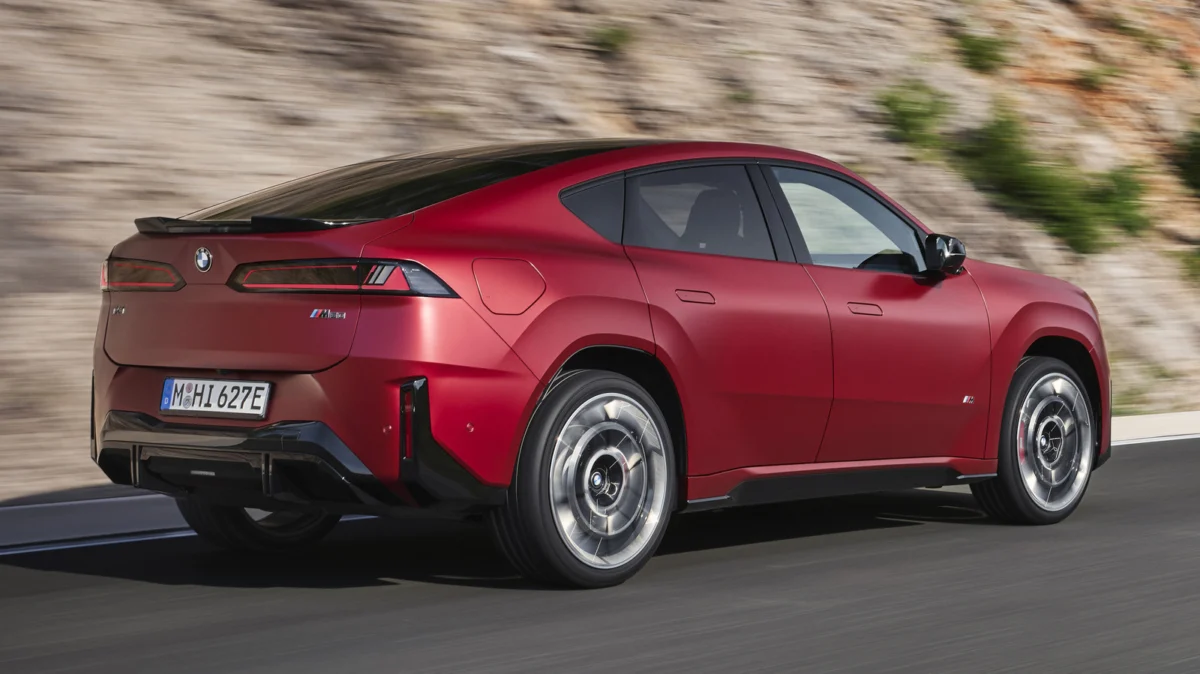
Since BMW first pulled the wraps off the X6 in 2007, the German automaker has been the undisputed architect of the "crossover coupe" segment. While critics initially scoffed at the marriage of a high-riding SUV platform with a sloping, sports-coupe roofline, the market responded with overwhelming enthusiasm. Two decades later, the segment has expanded from a niche experiment into a global automotive staple. Now, as the industry pivots aggressively toward electrification, BMW is doubling down on this controversial yet lucrative design language with the introduction of the 2027 iX4.
As the third pillar of BMW’s revolutionary Neue Klasse electric architecture, the iX4 represents more than just a styling exercise; it is a declaration of intent. By marrying the cutting-edge efficiency of the iX3 with a more aggressive, aerodynamic silhouette, BMW is betting that the emotional appeal of the coupe-SUV will resonate just as strongly in the electric era as it did in the age of internal combustion.
The Evolution of the Niche: A Chronological Retrospective
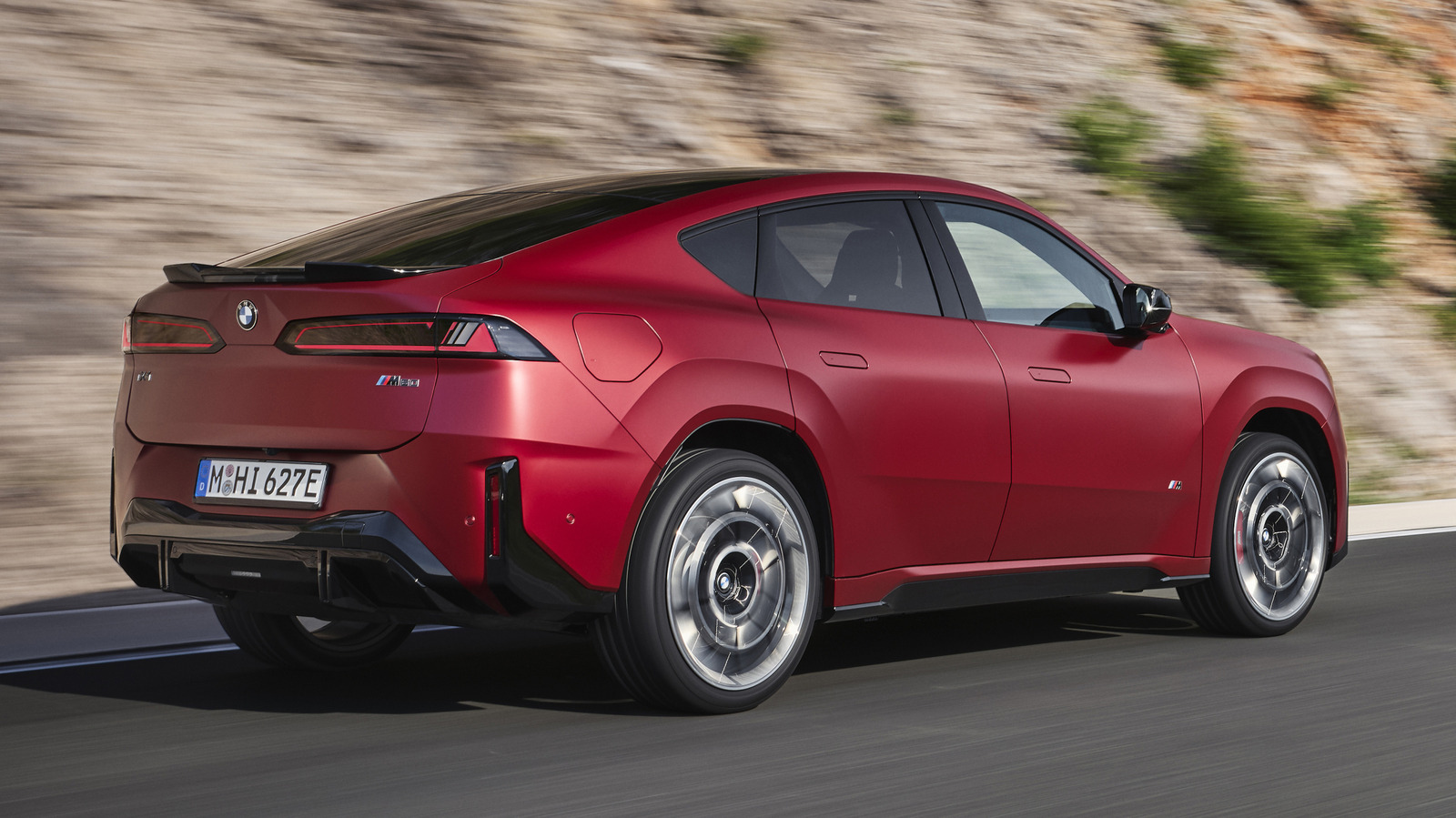
To understand the significance of the 2027 iX4, one must look at the timeline of BMW’s obsession with the "coupe-crossover" hybrid.
- 2007: The genesis. BMW launches the original E71 X6. It was a polarizing vehicle that ignored traditional notions of utility in favor of "Sports Activity Coupe" branding.
- 2014: BMW democratizes the design with the introduction of the first-generation X4, a smaller, more accessible sibling to the X6.
- 2021–2025: Despite the rise of pure electric alternatives, the X4 maintains a steady sales trajectory in North America, moving approximately 10,000 units annually—a testament to the enduring popularity of the form factor.
- 2026: BMW unveils the Neue Klasse platform, signaling the end of the legacy ICE-based X3/X4 architecture and the beginning of a dedicated electric future.
- 2027: The debut of the iX3, followed shortly by the iX4, solidifying the brand’s commitment to providing an electric counterpart for every major legacy body style.
This steady progression highlights a fundamental corporate philosophy: BMW believes that luxury buyers are not looking for a "one-size-fits-all" appliance. Instead, they want choice, personality, and the distinct athletic stance that only a coupe-inspired roofline can provide.
Design Philosophy: Where Aerodynamics Meet Aesthetics
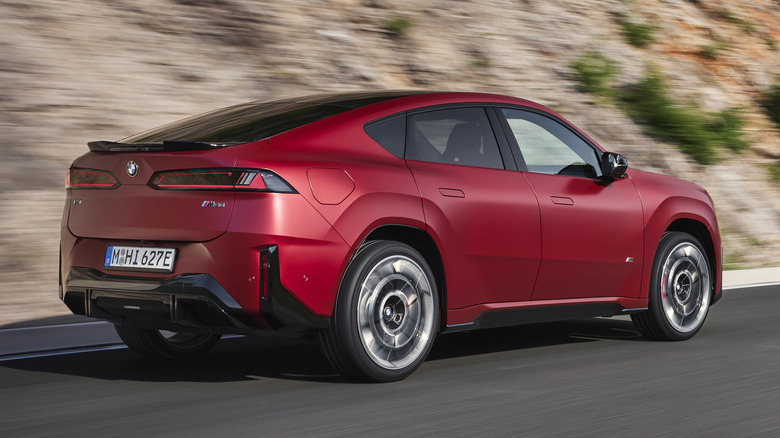
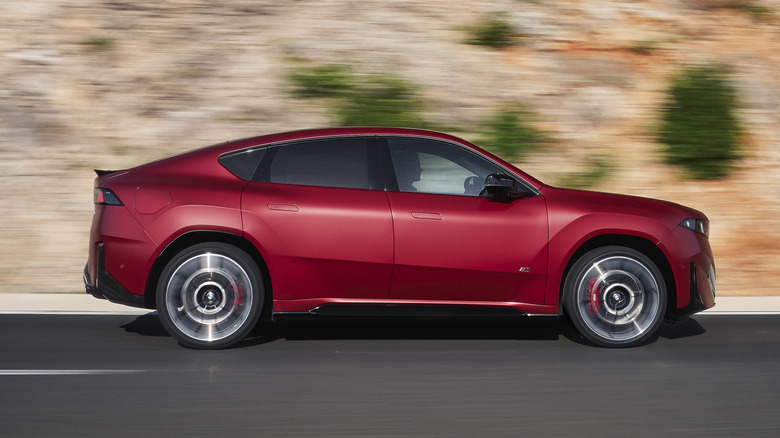
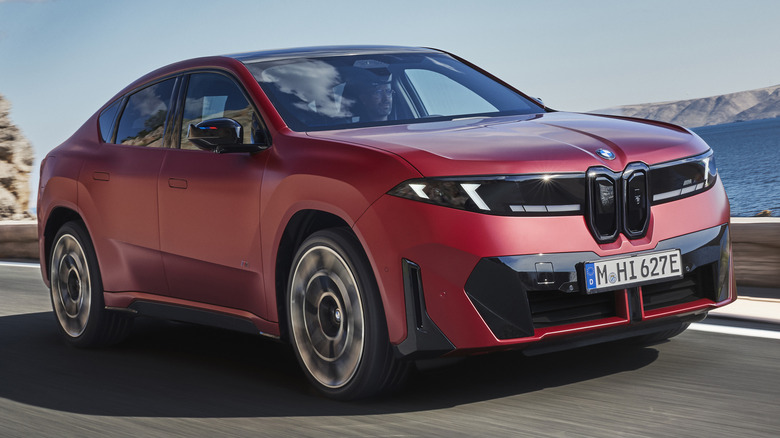
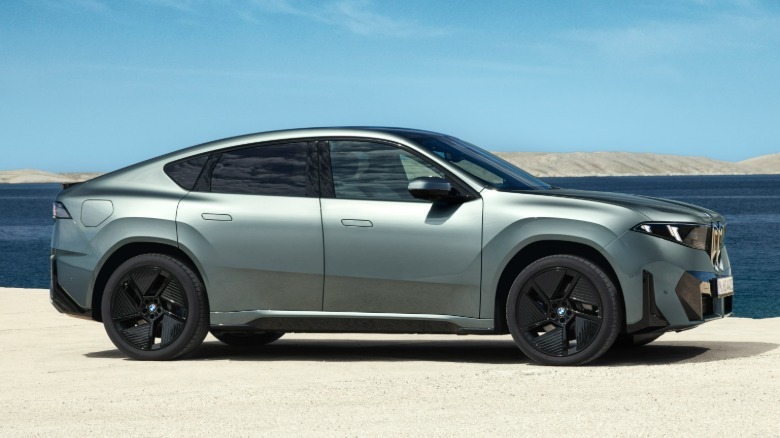
The 2027 iX4 is, without question, the most dramatic implementation of the coupe-SUV formula to date. While it shares the fundamental underpinnings, wheelbase, and width of the boxier iX3, the designers have worked tirelessly to distinguish the two.
The "main event" is the roofline. It is more aggressively raked than any of its predecessors, flowing seamlessly into a subtle, integrated decklid spoiler that replaces the bulky rear-window spoilers of the past. This isn’t merely for show; it is an exercise in wind-tunnel optimization. While the iX3 boasts a commendable drag coefficient of 0.23, the iX4 is expected to push that figure even lower, potentially squeezing additional miles out of the 112.2-kWh battery pack.
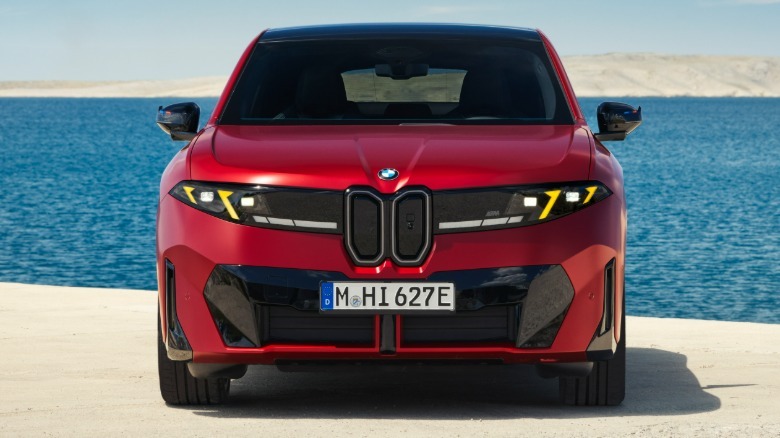
The front fascia retains the angular, forward-leaning stance characteristic of the Neue Klasse design language. For the performance-oriented M60 variant, BMW has introduced optional M Yellow Lights—a nod to the brand’s Le Mans racing heritage. When paired with the "Iconic Glow" illuminated grille, the iX4 commands a presence that is both futuristic and unmistakably BMW.
Technical Specifications: Power and Efficiency
Under the skin, the iX4 is a powerhouse of contemporary electric engineering. The launch variant, the iX4 50 xDrive, features a dual-motor configuration producing 463 horsepower and 475 lb-ft of torque. It is capable of hitting 60 mph in 4.7 seconds.
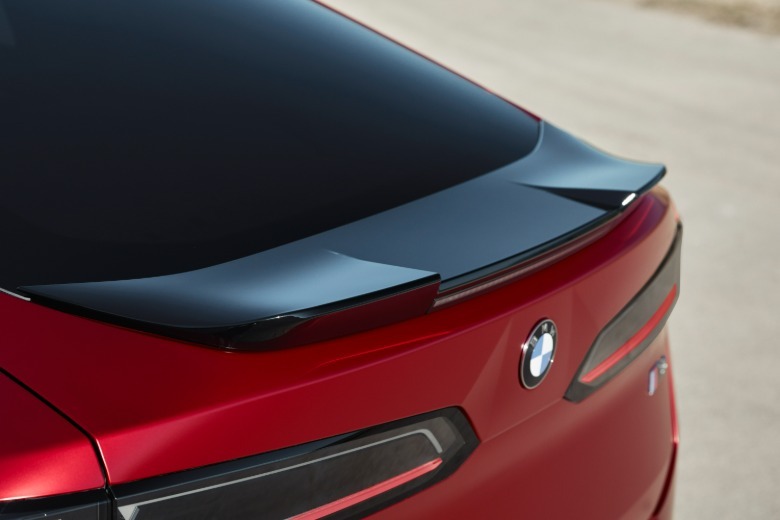
However, for the true performance enthusiast, the iX4 M60 is the headline act. By uprating the dual-motor powertrain, BMW has coaxed 603 horsepower and 645 lb-ft of torque from the system, resulting in a 0–60 mph sprint of just 3.9 seconds—placing it in the same territory as the current M3 Competition. With a top speed of 149 mph, it is clear that the "M" badge has lost none of its bite in the transition to electrons.
Charging and Range
Perhaps the most impressive aspect of the iX4 is its charging architecture. The 112.2-kWh battery is designed for rapid energy intake, supporting DC fast-charging at up to 400 kW. In practical terms, this means adding 184 miles of range in just 10 minutes of charging, or transitioning from 10% to 80% capacity in 21 minutes.
Regarding range, BMW’s internal estimates suggest that the iX4 50 xDrive will be capable of exceeding 420 miles on a single charge. Even when configured with aggressive 22-inch wheels and performance summer tires, the vehicle is expected to maintain a range north of 390 miles, effectively neutralizing "range anxiety" for the vast majority of luxury buyers.
Interior Experience and Practicality
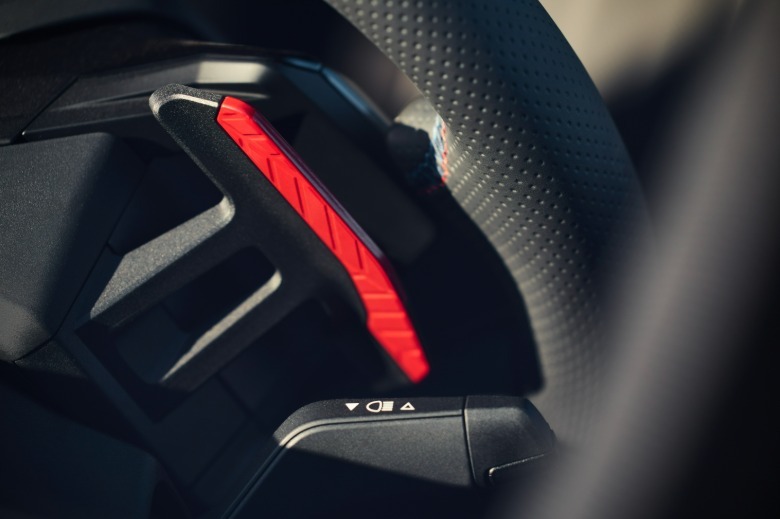
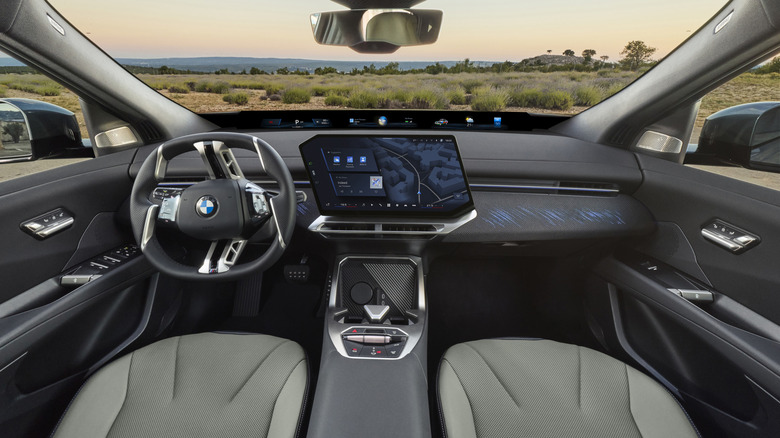
Step inside, and the iX4 mirrors the digital-forward environment of the iX3. The centerpiece is the panoramic vision display and the latest iteration of the iDrive system. While the tech is familiar, the color palettes offer a refreshing departure from the sea of black leather usually found in the segment.
The iX4 50 xDrive will offer the "Agave Green" interior, a sophisticated, earthy tone that perfectly complements the premium materials. For the M60, BMW focuses on sportiness, utilizing Veganza leatherette and M PerformTex inserts to keep weight down and grip high.
Critics have often pointed to the "coupe" roofline as a compromise for cargo space. While BMW has yet to release final volume figures, the absence of a transmission tunnel—made possible by the flat-floor electric platform—provides surprising legroom for rear passengers. While the trunk may lose some verticality compared to the iX3, the folding second row offers a flat, usable load floor that should satisfy the requirements of most users.
Strategic Implications: Why This Matters
The launch of the iX4 at a starting price of $66,200 (pre-destination) is a calculated strategic move. By pricing it at a premium over the iX3—but bundling the M Sport package as standard—BMW is effectively positioning the iX4 as the "style-forward" choice for the brand’s most loyal, design-conscious customers.
The decision to manufacture the iX4 at the Debrecen plant in Hungary indicates that BMW is streamlining its global production to focus on high-efficiency, high-automation facilities. This is critical for maintaining margins in an increasingly competitive EV market where legacy automakers are fighting to match the aggressive pricing of new entrants.
Furthermore, the existence of the iX4 confirms that BMW is not abandoning the "niche" segments that built its modern reputation. In an era where many brands are consolidating their lineups into a few generic SUVs, BMW’s insistence on offering a coupe-SUV, a traditional SUV, and even future electric two-door convertibles demonstrates a commitment to brand identity.
Conclusion
The 2027 BMW iX4 is a product of duality. It is an exercise in high-efficiency electric mobility, yet it clings to the aesthetic indulgence that defined the brand’s most successful, if polarizing, models. By successfully bridging the gap between the raw power of the M-division and the sustainability of the Neue Klasse platform, BMW has created a vehicle that proves "going electric" doesn’t have to mean giving up on personality.
Whether the iX4 will achieve the same sales success as its internal-combustion predecessors remains to be seen. However, given the current trajectory of the market, it is clear that for those who want their utility with a side of flair, the electric future is looking a lot more interesting. BMW isn’t just following the trend of electric crossovers; they are, once again, refining it into a shape that is uniquely their own.
