

"Bra bulge"—the accumulation of skin and tissue that gathers along the bra line—is a common aesthetic concern that affects individuals of all body types. While often viewed primarily as a cosmetic issue, its persistence can serve as a signal to re-evaluate one’s approach to physical fitness and functional movement.
Whether caused by the natural evolution of body composition or ill-fitting undergarments, the most effective way to address the area is by focusing on the underlying musculature of the upper back, shoulders, and chest. By strengthening these specific muscle groups, you can improve posture, increase metabolic rate, and build a firmer foundation.
Marshall Weber, a certified personal trainer and founder of Functional Idaho Gym, emphasizes that for those over 65, the focus should shift from immediate aesthetic results to long-term functional strength. "I’d prefer to see them develop their strength and work to increase the amount of weight over time rather than wanting to look good in a tank top right away," Weber notes. "How much change one will see will depend on the person, their preference, and how disciplined their nutrition and training is."
The Science of Body Composition and the Upper Back
To understand why "bra bulge" occurs, one must look at anatomy. The upper back is home to several critical muscle groups, including the rhomboids, latissimus dorsi, and the trapezius. When these muscles are underutilized or weak, the skin and fat in the surrounding area can appear more prominent.
Furthermore, as we age, our body composition naturally shifts. Muscle mass tends to decrease (a process known as sarcopenia) if not actively maintained through resistance training, while metabolic rate may slow. Consequently, the area around the shoulder blades and mid-back can become a common site for localized tissue storage.
Addressing the Root Causes
Before jumping into a workout routine, it is essential to distinguish between structural body changes and lifestyle factors. Often, "bra bulge" is exacerbated by:
- Poorly Fitting Undergarments: If a band is too tight, it will inevitably push soft tissue upward or downward, creating an artificial "bulge" that has nothing to do with muscle or fat.
- Sedentary Habits: Prolonged periods of sitting, particularly while hunched over a desk or phone, weaken the postural muscles of the back.
- Inadequate Resistance Training: Focusing solely on cardio may improve heart health but often neglects the muscular development necessary to "fill out" the back region.
Four Essential Exercises for Back Strengthening
According to Marshall Weber, incorporating targeted resistance training can significantly improve the tone and strength of the upper back. The following four exercises are foundational movements that require minimal equipment and can be performed at home.
1. Resistance Band Rows
The row is perhaps the most critical movement for the upper back. By pulling against resistance, you engage the lats and rhomboids, which are vital for drawing the shoulder blades together.
- Execution: Anchor a resistance band at chest height. Hold the handles with arms extended. Pull the handles toward your torso, squeezing your shoulder blades together at the peak of the movement. Slowly return to the starting position.
- Why it works: This movement directly counters the "slouch" associated with desk work, pulling the shoulders back and strengthening the entire posterior chain.
2. Wall Pushups
For those intimidated by floor-based pushups, the wall variation is an exceptional starting point that targets the chest and the serratus anterior (the muscles located along the ribcage under the armpits).
- Execution: Stand facing a wall, arms-length away. Place your palms flat against the wall at shoulder height. Lower your chest toward the wall by bending your elbows, then push back to the starting position.
- Why it works: By keeping the core tight, you engage the upper torso, helping to firm the area near the armpits that often contributes to the visual appearance of bra bulge.
3. Band Pull-Aparts
This is a small, controlled movement that pays massive dividends for posture. It isolates the rear deltoids and the upper back muscles.
- Execution: Stand with feet shoulder-width apart, holding a resistance band with both hands in front of you at chest height. Keeping your arms straight, pull the band apart until it touches your chest, squeezing your back muscles.
- Why it works: It is highly effective for "waking up" the muscles that are often dormant during the day, improving the structural integrity of the shoulder girdle.
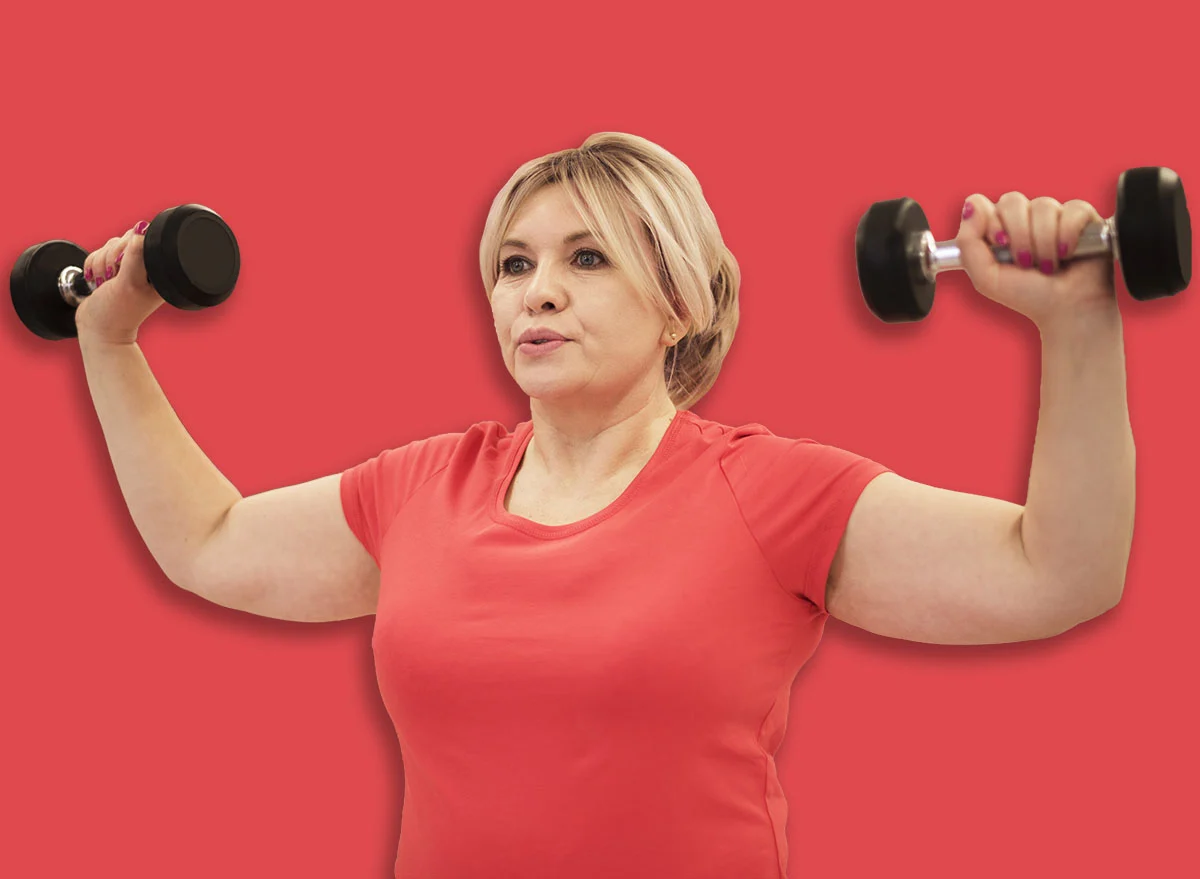
4. Shoulder Presses
Strong shoulders provide a lifting effect for the upper body, which can help balance the silhouette of the back and armpit area.
- Execution: Using dumbbells, start with the weights at shoulder height. Press the weights upward until your arms are fully extended overhead. Lower them back to the starting position with control.
- Why it works: By developing the deltoids, you build a more muscular upper frame, which can help skin appear tighter and more supported.
Chronology of Progress: What to Expect
If you are beginning a new routine, it is important to manage expectations regarding timelines.
- Weeks 1–4: Neuromuscular Adaptation. In the first month, you likely won’t see dramatic physical changes. Instead, your brain is learning how to recruit the muscles effectively. You may notice you feel "taller" or that your posture feels more natural.
- Weeks 5–8: Strength Gains. By the second month, you will likely be able to increase the resistance or the number of repetitions. You will start to feel the muscles working more efficiently during daily tasks.
- Months 3 and Beyond: Visible Compositional Changes. With consistent training and a focus on nutrient-dense, high-protein intake, the structural changes begin to manifest. The muscle tone becomes more visible, and the "softness" in the back area begins to firm up.
Supporting Data: The Importance of Consistency
Research consistently shows that resistance training is the most effective tool for combatting age-related fat accumulation. A study published in the Journal of Applied Physiology found that regular resistance training not only increases muscle mass but also improves metabolic function, helping the body burn calories more efficiently at rest.
Weber’s advice on consistency aligns with this data. "Training is not a sprint," he notes. "It is a lifestyle commitment. For those over 65, the goal is longevity and functional independence. When you train to be strong, the aesthetic benefits—like a leaner back—become a byproduct of your health, rather than the only goal."
Official Perspectives: Professional Training Guidelines
Professional trainers frequently point out that spot-reduction (trying to lose fat in one specific area) is a physiological myth. You cannot "burn" fat only from your back. Instead, you must focus on hypertrophy (muscle growth) and systemic fat loss through a combination of strength training and a balanced diet.
"If someone is looking to change their physique, I always tell them to look at the ‘big picture,’" says Weber. "Are you getting enough protein to repair the muscle? Are you sleeping enough? Are you moving your body in a way that challenges your muscles every single week? If the answer is yes, the changes will come."
Implications for Longevity
Beyond the aesthetic appeal of a toned back, these exercises carry significant implications for long-term health:
- Posture Correction: Strengthening the back muscles helps prevent the "hunchback" posture (kyphosis) that often occurs with aging.
- Injury Prevention: A strong upper back supports the neck and shoulders, reducing the likelihood of chronic pain in these areas.
- Metabolic Health: Maintaining muscle mass is one of the most effective ways to manage blood sugar and insulin sensitivity, which are vital for healthy aging.
Conclusion
The path to addressing "bra bulge" is not found in restrictive diets or quick-fix gadgets, but in the steady, intentional application of strength training. By incorporating resistance band rows, wall pushups, band pull-aparts, and shoulder presses into your daily life, you are doing more than just addressing a cosmetic concern—you are investing in the long-term health of your spine, shoulders, and metabolic system. As Marshall Weber reminds us, the most successful training programs are the ones that prioritize discipline, consistency, and the long-term goal of functional vitality.
