

As the golden years approach, the focus of physical fitness often shifts from high-intensity cardiovascular performance to the quiet, critical art of stability. While many older adults remain fixated on weight management or endurance, experts argue that there is no metric more vital to long-term independence than balance. Maintaining the ability to navigate your environment with confidence is the cornerstone of healthy aging, yet it is frequently the first aspect of physical health to be neglected.
According to data from the Centers for Disease Control and Prevention (CDC), the consequences of ignoring stability are severe: roughly one million older adults are hospitalized annually due to fall-related injuries. These incidents are not merely inconveniences; they represent a significant health crisis that can lead to debilitating outcomes, including hip fractures, traumatic brain injuries, and a permanent loss of mobility.
To address this growing concern, we sat down with Cara Bonney, a Master Instructor for Club Pilates, to explore how a targeted, consistent morning routine can fortify your body against the risks of aging.
The Silent Crisis: Understanding Why Stability Declines
The gradual erosion of balance as we age is rarely the result of a single factor. It is, instead, a confluence of physiological changes. As we transition through our 60s and beyond, several systems begin to decline:
- Muscular Atrophy: Without specific resistance training, muscle mass decreases, particularly in the core, glutes, and lower legs—the very areas responsible for keeping us upright.
- Sensory Changes: Shifts in depth perception and visual acuity make it harder to process spatial information, increasing the likelihood of misjudging a curb or a stair.
- Neurological Response: The communication between the brain and the peripheral nerves can slow, leading to a delayed reaction time when a trip or stumble occurs.
When these factors combine, the result is a precarious physical state where a simple stumble can escalate into a life-altering emergency. However, research suggests that stability is a trainable skill. Just as you would train a muscle to grow, you can train your nervous system to respond more effectively to the demands of daily movement.
The Expert Perspective: Cara Bonney on Targeted Training
Cara Bonney, an authority in the Pilates community, emphasizes that the key to longevity is "functional strength." Her approach moves beyond generic exercise, focusing on the specific muscle groups that stabilize the pelvis, knees, and ankles.
"For anyone who is looking for more than an at-home morning routine, Reformer Footwork works all of the lower body muscles in squat and calf raise positions supine while the abdominal muscles work to stabilize the back," Bonney explains. "Reformer Footwork is a safe position to build strength and endurance in the muscles used to walk."
Bonney notes that while home-based exercises are an excellent starting point, those looking to graduate to more advanced equipment will find that the resistance offered by Pilates reformers—specifically the use of springs—allows for a controlled, progressive overload that protects aging joints while simultaneously strengthening the surrounding musculature.
5 Morning Exercises to Enhance Stability
To help you regain your footing, we have curated a sequence of five exercises recommended by experts. These movements are designed to be performed safely at home to improve proprioception and lower-body strength.
1. Heel Raises
Heel raises target the calf muscles, which are crucial for the "push-off" phase of walking. Strengthening these muscles provides the explosive power needed to stabilize the ankle joint.
- How to perform: Stand tall with your feet hip-width apart. Hold onto a sturdy chair for support. Slowly rise onto the balls of your feet, hold for a count of two, and lower back down with control. Repeat for 10–15 repetitions.
2. Toe Raises
Often overlooked, the muscles on the front of your shins (the tibialis anterior) are essential for preventing "foot drop," a common cause of tripping.
- How to perform: Keep your heels planted firmly on the ground. Lift your toes and the front of your feet toward the ceiling, engaging your shins. Lower them back down. This movement acts as a counterbalance to heel raises, ensuring full-range stability in the lower leg.
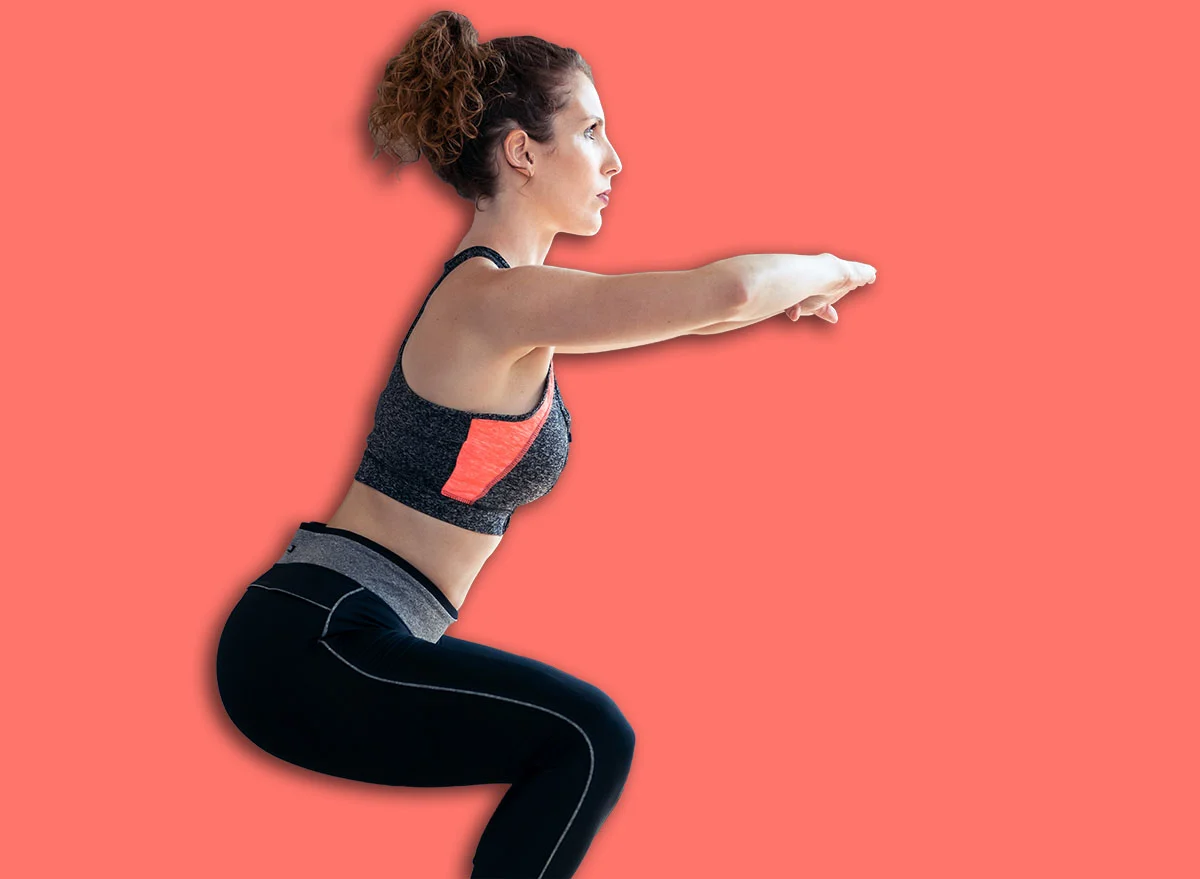
3. Bodyweight Squats
Squats are the "king" of functional movements. They mimic the act of sitting down and standing up from a chair—a daily movement that is essential for independence.
- How to perform: Stand in front of a chair. Lower your hips back and down as if you are about to sit, keeping your chest lifted and weight in your heels. Once your glutes tap the seat, stand back up using your legs. Avoid letting your knees cave inward.
4. Single-Leg Stand
This is the ultimate test of proprioception. It challenges your brain to coordinate the small muscles of the ankle and hip to keep you centered.
- How to perform: Stand near a wall or counter for safety. Lift one foot slightly off the floor. Try to hold the position for 10 to 30 seconds while maintaining a tall, neutral spine. Switch sides. The goal is to minimize swaying.
5. Side Leg Lifts
Side leg lifts target the gluteus medius, the muscle on the side of your hip. This muscle is the primary stabilizer of the pelvis when you are standing on one leg during the gait cycle.
- How to perform: Stand tall and hold a chair. Keeping your torso upright, lift one leg out to the side. Avoid leaning your body in the opposite direction. Lower the leg with control and repeat.
The Implications of a Consistent Routine
The decision to dedicate 15 minutes each morning to these exercises carries profound implications for your future. The objective is not to turn every senior into an athlete, but rather to ensure that the body retains the capacity to perform the "Activities of Daily Living" (ADLs).
When you strengthen the hips and ankles, you are essentially "fall-proofing" your life. Data suggests that individuals who engage in regular balance training report higher levels of confidence when walking in public spaces, navigating uneven terrain, or carrying groceries. This psychological confidence is just as important as the physical strength, as the "fear of falling" can often lead to a sedentary lifestyle, which in turn accelerates physical decline.
Beyond the Routine: Professional Tips for Progression
Once you have mastered the foundational movements, the journey does not end. Bonney suggests that incorporating resistance is the natural next step.
"Mat Pilates side-lying leg series also helps strengthen the muscles that support the pelvis while standing and walking," says Bonney. "On the Reformer, the load of the springs can be added to make these muscles even stronger to protect the hip and knees as we age."
For those who feel their home routine has become "easy," it is time to increase the challenge. This can be done by:
- Reducing support: Moving from holding onto a chair with two hands to one hand, and eventually to just hovering your fingers near the support.
- Introducing instability: Performing exercises on a slightly cushioned surface (like a yoga mat) to force the stabilizer muscles to work harder.
- Increasing volume: Moving from 10 repetitions to 20, or holding the single-leg stand for longer intervals.
Conclusion: Taking Control of Your Future
The narrative of aging is often written as one of inevitable decline, but this perspective is increasingly outdated. Through deliberate, expert-recommended exercise, you can maintain your physical agency well into your 70s, 80s, and beyond.
By integrating these five simple movements into your morning routine, you are doing more than just exercising—you are investing in your autonomy. Whether it is the ability to walk through a park, play with grandchildren, or navigate a crowded room with grace, the strength to do so begins with the very next step you take. Start today, stay consistent, and remember: stability is a lifelong practice, not a destination.
