

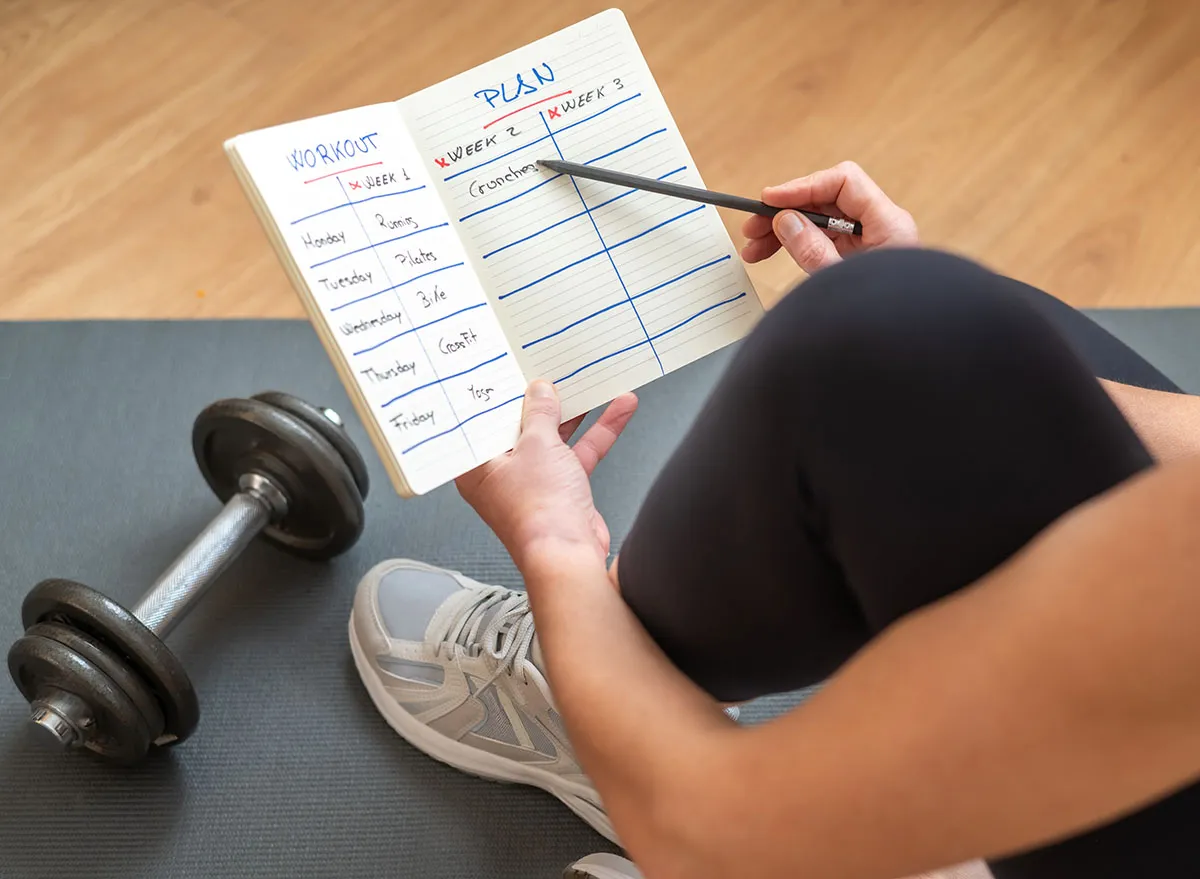
For many women, the milestone of turning 60 brings a unique set of physiological changes. Among the most frequently cited concerns—often mentioned by clients to personal trainers—is the development of "bat wings," or the loose skin and soft tissue that accumulates on the back of the upper arm. While often viewed as an inevitable cosmetic consequence of aging, experts argue that this phenomenon is primarily a functional issue related to muscle atrophy rather than a simple matter of skin elasticity.
Drawing from four decades of experience in the fitness industry, including 25 years at the helm of TRAINFITNESS, the UK’s premier fitness education institution, it is clear that the solution does not necessarily require a commercial gym membership or heavy, intimidating weight stacks. Instead, a targeted, three-move chair-based protocol can produce visible, firming results in as little as 21 days.
The Physiology of the "Bat Wing"
To understand how to reverse arm sagging, one must first understand why it occurs. The primary culprit is the tricep—the large muscle group located on the back of the upper arm. In the context of modern daily life, our movement patterns are heavily biased toward the biceps. Whether we are lifting groceries, carrying laundry, or picking up grandchildren, the front of the arm does the heavy lifting.
Because the triceps are rarely engaged with the same intensity as the biceps, they are among the first muscle groups to succumb to "disuse atrophy." When the underlying muscle shrinks, the skin that once sat flush against it loses its foundation. This creates a pocket of "empty space," resulting in the soft, wobbling appearance often referred to as bat wings.
Furthermore, after the age of 60, the body experiences a natural decline in muscle mass—a process known as sarcopenia. Without consistent resistance training, adults typically lose approximately one percent of their total muscle mass every year. This loss is disproportionately noticeable in smaller muscle groups like the triceps. When this is compounded by the cumulative effects of weight fluctuations over a lifetime, which stretch the skin’s collagen fibers, the result is the classic appearance of upper-arm sagging.
The Case for Chair-Based Training
The beauty of chair-based exercise lies in its accessibility and stability. For individuals in their 60s and 70s, traditional resistance training can sometimes be intimidating or physically risky if joints are sensitive. A chair provides a stable platform that isolates the triceps without requiring the core or shoulders to stabilize the body in space.

By removing the need for intense balance, the arms can handle a higher "load" than they could during standard standing exercises. This loading is precisely what triggers hypertrophy—the growth of muscle fibers. Additionally, the chair allows for precise control over the range of motion, which is essential for protecting the elbows and wrists, joints that often become more sensitive with age.
A 21-Day Transformation Protocol
Consistency is the single greatest predictor of success in any fitness endeavor. This 21-day program is designed to be integrated into a daily routine, requiring only 10 minutes, a sturdy chair, and a pair of water bottles (or light dumbbells).
The Three Core Movements
1. The Chair Tricep Dip
This is the gold standard for back-of-arm engagement. It uses a portion of your body weight as resistance, which is significantly more effective than light weights alone.
- Execution: Sit on the edge of a sturdy chair with your feet flat on the floor. Place your hands on the edge of the seat beside your hips. Slide your hips off the chair, supporting your weight with your arms. Lower your body slowly by bending your elbows, then push back up using only the strength of your triceps.
- Key Tip: Keep your back close to the chair to minimize shoulder strain.
2. Seated Overhead Tricep Extension
This exercise targets the "long head" of the tricep, which provides the arm with its structural shape.
- Execution: Sit tall in the chair. Hold a water bottle in both hands, extend your arms straight up toward the ceiling, and lower the weight behind your head by bending only at the elbows. Extend back to the starting position.
- Key Tip: Ensure your elbows remain pointed forward, rather than flaring out to the sides.
3. Seated Bent-Over Rear Raise
This movement targets the rear deltoids and the upper back, creating a firm transition between the shoulder and the arm.
- Execution: Sit on the edge of the chair, hinge forward at the hips with a flat back. Hold a water bottle in each hand, hanging toward the floor. With a slight bend in your elbows, lift your arms out to the side until they are in line with your shoulders.
- Key Tip: Focus on squeezing the shoulder blades together at the top of the movement.
Chronology of Progress: What to Expect
A common pitfall in fitness is expecting immediate aesthetic changes. However, the internal physiological process begins long before the reflection changes.
- Days 1–7: The Activation Phase. During the first week, the goal is to build movement patterns and "wake up" the nervous system. You may feel a slight tightness in the arms. This is not injury; it is the feeling of dormant muscles finally being recruited for work.
- Days 8–14: The Strengthening Phase. By the second week, the muscles begin to hold more tension. The mirror will start to reflect the progress as the muscle fills the empty space beneath the skin. The underside of the arm will feel less "empty" and the wobble during movement will decrease.
- Days 15–21: The Contouring Phase. By the end of the third week, the cumulative effect of the training becomes visible. While the skin may not have perfectly adapted to the new muscle volume yet, the silhouette of the arm is undeniably firmer and more defined.
Implications for Longevity
While the aesthetic improvement is the primary motivator for many, the implications for overall health are significant. Training the triceps is not just about vanity; it is about functional independence. The triceps are essential for pushing movements—the very movements required to stand up from a chair, push open a heavy door, or stabilize oneself during a trip or fall.
By reversing the atrophy in the upper arms, women over 60 are effectively improving their functional mobility. The muscle tissue built during these 21 days acts as a metabolic engine; muscle is more metabolically active than fat, meaning you are increasing your resting metabolic rate even while sitting still.
Official Perspectives and Professional Guidance
Fitness professionals emphasize that while this 21-day routine is a catalyst, the journey should continue. "Twenty-one days is where the routine proves itself," experts note. "The next three months are where the arms genuinely change."
To ensure long-term success, practitioners recommend a gradual increase in intensity. Once the 21-day period is complete, individuals should not stop, but rather move into a maintenance phase. This involves either increasing the weight of the water bottles, adding a third set to each exercise, or manipulating the "tempo"—the speed at which you lower the weight. A slower, three-second lowering phase creates more time under tension, which is a proven catalyst for muscle growth.
Final Recommendations for Success
To maximize the efficacy of this program, keep the following guidelines in mind:
- Hydration and Nutrition: Muscle tissue requires protein to repair and grow. Ensure you are consuming adequate protein throughout the day.
- Rest Days: While the routine is performed six days a week, the seventh day of rest is vital for tissue recovery.
- Safety First: If you experience sharp pain (different from the dull "burn" of muscle fatigue), cease the exercise immediately and adjust your angle or range of motion.
The transition to a firmer, more resilient body after 60 is entirely within reach. By moving away from the belief that aging is synonymous with physical decline, and instead embracing consistent, load-bearing movement, the "bat wing" concern can be effectively managed—transforming not just the appearance of your arms, but your overall functional strength and confidence.
