

The landscape of the global automotive industry is undergoing a seismic shift, with China’s domestic market serving as the epicenter of innovation, aggressive pricing, and rapid-fire production cycles. While Chinese manufacturers have successfully democratized electric vehicle (EV) technology—offering feature-rich platforms at fractions of the cost of their Western counterparts—a recent discovery has cast a long shadow over this rapid progress.
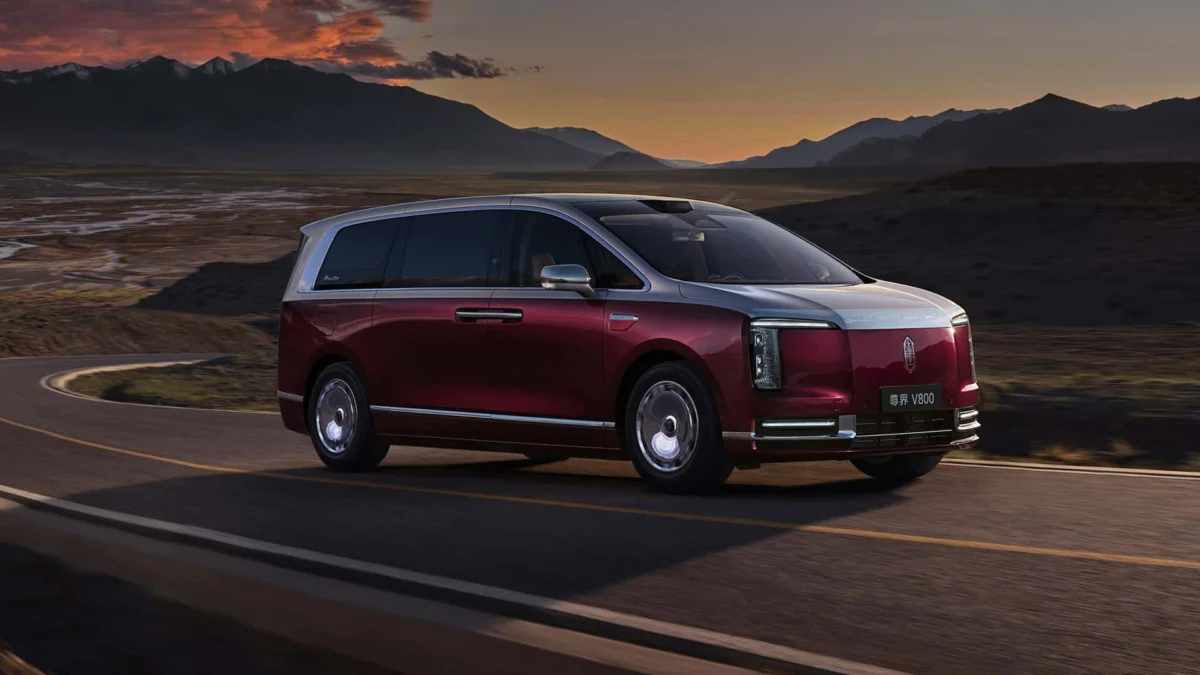
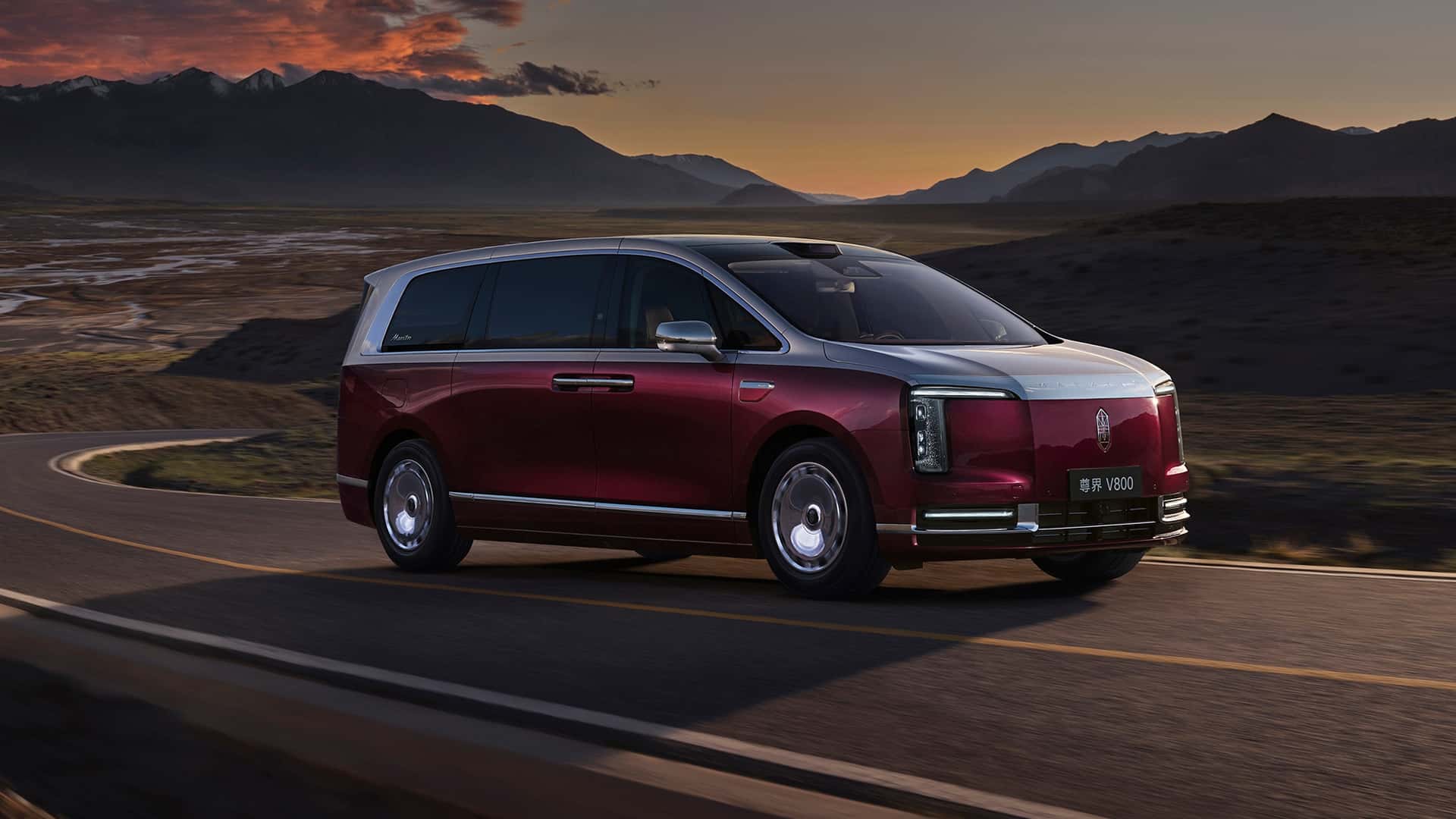
The Maextro V800, a high-end, ultra-luxury minivan marketed as the pinnacle of Chinese automotive engineering, has become the subject of intense safety scrutiny. Despite its $150,000 price tag and a suite of "space-age" amenities, the vehicle has demonstrated a fundamental, potentially catastrophic mechanical flaw: the catastrophic failure of its brake pedal bracket during emergency maneuvers.
The Anatomy of the Failure
In the world of modern vehicle manufacturing, the brake pedal is a component that should, by definition, be foolproof. It is the primary interface between the driver’s intent and the vehicle’s kinetic energy management. However, recent independent testing conducted by Dongchedi has unveiled a concerning vulnerability in the Maextro V800.
During controlled stress tests simulating emergency braking scenarios at 62 mph (100 km/h), the vehicle’s brake pedal bracket failed repeatedly. This was not an isolated incident; three separate test units experienced the same structural compromise. It is important to clarify that the pedal itself—the physical pad under the driver’s foot—remained intact. The failure occurred at the bracket, the pivot point assembly that anchors the pedal to the firewall and the braking system’s master cylinder actuator.
The culprit appears to be a design choice involving the materials and geometry of the mount. Constructed from polypropylene reinforced with 40% glass fiber, the bracket is a common component in modern automotive manufacturing due to its weight-saving properties and cost-effectiveness. However, the engineering team behind the Maextro V800 opted for a design that lacks sufficient reinforcement. Furthermore, the distance between the pivot point and the center of the brake pedal is approximately 5.1 inches (130 mm). This creates a significant lever arm, exerting immense torque on the mounting bracket during the rapid, high-pressure input required for an emergency stop.
A Chronology of the Discovery
The scrutiny began when automotive journalists and safety auditors at Dongchedi subjected the V800 to a rigorous suite of performance tests. While the vehicle is designed to compete with the likes of top-tier luxury models from European and American heritage brands, the testing process revealed a disparity between its high-tech cabin and its structural mechanical integrity.
Following the initial reports, the news rippled through the Chinese automotive sector, eventually being picked up by CarNewsChina. The technical breakdown of why the bracket failed—specifically the lack of structural reinforcement in relation to the pedal’s long pivot distance—turned the conversation from a minor manufacturing quirk into a significant safety debate.
As of late 2026, the industry is closely monitoring whether this mechanical failure will lead to a broader recall or if the manufacturer’s proposed "optimization" will suffice to satisfy regulatory bodies and, more importantly, public trust.
Engineering and Design: When Luxury Masks Fundamental Flaws
The Maextro V800 is a masterclass in interior decadence. It is designed to be a "living room on wheels," packed with an array of features that redefine what a consumer expects from a minivan. Its specifications list includes:
- Steer-by-wire technology: Eliminating physical linkages for a more precise, software-defined driving experience.
- Lifestyle amenities: A built-in coffee machine for passengers, a 41.6-inch retractable projector screen for mobile cinema, and a 41-speaker audio system.
- Convenience: Gesture-operated windows and a highly automated cabin environment.
- Performance: An extended-range electric powertrain featuring a CATL-sourced 65-kWh battery, powering a dual-motor setup that generates 523 horsepower (390 kW).
Yet, these high-end features stand in stark contrast to the basic failure of the brake assembly. This raises a pressing question for the industry: Is the race to pack more technology into EVs causing manufacturers to overlook the "basics" of automotive safety? When an automaker prioritizes a 41-speaker sound system and gesture-controlled windows, the failure of a structural mounting bracket for the most critical safety system—the brakes—suggests a potential misalignment in engineering priorities.
The Manufacturer’s Response and Damage Control
In the wake of the public disclosure, Maextro issued a formal statement addressing the situation. The company maintains that it has no documented cases of the brake pedal bracket failing in vehicles currently in the hands of customers.
"We are aware of the findings during independent testing," a company spokesperson noted. "While we have not observed similar failures in real-world driving conditions with our customer base, we take all reports of safety-related concerns seriously."
To mitigate the fallout, Maextro has pledged to "optimize" the design of the bracket. The company has announced that it will offer a free upgrade to all existing owners to replace the current bracket with a reinforced version. While this proactive approach is intended to restore confidence, the mere existence of the defect has forced a conversation about the quality control standards currently applied to premium-segment EVs in China.
Implications for the Global EV Market
The Maextro V800 incident is not just about a faulty bracket; it is a microcosm of the growing pains faced by the Chinese automotive industry as it transitions from a domestic powerhouse to a global contender.
1. The Quality vs. Feature Paradox
Consumers are often drawn to Chinese EVs because of their "well-packaged, fully featured" nature at a lower price point. However, the V800 case highlights that there is a threshold where cost-cutting or weight-saving measures on structural components can reach a dangerous tipping point. As these brands look to expand into European and North American markets, where regulatory safety standards are among the strictest in the world, such failures could prove fatal to their expansion ambitions.
2. The Role of Independent Media
The fact that this issue was caught by independent journalists rather than internal safety audits underscores the importance of a robust, transparent automotive press. By simulating real-world emergencies, these journalists provided a service that not only highlighted a defect but forced the manufacturer to take corrective action before any potential accidents occurred.
3. The Future of "Luxury"
The term "luxury" in the automotive world has historically been defined by build quality, mechanical refinement, and longevity. If a $150,000 vehicle is plagued by component failures that would be considered amateurish on an entry-level economy car, the brand identity of the manufacturer will inevitably suffer. The Maextro V800, despite its impressive technical specs, now faces the challenge of rehabilitating its reputation as a safe, reliable luxury carrier.
Conclusion: Lessons for an Electrified Future
The Maextro V800 serves as a sobering reminder that regardless of how much software, luxury, and raw power is packed into an electric vehicle, the fundamental physics of stopping a heavy machine remains the most important safety metric of all.
The industry’s push toward electrification is impressive, and the value proposition of modern EVs is undeniable. However, as manufacturers push the boundaries of what is possible, they must ensure that the foundational engineering—the mechanical architecture that keeps occupants safe—is never sacrificed for the sake of interior gimmicks or weight-saving metrics.
For the owners of the Maextro V800, the upcoming bracket replacement will be a necessary step in ensuring their high-tech minivans are as safe as they are luxurious. For the broader industry, it is a wake-up call: in the race to define the future of mobility, the basics of safety must remain the non-negotiable priority. As we look toward the vehicles of 2026 and beyond, the expectation from the market is clear: the car of the future should be innovative, but it must, above all else, be capable of stopping when it counts.
