

In an automotive landscape currently dominated by sky-high MSRPs and the "EV premium," Volkswagen has dropped a bombshell that threatens to upend the market’s perception of affordability. SAIC Volkswagen, the German automaker’s Chinese joint venture, has officially opened preorders for the new ID. Era 5S, a plug-in hybrid (PHEV) sedan that boasts a starting price of just 115,900 yuan—approximately $17,175 USD.
While the vehicle is currently slated for the Chinese market, the sheer audacity of its pricing has sent ripples through the global automotive industry. By offering a technologically dense, feature-rich sedan at a price point that barely covers the cost of a budget subcompact in the United States, Volkswagen is effectively highlighting the growing disparity between domestic EV pricing and the aggressive, high-value strategies being deployed in Asia.
Main Facts: A New Benchmark for Value
The ID. Era 5S is not a stripped-down “compliance car.” Despite its sub-$18,000 entry point, it arrives with a powertrain and feature set that challenges vehicles costing nearly double its price.
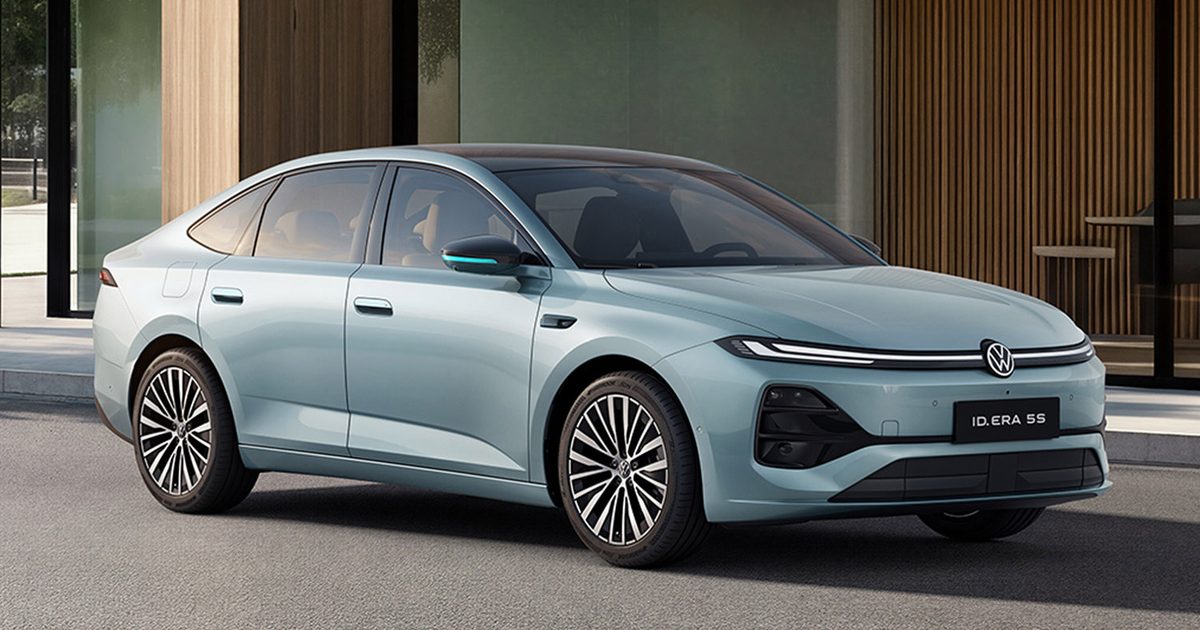
Under the hood, the ID. Era 5S utilizes a sophisticated plug-in hybrid drivetrain. It pairs a 1.5-liter internal combustion engine with a 130kW electric motor and a 19.1kWh lithium iron phosphate (LFP) battery pack. This combination grants the vehicle an impressive electric-only range of 160 kilometers (roughly 99 miles) under the CLTC test cycle.
The tiered pricing structure further cements its value proposition:
- Introductory Model: ~$17,175
- Pure Trim: ~$17,770
- Range-Topping Max Trim: ~$22,215
To understand the scale of this pricing, one must look at the current U.S. landscape. The 2027 Chevrolet Bolt, often touted as a benchmark for American EV affordability, carries an MSRP of $28,995. Even the Nissan Leaf, a veteran of the electric space, starts at $29,990 before destination fees. The ID. Era 5S, at its most expensive trim, remains over $6,000 cheaper than the entry-level price of the most accessible EVs in the United States.
Chronology: The Road to the ID. Era 5S
The development of the ID. Era 5S represents a strategic pivot for SAIC Volkswagen, which has been under pressure to reclaim market share in an increasingly competitive Chinese sector.
Early 2026: Rumors of a "value-focused" sedan began circulating in trade publications, suggesting that Volkswagen was preparing a response to the rapid rise of local Chinese competitors who were undercutting legacy manufacturers on price.
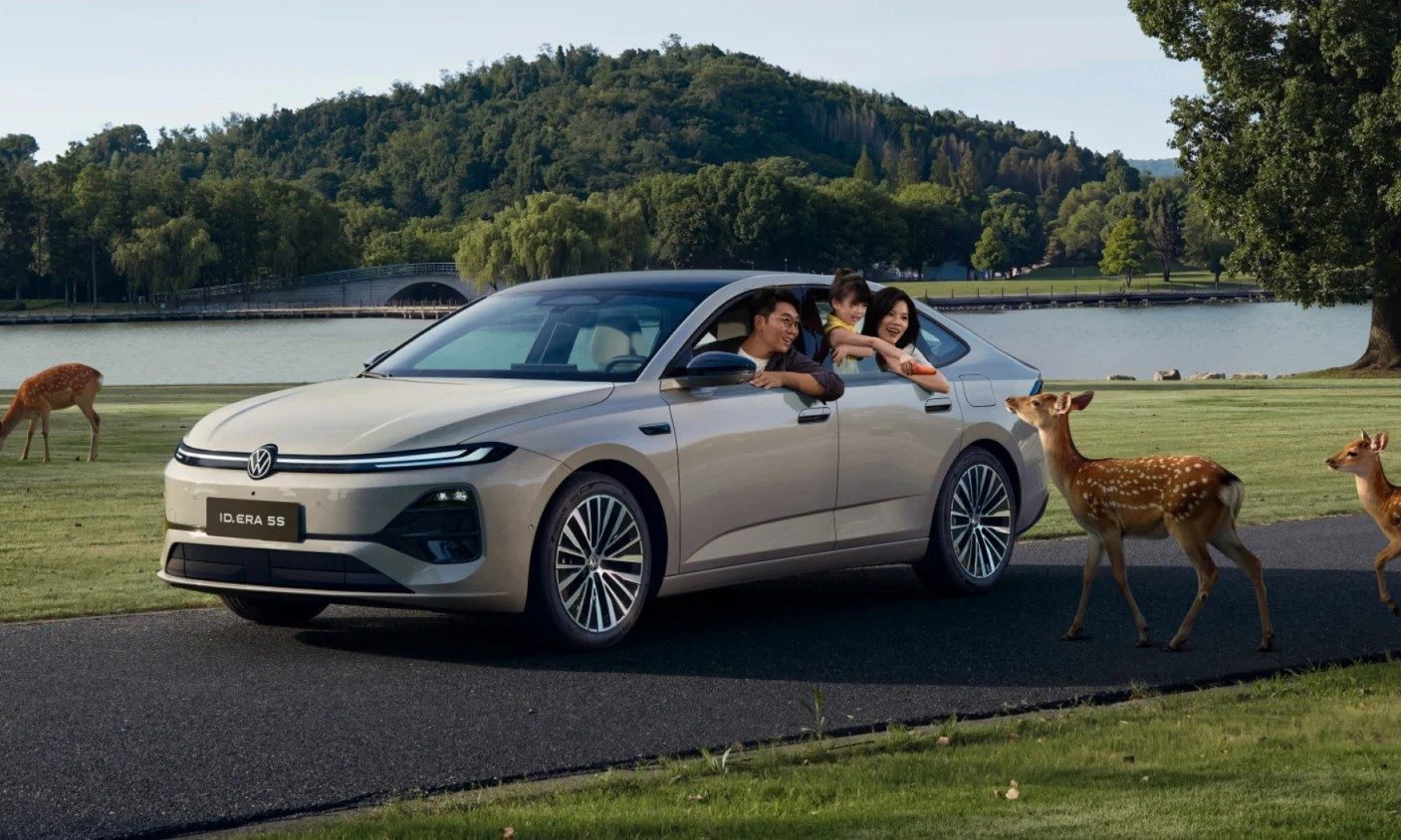
Mid-2026: The design language of the ID. Era 5S was teased, showing a sleek, modern sedan that eschewed the boxy aesthetic of traditional entry-level commuters. The focus shifted toward aerodynamic efficiency to maximize the potential of the hybrid powertrain.
August 21, 2026: The official market launch in China. Volkswagen opened the order books, confirming that the vehicle would be available in three distinct trims. The aggressive pricing strategy was immediately labeled as a "limited-time" offer, signaling a desire to capture early market share and force a re-evaluation of how much technology a consumer should expect for under $20,000.
Supporting Data: More Than Just a Price Tag
Critics might argue that a low price point necessitates a lack of creature comforts, but the interior of the ID. Era 5S contradicts that narrative. Volkswagen has equipped the sedan with an array of features that would typically be relegated to premium luxury segments.
Interior and Infotainment
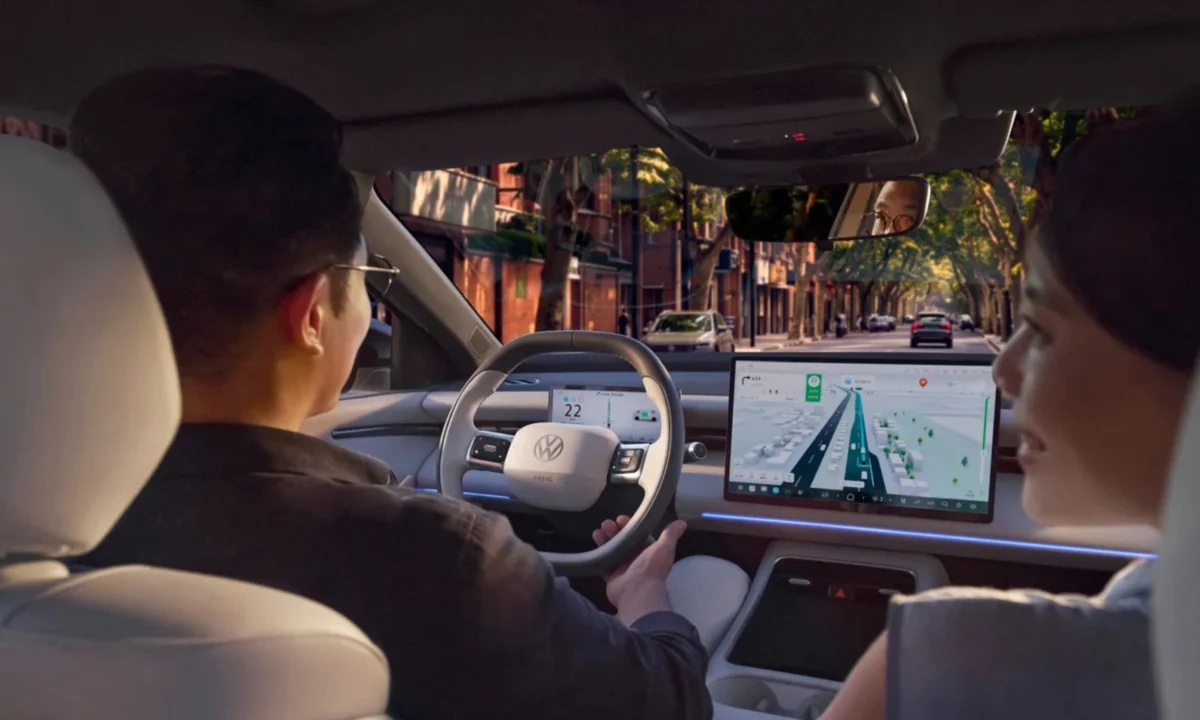
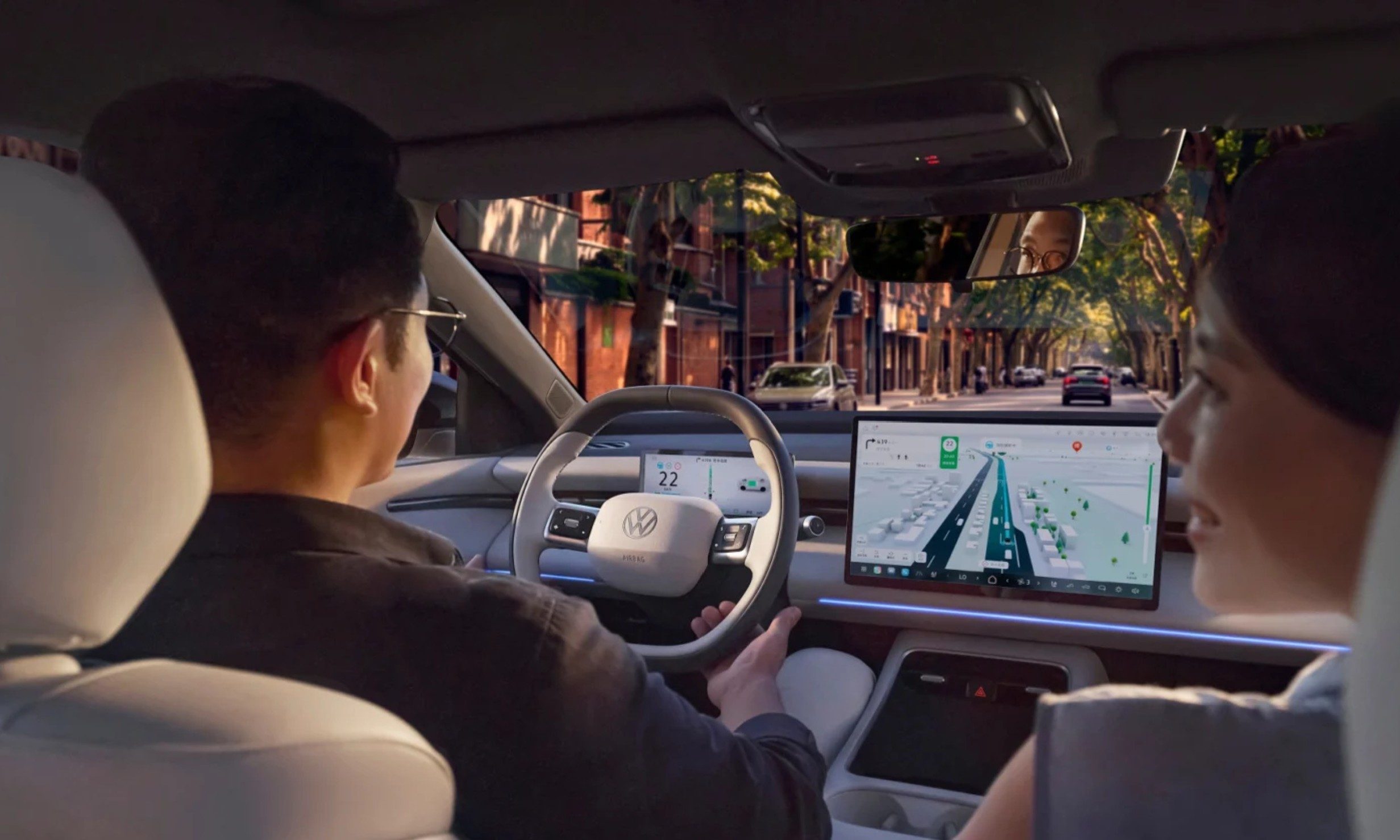
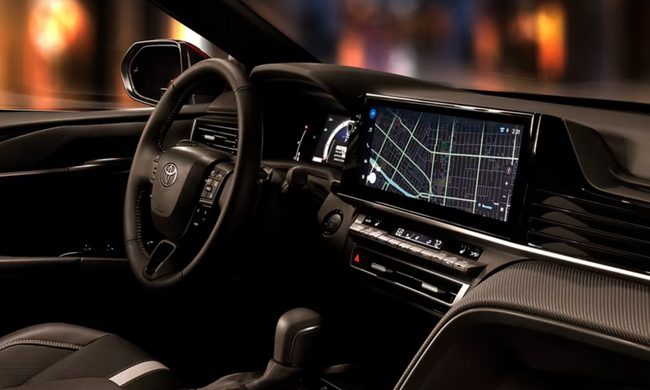
The centerpiece of the cabin is a 15.6-inch high-definition touchscreen, complemented by an 8.8-inch digital instrument cluster. Connectivity is robust, featuring standard Apple CarPlay and wireless smartphone charging. The seating is perhaps the most surprising addition: the front seats are not only heated but ventilated and equipped with a 10-point massage function. Even rear-seat passengers receive the benefit of heating, a rarity in the sub-$20,000 segment.

Driver Assistance Systems (ADAS)
Volkswagen has integrated a sophisticated suite of driver-assistance technologies into the ID. Era 5S. It marks the company’s first sedan to feature "Navigate on Autopilot" capabilities for both urban roads and highways. While this remains a Level 2 autonomous system—meaning the driver must maintain constant supervision—it includes advanced parking features that are highly sought after in dense urban environments:
- Automatic Parking: Identifying and maneuvering into tight spaces without human input.
- Remote Parking: Allowing the user to move the car in or out of a spot via a smartphone app.
- Cross-Floor Memory Parking: A high-end feature that enables the vehicle to "remember" a path through a parking garage to a designated spot.
Implications for the Global Market
The existence of the ID. Era 5S poses a significant philosophical question for automakers in the West: Is the high cost of EVs in America a reflection of genuine manufacturing constraints, or is it a symptom of a market that has yet to face true price-based competition?
The "Affordability Gap"
In the United States, the average transaction price for a new vehicle has climbed consistently over the last five years. While government incentives like the federal tax credit attempt to bridge this gap, they do not lower the "sticker price" of the vehicle itself. The ID. Era 5S shows that by leveraging localized manufacturing and efficient hybrid architectures, it is possible to deliver a high-tech experience at a price that is accessible to the working class.
Impact on Domestic Manufacturers
For companies like General Motors and Nissan, the ID. Era 5S is a cautionary tale. If a legacy brand like Volkswagen can produce a car this capable for $17,000, consumer expectations will inevitably shift. If Western markets continue to see entry-level EVs hovering near the $30,000 mark, there will be increasing pressure on domestic manufacturers to find similar economies of scale or risk losing a significant portion of the entry-level demographic.
The Role of Hybrids
The ID. Era 5S also reignites the debate over the role of Plug-in Hybrids (PHEVs) in the transition to full electrification. By providing 99 miles of pure electric range, the ID. Era 5S satisfies the daily commute needs of most urban drivers while removing "range anxiety" via the 1.5-liter gas engine. For many, this "best of both worlds" approach may prove more practical—and more affordable—than the current generation of full battery electric vehicles (BEVs).
Official Responses and Future Outlook
While Volkswagen has not announced plans to bring the ID. Era 5S to the North American or European markets, the internal conversation within the company is undoubtedly shifting. Sources close to the manufacturer suggest that the success of the ID. Era 5S will serve as a pilot program for "value-segment" engineering.
"Our goal is to ensure that the ID. series remains relevant across all economic brackets," an internal spokesperson noted during the launch. "The ID. Era 5S demonstrates that efficiency and luxury do not have to be mutually exclusive with affordability."
As the automotive world watches the August 21 launch, the industry will be closely monitoring the sales volume and the reaction of competitors. If the ID. Era 5S sells in the volumes expected, it could force a massive realignment in how global automakers price their entry-level fleets.
In conclusion, the ID. Era 5S is more than just a new model release; it is a structural challenge to the current automotive economic model. By packing high-level tech, comfortable interiors, and a versatile, long-range hybrid powertrain into a $17,000 package, Volkswagen has set a new, daunting benchmark. Whether this level of value will ever cross the Pacific remains the biggest question in the auto world, but the message is clear: the era of the expensive, entry-level EV may be coming to an end.
