

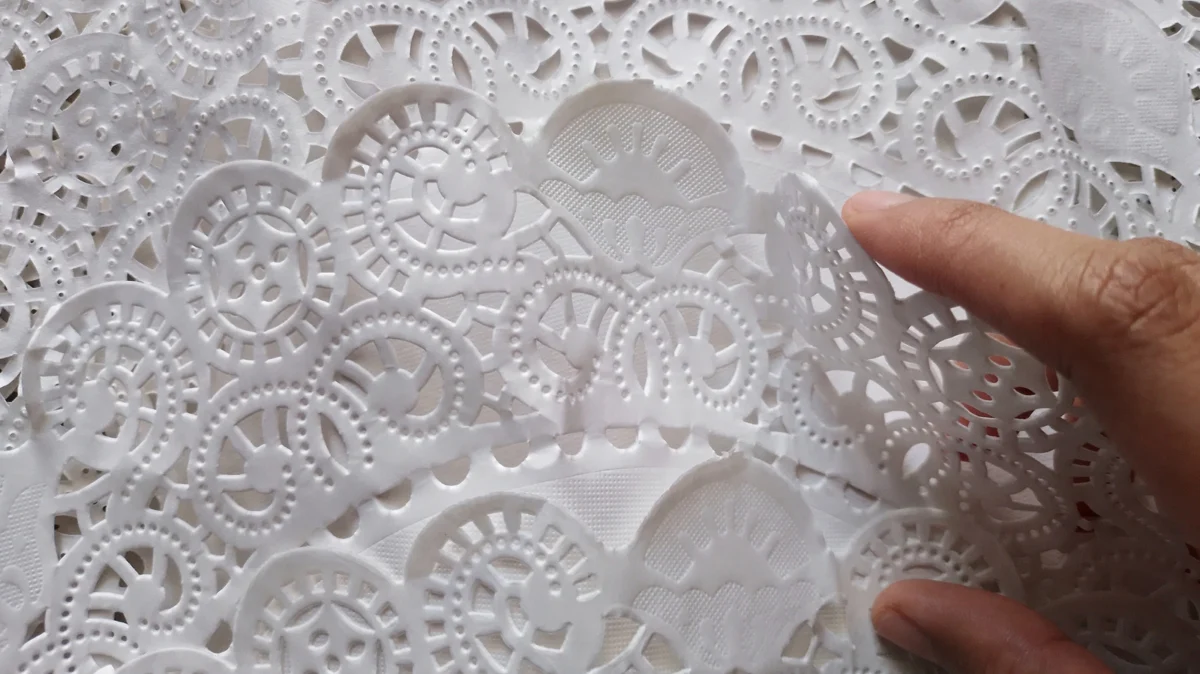
The allure of vintage decor lies in its ability to tell a story—to suggest a history of elegance and craftsmanship that mass-produced modern items simply cannot replicate. Among the most quintessential elements of this aesthetic are lace and paper doilies. Once the staple of Victorian-era parlors and mid-century dining tables, these delicate items are experiencing a resurgence in interior design. However, collectors and DIY enthusiasts often face a dilemma: pristine white doilies can appear stark against weathered furniture, while aged doilies may bear unsightly, uneven stains.
The solution, surprisingly, resides in your morning caffeine routine. Using coffee as a natural dye is a time-honored technique for achieving a sophisticated "antique" patina. This guide explores the intersection of history, chemistry, and interior design, providing a comprehensive look at how to master the art of coffee-staining for your home decor projects.
The Main Facts: Why Coffee is the Ultimate Aging Agent
Coffee staining—often referred to in textile circles as "tea or coffee dyeing"—is a form of natural pigment application. Because coffee contains tannins and natural oils, it acts as a permanent stain on porous materials like cotton lace, linen, and cellulose-based paper.
For the modern decorator, this process offers three distinct advantages:
- Uniformity: It allows you to mask existing, distracting stains on vintage finds, providing a clean, consistent earthy hue.
- Cohesion: It softens the bright, "factory-white" appearance of new doilies, allowing them to blend seamlessly with rustic, farmhouse, or Victorian decor themes.
- Sustainability: Unlike synthetic fabric dyes, coffee is non-toxic, readily available, and requires no specialized chemical disposal, making it an eco-friendly choice for the home crafter.
A Chronological Guide to the Coffee-Staining Process
To achieve professional-grade results, the process must be approached with patience. While the concept is simple, the execution varies depending on whether you are working with fabric or paper.
Phase 1: Preparation and Assessment
Before introducing liquid to your materials, inspect each piece. If you are working with vintage fabric doilies, gently brush away dust or debris. If the lace is extremely fragile or shows signs of "dry rot" (where the fibers crumble to the touch), be aware that any liquid application may accelerate its breakdown. For those looking to source new pieces, estate sales and specialty antique shops remain the gold standard for high-quality, authentic lace.
Phase 2: The Brewing Process
The intensity of your "vintage" look depends entirely on the strength of your brew.
- The Light Wash: A standard drip coffee or a weak instant coffee solution will yield a delicate cream or "ecru" color.
- The Deep Patina: For a dark, rich antique look, use a French press or an espresso machine to create a highly concentrated brew.
- Pro Tip: Regardless of the method, ensure the coffee is strained of all grounds to prevent uneven spotting on the delicate fibers.
Phase 3: The Soaking (Fabric vs. Paper)
- For Fabric Doilies: Rinse the items in warm water first. This opens the fibers and ensures the dye absorbs evenly. Submerge them in your container of coffee. The duration of the soak is subjective; 10 to 15 minutes will produce a subtle shift, while an overnight soak will result in a deep, tobacco-colored vintage finish.
- For Paper Doilies: Exercise extreme caution. Paper is highly susceptible to tearing when saturated. Do not leave paper doilies in a bath. Instead, dip them briefly, then lay them flat on a non-porous surface or a clean towel to dry. Alternatively, use a soft-bristled brush to "paint" the coffee onto the surface for better control.
Supporting Data: The Chemistry of Natural Dyeing
The effectiveness of coffee as a dye is rooted in the presence of tannins—naturally occurring polyphenols found in coffee beans. When applied to cellulose fibers (cotton, linen, or paper), these tannins bind to the molecular structure of the material.
While synthetic dyes are designed to be lightfast and wash-resistant, coffee-dyed items possess a more organic lifespan. Data from textile conservation suggests that natural tannin dyes will gradually lighten over several years, especially if exposed to direct sunlight. This is not necessarily a drawback; many decorators find that the shifting hues of a coffee-dyed piece add to its "living" character. Furthermore, because coffee is acidic, it is generally safe for cotton and linen, though users should ensure that the fabric is thoroughly rinsed and dried to prevent any potential long-term degradation of the fiber structure.
Official Perspectives: The Interior Designer’s View
Designers specializing in the "Cottagecore" and "Vintage Revival" movements often utilize these techniques to create depth in a room. According to leading home decor curators, the "pristine look" of modern manufactured goods can often make a room feel cold or sterile.
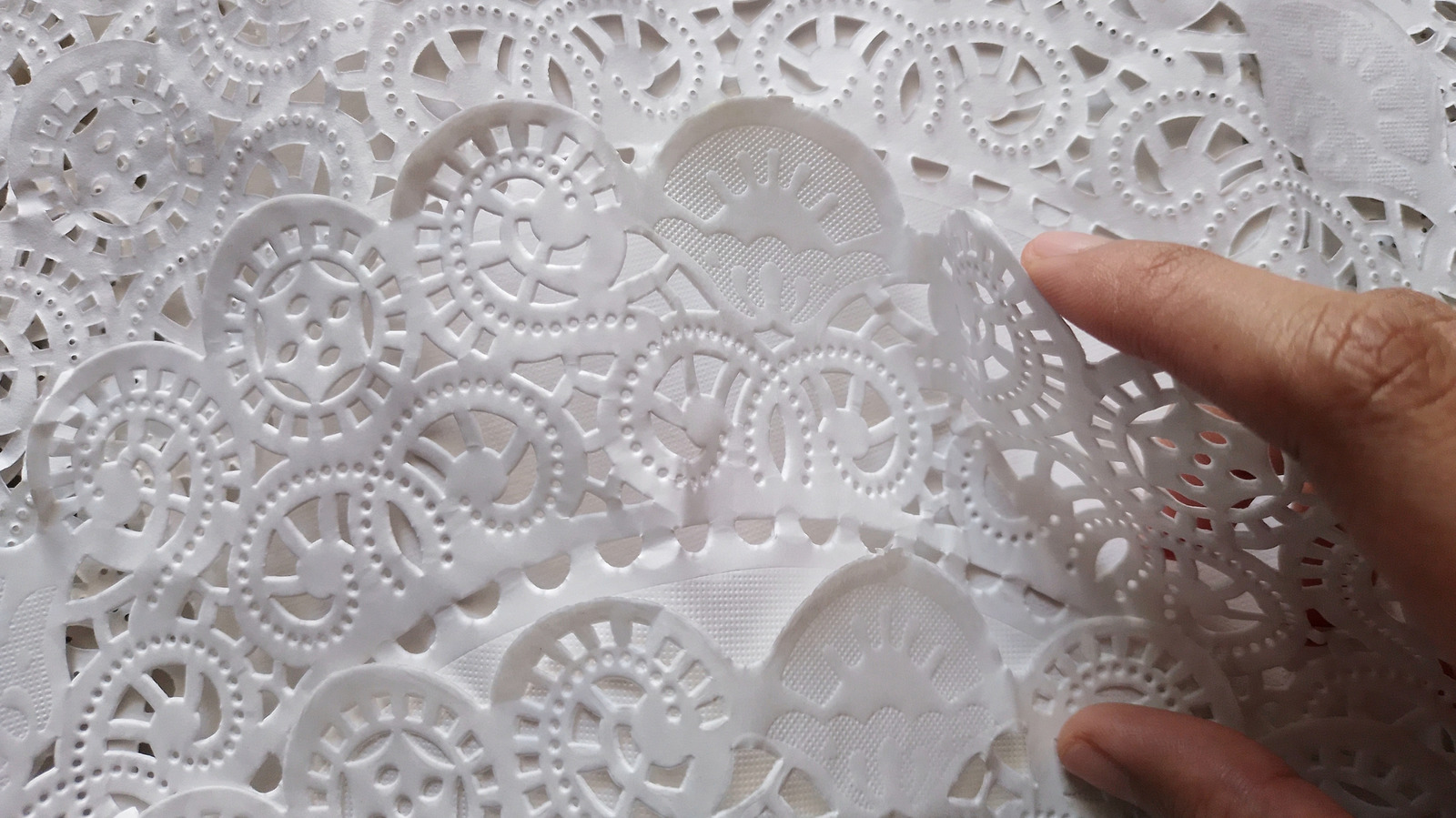
"The goal of using vintage elements is to evoke a sense of comfort and history," says one industry expert. "By coffee-staining a brand-new lace doily, you are essentially ‘pre-aging’ it so that it feels like an heirloom rather than a department store purchase. It’s about creating a narrative in the space."
However, designers caution that balance is key. Over-staining can lead to a "dirty" look rather than a "vintage" one. The advice is to always start with a weaker solution and add layers if necessary, rather than aiming for the darkest possible shade in a single attempt.
Implications for Your Home Decor Projects
Repurposing your newly dyed doilies opens a world of creative potential that extends far beyond the traditional tabletop setting. Once your doilies have achieved the desired patina, consider these applications:
Wall Art and Framing
Create a gallery wall by framing individual coffee-dyed doilies in antique brass or wooden frames. The contrast between the dark-stained lace and a light-colored matte creates a stunning visual depth that draws the eye.
The Garland Effect
String several doilies of varying sizes along a piece of jute twine or ribbon. This creates a delicate, whimsical banner that can be hung above a mantelpiece, across a window frame, or even used as a centerpiece for a vintage-themed gathering.
Upcycling Furniture
Some DIY enthusiasts take the concept further by using the doilies as stencils. By placing a coffee-dyed doily over a piece of furniture and lightly spraying it with a contrasting paint, you can transfer the intricate lace pattern onto wood or fabric, creating a sophisticated Victorian-inspired design on chair backs or tabletops.
Botanical Accents
For those interested in dried flower arrangements, coffee-stained doilies serve as the perfect backdrop. Wrap them around the stems of dried lavender or eucalyptus bouquets to add a layer of texture and historical interest to your floral displays.
Conclusion: Embracing the Imperfect
The transformation of doilies using coffee is more than just a craft project; it is an exercise in appreciating the beauty of the imperfect. In an era of disposable decor and fast furniture, taking the time to hand-dye a piece of lace connects the creator to the traditional methods of the past.
Whether you are restoring a family heirloom that has seen better days or giving a modern, mass-produced item a soul, the coffee-staining process is a testament to the idea that beauty often improves with age. By understanding the techniques, respecting the delicate nature of the materials, and embracing the subtle variations that natural dyeing produces, you can transform your home into a space that feels curated, lived-in, and profoundly personal. As you hang your first garland or frame your first lace piece, you will find that the simple act of brewing a pot of coffee can indeed yield a masterpiece of interior design.
