

In the modern era, posture is often viewed through the narrow lens of aesthetics—the visual indicator of confidence or the lack thereof. However, the true significance of our structural alignment goes far beyond how we appear to others. Proper posture is the fundamental architecture of the human body, ensuring that joints, ligaments, and bones remain in their intended equilibrium. When this alignment falters, the resulting tension frequently manifests as chronic neck and back discomfort, reduced mobility, and a cascade of compensatory injuries.
For those navigating the complexities of health after the age of 60, the quest for improved posture is not merely a cosmetic endeavor; it is a vital component of functional longevity. While many turn to expensive fitness classes or specialized ergonomic products, the secret to structural integrity may actually be found in a simple, ten-minute daily ritual.
The Expert Perspective: Why Effort Alone Isn’t Enough
According to Dr. Andrew Gorecki, PT, DPT, FAFS, owner of Superior Physical Therapy and co-founder of MovementRx, the common advice to "just stand up straight" is fundamentally flawed.
"You don’t fix posture by trying harder to stand up straight," Dr. Gorecki explains. "You fix it by training the muscles and mobility that make good posture automatic. Ten minutes a day, done consistently, does more than any expensive class or product. And the earlier you start, the less rebuilding you have to do later."
Dr. Gorecki’s approach shifts the focus from conscious effort to subconscious muscle memory. By targeting the mobility chains that have tightened over decades of sitting, commuting, and technology use, individuals can "reset" their default physical state.
The Six Pillars of Postural Recovery
To build a foundation of strength and flexibility, Dr. Gorecki outlines six specific movements designed to be performed every morning. These exercises address the "postural chain" from the ground up, moving from the feet to the cervical spine.
1. Ankle Rocks: The Foundation of Alignment
The postural chain is not a top-down system; it begins at the feet. "Stiff ankles force the whole system to compensate upward," notes Dr. Gorecki. "This is the piece nobody thinks about."
When ankle mobility is restricted, the knees, hips, and lower back must work overtime to stabilize the body, leading to an unnatural gait and structural stress. Ankle rocks serve to mobilize the talocrural joint, allowing for a more natural distribution of weight and reducing the compensatory stress that travels up the kinetic chain.
2. Standing Hip Circles: Addressing the Pelvic Tilt
Hip mobility is arguably the most neglected aspect of postural health in older adults. As we age, sedentary habits often lead to hip flexor tightness, which pulls the pelvis into an anterior tilt. This pelvic shift creates an exaggerated arch in the lower back, causing a ripple effect of tension that moves through the entire spine.
Standing hip circles facilitate movement in all three planes. By "freeing up" the hips, this exercise allows the pelvis to return to its neutral, intended position, effectively alleviating the pressure exerted on the lumbar spine.
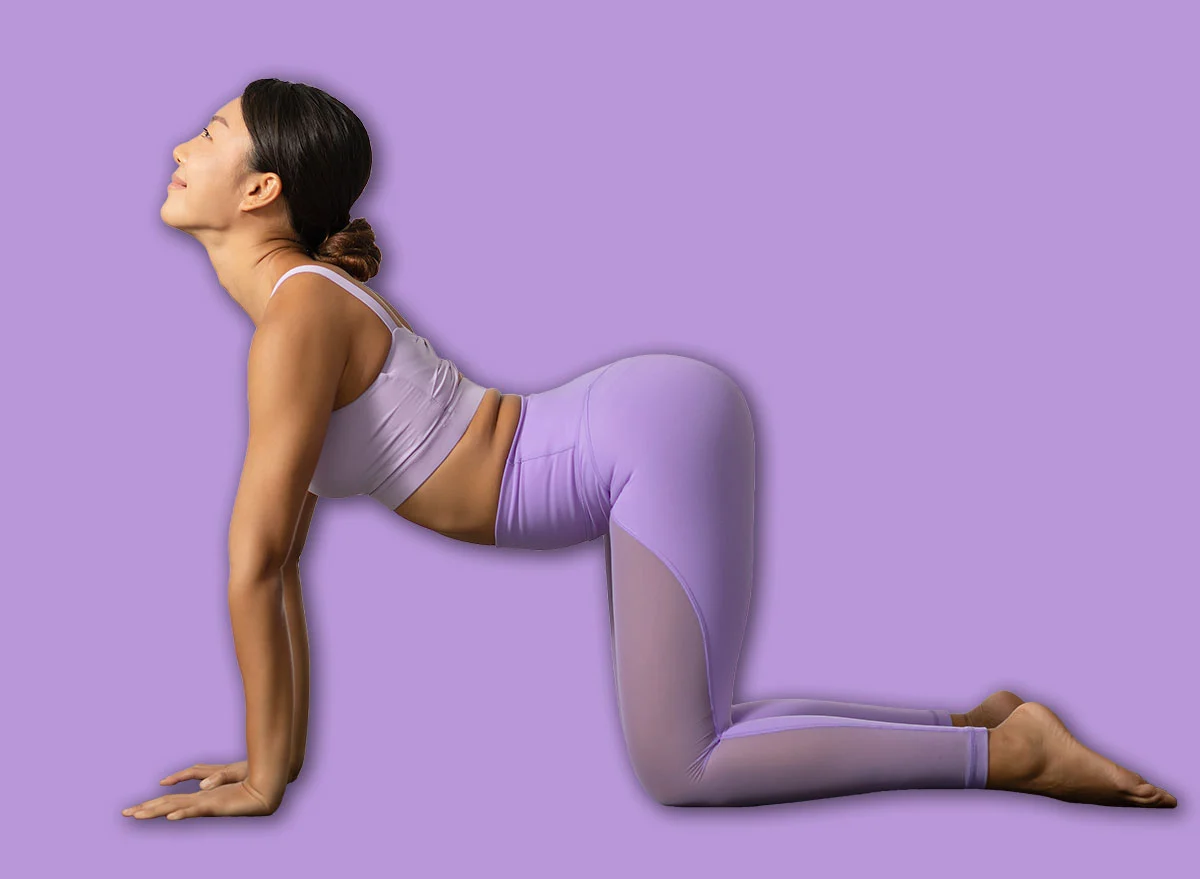
3. Cat-Cow: Mobilizing the Spine
A staple in yoga for good reason, the Cat-Cow sequence is described by Dr. Gorecki as one of the "highest-return exercises for posture at any age." This movement serves a dual purpose: it acts as a wake-up call for the entire spinal column while training the deep core muscles to stabilize the spine during transition. By moving the vertebrae through flexion and extension, practitioners improve synovial fluid circulation, which keeps the spinal discs hydrated and supple.
4. Thoracic Rotation: The Key to Upper Body Health
The thoracic spine—the mid-back region—is where upper-body posture is ultimately won or lost. As the mid-back stiffens due to age and poor ergonomic habits, the shoulders inevitably round forward. This causes the neck to "jam" as it attempts to compensate for the shifted center of gravity.
"Getting rotation back into the mid-back is the single most impactful thing you can do for upper-body posture," Dr. Gorecki emphasizes. By restoring rotational capacity, this exercise helps open the chest and allows the shoulders to rest in a natural, retracted position.
5. Wall Angels: Strengthening the Postural Muscles
While mobility is essential, strength is required to maintain the new range of motion. Wall angels are a precise tool for training the muscles that hold the shoulders back and down—specifically the rhomboids, lower trapezius, and posterior deltoids. These are the muscles most prone to atrophy after years of hunching over desks or mobile devices. Despite their simple appearance, wall angels are deceptively demanding, forcing the body to engage deep stabilizers that are rarely activated in standard daily life.
6. Chin Tucks: Correcting Forward Head Carriage
Forward head posture, often referred to as "tech neck," is one of the most visible indicators of aging posture. It is also one of the most reversible. Chin tucks specifically target the deep neck flexors. By strengthening these often-overlooked muscles, individuals can pull the head back into alignment over the shoulders, alleviating strain on the cervical spine and reducing the risk of tension headaches and neck stiffness.
Supporting Data: The Impact of Sedentary Living
The need for these interventions is underscored by the rise in sedentary behaviors across all age groups. Research in musculoskeletal health consistently indicates that prolonged static positioning leads to a process known as "adaptive shortening," where muscles literally change length to accommodate a slumped position.
For those over 60, this is compounded by natural physiological changes, such as the gradual loss of bone density and the reduction of collagen in connective tissues. Without regular movement to counteract these effects, the body defaults to a "c-curve" posture—a rounded spine that decreases lung capacity, inhibits digestion, and compromises balance.
Implications for Longevity
The implications of maintaining a strong, upright posture extend well beyond the physical realm. Studies have linked proper alignment to improved respiratory function, as a hunched posture compresses the diaphragm and restricts full lung expansion. Furthermore, posture is intrinsically linked to balance; when the head is positioned correctly over the spine and pelvis, the body’s center of gravity is optimized, significantly reducing the risk of falls—a primary health concern for the aging population.
A Consistent Approach
The common denominator in all of Dr. Gorecki’s recommendations is consistency. The human body is highly adaptive; it responds to the loads and movements it experiences most frequently. By dedicating just ten minutes each morning to these six exercises, one is essentially "re-programming" the nervous system.
It is important to note that these exercises should be performed with mindfulness. Precision of movement is more valuable than the quantity of repetitions. For those with pre-existing spinal conditions or significant mobility limitations, it is recommended to consult with a physical therapist to ensure these movements are tailored to individual needs.
As we look toward the future of aging, the narrative is shifting from "managing decline" to "optimizing function." By reclaiming our posture through targeted, daily intervention, we are not just correcting how we look; we are investing in the structural longevity required to live active, pain-free, and independent lives well into our later years.
