

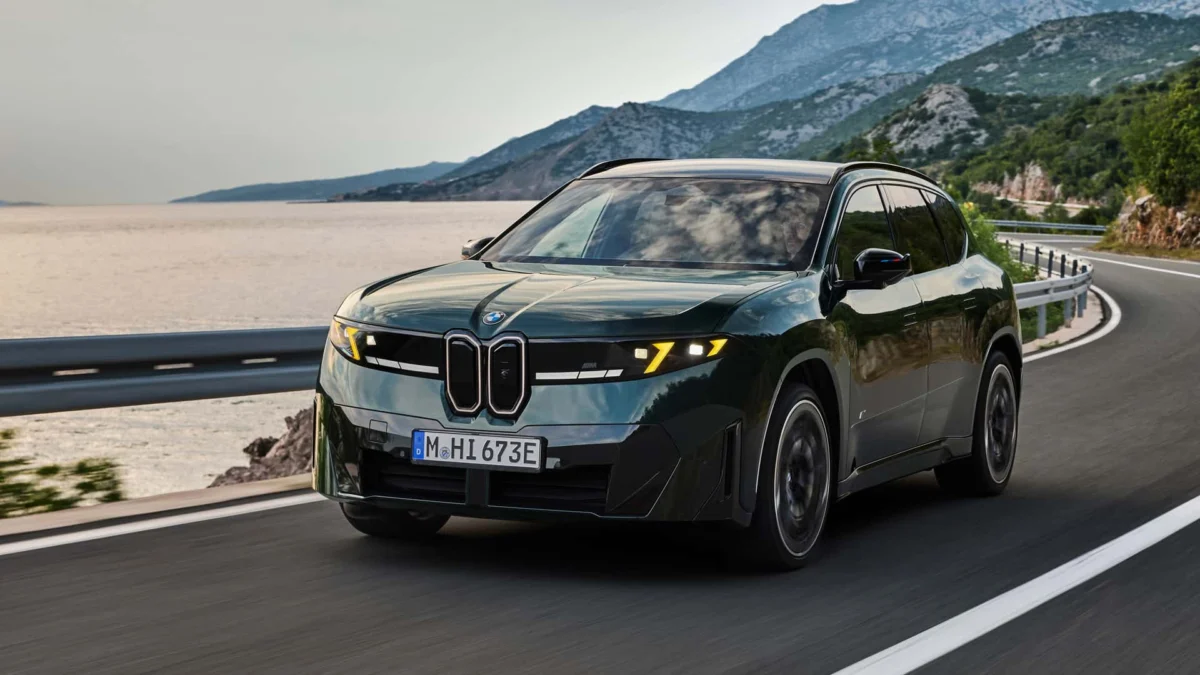
BMW’s electrification strategy is entering a critical, high-performance phase. As the German automaker leans further into its Neue Klasse architecture, it has officially unveiled the specifications for its potent M60 powertrain. Designed to bridge the gap between standard electric offerings and the forthcoming "full-fat" M-division performance monsters, the M60 variant promises to redefine the driving dynamics of the iX3, iX4, and i3 models.
While the automotive world has long associated the letter "M" with combustion-powered track precision, BMW is now proving that electrons are just as capable of delivering that signature "M" experience. However, the M60 is not the endgame; it is a calculated step in a broader, more aggressive roadmap.
The Core Specs: Engineering Excellence in the M60
The M60 powertrain is a significant leap forward in terms of output and agility. By utilizing a revised rear motor and an upgraded, high-capacity inverter, BMW has managed to extract an additional 140 horsepower over the existing "50" trim levels.
In its current iteration, the dual-motor M60 configuration produces a formidable 603 horsepower and a staggering 645 pound-feet (875 Nm) of torque. This output allows the iX3 and iX4 M60 variants to launch from 0 to 62 mph (100 km/h) in just 3.9 seconds—a full second faster than the standard iX3 50 xDrive. The top speed is capped at 149 mph (240 km/h), ensuring that the vehicles remain competitive in both highway cruising and spirited B-road maneuvers.
Chronology of the Neue Klasse Transition
The introduction of the M60 powertrain is part of a multi-year rollout that marks the most significant shift in BMW’s design and engineering philosophy since the introduction of the original 3 Series.
- 2023–2024: BMW begins aggressive testing of the Neue Klasse platform, focusing on battery density and software integration.
- Early 2025: The first leaks and official teasers for the iX3 and iX4 reveal a departure from the "kidney grille" controversy, opting for a more streamlined, aerodynamic aesthetic.
- Mid-2025: BMW officially confirms the M60 specification as the "performance middle-ground" for its next-gen EV fleet.
- 2027 (Projected): The launch of the full-fat electric M3 and the subsequent rollout of dedicated "M" performance EVs, marking the pinnacle of the division’s electric transition.
Chassis Dynamics and Handling
Power is meaningless without control, and BMW’s M division has prioritized chassis refinement to ensure the M60 doesn’t just dominate in a straight line. The M60 variants come standard with adaptive M suspension and M-tuned variable-ratio steering, which have been recalibrated to handle the increased weight and instant torque of the electric powertrain.
Furthermore, the integration of an electronically controlled rear-axle differential ensures that power is distributed effectively, minimizing slip and maximizing corner-exit speed. BMW has also bolstered the front-end bracing, a critical addition to manage the increased chassis loads generated by the extra horsepower. These mechanical upgrades are complemented by M Sport brakes, designed to provide consistent stopping power despite the inherent mass of the 108.7-kilowatt-hour battery pack.
Aesthetic Distinctions: The "M" Visual Signature
The M60 variants are not just performance-tuned; they are visually aggressive. BMW has curated a suite of design elements to signal the vehicle’s intent, including:
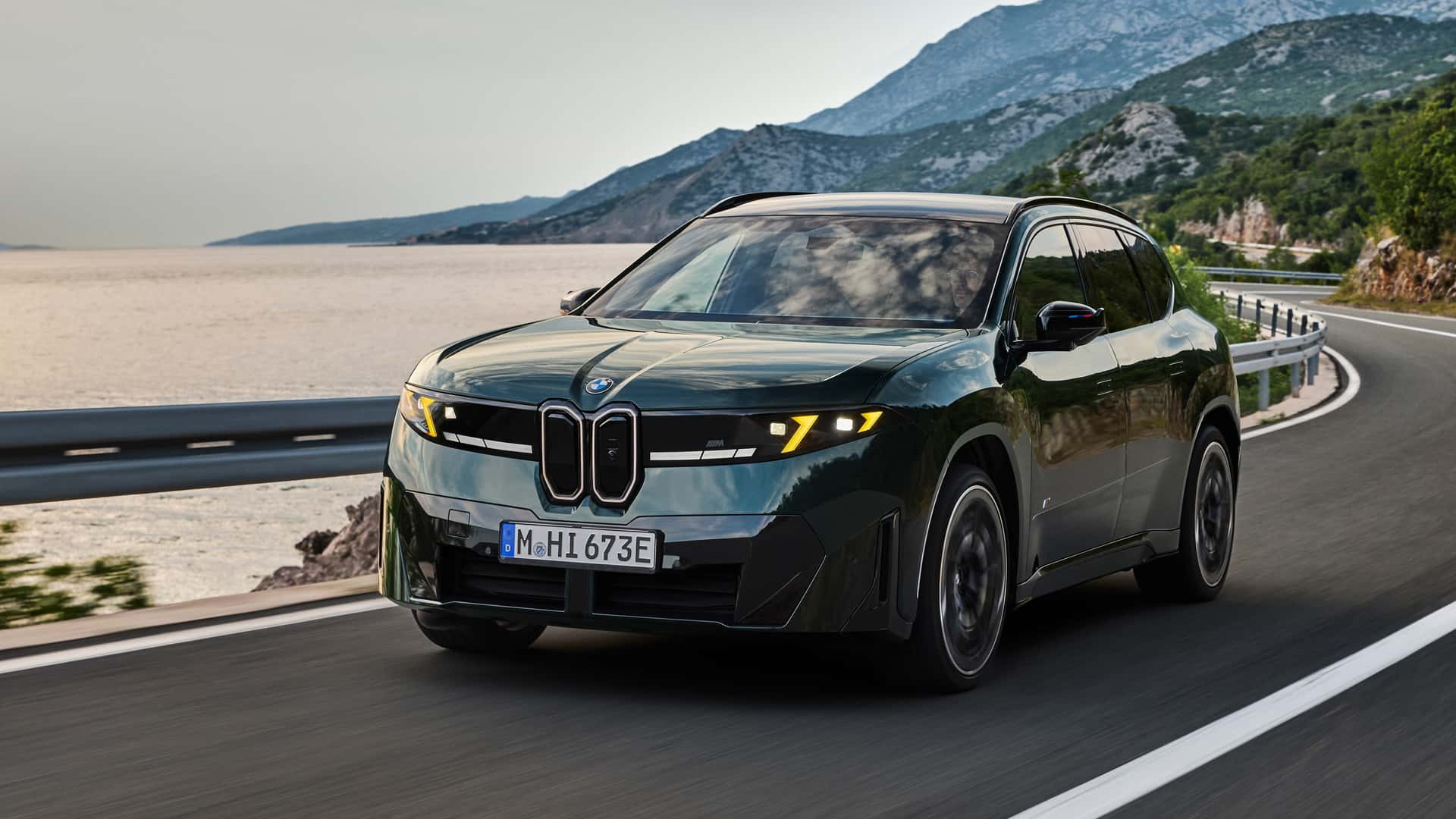
- Signature Lighting: Optional yellow daytime running lights, a nod to the endurance racing heritage of the M brand.
- Aerodynamics: A bespoke black rear diffuser and an M-specific roof spoiler featuring twin aerodynamic blades.
- Wheel Design: Standard 21-inch M wheels that reduce unsprung weight while housing the upgraded braking system.
Battery Tech and Range Efficiency
Despite the high-performance nature of the M60, BMW has maintained a focus on practical range. The vehicles utilize the same 108.7 kWh battery pack found in the "50" variants. While the M60 is tuned for power, the impact on range is remarkably minimal.
According to WLTP testing, the iX3 M60 achieves a range of 468 miles (754 km). This is only a 6% decrease from the 500-mile (805 km) range of the standard "50" model. This efficiency is largely credited to the high-voltage architecture, which supports charging at up to 400 kilowatts. This capability allows for rapid replenishment during long-distance travel, effectively mitigating the range anxiety often associated with performance EVs.
The i3 Factor: A Leaner, Faster Contender
Perhaps the most intriguing addition to the lineup is the M60 version of the new i3 sedan. Because the i3 boasts a lower, more aerodynamic body and a lighter curb weight compared to the SUV-bodied iX3 and iX4, the performance figures are expected to be even more impressive.
Early estimates suggest the i3 M60 will shave an additional two-tenths of a second off the 0–62 mph sprint, likely clocking in at around 3.7 seconds. For enthusiasts, the i3 M60 represents a spiritual successor to the iconic M3 sedans of the past, albeit one powered by a high-tech, zero-emission drivetrain.
Implications for the Future: The "True" M Cars
BMW is transparent about its hierarchy. The M60 is a powerful, daily-drivable performance model, but it is not a "full-fat" M car. The company has confirmed that it is currently developing more extreme versions that will feature quad-motor setups.
These upcoming models are expected to introduce "torque vectoring on steroids," with the ability to control each wheel independently. This will allow for advanced handling characteristics, including the ability to perform controlled drifts—a hallmark of the M experience—despite the lack of a traditional mechanical linkage.
The first of these "true" electric M cars will be based on the Neue Klasse M3. Spy shots of the vehicle, which has already begun testing with reduced camouflage, suggest a wider track, more aggressive cooling ducts, and a lower stance than any previous M car. The full reveal is slated for 2027, and it promises to serve as the benchmark for every electric performance vehicle that follows.
Official Stance and Market Position
BMW’s strategy is clear: provide a tiered performance experience. By introducing the M60, BMW is capturing the buyer who wants the cachet and performance of the M brand without the uncompromising harshness of a dedicated track weapon.
"We are building an ecosystem of performance," a BMW spokesperson noted during the technical briefing. "The M60 represents the perfect balance of daily usability and the M-specific driving dynamics our customers expect. It is the evolution of the brand, not the end of our heritage."
The Competitive Landscape
The introduction of these models puts BMW in direct competition with the likes of the Porsche Taycan, the Audi RS e-tron GT, and the Tesla Model S Plaid. However, BMW is banking on the strength of its Neue Klasse platform—specifically its software-defined vehicle architecture and charging speed—to differentiate itself.
By offering the M60 treatment across multiple form factors (SUV and sedan), BMW is casting a wider net than its rivals. Whether it is the versatility of the iX4 or the agility of the i3, BMW is betting that its customers will prioritize the brand’s legendary chassis tuning and interior build quality over raw, headline-grabbing acceleration figures alone.
Conclusion: A New Era for the M Badge
As the industry moves toward 2030, the definition of an M car is undergoing a radical metamorphosis. The M60 powertrain is proof that BMW is not merely surviving the transition to electrification; it is actively shaping the landscape.
While the "four-motor" future remains on the horizon, the M60 provides a tangible, visceral look at what the next few years of driving will feel like. For the traditionalists who feared that the "M" badge would lose its meaning in the age of batteries and software, the M60 serves as a compelling, high-voltage rebuttal. The performance is there, the handling is there, and perhaps most importantly, the intent to go fast—and have fun doing it—remains at the very heart of the Bavarian brand.
