

As the automotive world turns its gaze toward the 2026 Paris Motor Show, the air is thick with speculation regarding the next major milestone for Alfa Romeo. For months, enthusiasts have been dissecting crumbs of information regarding the "Cuorerosso," the brand’s highly anticipated concept car. While initial reports positioned the vehicle as a successor to the spiritual legacy of the 33 Stradale, a new, revealing teaser has shifted the narrative entirely. The Cuorerosso appears poised to redefine the brand’s identity, moving away from the pure, two-seat sports car ethos toward the sophisticated, high-performance world of the Gran Turismo.
The Main Facts: A Four-Seat Surprise
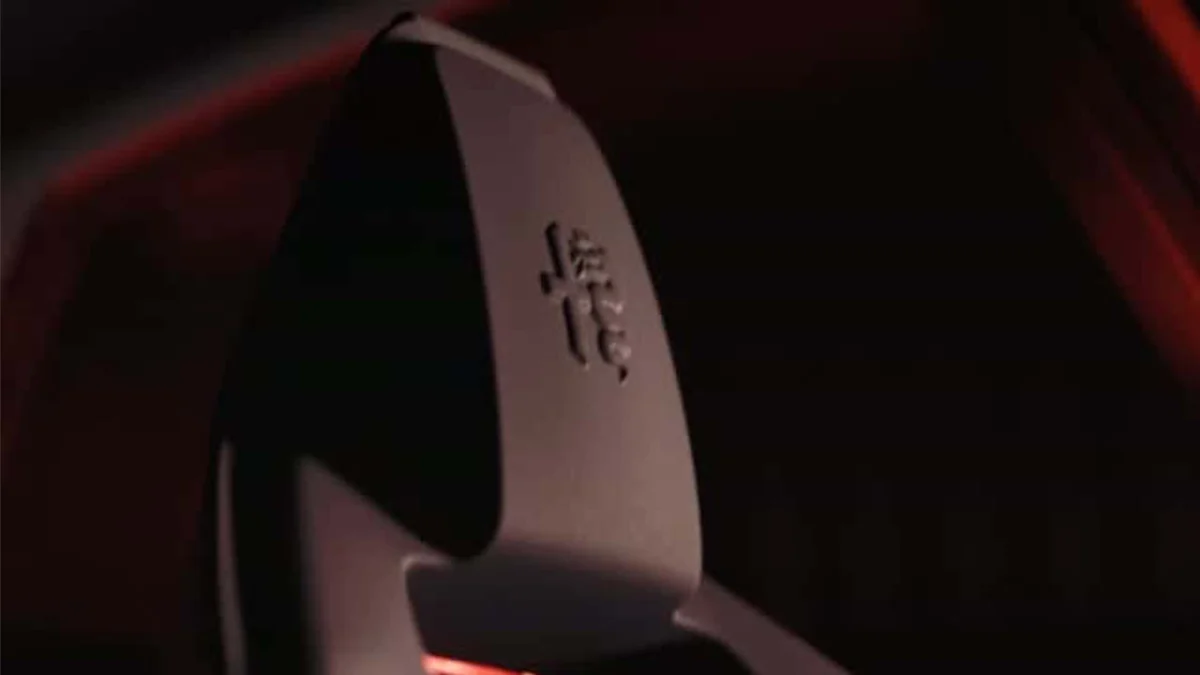
The latest digital dispatch from Alfa Romeo—likely the final teaser before the vehicle’s official unveiling on October 12—has provided a pivotal look at the car’s interior. While the automotive press had largely banked on a two-door, two-seat configuration in the vein of a track-focused supercar, the teaser clearly showcases a four-seat layout.
This architectural shift suggests that the Cuorerosso is not merely an exercise in track performance, but a vehicle designed for long-distance luxury, agility, and presence. The seats themselves are masterpieces of design, featuring heavy lateral bolstering that hints at a performance pedigree, while the aesthetic choices—a striking red seatback for the driver paired with a signature black, triangular headrest—echo the avant-garde styling language for which Alfa Romeo is world-renowned.
The Cuorerosso is set to be the flagship project from the BottegaFuoriserie division, Alfa Romeo’s bespoke, high-end coachbuilding arm. This division is tasked with pushing the boundaries of what is possible within the brand’s design language, ensuring that each project is as much an art piece as it is a machine.
Chronology of the Cuorerosso
The path to the Paris reveal has been one of deliberate, slow-drip marketing. The journey began in early 2026, when rumors first surfaced of an "ultra-exclusive" concept designed to bridge the gap between the brand’s racing heritage and its future as a premium global manufacturer.
- Early 2026: Initial internal whispers suggest a new project under the BottegaFuoriserie banner, focusing on a bespoke chassis.
- Mid-2026: Alfa Romeo officially registers the "Cuorerosso" trademark, sparking intense debate over whether it would serve as a revival of a classic nameplate or a bold, new identifier.
- Late Summer 2026: A series of short, cryptic social media teasers begin to circulate. These snippets focused heavily on aerodynamic curves and the raw, aggressive intake of a combustion engine, effectively silencing rumors of an all-electric powertrain.
- October 2026: The final teaser reveals the interior, confirming the 2+2 or four-seat layout and setting the stage for the full global reveal at the Paris Motor Show.
Supporting Data: The Mechanical Foundation
Perhaps the most significant revelation—and one that has brought a collective sigh of relief from the enthusiast community—is the confirmation that the Cuorerosso will remain firmly committed to internal combustion. In a market increasingly saturated with silent, heavy electric motors, Alfa Romeo has opted for the visceral experience of a high-revving engine.
Current consensus within the industry points toward the utilization of the 3.0-liter twin-turbocharged V6 that debuted in the 33 Stradale. This powerplant is a triumph of modern engineering, capable of delivering a staggering 621 horsepower. By placing this engine into a GT-sized chassis, Alfa Romeo is signaling that it intends to compete with the likes of the Ferrari Roma or the Bentley Continental GT, albeit with a uniquely Italian flair that prioritizes driver engagement and communicative steering.
The chassis is expected to be a masterclass in weight distribution. While a traditional GT is often heavier, the BottegaFuoriserie mandate involves the extensive use of carbon fiber and lightweight aluminum alloys. Maintaining a rear-wheel-drive configuration is paramount; it is the fundamental "Alfa DNA" that the company’s engineers have prioritized for over a century. The goal is to provide a car that feels light on its feet, capable of effortless grand touring while retaining the ability to carve through mountain passes with surgical precision.
Official Responses and Strategic Direction
While Alfa Romeo has remained tight-lipped regarding specific performance metrics—such as 0-60 mph times or top speed—the leadership at Stellantis has been vocal about the strategic necessity of the Cuorerosso.
"The Cuorerosso represents the pinnacle of our design and engineering philosophy," a spokesperson for the brand stated in a recent press release. "It is not a car for everyone, but a car for those who demand that the journey be just as rewarding as the destination."
Analysts view this move as a critical pivot. For years, Alfa Romeo has struggled to balance its historical status as a purveyor of "affordable" passion with its desire to enter the ultra-luxury segment. The BottegaFuoriserie division serves as the perfect vehicle for this transition. By producing limited-run, high-margin projects, Alfa Romeo can maintain its exclusivity and prestige without needing to overhaul its entire mass-market lineup overnight.
Implications for the Brand and the Industry
The implications of the Cuorerosso are profound. If the vehicle succeeds, it will effectively prove that there is a viable, high-profit niche for bespoke, V6-powered GTs in an era of electrification. It reinforces the notion that the "soul" of a car—the sound, the vibration, and the mechanical feedback—remains a tangible asset that can command a premium price.
Furthermore, the shift toward a GT layout suggests that Alfa Romeo is looking to broaden its appeal. While the 33 Stradale was a "halo" car—a dream for the few—the Cuorerosso feels like a car that could actually be driven, toured in, and lived with. It signals a move toward a more mature, refined product portfolio that does not sacrifice the brand’s legendary racing spirit.
A Return to Form
The last time Alfa Romeo ventured into this space was with the 156-based GT, which ceased production in 2011. Since then, the brand has focused heavily on crossovers and mid-sized sedans. The return to a true grand tourer is an admission that the market is ready for a return to elegant, long-bodied performance.
As we look toward October 12, the questions remain: How many units will be produced? What will the price point be? Will it lead to a series-production GT that can compete directly with the major German and British manufacturers?
The Cuorerosso is more than just a car; it is a statement. It is a declaration that even in a rapidly changing technological landscape, the art of the Italian Gran Turismo is not only alive but evolving. When the curtains pull back in Paris, the world will see whether Alfa Romeo has managed to capture that elusive spark—the "red heart"—one more time.
Conclusion: The Road Ahead
The automotive community remains in a state of high anticipation. The Motor1 team will be on the ground in Paris to capture every detail, from the precise curvature of the front fascia to the roar of the V6 engine during its ceremonial start. Whether the Cuorerosso becomes the new benchmark for the segment or remains a beautiful, fleeting curiosity, one thing is certain: Alfa Romeo is not going quietly into the future. They are driving into it, with the windows down, the engine screaming, and four seats ready for a new generation of enthusiasts to experience the ride of a lifetime.
