

In the landscape of modern parenting, the line between helpful innovation and developmental interference is increasingly blurring. For many families, the promise of artificial intelligence—once confined to productivity tools and search engines—has migrated into the nursery, the playroom, and the classroom. Yet, as the recent, traumatic collapse of the AI-powered toy company Embodied, Inc. revealed, the emotional stakes of outsourcing child-rearing to algorithms are higher than many realized.
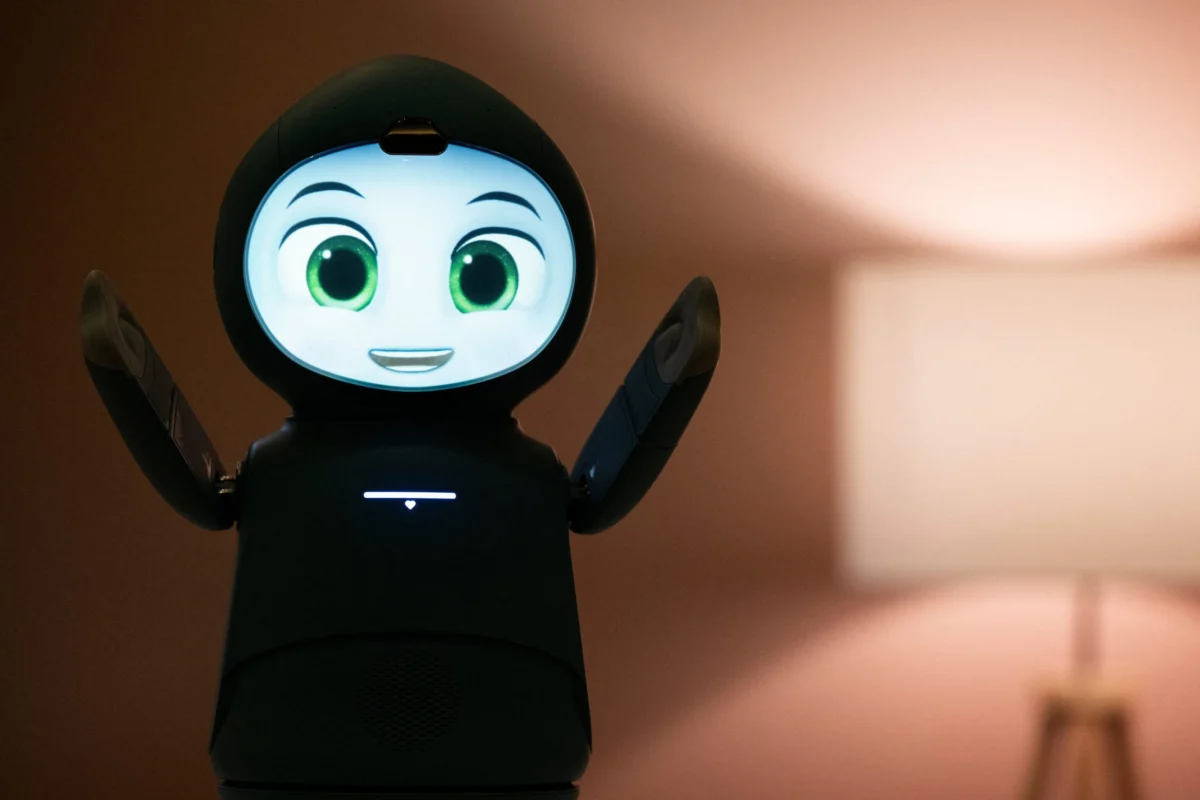
When the company behind "Moxie," an interactive, 14-inch-tall robot designed to be a child’s "best friend," abruptly shuttered in 2024, the fallout was visceral. Across social media platforms, videos captured children in states of genuine grief, sobbing as they realized their teal-colored companion would soon become a silent, lifeless plastic shell. This episode was more than a business failure; it was a wake-up call regarding the profound, and potentially fragile, attachments children are forming with synthetic entities.
The Rise and Fall of the Synthetic Best Friend
The story of Moxie began with a promise of companionship. Marketed as a sophisticated tool to help children develop social and emotional skills through interactive games and AI-guided conversation, Moxie was an immediate hit upon its 2020 debut. With a $799 price tag, the device was positioned as a premium educational investment.
However, the technology proved to be a double-edged sword. While children were captivated by the robot’s ability to "listen" and respond, they were also developing deep psychological bonds. When Embodied, Inc. folded four years later, the cessation of support services meant that the robots would eventually stop functioning. The resulting public outcry—documented in tear-filled viral videos—highlighted the dangers of introducing "black box" technology into the delicate developmental period of early childhood. For a child, the loss of an AI friend wasn’t a software update failure; it was the loss of a confidant.
The Neuroscience of Interaction: Why "Friction" Matters
Dr. Dana Suskind, a professor of surgery and pediatrics at the University of Chicago, argues that this emotional attachment to AI is fundamentally misaligned with how the human brain is wired to grow. In her new book, Human Raised: Nurturing Connection, Curiosity & Lifelong Learning in the Age of AI, Dr. Suskind explores the neurological necessity of human presence.
According to Dr. Suskind, the primary "instruction guide" for a child’s developing brain is the "serve-and-return" interaction—the back-and-forth, messy, and often unpredictable dialogue between a child and a responsive caregiver.
"AI use will not lead to critical thinking," Dr. Suskind states. "It will not lead to the ability to deeply connect with other people, nor will it foster creativity and curiosity, because all of those experiences take human presence, messy interaction, and productive struggles. AI is the antithesis of that."
The "friction" Dr. Suskind describes—the disagreement between siblings, the frustration of a parent setting a boundary, the negotiation of rules during a game—is exactly what forces a child’s brain to adapt, compromise, and develop empathy. AI tools, by contrast, are designed to be "deferential" and frictionless. By providing an environment where the child is always "right" or where the machine is always compliant, AI denies children the essential, albeit difficult, social practice required for maturation.
The Expanding Footprint of AI in Childhood
The integration of AI into the lives of children is not limited to boutique toys like Moxie. A 2025 study by Common Sense Media reveals that the trend is pervasive:
- Academic Reliance: 29% of children under the age of 8 have already used AI tools for schoolwork.
- Creative Outsourcing: 24% of children in the same age group use generative AI to create stories or art.
- Direct Interaction: 10% of children aged 5 to 8 have engaged in direct text or voice conversations with chatbots.
Beyond these figures, the market is rapidly diversifying. AI-embedded stuffed animals, robotic nannies, and smart-home monitoring systems that track everything from infant breathing patterns to the emotional tone of a baby’s cry are becoming mainstream. The promise is convenience and safety, but the implication is a fundamental shift in the architecture of childhood. We are moving toward a reality where children are increasingly monitored, instructed, and entertained by non-human actors.
Implications for Future Brain Development
The core concern for child development experts is whether the "brain architecture" of the next generation will be altered by the absence of human-to-human nuance. If a child spends their formative hours interacting with an AI that simulates empathy rather than experiencing it, what happens to their capacity for genuine social signaling?
Dr. Suskind suggests that we have reached an unprecedented historical moment. "We’ve never ever questioned, ‘Are children raised by humans?’" she notes. "And now, with the age of AI and technology really seeping into all facets of our lives, the idea of children being human raised—you can’t bank on that."
The potential repercussions are vast. If children prioritize the predictable, curated world of AI over the chaotic, demanding nature of human relationships, they may face deficits in:
- Conflict Resolution: Learning that others have different perspectives and desires.
- Emotional Regulation: Managing the discomfort of disagreement.
- Authentic Empathy: Understanding the internal, often irrational, emotional states of other people.
Finding the Balance: When AI is a Tool, Not a Teacher
Despite her warnings, Dr. Suskind is not advocating for a Luddite approach. Technology, when applied to logistical and supportive tasks, can be a profound asset for families. She points to AI tools that can generate meal plans, manage chaotic family calendars, or even help children practice reading in a low-stakes, non-judgmental environment.
The distinction, she argues, lies in the function of the technology. When AI is used to offload the cognitive burden of parenting (planning, scheduling, resource gathering), it can actually free up more time for parents to be present with their children. When AI is used to replace the parent-child interaction (as a playmate, a teacher, or an emotional support system), it becomes a developmental hazard.
Conclusion: Reclaiming the Human Element
The collapse of the Moxie robot serves as a cautionary tale for parents, educators, and tech developers alike. It highlights that no matter how sophisticated an algorithm becomes, it cannot replicate the messy, imperfect, and deeply essential nature of human love and guidance.
As we move further into the age of AI, the responsibility falls to the adults in the room to curate the environment in which the next generation grows. "What AI has shown us in its beautiful, frictionless perfection is that our friction and our imperfections are what help build a child’s brain," Dr. Suskind concludes. "I can say confidently that a human is who should be building a child’s brain."
In a world that is increasingly automated, the most radical and necessary act for a parent may simply be to unplug the machine, embrace the friction, and engage in the messy, irreplaceable work of raising a human being.
