

Executive Summary: The Cost of Institutional Realignment
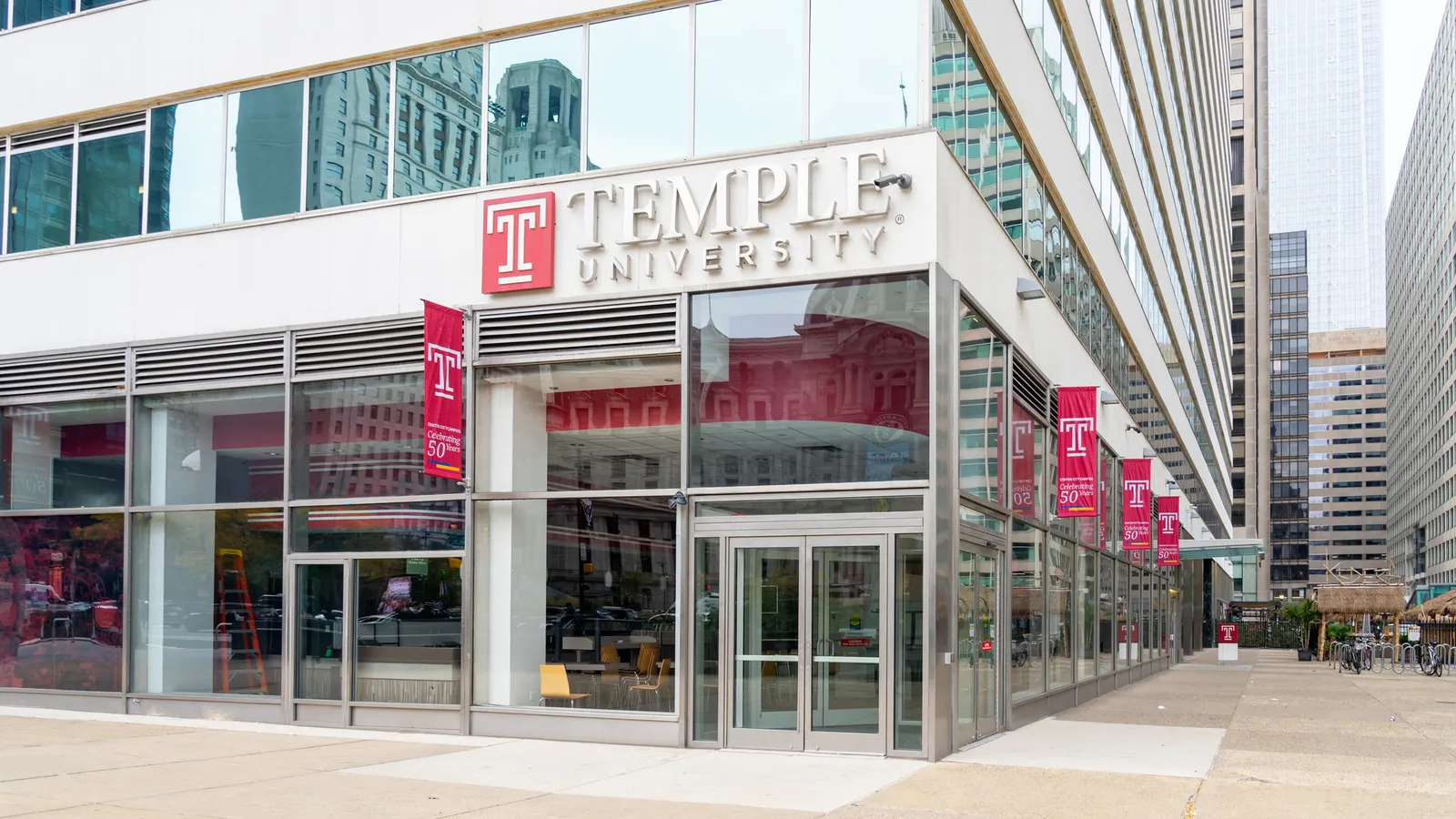
Temple University, a cornerstone of Philadelphia’s public higher education landscape, has announced a workforce reduction of 40 employees as it continues its arduous climb toward fiscal solvency. This move marks the second consecutive year of staff cuts, underscoring the deep-seated structural challenges facing the institution. While leadership grapples with persistent budget deficits, the university is simultaneously celebrating a rebound in recruitment efforts, signaling a potential turning point for an institution that has faced a quarter-decade of volatility.
The layoffs, confirmed in early July 2026, arrive as part of a broader, multi-year strategy to bridge a stubborn budget gap. Despite these contractions, Temple’s administration, led by President John Fry, maintains that the university’s long-term outlook is buoyed by record-breaking incoming classes and a strategic commitment to institutional financial aid.
A Chronology of Fiscal Retrenchment
To understand the current climate at Temple, one must view the 2026 layoffs as the latest chapter in a multi-year narrative of austerity. Since 2021, the university has undergone a rigorous internal audit and cost-cutting initiative, successfully excising approximately $320 million in operating expenses.
2025: The First Wave of Cuts
The fiscal year 2026 began under a cloud of uncertainty, with administrators projecting a $60 million budget hole. By the summer of 2025, the university implemented a series of personnel actions, including the termination of approximately 50 employees—roughly 1% of the workforce at the time—alongside aggressive attrition management and the elimination of vacant roles. These efforts successfully whittled the projected deficit down to $27 million, but the underlying structural imbalance remained.
2026: The Continued Pivot
By June 2026, President John Fry addressed the campus community, noting that the university’s fiscal challenges were fundamentally tied to a historical mismatch between operational growth and declining enrollment numbers over the past seven years. While voluntary buyout programs were utilized to mitigate the impact, the subsequent loss of 40 additional roles confirms that the institution has yet to reach the "steady state" required for a balanced budget.
Supporting Data: The Enrollment Paradox
The primary driver behind Temple’s financial distress is a significant contraction of its student body. Between 2018 and 2024, the university saw its fall headcount plummet by approximately 25%, dropping to 29,640 students. This decline in tuition-paying students—the lifeblood of the institution—created a cascading effect that limited the university’s ability to maintain its existing cost structure.
However, the data from the 2025 and 2026 academic cycles paints a more optimistic picture of the university’s "brand" and market demand.
- The Class of 2029: Temple recorded its largest incoming first-year class in history, with 5,379 students, representing a 9.2% year-over-year increase.
- Deposit Trends: As of July 2026, the university reported record deposits from first-year undergraduate applicants and a significant uptick in transfer student interest.
- Financial Aid Investment: To secure this growth, Temple has committed $196.1 million in institutional financial aid for the upcoming year—a 7% increase and an all-time record.
This presents a "paradox of growth": while the university is successfully attracting new students, the financial cost of incentivizing that enrollment (via aid) and the long-term nature of student graduation cycles mean that the revenue benefits will take years to fully manifest on the balance sheet.
Official Responses and Strategic Vision
President John Fry has adopted a tone of "cautious transparency" regarding the university’s future. In his recent communications, Fry acknowledged the pain caused by the workforce reductions while emphasizing that these actions are essential for the survival of the institution’s core mission.
"It will take several more years until we see a meaningful increase in our overall domestic enrollment," Fry noted in a recent update. He explained that because the university had two years of significantly lower incoming cohorts prior to the recent surge, it will take time for those larger classes to work their way through the four-year pipeline and stabilize total revenue.

The administration’s strategy hinges on three pillars:
- Disciplined Expenditure: A continued focus on reducing administrative bloat and aligning departmental costs with actual student demand.
- Enrollment Stabilization: Using the current momentum in freshman recruitment to offset the losses from the "lean years" of 2022–2024.
- Institutional Aid as an Investment: Rather than viewing financial aid purely as an expense, the leadership views it as a necessary capital investment to ensure the university remains competitive in a shrinking demographic pool of 18-year-olds.
The Broader Landscape: A National Trend
Temple’s struggle is not an outlier; it is a microcosm of a national crisis in higher education. As fiscal year 2027 approaches, universities across the United States—both public and private—are wrestling with the "fiscal cliff."
Institutions such as Kent State, Bowie State, Colorado State, and Johns Hopkins have all recently announced their own versions of workforce reductions. The drivers are remarkably consistent across state lines:
- Federal Policy Uncertainty: Shifts in student loan regulation and federal funding models have disrupted traditional revenue streams.
- State Funding Stagnation: Many public universities report that state-level appropriations have failed to keep pace with inflation.
- The Demographic Cliff: The decline in the national birth rate following the 2008 recession is now hitting the college-age population, leading to fiercer competition for a smaller pool of applicants.
Implications: The Path Forward
For Temple University, the road to a balanced budget—which the administration hopes to reach within three years—is paved with difficult trade-offs. The institution must balance the human cost of layoffs against the necessity of preserving academic quality and student services.
If the current enrollment surge continues, the university may find itself in a position to reinvest in its workforce in the coming years. However, if the broader economic environment causes a contraction in demand, or if the cost of providing record-level financial aid begins to erode the gains made by the increased headcounts, the administration may be forced to look toward more radical structural changes.

For now, the Temple community remains in a state of transition. The administration’s focus on long-term sustainability, coupled with the early success of recent recruitment cycles, suggests that while the university is currently "pruning" to survive, it is doing so with the explicit intent to build a more resilient and sustainable institution for the next generation of students.
The next 18 months will be critical. As the large "Class of 2029" moves into their sophomore and junior years, the university will be looking for sustained retention rates to ensure that the revenue projections underpinning the current budget plan hold firm. For stakeholders, alumni, and students, the message from the administration is clear: the era of unchecked growth has ended, replaced by an era of strategic, data-driven, and highly disciplined management.
