

Jason Momoa, the Hollywood heavyweight best known for his portrayal of Aquaman, has carved out a secondary identity as an automotive disruptor. While many celebrity car collectors obsess over concours-quality restoration or adding the latest hypercar to their climate-controlled garages, Momoa is pursuing a different, more provocative path: "electromodding" the most iconic machines of the 20th century.
His latest collaboration with British EV specialist Electrogenic, showcased in the second season of his HBO Max documentary series On The Roam, represents a bold synthesis of heritage design and cutting-edge battery technology. By converting a collection of 1920s Harley-Davidsons and vintage Land Rovers into high-performance electric and plug-in hybrid machines, Momoa is challenging the purist’s definition of "classic."
The Core Project: A New Frontier in Vintage Preservation
At the heart of this project is a five-vehicle fleet that bridges the gap between the industrial grit of the early 1900s and the silicon-driven efficiency of the 2020s. Working alongside Electrogenic—a company gaining significant traction for its "drop-in" EV conversion kits—Momoa has managed to preserve the aesthetic soul of these machines while fundamentally upgrading their mechanical capabilities.
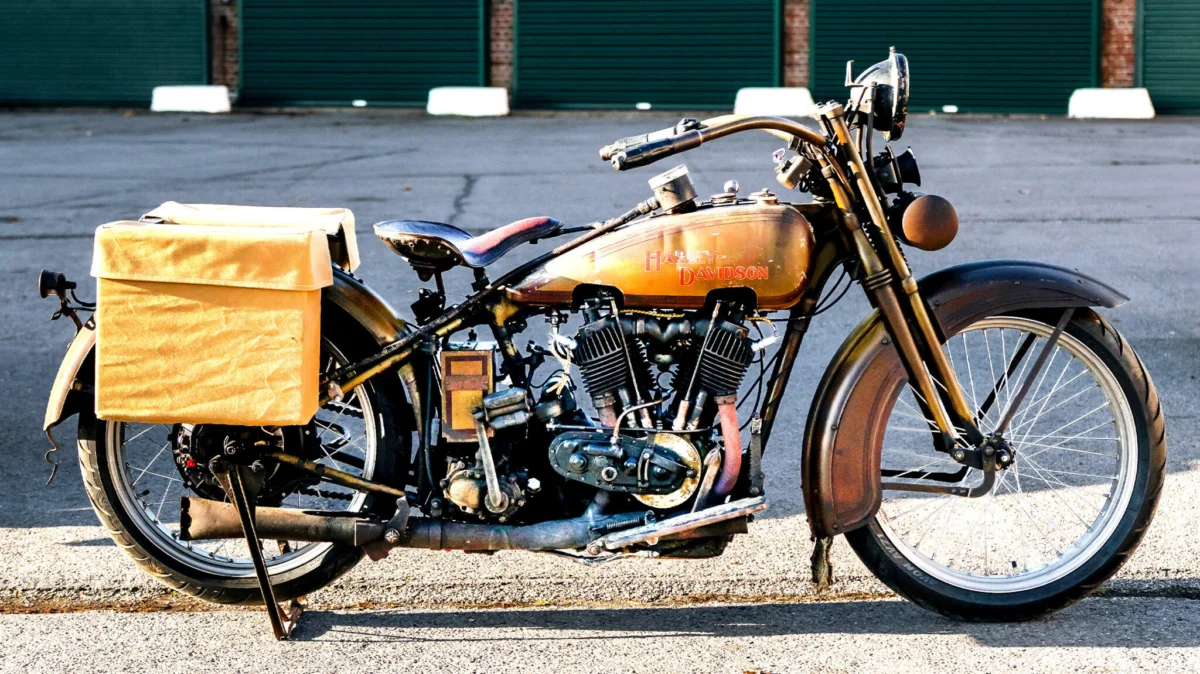
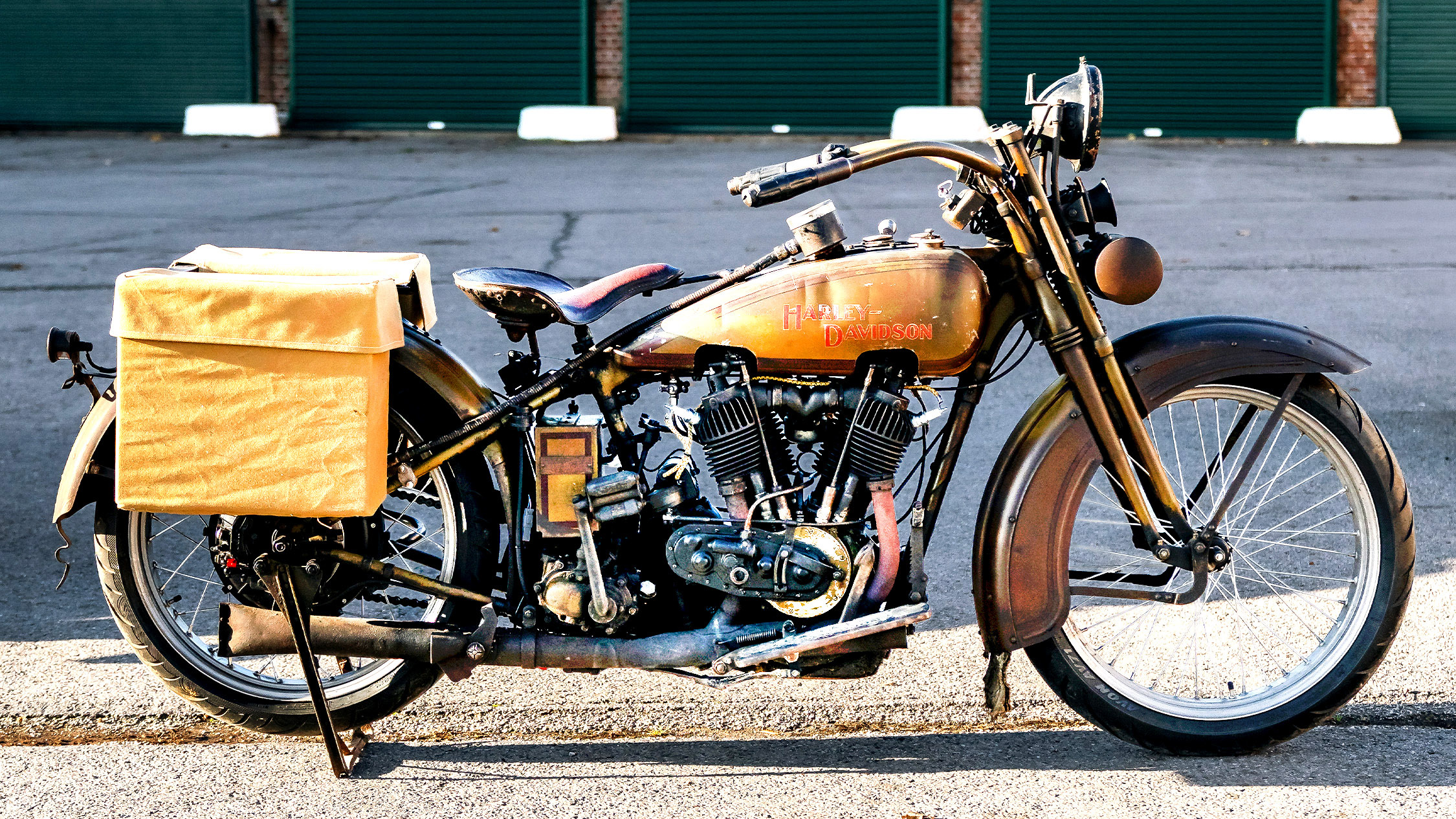
The centerpiece of this endeavor is a pair of 1920s Harley-Davidson Model JDs. Rather than discarding the original combustion engines—a common practice in many EV conversions that often draws the ire of traditionalists—Momoa’s bikes retain their period-correct internal combustion heart, augmented by a sophisticated electric powertrain.
A Chronology of Electrification: From Rolls-Royce to Modern Hybrids
Momoa’s journey into the world of sustainable classic motoring did not happen overnight. It has been a calculated evolution of taste and environmental philosophy.
- 2024: The Phantom Awakening: The transformation began in earnest with a 1929 Rolls-Royce Phantom II. By replacing the archaic powertrain with a bespoke electric drive, Momoa effectively quadrupled the vehicle’s power output, proving that electrification could enhance, rather than merely replace, the driving experience.
- Early 2026: The Bentley Blower Jnr: The actor made headlines with a whimsical, one-off miniature Bentley Blower EV. While smaller in scale, the project underscored his commitment to high-end, electrified classic motoring.
- Mid-2026: The Harley-Davidson PHEV Project: The current project marks the most ambitious technical leap to date. By successfully implementing a plug-in hybrid system on 100-year-old motorcycles, the collaboration with Electrogenic has pushed the boundaries of what is mechanically possible for vintage vehicle preservation.
Supporting Data: The Technical Specs
The technical prowess required to modernize these machines is substantial. Electrogenic’s work on these bikes and off-road vehicles is not a simple "motor swap" but a sophisticated integration of modern electronics into chassis designed in a different era.
The Harley-Davidson Hybrids (1924 & 1927 Model JDs)
The engineering team achieved a versatile power delivery system. Momoa can now toggle between:
- Pure Electric Mode: Utilizing a 15 hp (11 kW) electric motor.
- Pure Gasoline Mode: Relying on the original 20 hp (15 kW) combustion engine.
- Combined Power: Utilizing both for maximum torque and performance.
The electric motor delivers a staggering 190 lb-ft (260 Nm) of torque, providing an immediate "kick" that the original engine could never dream of. Furthermore, the installation of a 2.7 kWh battery pack—discreetly hidden within vintage panniers—allows for a range of over 50 miles (80 km), perfect for short-range city riding.
The Land Rover Conversions
The 1949 Series I and the 1961 Series IIA 109 Dormobile have undergone more radical transformations:
- Series I: Equipped with a 48 kWh battery and a 201 hp (150 kW) motor.
- Dormobile: Features a 62 kWh battery and a 161 hp (120 kW) motor, offering a 150-mile (240 km) range.
- Utility: Both vehicles retain their original four-wheel-drive transfer cases, ensuring that the off-road prowess of these legendary machines remains intact.
The Expedition Trailer
The final piece of the puzzle is the Schutt Industries XVENTURE XV-2 camping trailer. By housing a massive 93 kWh battery pack, the trailer functions as a mobile power grid, capable of sustaining camping equipment for up to a month in remote wilderness locations.

Official Responses and Engineering Philosophy
The ethos behind these builds is best summarized by the philosophy of "respectful modernization." Electrogenic has stated that their goal is to ensure these vehicles are not left to rot in museums but are instead kept on the road in a way that is compatible with modern environmental realities.
"We aren’t looking to erase history," an engineering representative noted during the launch of the project. "We are looking to give history a future. By using discrete battery integration and maintaining the original character of the vehicle’s handling and design, we allow owners like Jason to enjoy the heritage of these machines without the reliability issues or the carbon footprint of the original 1920s fuel systems."
For Momoa, the project is deeply personal. As seen in On The Roam, he treats these vehicles as living members of his family. The decision to add a "666" badge to his miniature Bentley, while perceived by some as edgy, was, in his words, a nod to the machine’s "devilish" performance and the playfulness he brings to his automotive hobby.
Implications: The Future of the Classic Car Hobby
Momoa’s influence on the automotive community cannot be understated. As a high-profile enthusiast, his shift toward electric conversions signals a potential paradigm shift for the classic car market.
1. The Survival of Heritage
As emission regulations tighten globally, many classic cars face an uncertain future in urban centers. Electromodding provides a viable "exit strategy" for owners who want to continue driving their vehicles in restricted zones, thereby ensuring that these pieces of automotive history remain active on the road rather than stagnant in private collections.
2. The Tech-Heritage Hybrid Market
The success of companies like Electrogenic suggests that there is a burgeoning market for bespoke, high-performance electric conversions. We are likely to see an increase in companies offering "turnkey" electrification services that do not permanently alter the chassis of a vehicle, allowing for the possibility of reversing the process should the owner wish to return to a pure ICE (Internal Combustion Engine) configuration in the future.
3. Sustainability in Luxury
Momoa is effectively rebranding "sustainability" from a compromise to a performance upgrade. By demonstrating that electric motors provide higher torque and better daily reliability than century-old engines, he is appealing to a demographic that might otherwise be skeptical of the electric transition.
4. The Cultural Shift
Perhaps the most significant implication is the cultural shift regarding what constitutes "authenticity." For years, the classic car world held that any deviation from the original engine was a sacrilege. However, as the generation of drivers who value environmental stewardship gains more influence in the collector market, the definition of a "classic" is expanding to include those machines that have been "future-proofed."
Conclusion: What’s Next for the Aquaman of EVs?
The question on everyone’s mind is: where does Jason Momoa go from here? Having tackled the ultra-luxury segment (Rolls-Royce/Bentley), the vintage utility segment (Land Rover), and the historic motorcycle segment (Harley-Davidson), he has essentially covered every major category of classic transportation.
Possible future projects could involve the electrification of vintage ocean-going vessels—a natural fit for his affinity with the sea—or perhaps a move toward larger, commercial-grade vintage trucks. Whatever he chooses, it is clear that Momoa is not merely a collector; he is an innovator who is forcing the automotive world to reconsider the boundaries of the past and the possibilities of the future.

As we look toward an era defined by electric mobility, Jason Momoa stands as a reminder that the soul of a vehicle lies not just in the fuel it burns, but in the craftsmanship of its design and the stories it tells on the road. Whether you view his latest project as an act of preservation or a bold transformation, one thing is certain: the roads of the future will be a lot more interesting because of his vision.
