

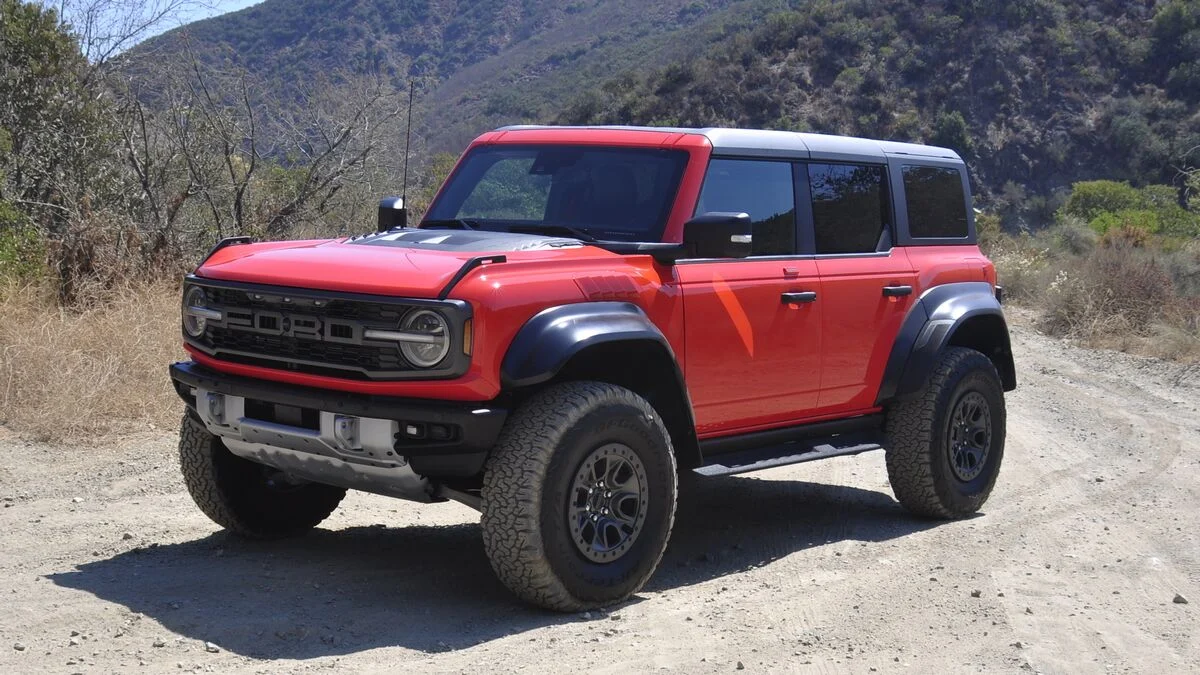
Ford Motor Company has officially issued a safety recall for approximately 16,200 Ford Bronco SUVs from the 2021 and 2022 model years. The recall centers on a specific manufacturing defect related to the vehicle’s Molded-In-Color (MIC) hardtop roofs, which are prone to environmental degradation, cracking, and delamination. This development marks a significant chapter in the ongoing struggle Ford has faced regarding the quality control of its flagship off-roader’s exterior components.
The Core Issue: Why the Bronco Hardtops are Failing
The Ford Bronco, reintroduced to the market with much fanfare, was designed to compete directly with off-road icons like the Jeep Wrangler. However, the modular nature of the Bronco’s roof—a key selling point for enthusiasts—has become a liability.
According to reports filed with the National Highway Traffic Safety Administration (NHTSA), the affected MIC hardtops are susceptible to structural failure when exposed to prolonged environmental stressors. Over time, the material composition of these roofs can experience fatigue, leading to visible cracks or, more alarmingly, the delamination of the roof layers.
The primary safety concern identified by federal regulators is the potential for debris detachment. As the hardtop deteriorates, segments of the roof panel may break away while the vehicle is in motion. Such an occurrence poses an immediate hazard to following motorists and could potentially lead to a loss of control or a collision. While no widespread reports of catastrophic accidents resulting from this specific defect have been publicized, the proactive recall is designed to mitigate these risks before they manifest on the highway.
Chronology of the Bronco Hardtop Saga
The issues surrounding the Bronco’s hardtop are not new; they have been a point of friction between Ford and its customers since the vehicle’s launch.
Phase 1: The Initial Rollout (2021)
Upon the launch of the sixth-generation Bronco, Ford faced significant supply chain challenges. Customers who opted for the high-end MIC hardtop experienced extensive delivery delays. Reports began surfacing shortly after early deliveries that the roofs showed signs of "honeycombing" or irregular finish, which some consumers initially attributed to poor aesthetics rather than structural instability.
Phase 2: Internal Investigations (2022–2023)
As more vehicles hit the road, Ford’s engineering teams began receiving feedback regarding water ingress and physical cracking. By late 2022, internal data indicated that the bonding process used for the roof panels was insufficient to withstand extreme thermal expansion and contraction. Ford began silently replacing many of these tops under warranty for early adopters, but the scale of the issue eventually necessitated a broader regulatory intervention.
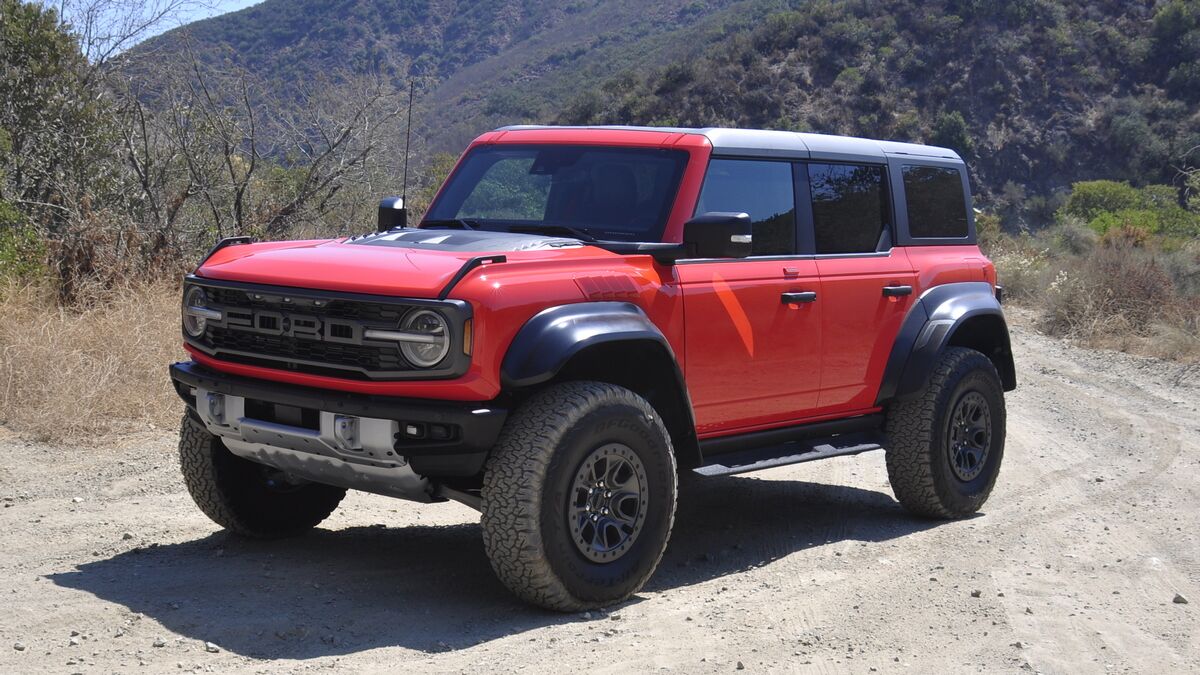
Phase 3: Formal NHTSA Intervention (2024–2025)
Following a comprehensive review of field reports, the NHTSA and Ford formalized the recall process. This latest action represents a systemic attempt to resolve the issue for all remaining affected units, ensuring that owners of 2021 and 2022 models are provided with a permanent, engineered solution.
Supporting Data and Technical Context
The recall encompasses both the 2-door and 4-door variants of the 2021 and 2022 Bronco. The technical root cause is an adhesion failure within the manufacturing process of the MIC hardtop.
To provide context on the scale:
- Total Affected Units: 16,200 vehicles.
- Production Range: The recall affects specific builds produced during the initial two years of the vehicle’s production cycle.
- The Remedy: Ford has developed an updated manufacturing protocol. Replacement hardtops will utilize a revised bonding agent and an improved structural laminate that is better equipped to handle varying climates, from the extreme heat of the American Southwest to the freeze-thaw cycles of the Northern states.
This data underscores the difficulty automakers face when transitioning from prototype-level components to mass-production manufacturing, particularly with composite materials like those used in the Bronco’s roof.
Official Responses and Owner Logistics
Ford has been transparent about the logistical timeline for the remedy, though some owners may find the wait times frustrating. The company has structured the rollout of this recall to ensure that replacement parts are manufactured and distributed to dealerships across the country effectively.
What Owners Should Do
- Check for Notifications: Ford will begin notifying affected owners via mail by May 29, 2026. If you own a 2021 or 2022 Bronco, it is advised to monitor your mail closely.
- Verify Your VIN: Because mailing lists can sometimes be outdated, owners should take the initiative to verify their vehicle status using the KBB Recall Center or the official NHTSA website. You will need your 17-digit Vehicle Identification Number (VIN).
- Schedule Service: Once the official remedy becomes available—scheduled for November 5, 2026—owners are encouraged to contact their local Ford or Lincoln dealer. The replacement of the hardtop is performed at no cost to the owner.
Ford’s official stance emphasizes that they are committed to "delivering the best possible experience for our customers" and that this recall is a necessary step to ensure the long-term durability and safety of the Bronco platform.
Implications: Brand Loyalty and Vehicle Value
The Bronco recall highlights several broader implications for the automotive industry and the consumer market.

Impact on Resale Value
For current owners, a recall can be a double-edged sword. While it provides a "free" upgrade to a more durable component, the presence of an open recall on a vehicle history report can temporarily impact resale value. However, once the repair is completed, the vehicle is often considered more desirable, as it features a modernized, factory-authorized roof that is free from the original defects. Prospective buyers in the used market should look for documentation verifying that the roof replacement has been completed.
The Challenge of Modern Vehicle Complexity
This situation serves as a case study in the risks of utilizing new, proprietary materials in modular vehicle designs. As consumers demand more customization—such as removable roofs and modular body panels—automakers are pushed to innovate at a pace that sometimes outstrips the long-term durability testing of those materials. The Bronco’s struggle with its roof highlights the delicate balance between form and function.
Trust and Transparency
Ford’s decision to issue this recall demonstrates a standard of accountability that is essential in the automotive sector. By proactively acknowledging the flaw and offering a no-cost resolution, the company is attempting to maintain the trust of a loyal, off-road-focused customer base. In an era where vehicle defects can cause significant reputational damage, the speed and efficiency with which Ford handles the replacement process will likely be the primary metric by which customers judge the company’s commitment to quality.
Conclusion
The recall of 16,200 Ford Broncos is a significant event for one of the most popular SUVs on the market. While the prospect of a roof defect is concerning, the path to resolution is clear. By leveraging the tools provided by the NHTSA and authorized Ford dealerships, owners can ensure their vehicles remain safe and trail-ready. As the industry continues to evolve, the Bronco story remains a pertinent reminder of the importance of rigorous quality control and the necessity of manufacturer accountability in maintaining consumer confidence.
For those who have been waiting to address their hardtop issues, the upcoming remedy window provides the perfect opportunity to restore the integrity of their vehicle and enjoy the open-air freedom the Bronco was designed to deliver.
