

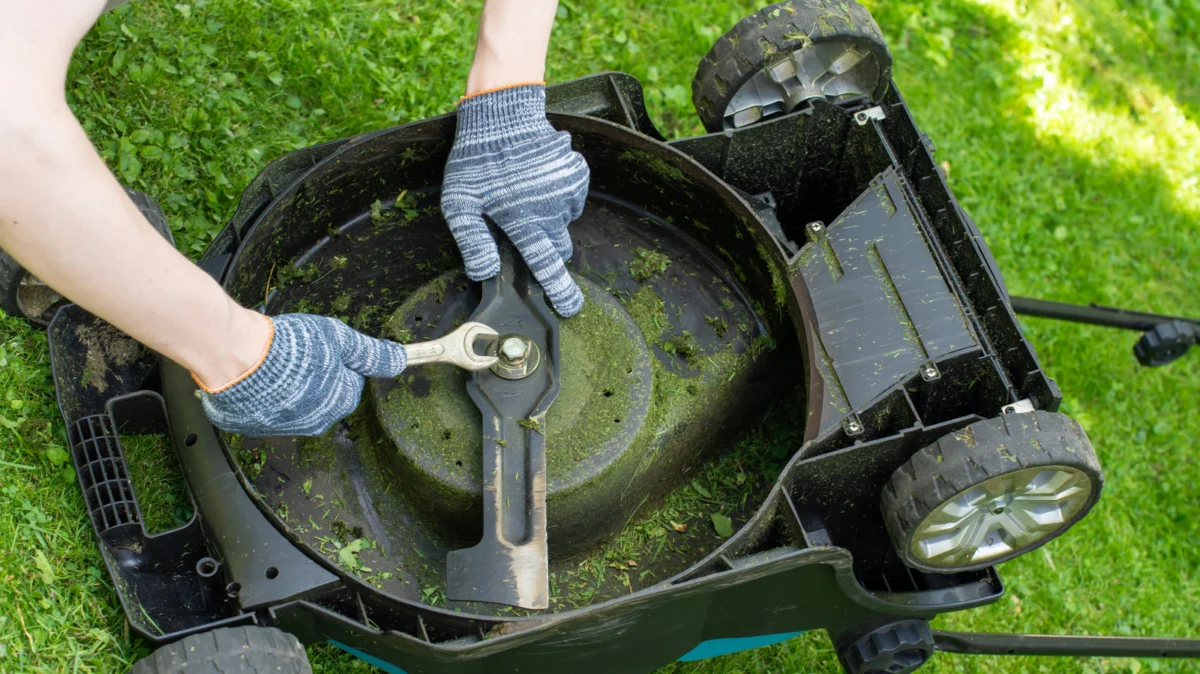
For the average homeowner, the lawn mower is often the most neglected piece of power equipment in the garage. While we prioritize oil changes for our vehicles and routine maintenance for our HVAC systems, the humble lawn mower blade is frequently left to dull into oblivion. However, landscape professionals and horticulturists agree: a sharp blade is the single most important factor in maintaining a healthy, vibrant lawn.
When your grass looks frayed, brown at the tips, or appears ragged shortly after mowing, your mower is likely "tearing" the grass rather than cutting it. This not only ruins the aesthetic of your yard but creates an entry point for pests and fungal diseases. To address this common maintenance hurdle, portable solutions like the Smith’s 50603 Handheld Lawn Mower Blade Sharpener have surged in popularity, offering a compact alternative to traditional bench grinders.
The Science of the Cut: Why Sharp Blades Are Non-Negotiable
To understand the necessity of blade maintenance, one must look at the biology of turfgrass. A healthy blade of grass is a living organism that relies on clean, surgical cuts to heal quickly. When a dull blade strikes the grass, it inflicts a blunt-force trauma, ripping the fibers rather than slicing through them.
The Biological and Mechanical Implications
- Turf Health: Torn grass tips leave an open wound that requires significant energy for the plant to repair. These jagged edges turn brown and dry out, giving your lawn a "scorched" appearance even when it is well-watered.
- Disease Vulnerability: Just as a clean cut heals faster on a human, a clean cut on grass minimizes the exposure time for pathogens to enter the vascular system of the plant.
- Engine Longevity: A dull blade creates significant drag. The engine must work harder, burn more fuel, and endure increased vibration, which can lead to premature failure of the mower’s spindle bearings and crankshaft.
The Evolution of Blade Sharpening: From Bench Grinders to Portable Tools
Historically, sharpening a lawn mower blade was a labor-intensive chore. It involved removing the deck, using a socket wrench to detach the blade, and bringing it to a workbench equipped with a high-speed bench grinder or a metal file. While effective, this process often deterred homeowners, leading to seasons of neglect.
The Shift Toward Portability
The emergence of handheld sharpeners, such as the Smith’s 50603, represents a shift toward "maintenance-as-you-go." These tools are designed for the average consumer who lacks the space for a full workshop or the technical expertise to operate heavy machinery. By utilizing a fixed carbide-and-guide arrangement, these devices remove the guesswork of maintaining the correct sharpening angle, which is historically the hardest part of the process for DIY enthusiasts.
Analyzing the Smith’s 50603 Handheld Sharpener
The Smith’s 50603 has become a focal point in the DIY landscaping market due to its accessible price point (typically around $20) and its minimalist design.
Key Features and Specifications
- Carbide Sharpening Blade: The core of the device is a coarse carbide insert, chosen for its ability to cut through the hardened steel of mower blades effectively.
- Safety Engineering: The tool incorporates a large finger guard, a critical feature when working with razor-sharp steel.
- Integrated Maintenance: The handle houses a wire-bristle brush, allowing the user to clean away the caked-on mud and dried grass clippings that often obscure the cutting edge.
- Dimensions: With a compact profile (approximately 7 ¼ inches long and 2 ¾ inches high), it is easily stored in a tool belt or a small drawer, unlike bulky power tools.
Chronology: The Process of Properly Sharpening Your Mower
Effective maintenance follows a specific sequence. Skipping steps—particularly cleaning or balancing—can lead to poor results regardless of the tool used.
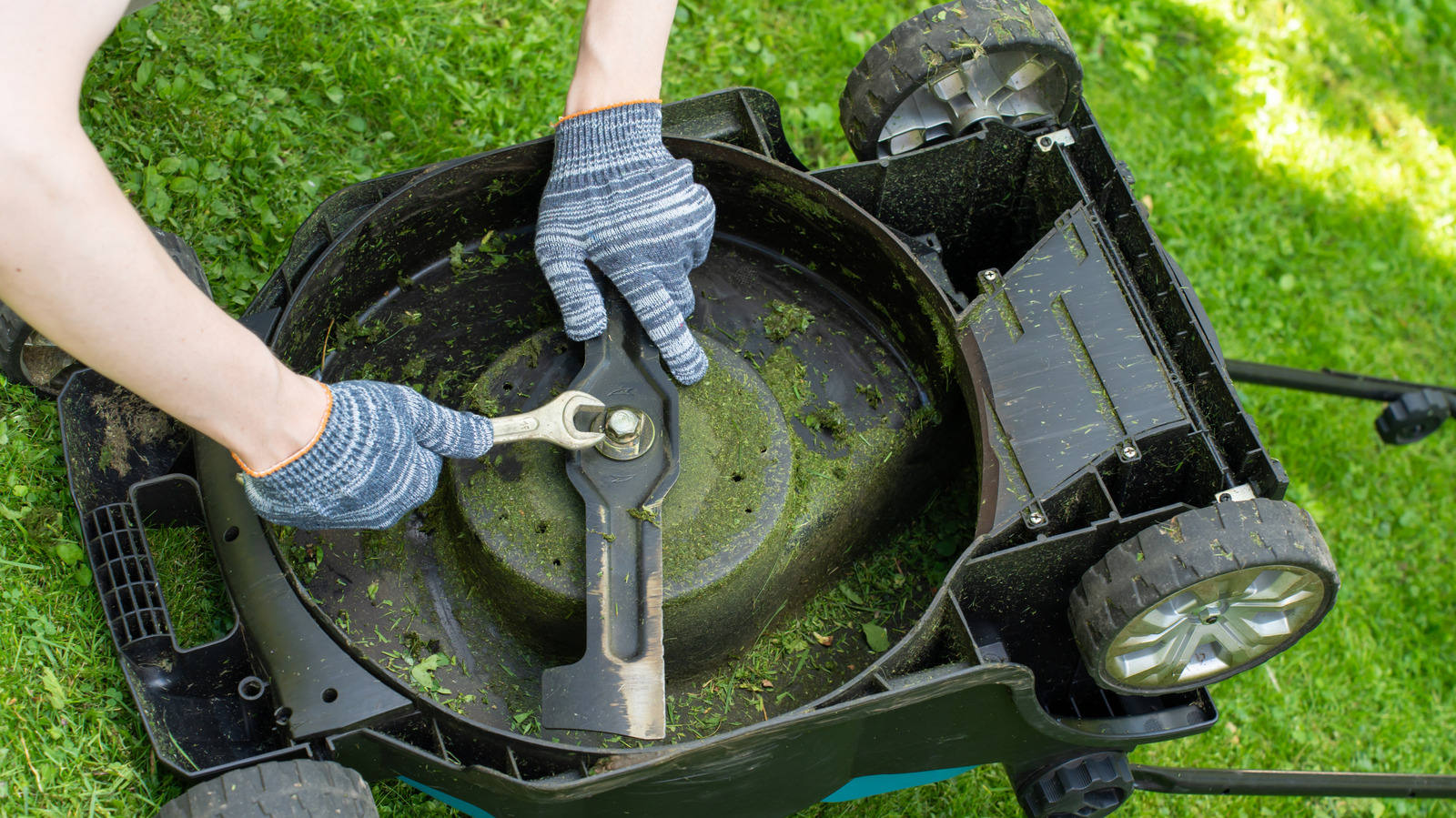
- Preparation (The Safety Phase): Always disconnect the spark plug wire before working on the mower. This is the golden rule of landscaping safety. Ensure the mower is on a level, stable surface.
- Cleaning (The Inspection Phase): Use the integrated wire brush to clear the underside of the blade. Often, what looks like a dull blade is simply one covered in layers of hardened organic matter.
- The Sharpening Phase: Using the handheld tool, apply steady, even pressure along the cutting edge. The goal is to restore the "factory edge" rather than create a razor-thin profile, which would quickly chip or dull.
- The Balance Check: This is the most frequently ignored step. If you sharpen one side of the blade more than the other, the blade will be off-balance. This causes the mower to vibrate violently, which can destroy the engine and deck.
- Testing: Once reinstalled, check for vibration by briefly running the mower in a safe, open area.
Supporting Data: Consumer Sentiment and Real-World Performance
The market reception for portable sharpening tools is a study in divided opinions. Analyzing user feedback on platforms like Amazon reveals a clear split between those who view the tool as a convenience and those who expect professional-grade longevity.
The Positive Consensus
Many users highlight the "ease of use" factor. For homeowners with smaller yards and standard residential mowers, the tool is viewed as a high-value purchase. The primary praise centers on the tool’s ability to "touch up" a blade during the mowing season, extending the time between professional sharpenings.
The Critical Perspective
Conversely, there are reports of the carbide blade wearing down prematurely or, in some cases, the plastic housing failing under heavy use. Professional landscapers often point out that a handheld tool is not a replacement for a professional grind. While a handheld sharpener is perfect for removing minor nicks and dullness, a blade that has been struck by rocks or tree roots may require a file or a bench grinder to properly restore the metal profile.
Implications for Homeowners: Is It Right for You?
When deciding whether to invest in a handheld sharpener, consider your specific needs:
- The Casual User: If you mow a standard quarter-acre lot and only need to sharpen your blade once or twice a season, the Smith’s 50603 is an excellent entry-level tool.
- The Heavy-Duty User: If your lawn is rocky, uneven, or over an acre in size, your blades will suffer significant damage. In this case, you may want to invest in a secondary "spare" blade. This allows you to swap a dull blade for a sharp one instantly, and sharpen the dull blade at your leisure.
- The Precision-Minded Gardener: If you take pride in a lawn that rivals a golf course, you will eventually need to graduate to more robust tools, such as a bench grinder or a dedicated blade balancing cone, to ensure the blade is perfectly weighted.
Conclusion: Balancing Convenience with Quality
The Smith’s 50603 Handheld Lawn Mower Blade Sharpener is not designed to replace the machine shop, but it is effectively democratizing lawn maintenance. By making the process faster and more accessible, it encourages homeowners to perform routine upkeep that would otherwise be ignored.
The secret to a lush, green lawn is rarely found in expensive fertilizers or complex irrigation systems; it is often found in the simple, mundane act of keeping your mower blade sharp. Whether you choose a handheld tool for quick touch-ups or a full bench-top setup, the key is consistency. By prioritizing your blade’s condition, you are investing in the long-term health of your lawn and the longevity of your equipment. As you evaluate your spring maintenance checklist, consider the state of your blades—your grass will thank you.
