

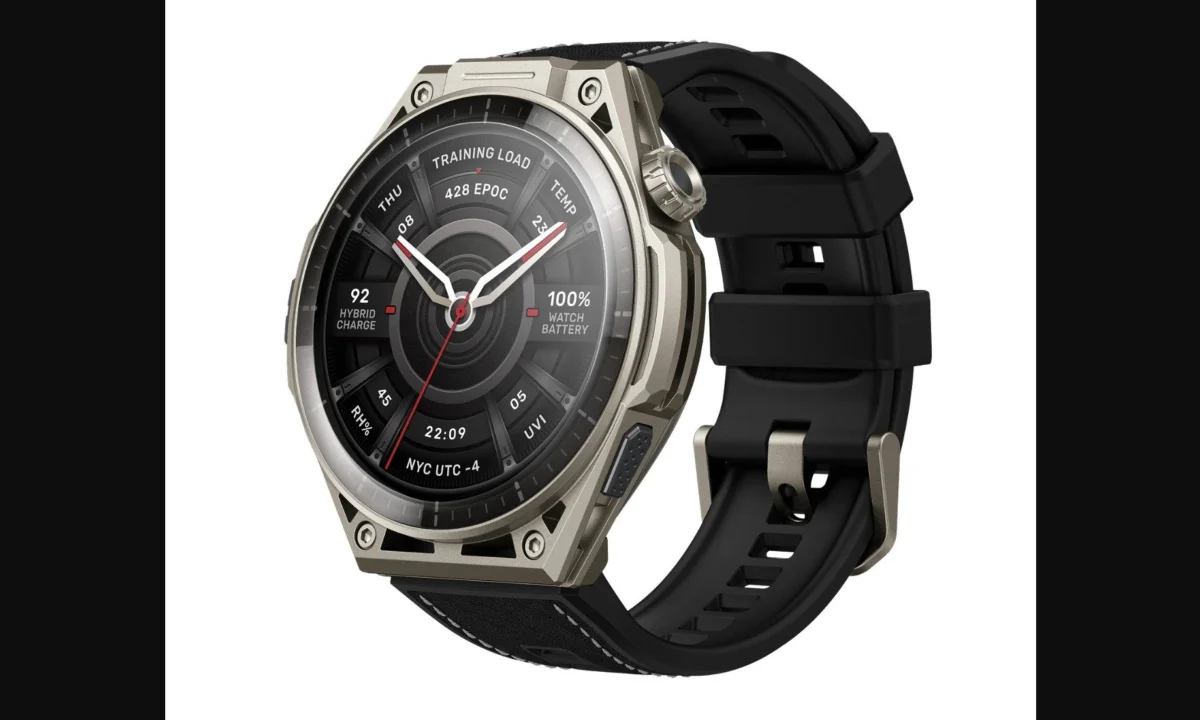
In the hyper-competitive world of fitness wearables, the divide between "training hard" and "training smart" has never been more pronounced. For years, athletes have been inundated with data—step counts, caloric burn, and distance metrics—often at the expense of understanding the physiological toll of their efforts. Enter the Amazfit Balance Ultra, a new flagship smartwatch designed to shift the focus from output to outcome, emphasizing the critical, often-overlooked role of recovery in human performance.
By integrating advanced biometric sensors with a holistic "Hybrid Training System," Amazfit is attempting to bridge the gap between high-intensity exertion and sustainable physiological health.
The Core Philosophy: Why Recovery Matters
The premise of the Balance Ultra is rooted in a fundamental physiological truth: progress does not occur during the workout itself, but in the recovery period that follows. Poor sleep, chronic stress, and improperly timed rest days are the primary culprits behind training plateaus and injuries.
The Balance Ultra addresses this by synthesizing a massive influx of data—including sleep quality, heart rate variability (HRV), blood oxygen saturation, breathing patterns, and stress levels—into a singular, actionable interface within the Zepp App. Rather than presenting these as disparate statistics, the watch contextualizes them, offering a unified view of the user’s readiness to perform.
Chronology of Development: A Shift Toward Holistic Fitness
The evolution of the Amazfit ecosystem has been steady, moving from basic activity trackers to sophisticated health monitors.
- Initial Iterations: Early Amazfit models focused on accessibility and battery life, catering to casual users and weekend warriors.
- The Data Pivot: With the introduction of the original Balance series, the company began integrating advanced sleep tracking and HRV monitoring, acknowledging that fitness is a 24-hour cycle.
- The Hybrid Training System (Present): The launch of the Balance Ultra marks a shift toward professional-grade recovery analytics. By incorporating features like "LifeLoad" and "BioCharge," Amazfit has moved into the domain of high-end sports science, aiming to compete with specialized recovery wearables like Whoop or Oura, but with the added utility of a full-featured smartwatch.
Supporting Data: Decoding the Hybrid Training System
The engine behind the Balance Ultra is its proprietary Hybrid Training System. To move users away from the "no pain, no gain" mentality, the device utilizes a suite of interconnected features:
1. BioCharge and LifeLoad
BioCharge acts as an energy management tool, estimating the user’s recovery state throughout the day. This is bolstered by LifeLoad, which accounts for the "hidden" stressors of daily life—office stress, poor sleep hygiene, or mental fatigue—that often go unnoticed by traditional fitness trackers.

2. Training Balance and Weekly Focus
These metrics provide the longitudinal context necessary for long-term improvement. By looking at a user’s rolling seven-day training load, the watch can suggest whether an athlete should engage in a high-intensity session or opt for active recovery. This prevents the "overtraining syndrome" that plagues many amateur athletes.
3. HYROX Integration
Perhaps the most notable addition for competitive athletes is the official integration of HYROX tools. Given the rise of hybrid fitness competitions—which require a combination of raw strength, anaerobic capacity, and endurance—the Balance Ultra offers race simulations, virtual pace guidance, and post-race analytics tailored specifically to this demanding sport.
The Hardware: Premium Engineering for Extreme Environments
While the software is the star of the show, the Balance Ultra is physically built to survive the environments where its users train. Amazfit has abandoned its more budget-friendly plastic builds in favor of a premium aesthetic and structural integrity.
- Build Quality: The device features a Grade 5 titanium case, known for its exceptional strength-to-weight ratio and corrosion resistance.
- Display: A 1.5-inch AMOLED display provides high-resolution visuals that remain legible even in direct sunlight, boasting a peak brightness of 3,000 nits.
- Durability: With 10ATM water resistance, the watch is suitable for high-speed water sports and deep-water swimming, not just surface-level activity.
- Navigation: Dual-band GPS and six-satellite positioning ensure that hikers and trail runners can maintain an accurate track even in dense foliage or urban canyons.
Official Perspective and Market Positioning
Amazfit’s decision to position the Balance Ultra at the $599.99 price point indicates a clear intent to challenge market leaders like Garmin and Apple. In a brief statement accompanying the launch, company spokespeople emphasized that the goal was to provide "pro-athlete insights to the everyday user."
The company believes that the democratization of recovery data is the next frontier of wearable technology. By making high-level metrics like HRV-based readiness scores available in a consumer-friendly package, they hope to foster a more sustainable approach to fitness.
Implications: The Future of "Smart" Training
What does the arrival of the Balance Ultra mean for the average consumer?
A Shift in User Behavior
The most significant implication is the potential for behavioral change. Users who once felt compelled to "hit a PR" every day may start to see their readiness scores plummet on high-stress days, encouraging them to prioritize rest. This could lead to a reduction in overuse injuries and burnout.

The Competition for the Wrist
The market for premium smartwatches is becoming increasingly crowded. With the Balance Ultra, Amazfit is no longer just selling a "cheaper alternative." They are selling a specialized tool that competes on the merits of its recovery-centric software. For consumers, this means more competition, which typically drives further innovation in health sensing technology.
Long-Term Health Monitoring
The integration of offline maps, music storage, and contactless payments alongside deep physiological tracking suggests that the "fitness tracker" is dead; the "comprehensive health companion" has arrived. The ability to manage one’s entire daily routine—from training and hydration to payment and navigation—without a smartphone creates a level of autonomy that was previously reserved for niche, expensive gear.
Battery Life and Practicality
One of the most common complaints regarding flagship smartwatches is the "charger anxiety" caused by devices that last less than 24 hours. The Balance Ultra addresses this with substantial efficiency gains.
- Standard Usage: Up to 30 days.
- Always-On Display: Up to 10 days.
- Continuous GPS Tracking: Up to 50 hours.
These figures represent a significant advantage over competitors that require nightly charging. For the endurance athlete or the busy professional, the convenience of a watch that can track a week’s worth of training without tethering to a power outlet is a major selling point.
Final Thoughts: Is It Worth the Investment?
The Amazfit Balance Ultra is a sophisticated piece of hardware that asks a profound question of its user: Are you listening to your body, or are you just measuring it?
For those who treat fitness as a lifestyle—incorporating everything from strength training and running to high-intensity gym challenges like HYROX—the Balance Ultra offers a compelling suite of tools. It provides the necessary friction-free data to make informed decisions about rest and recovery, all housed in a chassis that is as durable as it is stylish.
At $599.99, it is an investment in long-term health. While the market is flooded with devices that promise to track your movement, the Balance Ultra is one of the few that actually helps you understand the nuance of your existence. As wearables continue to evolve, the devices that survive will be the ones that don’t just record the past, but guide the future. By focusing on recovery as the bedrock of performance, Amazfit has created a roadmap for a healthier, more sustainable way to train.
