

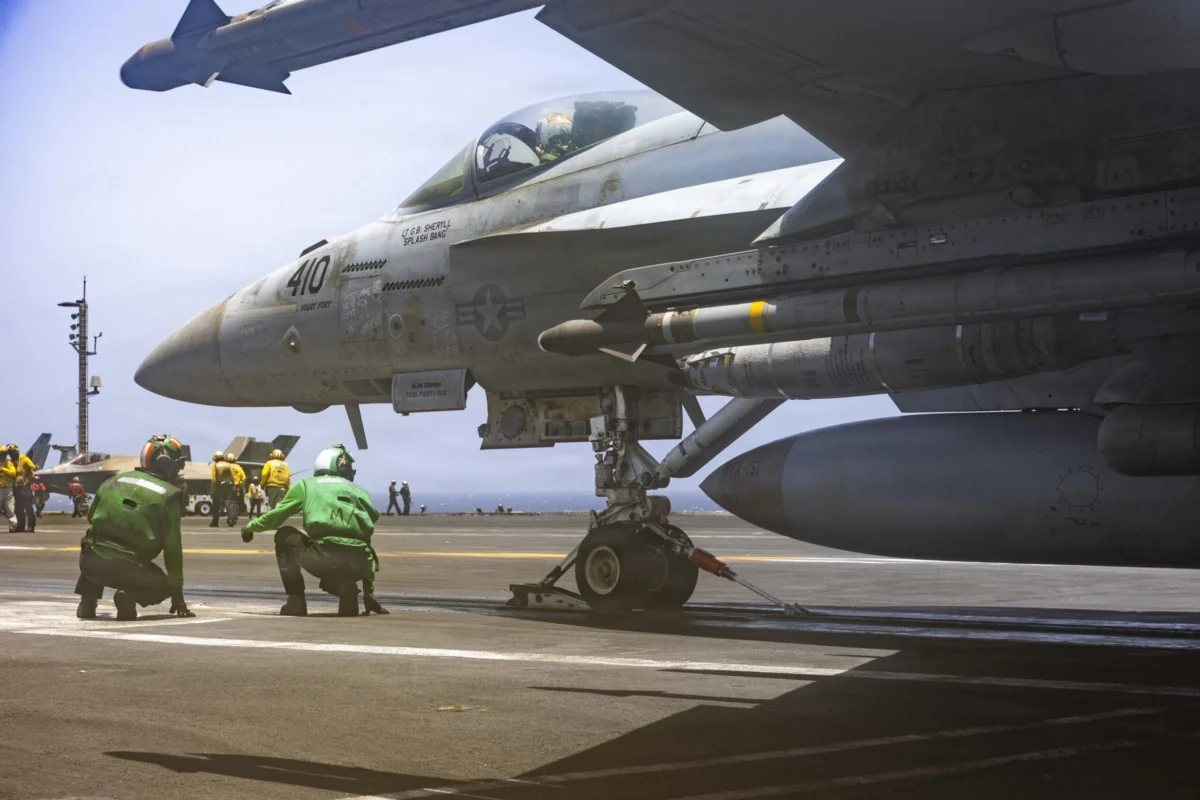
The diplomatic veneer of a ceasefire between the United States and Iran has largely evaporated, leaving behind a precarious, high-stakes standoff in one of the world’s most critical maritime chokepoints. While formal peace talks have effectively stalled, the Strait of Hormuz—the global artery for a significant portion of the world’s energy supply—has become a theater of "gray-zone" warfare. Despite the persistent threat of kinetic conflict, recent data reveals that maritime traffic through the waterway is far more resilient than previously estimated, sustained by a complex, clandestine game of cat-and-mouse between Western naval forces and the Iranian military.
A New Baseline: Understanding the Traffic Through the Strait
For months, global observers feared the total closure of the Strait of Hormuz. Following the outbreak of hostilities between the U.S.-Israel coalition and Iran on February 28, 2026, daily transit volumes plummeted from over 100 ships to a trickle. However, new intelligence from the last sixty days—coinciding with the current, albeit fragile, ceasefire—paints a more nuanced picture.
According to sources familiar with U.S. force tracking, nearly 1,000 commercial vessels have successfully navigated the strait since the start of April. This figure, averaging roughly 17 ships per day, represents a significant uptick in activity that challenges earlier reports of a near-total blockade. The data, which includes a high volume of large-scale cargo and container vessels, suggests that the shipping industry is slowly adapting to a "new normal," characterized by the deliberate use of unconventional routes and "dark" sailing practices.
Reconciling Disparate Maritime Data
The discrepancy between various tracking reports highlights the difficulty of monitoring a conflict zone where participants are actively trying to remain undetected. U.S. Navy data provided by the Joint Maritime Information Center initially tallied 558 cargo ships and tankers between March 1 and June 3. Meanwhile, the maritime data firm Kpler recorded 895 crossings between March 1 and May 19. The higher 1,000-ship figure recently disclosed is believed to account for "dark" vessels—ships that disable their Automatic Identification Systems (AIS) to avoid detection by hostile actors—as well as those utilizing alternative lanes along the Omani coast, far from the primary shipping channels favored by the Iranian Revolutionary Guard Corps (IRGC).
Chronology of Escalation and Adaptation
The transformation of the Strait of Hormuz into a combat zone did not happen overnight. Since the onset of the war in February, the IRGC has sought to weaponize the waterway as a primary lever of geopolitical pressure.
- Late February/March 2026: The conflict ignites. The IRGC establishes a "sanctioned" shipping lane, demanding tolls from commercial vessels. Ships attempting to navigate outside this zone are subjected to harassment or direct kinetic strikes.
- April 2026: The U.S. Navy initiates proactive mine-clearing operations and deploys destroyers to re-establish freedom of navigation near the Omani coastline.
- May 2026: The U.S. launches "Project Freedom," a short-lived initiative to facilitate mass commercial transit. While the program ended quickly, it paved the way for "quiet overwatch" operations.
- Late May/Early June 2026: Repeated, intense skirmishes occur. The U.S. military conducts self-defense strikes against Iranian coastal radar sites and missile batteries in Goruk and on Qeshm Island.
- Current Status: A state of persistent, low-level conflict exists where the U.S. provides tactical guidance to ships, and Iran continues to utilize asymmetric tactics, including drone swarms and fast-attack boat sorties.
The Strategy of "Quiet Overwatch"
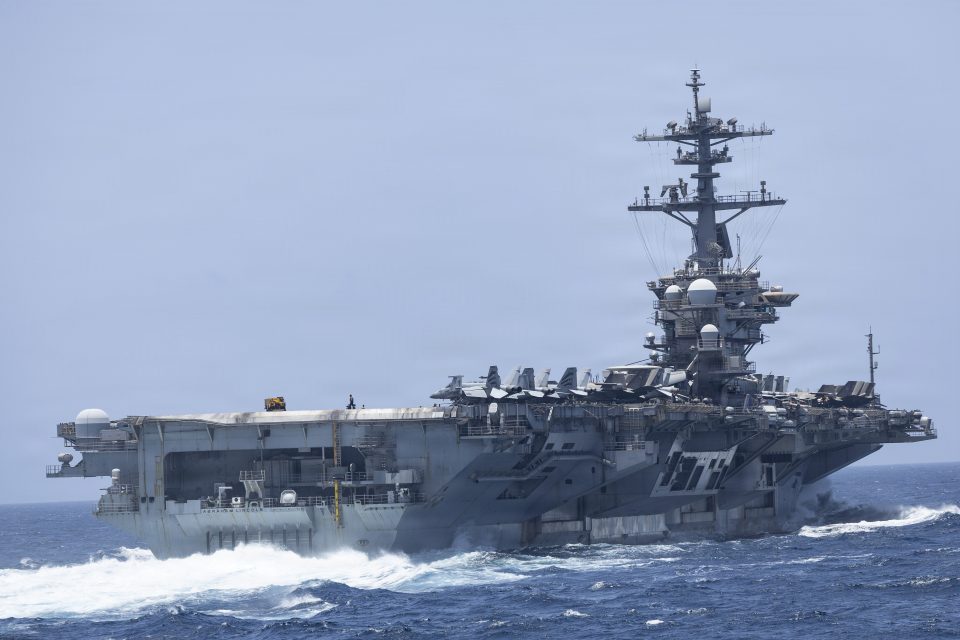
Central Command (CENTCOM) has maintained a policy of deliberate ambiguity regarding its role in the strait. While they have explicitly stated they are not "escorting" vessels—a move that could be interpreted as a direct escalation—they are providing what analysts call "quiet overwatch."
This involves using sophisticated radar, high-altitude surveillance drones, and naval assets to maintain a persistent watch over the strait. U.S. forces provide commercial operators with real-time intelligence on when to enter the strait, when to go "dark" to avoid Iranian surveillance, and how to maneuver in response to potential threats.
This strategy appears to be yielding results. Over a recent three-week period, sources indicate that CENTCOM guided approximately 70 vessels through the strait. Furthermore, the presence of U.S. naval assets—often unseen—acts as a deterrent; shipowners have reported instances where Iranian fast-attack boats suddenly broke off their approach after the mysterious appearance of military helicopters in the vicinity.
Official Responses and Tactical Reality
The rhetoric from the U.S. military remains focused on the maintenance of international maritime law. When pressed on the recent surge in defensive strikes, CENTCOM officials emphasized the necessity of protecting global trade. Following a series of missile and drone launches by Iranian forces toward the strait on June 5, a CENTCOM statement clarified the U.S. position: "The attack drones posed an immediate threat to regional maritime traffic. U.S. forces subsequently struck Iranian coastal surveillance radar sites in Goruk and on Qeshm Island to defend against further maritime attacks."
The IRGC, conversely, continues to frame its presence as an exercise of sovereign rights, using the strait to exert leverage over the West. The regime’s willingness to engage in direct fire—including shooting down U.S. surveillance drones and laying underwater mines—suggests that Tehran is not yet prepared to relinquish its control over this strategic chokepoint.
The Broader Implications: A World Without the Gulf
As the global oil markets hover on the precipice of a supply shock—with crude reserves expected to hit critical lows in the coming weeks—the long-term implications of a closed or contested Strait of Hormuz are becoming clearer.
Economic Adaptation
Christopher Smart, a former trade adviser in the Obama administration, recently noted in a New York Times op-ed that the world is beginning to realize it cannot rely on the Gulf for 20% of its energy needs indefinitely. The forced adaptation of the global supply chain, while painful, may be creating a permanent shift.
"Desperate buyers always manage to find new sellers when the old ones can’t deliver," Smart wrote. "The longer the world lives without the Gulf’s supplies, the easier it gets."
The "New Normal"
This "new normal" is defined by extreme risk management. Shipping companies are no longer operating under the assumption of guaranteed safety. Instead, they are factoring in the cost of risk, the need for private security, and the necessity of coordination with foreign naval powers.
The successful passage of 142 previously "stranded" vessels since March, as reported by Lloyd’s List, is a testament to this shift. Maritime operators are becoming increasingly comfortable navigating under the shadow of potential conflict, provided they have the intelligence and backing of a superior naval force.
Conclusion: A Fragile Equilibrium
The situation in the Strait of Hormuz remains the most significant maritime flashpoint in the modern era. While the U.S. military has successfully carved out a precarious path for commercial shipping, the underlying tensions remain unresolved. Iran’s use of the strait as a strategic hostage continues to define the parameters of the conflict.
As we look toward the remainder of the year, the stability of the global energy market will likely depend on the effectiveness of this "quiet overwatch" and the resilience of commercial shippers to continue operations in a contested environment. The ceasefires may be dead, but the commerce must flow—and for now, that flow is maintained through a blend of high-tech surveillance, naval muscle, and the sheer necessity of global trade. Whether this fragile equilibrium can hold in the face of further Iranian escalation remains the central question of the regional security landscape.
