

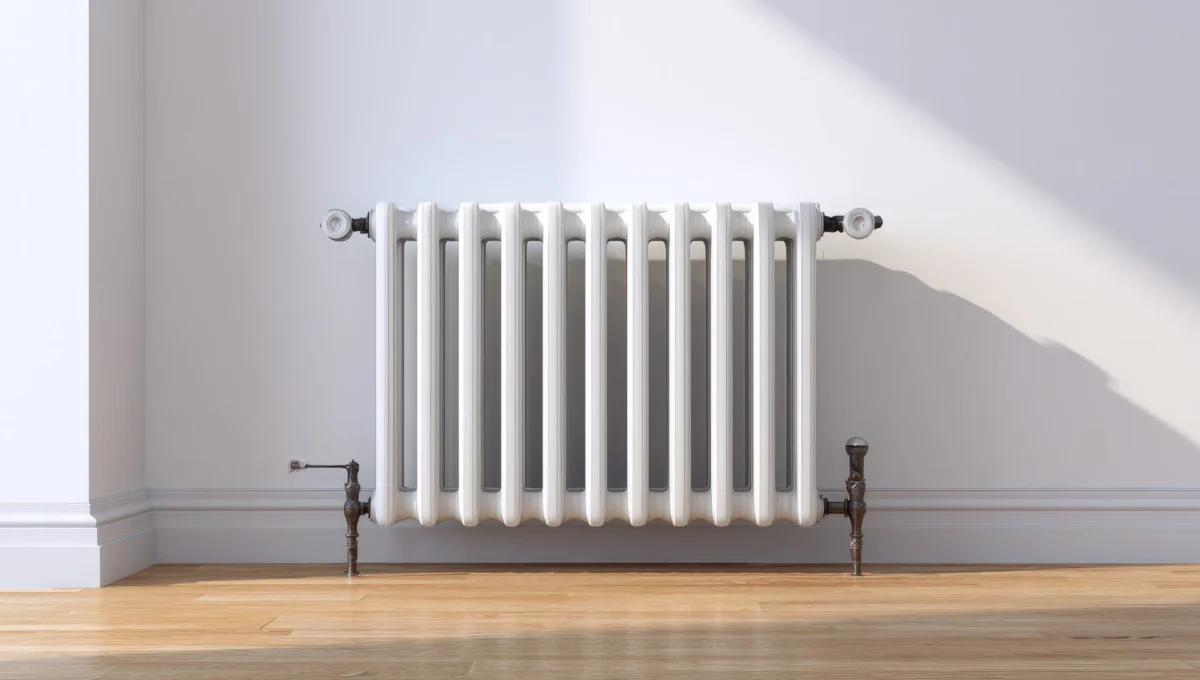
When winter temperatures plummet, the choice of a home heating system becomes a critical factor in both comfort and long-term financial planning. Among the various solutions available to modern homeowners, baseboard radiators remain a stalwart, low-profile, and highly effective option. While often overshadowed by flashy forced-air systems or high-efficiency heat pumps, baseboard radiators offer unique advantages in zoned heating and reliability.
However, before committing to an installation, homeowners must navigate a complex landscape of pricing, technical requirements, and long-term maintenance expectations. This comprehensive guide breaks down the financial and practical considerations of installing baseboard radiators in your home.
Main Facts: Understanding the Basics of Baseboard Heating
Baseboard radiators are heating units installed along the floor, typically beneath windows, to provide a steady, consistent thermal barrier against the cold. Unlike forced-air systems, which rely on fans to circulate air through ductwork, baseboard radiators operate primarily through convection—drawing in cool air from the floor, heating it, and allowing it to rise naturally into the room.
Key Financial Overview
The average cost for professional baseboard radiator installation typically ranges between $200 and $1,200 per unit. This price is contingent upon several variables:

- System Type: The choice between electric and hydronic (hot water/oil) models is the primary driver of cost.
- Scope of Project: New installations, which may require running new electrical circuits or plumbing lines, are significantly more expensive than simple unit replacements.
- Regional Labor: Local labor rates for HVAC contractors and electricians vary by cost of living.
- System Scale: Larger homes require more linear feet of radiator coverage, increasing the total materials and installation time.
Chronology: The Evolution and Implementation of Modern Radiators
Historically, the evolution of residential heating moved from central fireplaces to steam radiators, and eventually to the streamlined baseboard units we see today. The implementation of a modern baseboard system usually follows a specific professional workflow designed to ensure safety and code compliance.
- Initial Assessment and Load Calculation: An HVAC technician evaluates the "thermal envelope" of your home. This involves calculating square footage, window exposure, and insulation levels to determine the necessary BTUs (British Thermal Units) or wattage required for each room.
- Infrastructure Preparation: For electric systems, this involves installing dedicated circuits from the breaker panel. For hydronic systems, this involves integrating the new units into the home’s existing boiler loop or installing a new boiler.
- Physical Installation: The mounting of the baseboard chassis, the connection of heating elements, and the installation of decorative covers.
- System Balancing and Testing: Once connected, the professional tests the flow of water (for hydronic) or the electrical resistance (for electric) to ensure the system reaches operating temperature without shorting or leaking.
- Final Inspection: Ensuring that the installation meets local building codes, including proper venting and clearance from flammable materials.
Supporting Data: Electric vs. Hydronic Comparisons
The decision between electric and hydronic systems is often the most significant choice a homeowner will make. The table below illustrates the cost breakdown based on industry data from sources like HomeGuide.
| Heating Type | Cost per Unit (Material Only) | Cost Including Professional Installation |
|---|---|---|
| Electric | $50 – $130 | $200 – $1,100 |
| Hydronic | $180 – $320 | $430 – $1,200 |
Efficiency Metrics
- Electric: These units are generally easier to install because they don’t require plumbing. However, they are often less energy-efficient in terms of long-term operational costs, as electricity rates frequently exceed the cost of natural gas or oil used in boilers.
- Hydronic: While the upfront investment is higher due to the complexity of piping and boiler integration, hydronic systems are widely considered superior for whole-home heating. The liquid medium retains heat far longer than electric coils, meaning the boiler cycles on and off less frequently, leading to lower monthly utility bills in colder climates.
Official Responses and Expert Perspectives
To gain a clearer understanding of the practical application of these systems, we spoke with Mitch Rosa, owner of Hudson Valley HVAC in Orange County, New York.
"People tend to ignore them, but baseboard radiators are one of the most effective ways to heat a home," Rosa explains. His perspective highlights a common trade-off: while the heating performance is superior in terms of comfort, the physical footprint of the units requires careful planning. "They use up a lot of space, and homeowners don’t always like to lose that wall space for furniture placement," he notes.

Rosa also emphasizes the importance of proper sizing. "Every home is like a body," he says. "It needs to breathe. If you run undersized heating solutions, it’s like running with cotton in your nose. You’re going to be working harder and cause a ‘heart attack’ to the system." He stresses that homeowners should never attempt a DIY installation for these systems, as improper wiring or plumbing can lead to catastrophic failure, voided warranties, and significant safety risks.
Implications: The Long-Term Reality of Baseboard Heating
Choosing baseboard radiators has lasting implications for your home’s air quality, maintenance schedule, and comfort profile.
The "Zoning" Advantage
Unlike central HVAC systems that heat the entire house to one temperature, baseboard radiators offer natural "zoning." Because each unit can be controlled by a local thermostat or dial, you can maintain different temperatures in different rooms. This is a massive advantage for energy savings—you don’t need to pay to heat a guest bedroom that is rarely used.
Air Quality and Comfort
A significant, often overlooked benefit of hydronic baseboard heating is its impact on indoor air quality. Forced-air systems, which use ducts, are notorious for circulating dust, allergens, and pet dander throughout the house. Furthermore, forced air often strips moisture from the air, requiring homeowners to invest in secondary humidification systems. Radiators provide a gentle, silent heat that does not dry out the air, creating a more comfortable living environment for those with respiratory sensitivities.

Maintenance Considerations
While baseboard radiators are relatively low-maintenance, they are not "install and forget" appliances:
- Electric Maintenance: Requires cleaning dust out of the fins every six months to prevent fire hazards and ensure proper airflow.
- Hydronic Maintenance: Requires "bleeding" the system once a year to remove trapped air pockets that can cause clanking noises and cold spots.
- Operational Hygiene: As Rosa suggests, keeping furniture at least three inches away from the unit is mandatory. Blocking the radiator prevents the convective loop from functioning, effectively wasting energy and putting undue stress on your boiler.
The Trade-off: Aesthetics and Flexibility
The primary drawback remains the lack of air conditioning. Homeowners who install baseboard heat often find themselves needing a separate solution for cooling, such as ductless mini-splits or window units. Additionally, the fixed nature of baseboard units limits interior design options, as curtains must be kept short and furniture must be placed strategically to avoid blocking heat output.
Conclusion: Is Baseboard Heating Right for You?
Baseboard radiators remain a highly cost-effective, reliable, and comfortable solution for many homes, particularly in older properties where installing ductwork for central air would be prohibitively expensive or structurally impossible.
When planning your project, prioritize long-term efficiency over short-term savings. While electric units are cheaper to buy, the operational efficiency of a hydronic system usually pays for itself over time, especially in regions with severe winters. Always secure at least three quotes from licensed HVAC professionals, and ensure that your contractor performs a formal load calculation to verify that the equipment you are installing is correctly sized for your living space. By focusing on proper installation and consistent annual maintenance, you can ensure that your baseboard heating system provides decades of reliable warmth for your family.
