

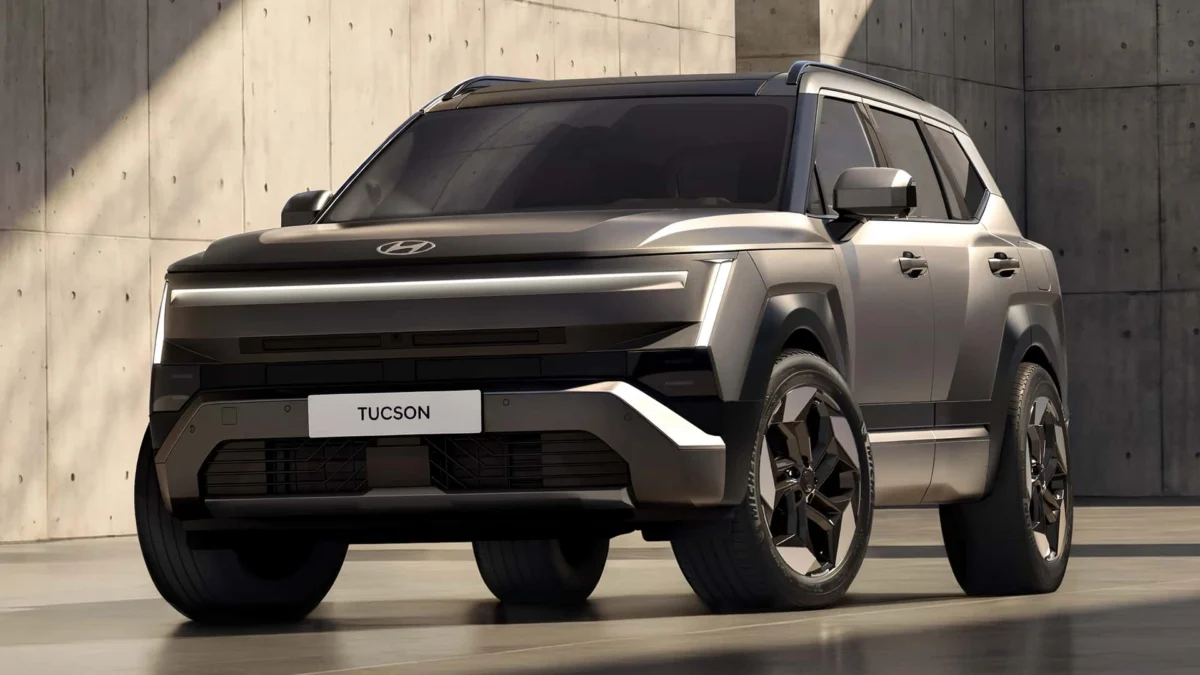
The automotive landscape is currently witnessing a masterclass in market anticipation. Hyundai, a brand that has spent the last decade aggressively shedding its "budget-friendly" image in favor of bold, design-led innovation, has once again struck gold. The fifth-generation 2027 Hyundai Tucson has not merely arrived; it has arrived with a force that has caught even industry analysts by surprise. By smashing previous internal records for pre-orders, the new Tucson signals that Hyundai’s aggressive pivot toward radical aesthetics and high-tech integration is resonating deeply with the modern consumer.
The Unprecedented Surge: A New Sales Benchmark
When the order books for the 2027 Tucson officially opened, the automotive industry watched with bated breath. The result was a staggering 15,045 pre-orders placed within the first 24 hours. To put this in perspective, the outgoing fourth-generation model—a vehicle that helped propel Hyundai to record-breaking annual sales—managed 10,842 pre-orders during its own launch window in 2020.
This roughly 40 percent increase in initial demand is a rare feat in a saturated SUV market. It suggests that the "radical redesign" touted by Hyundai designers has not alienated the existing customer base but has instead expanded the vehicle’s appeal to a broader, more style-conscious demographic.
According to data reported by The Korean Car Blog, the consumer base for the new Tucson is bifurcated in an interesting way. While 44 percent of buyers opted for the premium flagship trims—suggesting a high level of brand confidence and a willingness to pay for luxury features—a significant 33 percent of buyers flocked to the entry-level configurations. This dual-track success indicates that the new Tucson has successfully positioned itself as both a value-oriented proposition and a sophisticated, tech-forward status symbol.
A Radical Design Evolution
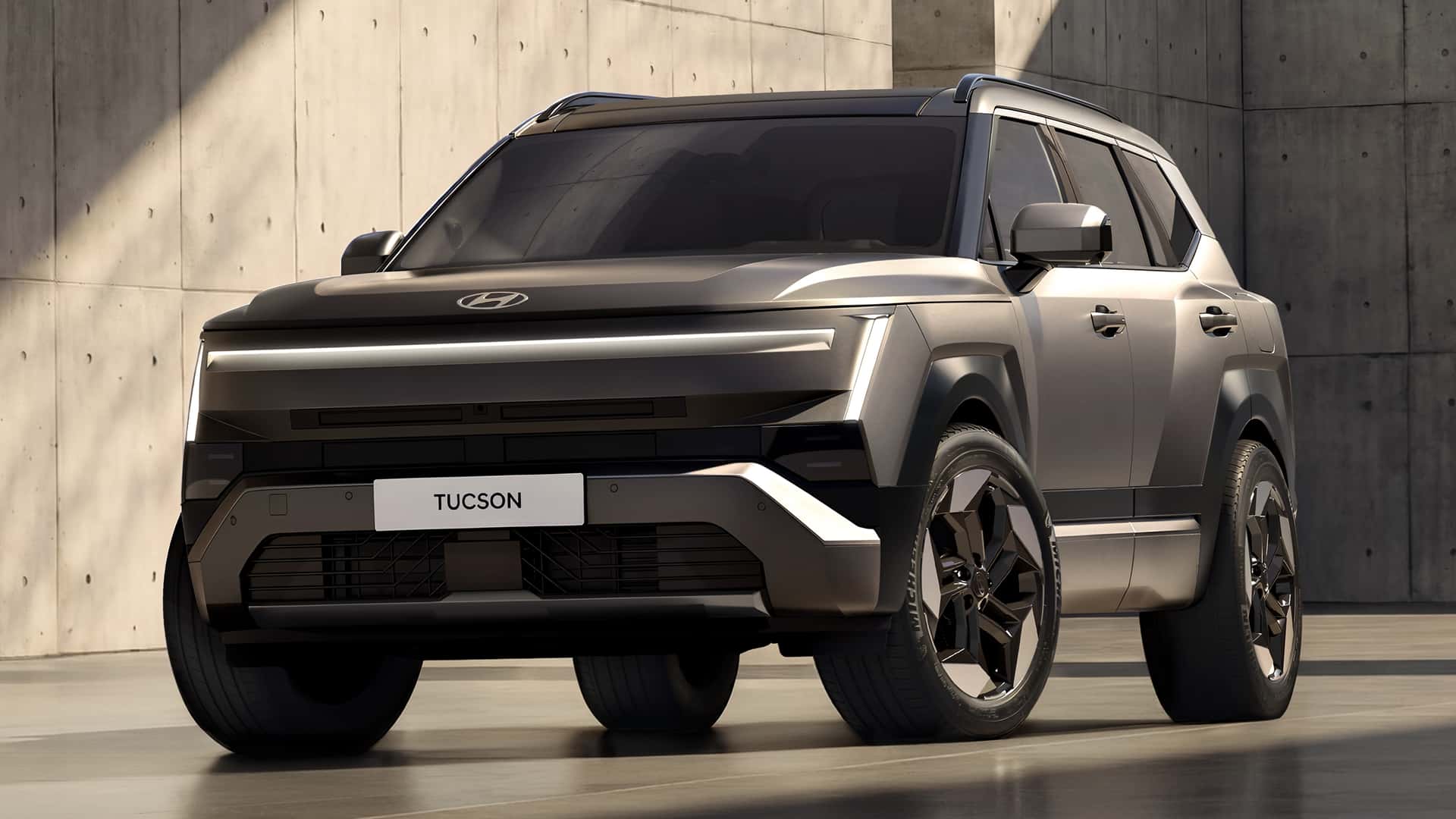
The 2027 Tucson represents a departure from the "sensuous sportiness" design language that defined the previous iteration. The new vehicle features sharper, more angular lines that borrow cues from the brand’s high-end electric vehicle (EV) lineup. It is a bolder, more aggressive silhouette that commands a larger road presence, which is backed up by its physical dimensions.
The new model is 2.3 inches longer, 1.57 inches wider, and 0.8 inches taller than its predecessor. These seemingly minor adjustments in millimeters result in a palpable difference in interior volume, providing significantly more passenger legroom and cargo utility. The design team has effectively used the increased footprint to emphasize the vehicle’s "tough" aesthetic, particularly with the introduction of the XRT trim, which leans into an off-road-inspired look that appeals to the growing segment of consumers who desire a rugged SUV aesthetic for their daily commute.
The Digital Cockpit: Tech-Focused yet Tactile
One of the most debated aspects of modern vehicle design is the transition to all-touch interfaces. Hyundai has navigated this transition by adopting its new "Pleos" infotainment system while acknowledging the need for ergonomics. The centerpiece is a massive 17.0-inch central display, which serves as the command center for navigation, entertainment, and vehicle settings.
However, unlike many competitors who have completely eliminated physical buttons, Hyundai has struck a compromise. A slim 9.9-inch digital driver display is positioned high on the dashboard, carefully aligned with the driver’s natural eyeline. This configuration prioritizes the driver’s focus, ensuring that critical information is accessible without requiring a deep dive into sub-menus. The retention of certain physical controls alongside the high-resolution touch interface represents a "best of both worlds" approach that is already proving popular with early adopters who prioritize usability over minimalist aesthetics.
Chronology of a Success Story
To understand the significance of the 2027 Tucson’s launch, one must look at the recent history of the nameplate:
- 2020: The fourth-generation Tucson launches with a futuristic design that marks the brand’s shift toward bold styling, securing 10,842 pre-orders.
- 2023-2025: The Tucson cements itself as a global best-seller for Hyundai, with consistent year-over-year growth despite global supply chain fluctuations.
- Q3 2026: As the end of the fourth-generation life cycle approaches, Hyundai reports a 32 percent surge in quarterly sales, proving the model’s enduring popularity.
- Late 2026: Hyundai officially reveals the fifth-generation 2027 model.
- Launch Day: The 2027 Tucson breaks the company’s internal pre-order record with over 15,000 units in 24 hours.
Supporting Data: Why the Tucson Remains a Titan
The success of the new model is underscored by the continued strength of the outgoing version. Despite being a "lame duck" model, the fourth-generation Tucson saw its sales increase by 10 percent year-to-date in 2026, totaling 181,687 units. This performance is largely attributed to the vehicle’s versatile powertrain options, particularly the hybrid models.
With U.S. gas prices remaining a point of contention for consumers, the Tucson’s hybrid offerings have become a critical factor in its market dominance. By offering a range of internal combustion and hybrid powertrains, Hyundai has ensured that the Tucson remains the default choice for buyers looking to mitigate fuel costs without sacrificing the comfort of a mid-size SUV. The transition to the fifth generation will retain this focus, with two distinct hybrid configurations designed to meet varying levels of performance and efficiency needs.
Official Stance and Strategic Implications
Hyundai has not yet released finalized pricing for the North American market, but executives have expressed high confidence that the new model will push the brand toward a new annual sales record. The strategy is clear: provide a "premium experience" at a mid-market price point. By investing heavily in the cabin experience—specifically the high-end display tech—Hyundai is positioning the Tucson to compete not just with its direct segment rivals like the Toyota RAV4 and Honda CR-V, but also with entry-level luxury crossovers.
The implications of this launch are significant. If the 15,000+ pre-orders in Korea are a leading indicator of global sentiment, Hyundai is likely to face a massive production challenge. Ensuring that the supply chain can keep pace with this level of demand will be the primary concern for the brand in the coming year. Furthermore, the success of the 2027 model serves as a validation of Hyundai’s design philosophy, likely encouraging the company to continue taking bold, unconventional risks with future product refreshes across the Santa Fe and Palisade lines.
Looking Ahead
As we move into 2027, the automotive industry will be watching the Tucson’s performance in the North American and European markets. The combination of a more spacious interior, a sophisticated digital interface, and a proven track record of reliability makes the new Tucson a formidable contender.
For the consumer, the fifth-generation Tucson offers a compelling case for the transition to a modern, hybrid-focused lifestyle. For the industry, it is a reminder that in a world of increasingly homogenous SUVs, a radical design and a thoughtful interior can still move the needle in ways that simple engineering updates cannot. Hyundai has set a high bar, and the market’s immediate response suggests they are more than willing to reach for it. As the first units begin to hit the road, the question remains: will the Tucson continue to reign supreme, or will its bold aesthetic prove too divisive for the mass market in the long term? Based on the current pre-order data, the answer appears to be a resounding, record-breaking yes.
