

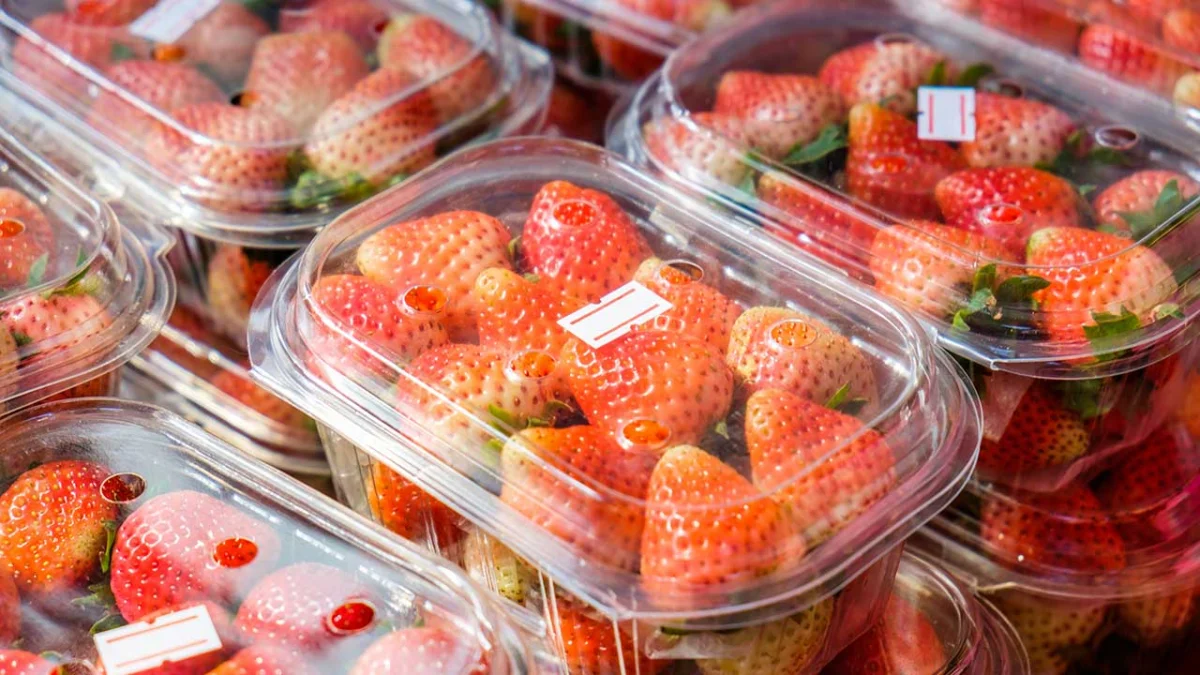
By 2028, the aisles of your local grocery store will look fundamentally different. The familiar clamshell plastic containers cradling strawberries will likely be replaced by sturdy, ventilated cardboard. Microwaveable meal trays—historically dominated by black, non-recyclable plastic—will shift to clear or white materials, and the ubiquity of single-use plastic bags will be curtailed by new mandates.
These aren’t just the whims of retail design; they are the tangible manifestations of California’s Senate Bill 54 (SB 54), the most aggressive packaging legislation in the United States. Following the finalization of regulations in May 2026, the state has set a course to force a massive reduction in single-use plastic, effectively making manufacturers financially responsible for the waste they create. While the law is a California mandate, its reach is national. Because major manufacturers are unlikely to produce separate, state-specific packaging, the "California Standard" is poised to become the new baseline for the entire country.
The Magnitude of the Problem: Why Now?
For decades, plastic became the default packaging choice due to its low cost, durability, and lightweight nature. However, this convenience masked a burgeoning waste crisis. According to data from the U.S. Environmental Protection Agency (EPA), plastic waste accounted for 12.2% of all municipal solid waste in 2018, a dramatic escalation from a mere 0.4% in 1960.
Packaging is the primary culprit. Greenprint estimates that 36% of all manufactured plastic is dedicated to packaging, with a staggering 85% of that material ultimately ending up in landfills. Recognizing that voluntary corporate sustainability goals were insufficient to curb this tide, California enacted SB 54 to mandate a 25% reduction in single-use plastic by 2032, while ensuring all remaining packaging is either legitimately recyclable or compostable.
The heart of this transformation is "Extended Producer Responsibility" (EPR). By shifting the financial burden of waste management from taxpayers to the companies that produce the packaging, the law creates an immediate economic incentive to use less material, design for recyclability, and abandon toxic or problematic plastics.
Chronology of the Shift: A Multi-Year Roadmap
The transition mandated by SB 54 is not an overnight overhaul but a structured, multi-year progression designed to allow industry adaptation while maintaining strict accountability.
- May 1, 2026: Permanent regulations took effect. Producers began the process of registering with the Circular Action Alliance or CalRecycle, setting the administrative framework for compliance.
- January 1, 2027: Full implementation begins. Producers must ensure that single-use plastic packaging is at least 10% below the 2023 baseline. Companies failing to comply are barred from selling covered materials within the state.
- January 1, 2028: The threshold for success tightens. At least 30% of covered single-use plastic packaging and food service ware must be effectively recycled—not just deemed "recyclable."
- January 1, 2030: Recycling rate targets rise to 40%, and source reduction requirements increase to 20%. By this point, consumers should expect to see refill stations and returnable containers as standard features in retail environments.
- January 1, 2032: The final, most stringent targets apply. A 25% source reduction must be achieved, a 65% recycling rate must be met, and 100% of covered packaging must be demonstrably recyclable or compostable.
Supporting Data and Technical Realities
The law specifically targets packaging materials that have historically undermined recycling infrastructure.
The Problem with Pigment: Black Plastic
Modern recycling facilities rely on near-infrared (NIR) optical sorters to identify and categorize plastics. These machines fail when faced with black plastic; the carbon black pigment absorbs the infrared light, causing the sorter to treat the item as "invisible" or "non-recyclable," resulting in it being sent directly to a landfill. SB 54 forces a move toward clear or light-colored PET, which is easily identified by sorters and holds significant market value as a recycled commodity.
The Contamination Crisis: PVC and Polystyrene
Expanded Polystyrene (EPS), or "Styrofoam," is being phased out because it is largely comprised of air, making it expensive to transport, and it fragments easily, contaminating other materials. Furthermore, Polyvinyl Chloride (PVC) clamshells—common in produce and blister packs—act as a "contaminant" in the PET recycling stream. A single piece of PVC can ruin an entire batch of high-quality plastic. By forcing these materials out of the supply chain, the law ensures that the materials remaining in the stream are cleaner and more valuable for manufacturers to reuse.
The Fallacy of "Oxo-Degradable" Plastics
A key pillar of SB 54 is the combatting of "greenwashing." Many products marketed as "degradable" are actually conventional plastics with additives that cause them to break into microplastics. These materials do not disappear; they simply fragment, creating a pervasive environmental hazard. The law mandates that products marketed as compostable must meet rigorous scientific standards, such as ASTM D6400, ensuring they actually break down in commercial composting facilities.
Official Responses and Legal Challenges
The path to implementation has not been without friction. On June 2, 2026, a coalition of environmental organizations—including Oceana, the Natural Resources Defense Council (NRDC), and the Californians Against Waste Foundation—filed a lawsuit in the San Francisco Superior Court.
The plaintiffs argue that the final regulations adopted by CalRecycle provide overly broad exclusions for large categories of plastic packaging and allow producers to claim indefinite exemptions. They contend that the current regulations fail to sufficiently guard against emerging, controversial technologies that the original legislation intended to restrict. While the legal battle continues, the core requirements of SB 54 remain in place, forcing producers to navigate a landscape of uncertainty while preparing for the 2032 deadlines.
Implications for the Consumer and Industry
The retail landscape is changing in four critical areas:
- Fresh Produce: The transition from plastic clamshells to molded fiber or cardboard will change how we store produce. Consumers should expect less shelf-life in some cases, requiring different home-storage habits.
- Prepared Foods: The "sea of clear plastic" in deli sections will be replaced by fiber bowls, often lined with plant-based, compostable PLA. While these are eco-friendly, they are not designed for long-term refrigeration, and consumers may need to transfer items to reusable glass at home.
- Personal Care: The beauty and cleaning aisles are seeing the rise of concentrated pods and refillable systems. This is the most significant shift for the consumer, moving from a "purchase and discard" model to a "refill and reuse" model.
- Online Shipping: The era of excessive "void fill"—air pillows and Styrofoam peanuts—is ending. Retailers are shifting to crumpled kraft paper and die-cut cardboard inserts, which can be tossed directly into curbside recycling bins.
The Ripple Effect: National Coordination
California’s law is creating a domino effect across the U.S. In the absence of a federal EPR framework, states are drafting their own regulations. Oregon, Colorado, Maine, and Vermont have already passed EPR legislation, and New York is currently debating a similar bill.
For national brands, the cost of maintaining 50 different packaging strategies is prohibitive. Consequently, many companies are choosing to adopt the "California standard" as their national default. This effectively means that the improvements seen in California will slowly propagate across the country, regardless of local state laws.
How Consumers Can Navigate the Transition
As an informed shopper, your participation is the final piece of the puzzle. To avoid being misled by greenwashing, follow these steps:
- Look for Third-Party Certifications: Disregard vague terms like "earth-conscious." Instead, look for the BPI logo for compostable items and the How2Recycle label for clear disposal instructions.
- Support Proactive Brands: Companies like Unilever and Faerch are already moving toward high-recycled-content packaging. Voting with your wallet for these brands accelerates the market shift.
- Understand Local Infrastructure: Recyclability is local. A package might be technically recyclable, but if your local facility lacks the equipment, it will still go to a landfill. Check your city’s waste management website to see what materials are actually processed in your area.
- Advocate for Better Services: The success of SB 54 depends on the availability of industrial composting and robust recycling facilities. Support local ballot measures and representatives that invest in this critical infrastructure.
Conclusion: The Vision of a Circular Economy
The long-term goal of SB 54 is the creation of a truly circular economy—a system where waste is designed out of the process, and materials are kept in a perpetual loop of use and reuse. While the 65% recycling rate target for 2032 is an immense challenge that will require billions in infrastructure investment, the law provides the mechanism to fund it.
We are witnessing the end of the "throwaway culture" that defined the 20th century. By holding producers accountable and standardizing the materials that enter our homes, California is not just cleaning up its own backyard; it is setting the stage for a national transformation in how we produce, consume, and discard the goods that sustain our modern lives. The next decade will be a period of significant change, but the result—a more efficient, less wasteful, and more sustainable future—is well within reach.
