


Almost nineteen years into a life defined by financial independence and early retirement (FIRE), the author—widely known as Mr. Money Mustache—has identified a counterintuitive trap inherent to a life of total liberty. While the initial goal of financial freedom is to escape the drudgery of the 9-to-5 grind, the unintended consequence of absolute autonomy can be a gradual slide into stagnation.
For many, the dream of "never having to do anything you don’t want to do" is the ultimate objective. However, as the author argues, this lack of external structure can become a double-edged sword. Without the external pressure of a boss or a commute, the responsibility to self-actualize falls entirely on the individual. When that motivation wanes, the "playground of freedom" can quickly turn into a sedentary cycle of distraction.
The Chronology of Stagnation and Self-Correction
For the first decade of his early retirement, the author maintained a high level of engagement. He balanced fatherhood with extensive home construction projects, travel, and consistent content creation. However, in the last few years, a subtle shift occurred. The "laser focus" that once fueled his productivity began to dissipate, replaced by an increasing tendency to retreat to the couch, seeking comfort over accomplishment.
The Cycle of Knowledge without Action
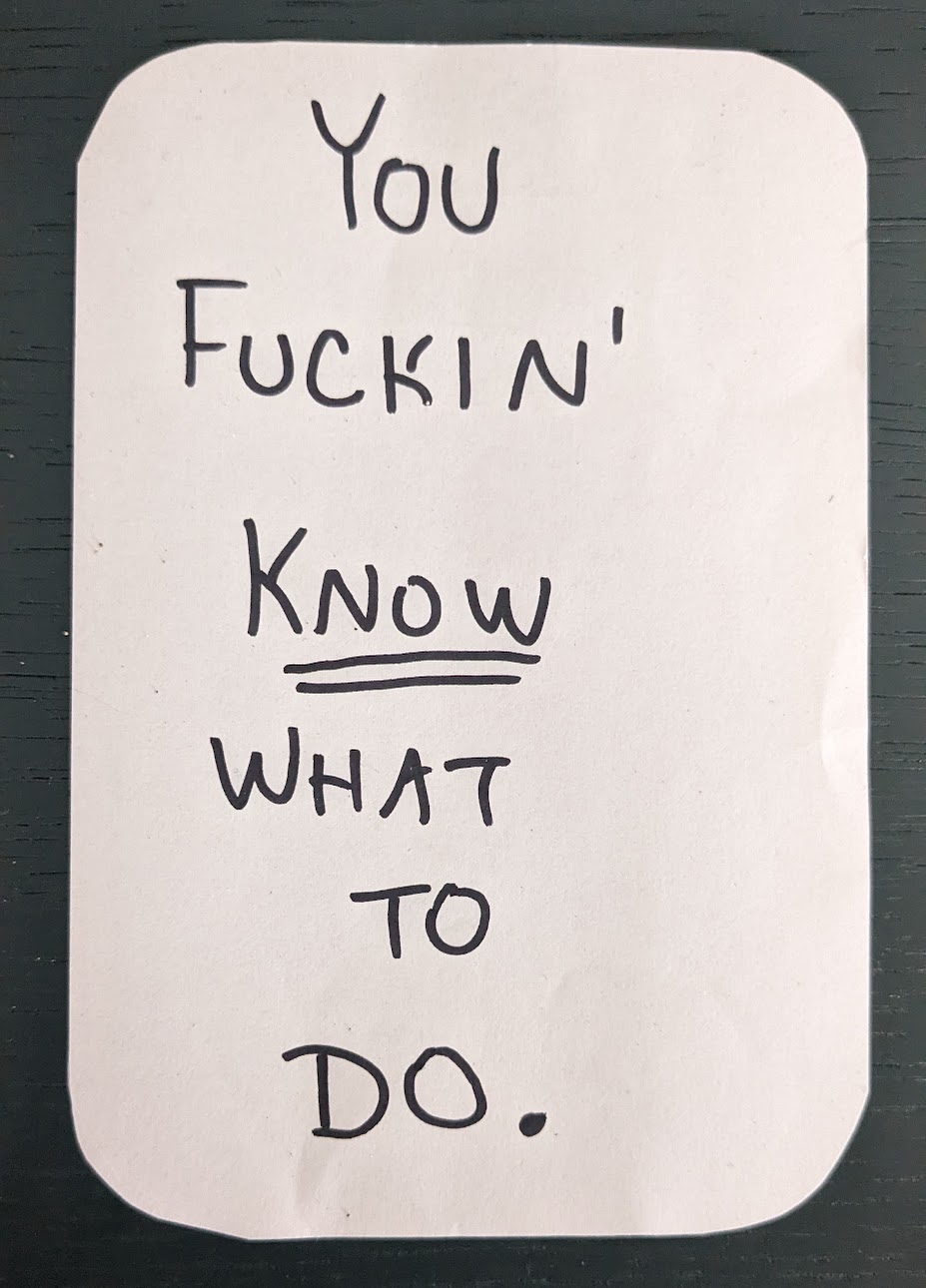
The author attempted to address this decline through research. By diving deep into the science of habit formation, longevity, and physical performance, he acquired the intellectual tools to improve his situation. Yet, he encountered a recurring failure point: he could incorporate these habits for a few weeks, only to have his brain invent excuses to abandon them.
This led to a profound realization: he was using his freedom as a shield to avoid discomfort. By prioritizing "easy" tasks—such as light household maintenance or passive social interaction—over activities that required significant energy, planning, or focus, he was effectively sabotaging his own potential.
The Breakthrough: Identifying the "Moment of Hesitation"
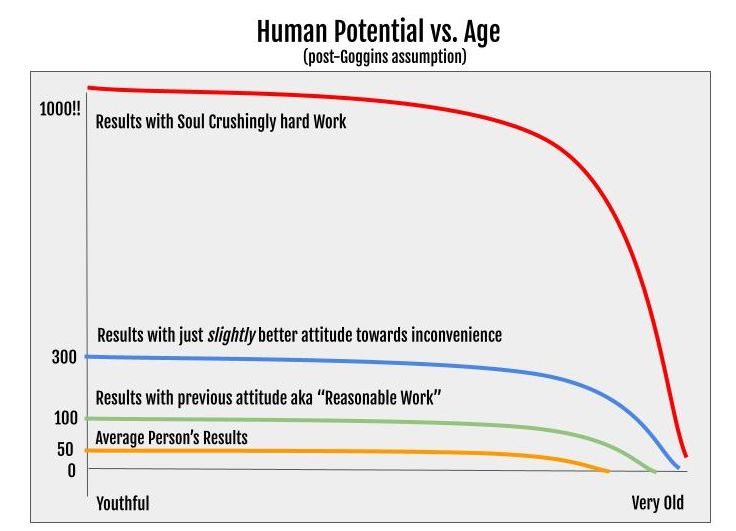
The turning point arrived when the author identified the specific psychological trigger of his procrastination. He realized that the act of "feeling" like he didn’t want to do something was not a signal to stop; it was the exact moment he needed to act.
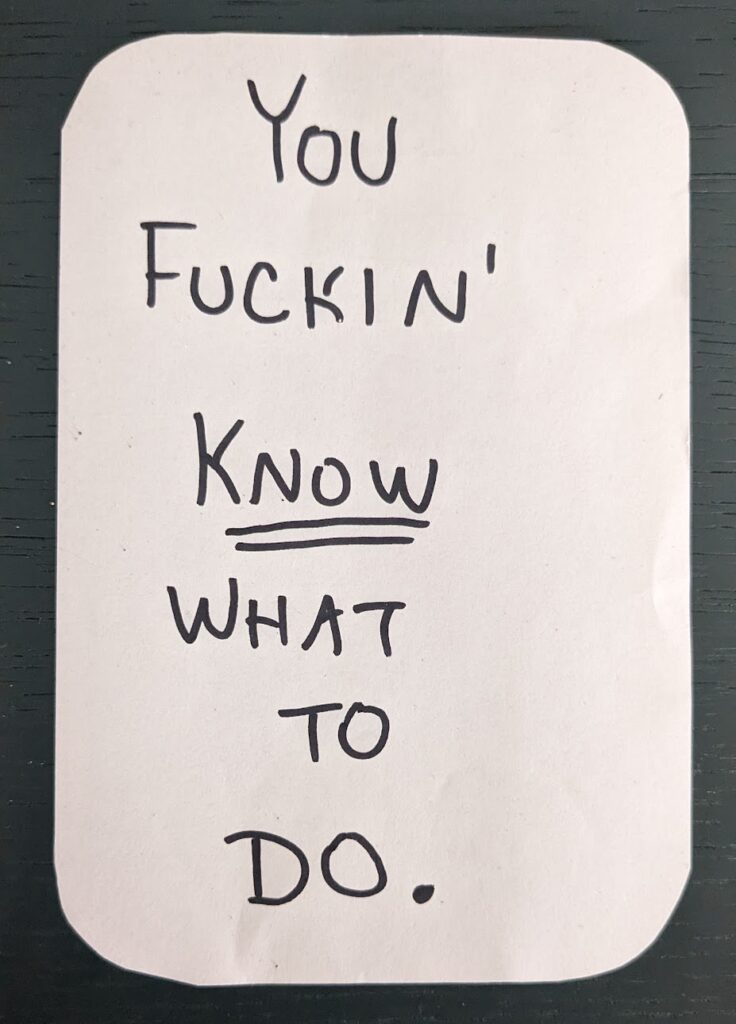
By reframing this internal dialogue—moving from "I don’t feel like working out" to "I just caught myself self-sabotaging, therefore I must go to the gym immediately"—he successfully transformed his approach to discipline. This mental pivot, often attributed to the "no-nonsense" philosophy popularized by figures like David Goggins, has allowed him to break through years of plateaued physical fitness.
Supporting Data: The Impact of Radical Self-Accountability
The effectiveness of this "anti-hesitation" strategy is supported by the author’s recent physical and professional metrics. Since adopting this mindset:
- Physical Gains: Through consistent, non-negotiable training, he added ten pounds of lean muscle mass in four months, returning to a level of strength and flexibility he had not experienced since his mid-twenties.
- Joint Health: By prioritizing regular movement over sedentary comfort, he reports an increase in joint mobility and systemic vitality.
- Professional Output: The technique was applied to his creative work. By consciously choosing to ignore the urge to avoid "hard" tasks, he increased his output in both physical construction projects and intellectual writing, successfully re-entering a flow state that had been dormant for several years.
These results suggest that for the FIRE community, the challenge is not financial; it is psychological. When money is no longer a driver for effort, the individual must manufacture their own "resistance" to maintain performance.
Official Perspectives: The Goggins Effect
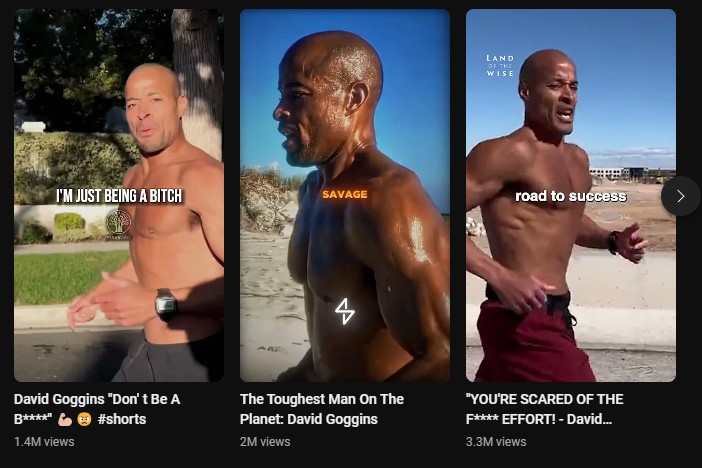
The author credits much of his recent shift to the philosophy of David Goggins, the former Navy SEAL and ultramarathon runner. Goggins’ life story—marked by extreme hardship and a refusal to accept biological or psychological limits—serves as a stark mirror for those living in the relative comfort of early retirement.
While the author notes that he does not aspire to the extreme levels of physical pain Goggins endures, the psychological lesson is universal: most human barriers are self-imposed. By listening to podcasts featuring high-achievers like Goggins, Peter Attia, and Jocko Willink, the author found a source of "inspiration fuel."
Navigating the "Bro Science" Critique
The author acknowledges that modern society often labels this brand of intense, self-driven discipline as "toxic masculinity" or "bro science." However, he maintains a pragmatic, journalistic detachment. He argues that one should treat self-help content like a buffet: "Absorb the messages that work for you and discard the rest." For an individual facing a crisis of motivation, the potential benefits of this high-intensity mindset far outweigh the critiques of those who have not yet faced the stagnation of long-term retirement.
Implications: Freedom as a Tool, Not a Destination
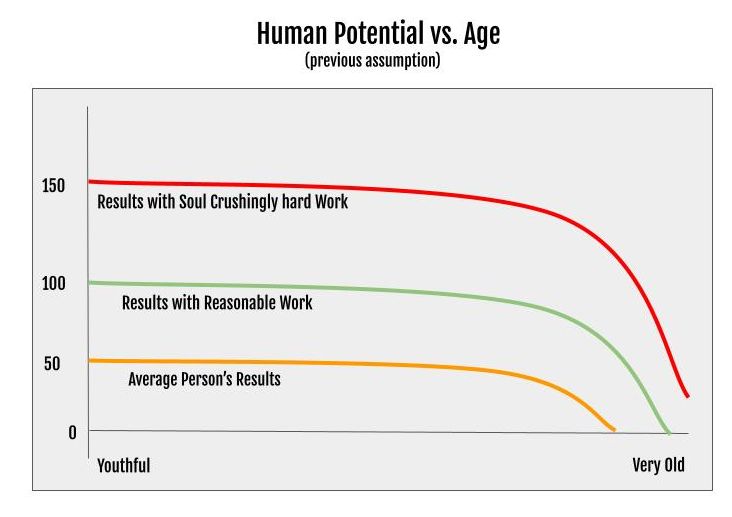
The primary implication of this experience is that freedom is merely a tool. If that tool is not used to build, create, or improve, it risks becoming a source of decay.
The Redefinition of Success
The author posits that people fall into two categories in retirement: those who use their freedom to "coast" into decline, and those who use it to pursue even more demanding, meaningful work than they did during their careers. The latter group, he notes, is not necessarily "stressed" in a negative sense, but "nicely buzzed" by the pursuit of challenging goals.
Strategies for the Reader
To avoid the "comfort trap," the author suggests the following framework for those who find their motivation wavering:
- Identify the Hesitation: Treat the moment you feel like avoiding a hard task as a red flag that you are about to self-sabotage.
- Act Immediately: Use that realization as a direct command to perform the action, regardless of your current emotional state.
- Find Your Fuel: Curate a list of figures or philosophies that challenge your current level of output.
- Audit Your Freedom: Regularly ask yourself: "Am I using my freedom to do things that are more valuable than the job I quit?"
Conclusion: The Sky Opens Up
Ultimately, the realization that we are not victims of our circumstances, but architects of our daily habits, is liberating. By removing the "cushion" of comfort and replacing it with the rigor of self-discipline, the author has found that the potential for growth—even after nearly two decades of retirement—remains infinite. The "sky opens up" when an individual stops negotiating with their own laziness and begins to demand excellence from themselves as a matter of habit rather than feeling.
For the FIRE community, this serves as a critical reminder: the retirement account balance is only half the equation. The other half is the discipline required to ensure that a life of freedom remains a life of purpose.
