

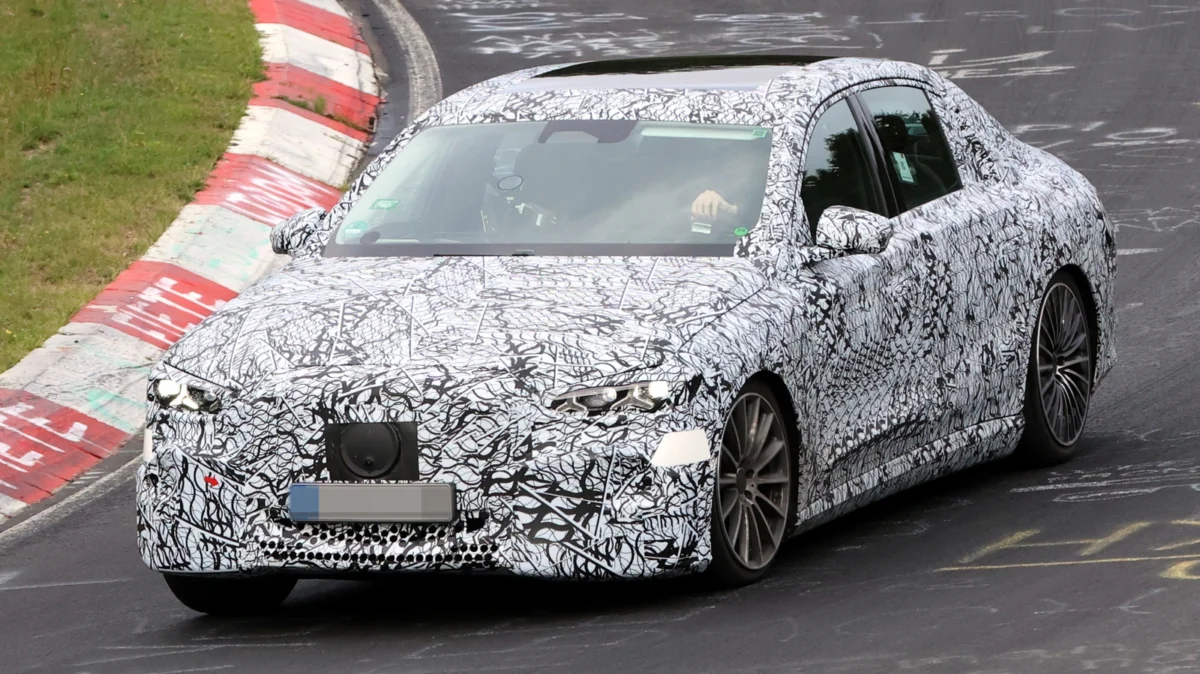
The "blob" era of Mercedes-Benz design, characterized by the polarizing, wind-tunnel-optimized silhouettes of the EQ series, is drawing to a quiet close. As the automotive industry pivots toward a new generation of electric mobility, Mercedes-Benz is orchestrating a dramatic shift in its design language. Recent spy photographs captured at the legendary Nürburgring in Germany reveal a new, camouflaged prototype of the upcoming electric E-Class—a vehicle that signals a return to the classic, authoritative proportions that once defined the brand’s global dominance.
The Return of the Three-Box Silhouette
For years, Mercedes-Benz prioritized the "one-bow" design philosophy for its electric vehicles. By curving the roofline and minimizing panel gaps, the company achieved class-leading drag coefficients, which were essential for maximizing range when battery density was at a premium. However, this functional necessity came at a cost: a loss of the "Mercedes-ness" that customers associated with the brand’s luxury sedans.
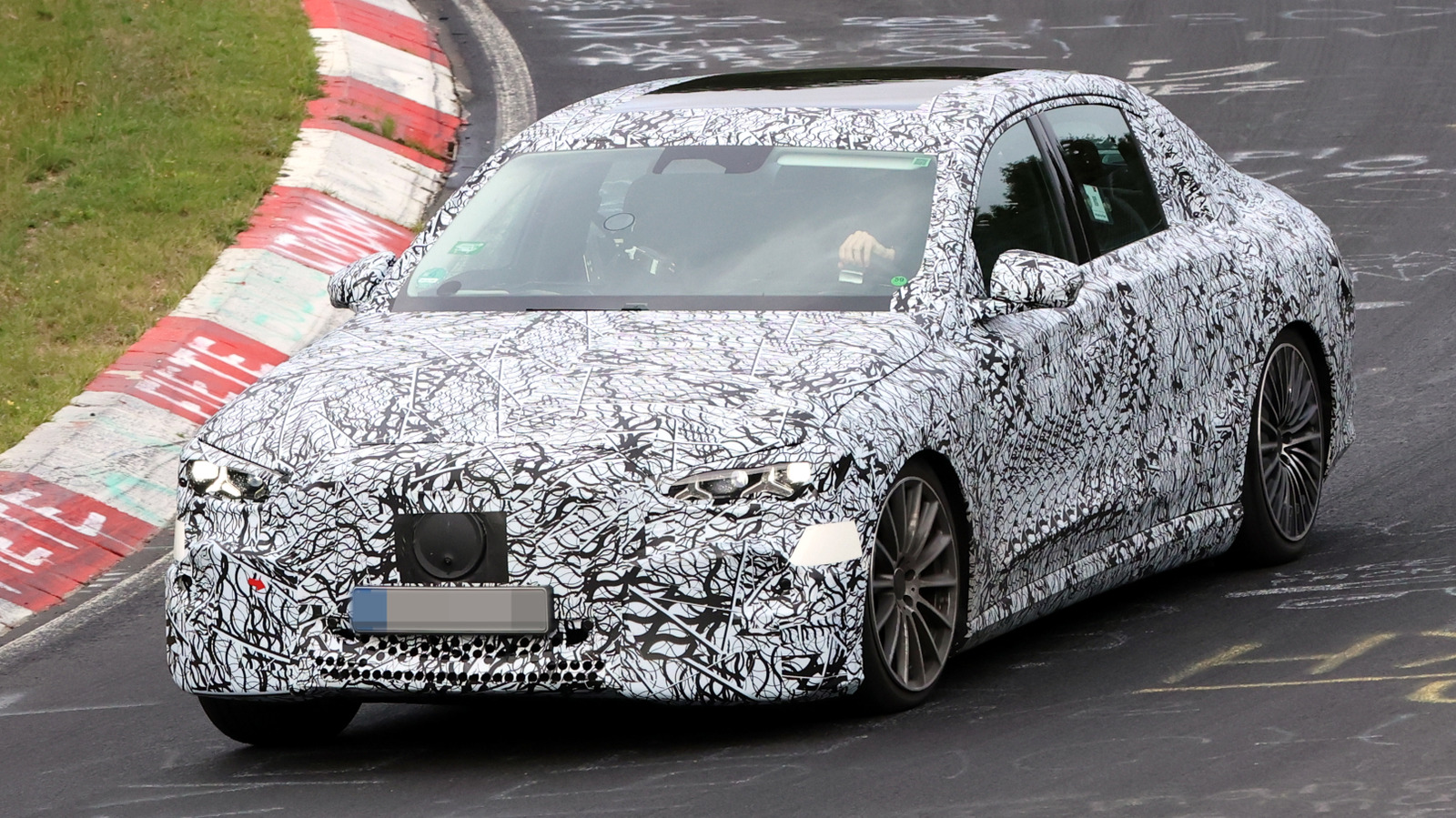
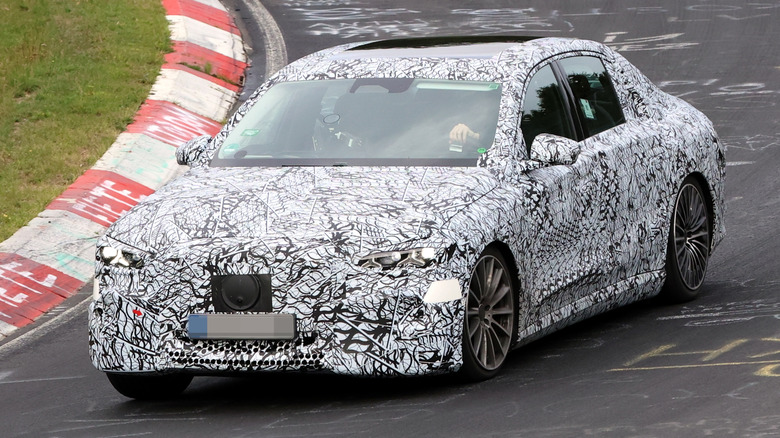
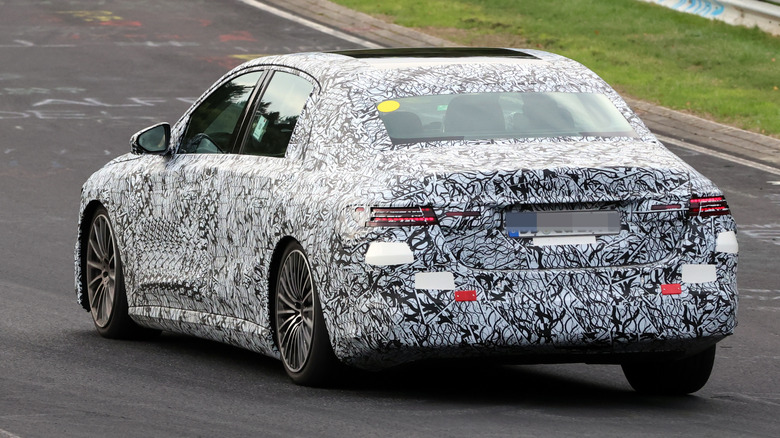
The new E-Class EV prototype spotted in Germany breaks this cycle. It eschews the rounded, amorphous shapes of the EQE and EQS in favor of a traditional "three-box" design. Featuring an upright greenhouse and a distinct, flat trunk, the silhouette feels intentionally reminiscent of the internal combustion engine (ICE) E-Class models that have served as the backbone of the company’s portfolio for decades. This shift acknowledges a fundamental truth in the luxury market: consumers may want the efficiency of an electric powertrain, but they do not want to sacrifice the presence and prestige of a conventional sedan.
Chronology: From the EQ Experiment to a New Direction
The trajectory of Mercedes-Benz’s electrification efforts has been anything but linear. To understand where the company is going, one must look at the timeline of its recent struggles and adaptations.
- 2021–2022: The EQ Peak. Mercedes-Benz launches the EQS and EQE, fully committing to the "one-bow" design language. While technically impressive, the cars receive mixed reviews for their lack of visual distinction.
- 2023: The Realization. Early market data reveals that while the technology is solid, the design is not resonating with the traditional luxury demographic. Rumors of a "design pivot" begin to circulate within the automotive press.
- 2024: Strategic Realignment. Mercedes-Benz announces a more flexible approach to its electric vehicle architecture. The company decides to maintain the current-gen E-Class longer than planned to cater to gas-loving loyalists while accelerating the development of the next-gen EV.
- 2025: Production Volatility. Facing a perfect storm of shifting political landscapes in the United States, including the potential removal of federal tax credits and increased tariffs, Mercedes-Benz temporarily pauses production of U.S.-spec EQS and EQE models. This provides the necessary "breathing room" to transition to the new, more traditional design language.
- 2026–2027: The New Wave. The upcoming E-Class EV represents the vanguard of this new strategy, signaling that the future of Mercedes-Benz is not just electric, but also unmistakably "Mercedes."
Supporting Data: Efficiency vs. Aesthetics
The primary driver of the previous design language was the quest for range. A lower drag coefficient (Cd) directly translates to more miles per kilowatt-hour. However, the rapid advancement in battery chemistry—higher energy density and faster charging speeds—has liberated designers from the tyranny of the wind tunnel.
Mercedes-Benz has hinted that its future platforms, such as those powering the 2028 VLE (Electric Luxury Van), are capable of achieving 404 miles of range under European WLTP testing. While the new E-Class remains shrouded in mystery regarding its exact powertrain specifications, industry analysts suggest the platform could push the envelope to 600 miles or more, depending on battery configurations. By reclaiming the traditional sedan shape, the company is betting that the efficiency gains of next-gen battery tech will outweigh the minor aerodynamic penalties of a more angular, luxury-focused design.
Design Cues: A Nod to History
The prototype’s design details offer a fascinating glimpse into how Mercedes-Benz intends to bridge the gap between its heritage and its future. While the nose remains blunt—likely housing a more aggressive, prominent grille than those found on the C-Class or GLC electric siblings—the rear is where the most striking departure occurs.
Rather than adopting the connected light bar aesthetic found on modern EVs, the prototype features thin, segmented taillights. Observers have noted that these lights appear to evoke the "ribbed" taillight design of the legendary W123 and W124 E-Class models, a move that will undoubtedly appeal to long-time brand enthusiasts. Furthermore, the inclusion of a quarter window at the C-pillar—a design element previously reserved for stretched, long-wheelbase luxury sedans—suggests that the interior will be focused heavily on passenger comfort and executive-level space.
Official Responses and Market Realities
The transition has not been without its hurdles. In 2025, the automotive giant faced significant headwinds in the North American market. The cancellation of certain federal subsidies and the implementation of new trade tariffs forced a contraction in the company’s electric offerings.
Mercedes-Benz executives have maintained a stance of "cautious optimism." By shifting production strategies and diversifying its platform capabilities, the company is insulating itself from the volatility of the global EV market. The decision to keep the ICE E-Class in production alongside its electric successor is a strategic hedge; it allows the company to satisfy existing customers while simultaneously testing the waters with a vehicle that is, for all intents and purposes, the true successor to the brand’s historic identity.
Implications for the Future of Luxury
The implications of this shift are profound. If the electric E-Class succeeds, it will validate the idea that an EV does not have to look like a "spacecraft" to be competitive. It challenges the industry standard that electric mobility requires a radical departure from established aesthetic norms.
Furthermore, the competition is fierce. With players like Lucid—whose Air sedan has set a high bar for range and efficiency—and a resurgent BMW and Audi, Mercedes-Benz is under immense pressure to deliver. The new E-Class must be more than just a "traditional-looking EV"; it must perform with the refinement, silence, and technological sophistication that the E-Class nameplate has stood for since its inception.
Conclusion: A New Standard
The spy shots at the Nürburgring serve as a metaphor for the company’s current state: testing, refining, and preparing to prove itself on the world stage. Mercedes-Benz is attempting to reconcile the inevitable move to electrification with the indelible legacy of its combustion-powered past.
As we look toward the official reveal of the next-generation E-Class, it is clear that the brand is moving past the "EQ" experimental phase. The future of the company’s electric lineup looks set to be defined by a marriage of high-density battery tech and the timeless, upright, and authoritative design language that built the Mercedes-Benz empire. For a company that has spent the last century defining the "Gold Standard" of luxury, this pivot may be the most important decision they have made in the 21st century. Whether the public will embrace this "new classic" approach remains to be seen, but one thing is certain: the blobs are gone, and the real Mercedes-Benz is coming back.
