

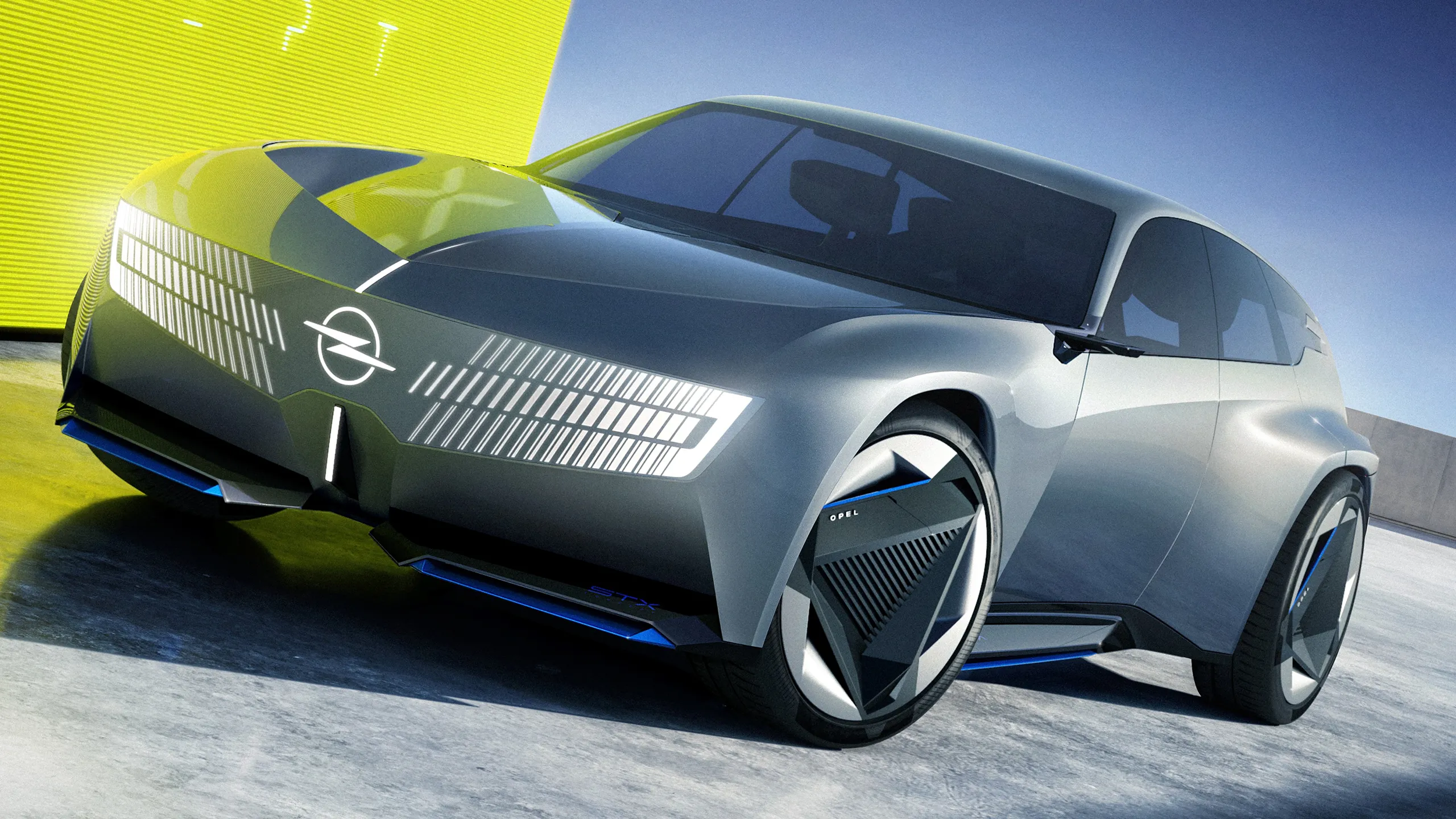
In an automotive landscape currently dominated by the relentless march of high-riding SUVs and crossover utility vehicles, the traditional station wagon—or "estate," as it is known in Europe—has been fighting a desperate battle for relevance. However, Opel, a cornerstone of European automotive design, has issued a bold manifesto for the future of the segment. At the Paris motor show, the German manufacturer unveiled the STX Concept (Sports Tourer eXperimental), a vehicle that does more than just pay homage to a practical body style; it reimagines the estate for the electric age, blending radical aerodynamics with a heritage-inspired aesthetic.
Main Facts: The Vision Behind the STX
The STX Concept is a study in contradiction and harmony. While it serves as a functional estate, it sheds the boxy, utilitarian image of its ancestors. The vehicle acts as a design laboratory for Opel’s future electric lineup, previewing a new, more emotive design language that prioritizes "bold, pure, and efficient" aesthetics.
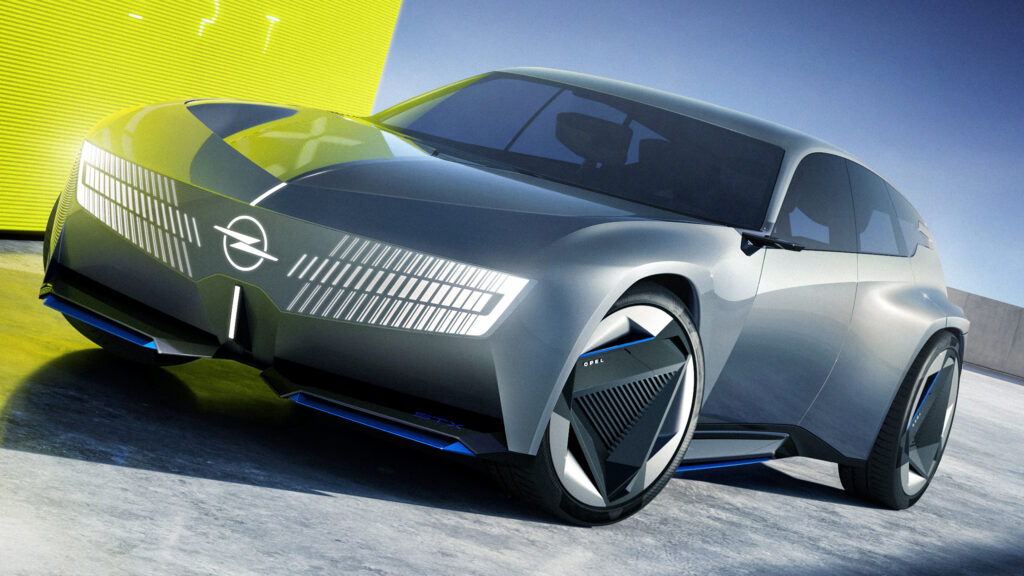
At the front, the car features the latest iteration of the Opel Vizor, the brand’s signature face. Because the STX is a pure battery-electric vehicle (BEV), the traditional radiator grille has been replaced by a sleek, closed-off panel integrated with advanced LED lighting elements that pulse and fade toward the center, creating a sense of digital fluidity.
Despite the lack of an internal combustion engine, the STX retains a long-hood silhouette, a stylistic choice that lends the vehicle a sense of power and prestige rarely found in modern EVs. Below the beltline, the car sits on unconventional triangular-spoke wheels that create a hypnotic visual effect when in motion, giving the impression that the vehicle is hovering inches above the tarmac.
A Chronological Evolution: From Olympia Rekord to STX
To understand the significance of the STX, one must look at the lineage it carries. It has been over 70 years since Opel launched the Olympia Rekord Caravan in the early 1950s. At the time, the "Caravan" was a revelation—a vehicle that offered the comfort of a sedan with the cavernous cargo capacity of a light commercial vehicle.
Throughout the decades, Opel maintained its position as a pioneer of the estate segment, producing icons like the Ascona and the Vectra Sports Tourer. However, the 21st century saw a shift in consumer preference toward the SUV. The STX Concept represents the first major attempt by Opel to reclaim its crown as the "Estate Pioneer" of Europe. By moving from the mechanical utility of the 1950s to the digital, aero-focused architecture of 2026, Opel is signaling that the station wagon is not a relic of the past, but a necessary solution for the future of efficient mobility.
Supporting Data and Design Philosophy
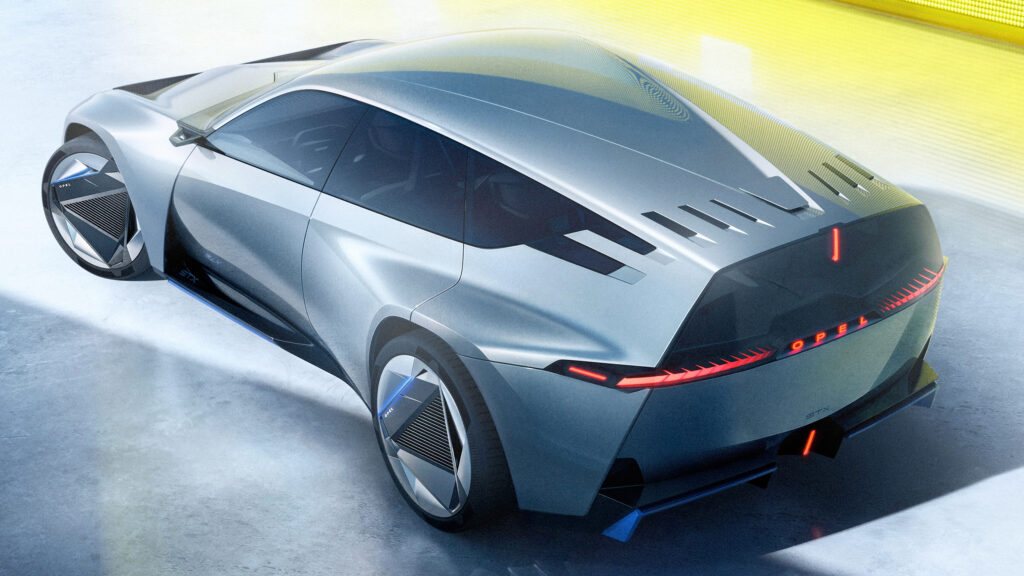
The most striking element of the STX Concept is undoubtedly its rear profile. Unlike conventional estates that taper toward a rounded, aerodynamic hatch, the STX employs a bold, vertical approach. The thick C-pillars flow aggressively into the roofline, culminating in a rear window that sits remarkably upright.
Design critics and enthusiasts have been quick to draw comparisons to the legendary Ferrari 250 GT SWB "Breadvan." This homage to one of the most unique racing cars in history gives the STX a muscular, purposeful stance. By opting for this "Breadvan" geometry, Opel has prioritized internal volume and cargo accessibility without sacrificing the emotional "cool factor" that keeps the sports wagon segment alive.

Technical Specifications and Performance
While specific battery capacities remain undisclosed, Opel has confirmed that the STX is built on a high-performance electric platform featuring all-wheel drive. The company has stated that the vehicle is capable of exceeding 124 mph (200 km/h).
While 200 km/h may not set record-breaking standards in an era of hyper-fast electric supercars, it represents a conscious choice by Opel to prioritize long-range efficiency and usable torque over raw, track-focused speed. The concept builds on the "Painting with Light" interior design philosophy, first introduced in the 2023 Opel Experimental and further refined in the 2025 Corsa GSE Vision Gran Turismo. This approach utilizes projection technology and minimalist interface design to replace traditional physical clutter with customizable, ambient digital environments.
Official Responses: A Strategic Commitment
The development of the STX Concept is not merely a vanity project; it is a strategic directive from the highest levels of Stellantis, Opel’s parent company.
"The STX Concept gives a taste of how exciting and emotional the estate of tomorrow can be," said Florian Huettl, CEO of Opel, during the Paris unveiling. "It offers maximum functionality and efficiency. This study shows characteristic features that will be found in future Opel models and underlines our role as an estate pioneer in Europe."

Huettl’s comments underscore a critical point: Opel sees a specific market gap. While the rest of the industry races to build "me-too" electric crossovers that often suffer from poor aerodynamic efficiency due to their height, Opel is betting that a segment of buyers will return to the estate for its inherent advantages: lower center of gravity, better range through superior aerodynamics, and superior luggage practicality.
The Implications: Why the Estate Matters in the EV Era
The rise of the electric vehicle has inadvertently created a "range war." Because air resistance increases exponentially with speed, the upright, bulky shape of a traditional SUV is inherently inefficient. This is where the STX Concept holds its greatest promise.
1. Aerodynamic Superiority
By maintaining a lower roofline and a longer, sleeker body, the STX can achieve a significantly lower drag coefficient than an equivalent SUV. For the electric consumer, this translates directly into more miles per kilowatt-hour, effectively increasing the usable range without the need for heavier, more expensive battery packs.
2. The Shift in Brand Identity
For decades, Opel struggled to define its identity within the massive Stellantis umbrella. By leaning into its heritage as a maker of practical, stylish wagons, Opel is carving out a niche. If the STX reaches production—or even if its design cues influence the next generation of the Astra or Insignia replacements—it will solidify Opel as the go-to brand for the "rational enthusiast."
3. Sustainability and Urban Utility
The STX isn’t just about hauling cargo; it’s about hauling in style. In dense European cities, where parking and maneuverability are at a premium, the STX offers the footprint of a sedan with the utility of a small van. It is a pragmatic vehicle for a generation that is increasingly conscious of its environmental footprint but unwilling to sacrifice the joy of driving.
Conclusion: A New Chapter for the Sports Tourer
The STX Concept is more than a show car; it is a bold challenge to the status quo. In an era where "bigger is better" has been the prevailing philosophy for automotive design, Opel is daring to suggest that "smarter and sleeker" is the true path forward.
By marrying the historical charm of the "Breadvan" silhouette with the cutting-edge requirements of electric mobility, the STX proves that the wagon is not dead—it is simply evolving. Whether or not it leads to a full-scale production renaissance, the STX stands as a testament to the fact that, at least within the walls of Opel’s design studios, the station wagon remains the king of the road.
As we look toward 2027 and beyond, the influence of the STX will likely be felt across the entire European automotive market. It is a reminder that while trends may come and go, the fundamental requirements of human mobility—efficiency, beauty, and utility—are constants. If the STX is the blueprint, the future of the estate is not just bright; it is electrifying.
