

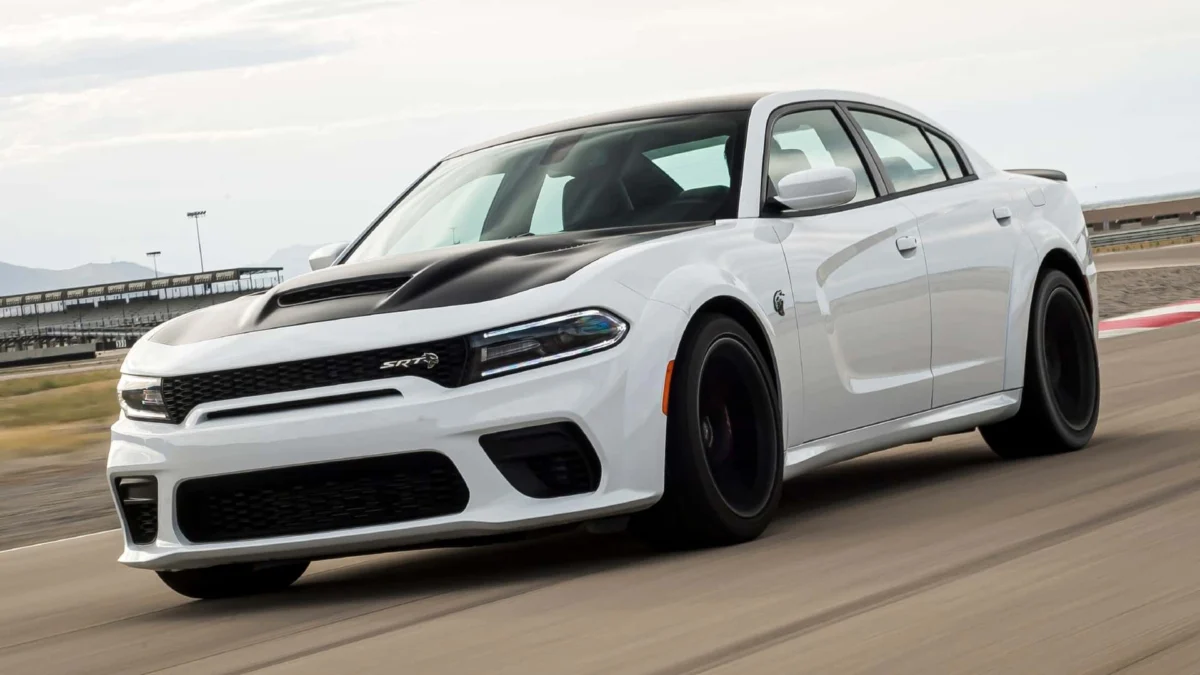
The automotive world is bracing for a thunderous homecoming. After a period of transition that saw the iconic American muscle car brand pivot aggressively toward electrification and forced-induction inline-six engines, new reports indicate that the V8 is far from dead at Dodge. According to recent intelligence surfacing from Automotive News, the storied Hemi-powered Dodge Charger SRT Hellcat is not merely a rumor, but an active, high-priority project slated for production by late 2027.
For enthusiasts who feared the "last call" for the Hemi V8 in 2023 was a permanent goodbye, this development marks a significant shift in corporate strategy. Dodge appears to be doubling down on its heritage, recognizing that the visceral appeal of a supercharged 6.2-liter engine remains a cornerstone of the brand’s identity.
The Chronology of a Muscle Car Comeback
The narrative of the Dodge Charger has been a rollercoaster of industry speculation and strategic pivots. To understand the gravity of this impending return, one must look at the timeline of the platform’s evolution.
The End of an Era (2023)
The curtain officially fell on the Hemi-powered Charger and Challenger at the close of 2023. As environmental regulations tightened and the industry pushed toward efficiency, Stellantis—Dodge’s parent company—opted to shutter the production lines for the legendary supercharged platforms that had defined a generation of street performance. It was a somber moment for enthusiasts, signaled by a series of "Last Call" special editions that celebrated the raw, unadulterated power of the Hemi engine.
The Electric and Inline-Six Transition (2024–2025)
Following the hiatus, Dodge pivoted to a two-pronged approach for the next generation of its muscle car. The new Charger platform was introduced with a heavy emphasis on battery-electric vehicle (BEV) technology. Complementing the electric variants, Dodge introduced a twin-turbocharged 3.0-liter inline-six engine, dubbed the "Hurricane" engine, to serve as the combustion-powered alternative. While these engines offered impressive performance metrics, they lacked the distinct displacement and acoustic signature that defined the Hellcat legacy.
The Strategic Reversal (2027 and Beyond)
If the latest reports hold true, the "Hurricane" era was never intended to be the final word on performance. The industry is now pointing toward a 2027 production start date for a revived, V8-powered Charger. Industry insiders suggest that Dodge has already begun communicating with its supply chain, signaling plans for an annual output of approximately 12,000 units of the new Hellcat. This represents a deliberate, calculated bet by Dodge that there is a sustainable, high-demand market for high-displacement, forced-induction combustion engines.
Engineering the Beast: What to Expect
The rumored specs for the upcoming Charger SRT Hellcat are enough to make any gearhead take notice. The centerpiece, of course, is the supercharged 6.2-liter Hemi V8.
Engineering sources suggest that this iteration will push the boundaries of what the platform has achieved previously. While the previous generation of Hellcats offered immense power, the new model is expected to integrate modern chassis improvements from the current, modular Charger architecture. This suggests a vehicle that is not only faster in a straight line but potentially more refined in its handling dynamics.
Visual indicators are also expected to receive a significant overhaul. Reports suggest an even more aggressive aesthetic, featuring a functional, high-flow hood scoop designed to feed the massive supercharger, along with a prominent rear wing to provide the necessary downforce for track-day stability. In terms of power, the industry is speculating output north of 700 horsepower, with some experts suggesting it could climb even higher, rivaling the 777-hp output found in current performance applications like the Ram Rumble Bee and the TRX.
The Official Stance and Corporate Strategy
Despite the mounting evidence and the reports of supplier commitments, Dodge maintains a policy of strategic ambiguity. When approached by Motor1 regarding the confirmation of the V8’s return, a spokesperson for the automaker maintained the standard corporate line: "We do not comment on future product plans."
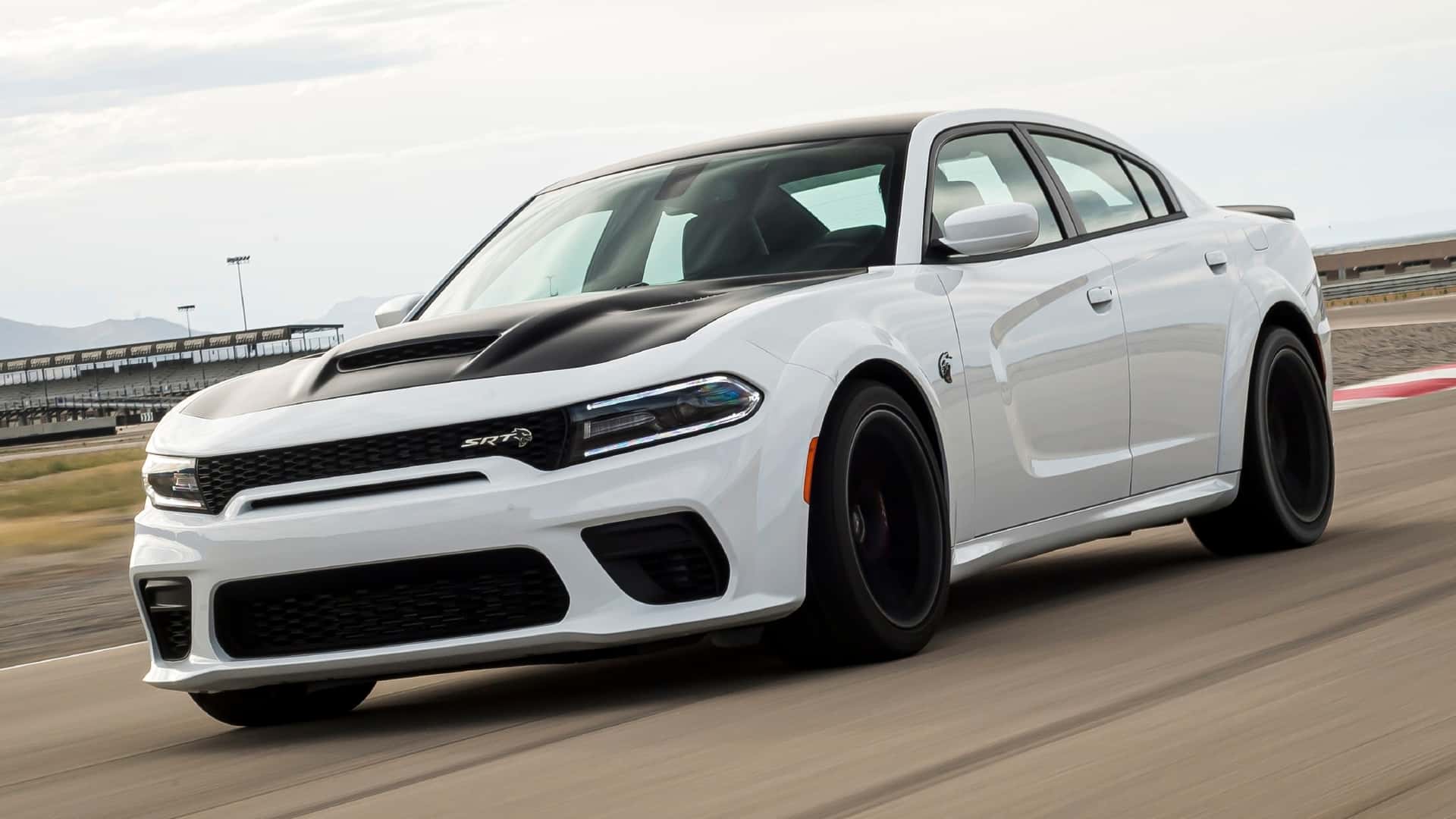
However, the silence from the PR department is contradicted by the vocal optimism of leadership. In August, Dodge CEO Matt McAlear offered a glimpse into the company’s internal philosophy during a discussion regarding the brand’s future. When asked about the potential for a V8 return, McAlear emphasized that the current lineup is not the "finish line."
"We haven’t even started talking about what SRT’s working on," McAlear stated. "So, make no mistake, this isn’t the finish line. We’ll keep pushing. We’ll keep going."
This sentiment suggests that while Dodge is meeting its regulatory and corporate mandates for electrification and efficiency, it remains deeply committed to the performance enthusiasts who built the brand’s reputation.
Market Implications and Sales Performance
The current market environment for Dodge is a study in transition. Through September, the brand reported 8,029 sales of its new combustion-powered Chargers. While this represents a 330 percent increase compared to the previous year, it is important to contextualize these numbers.
In the final year of the previous generation, Dodge sold 75,920 Charger sedans and 44,960 Challenger coupes. The gap between these figures highlights the monumental task Dodge faces in re-capturing its traditional customer base. The introduction of a new Hellcat is clearly a strategic move to close this volume gap by re-introducing the "halo" product that drives brand desire and showroom traffic.
The financial risk is real, but so is the reward. By keeping the V8 alive, Dodge maintains its position as the premier American performance brand, preventing competitors from encroaching on the loyal customer base that has been disenfranchised by the industry’s shift toward smaller displacement engines.
Expanding the Portfolio: Beyond the Charger
The return of the Hellcat is just one piece of a much larger, more complex puzzle. Dodge is currently in the midst of a broader portfolio expansion that includes:
- The New Halo Model: A top-tier performance car, reportedly referred to as the "Copperhead," designed to occupy the space vacated by the Viper and set a new standard for Dodge performance.
- The GLH Crossover: Targeting the "sedan-hot-hatch" market, this vehicle is expected to lower the barrier of entry to the brand, with non-SRT variants expected to start below $40,000.
- SRT Integration: The performance division is expected to play a larger role in the crossover and SUV segments, ensuring that even family-oriented vehicles retain the "Dodge DNA" of high-output performance.
Conclusion: A Testament to the Hemi Legacy
The resurrection of the Charger SRT Hellcat serves as a testament to the enduring power of the Hemi engine. While the automotive industry marches toward a future dominated by electrons and software, the market continues to signal that there is a place for the roar of a supercharged V8.
If Dodge proceeds with these plans, the 2028 model year will be remembered as the moment the brand reclaimed its soul. By balancing the realities of modern manufacturing with the visceral, performance-first heritage that enthusiasts demand, Dodge is positioning itself to lead the market, not just in technology, but in spirit.
For now, all eyes will be on the annual Roadkill Nights event next August. If history serves as any indicator, that is where we may see the first official glimpse of the beast, signaling that for the Dodge Charger, the story is far from over.
