

The automotive landscape is undergoing a seismic shift, and as legacy manufacturers scramble to fend off a rising tide of cost-effective, tech-laden electric vehicles (EVs) from emerging competitors, the Volkswagen Group is doubling down on its entry-level strategy. At the forefront of this mission is the Skoda Epiq, a small, purpose-built electric crossover that promises to democratize the EV experience without sacrificing the practicality for which the Czech brand has become famous.
Positioned to act as the gateway to Skoda’s expanding electric ecosystem, the Epiq represents more than just a new model; it is a fundamental pivot in design language and engineering philosophy. By mirroring the market role once held by the Citigo-e iV—while offering the modern versatility of a crossover—Skoda is aiming to capture a demographic that has, until now, been priced out of the electric revolution.
The Genesis: A New Design Language
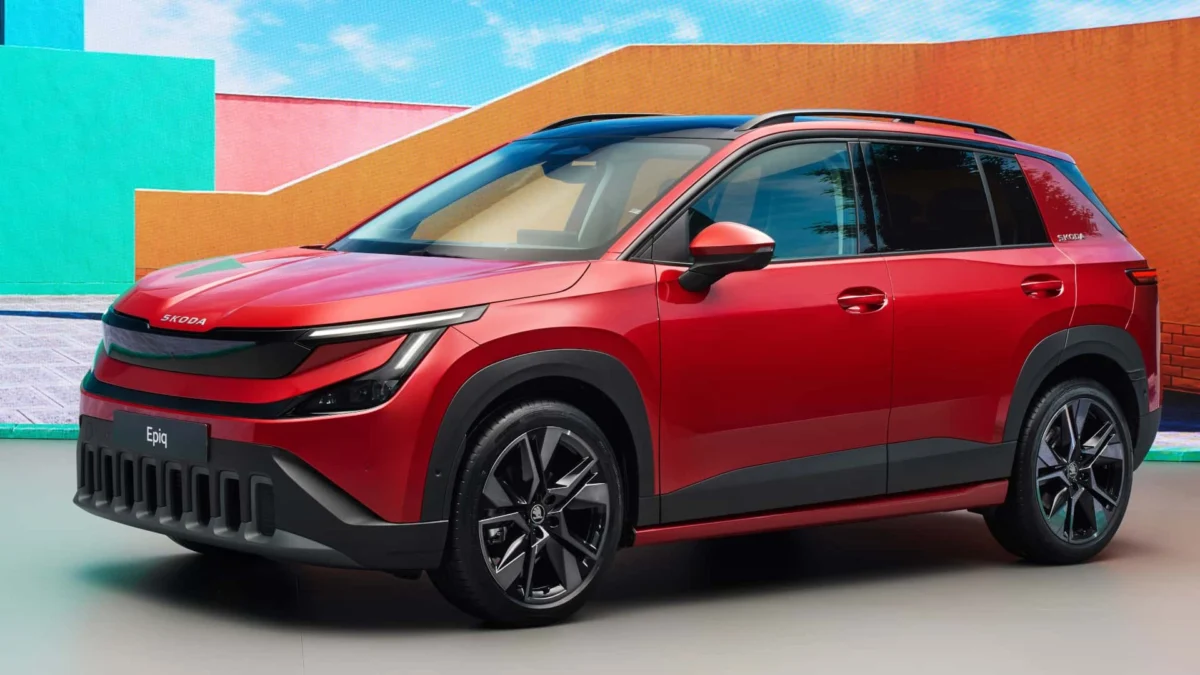
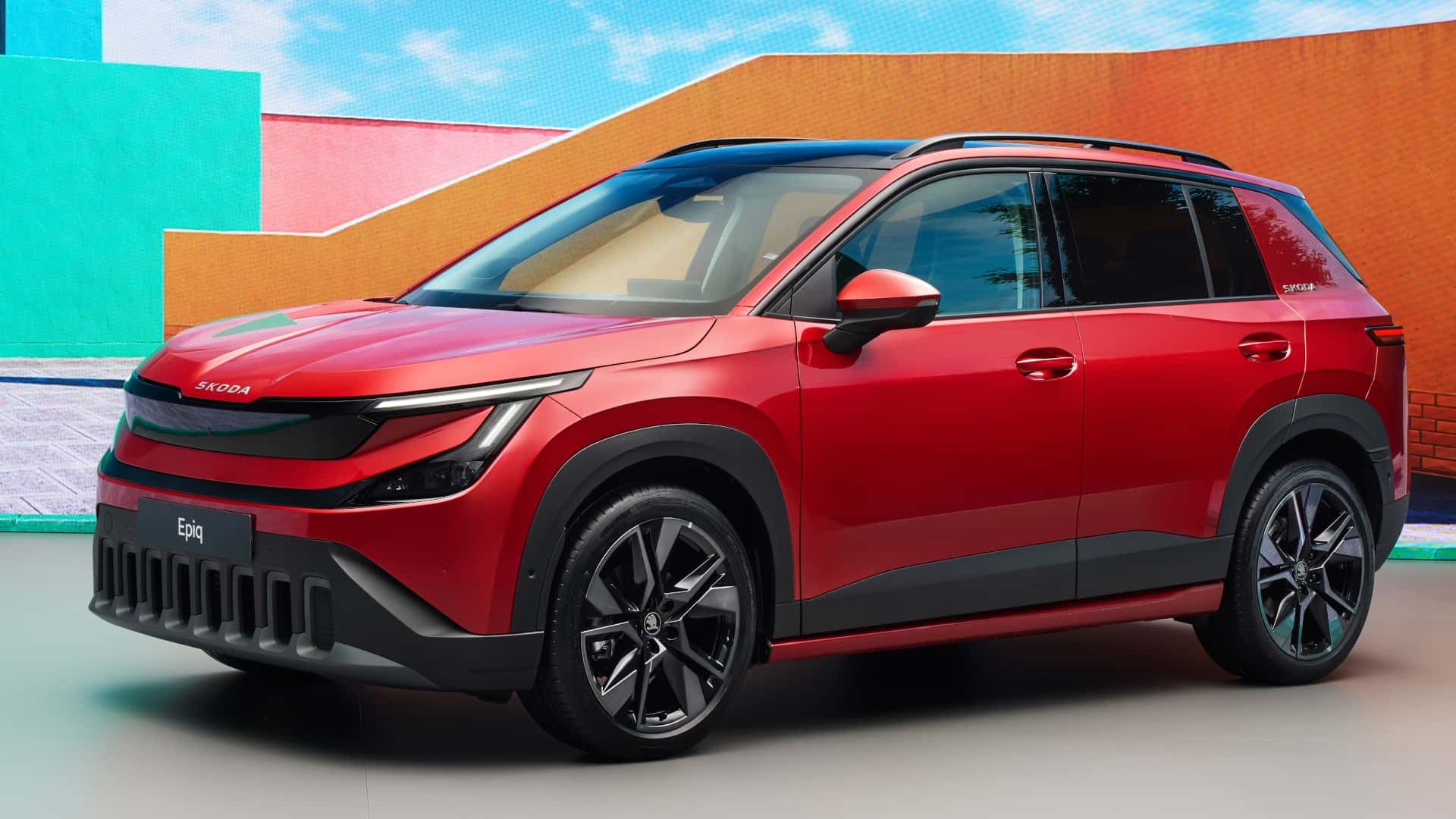
Look beyond the punchy, four-letter moniker, and you will find the first production manifestation of Skoda’s "Modern Solid" design philosophy. This aesthetic shift moves away from the more traditional, curvaceous lines of the past, favoring a cleaner, more robust, and functional appearance.
The exterior is defined by sharp, T-shaped light signatures at both the front and rear, giving the vehicle a wider and more confident stance. Despite its compact dimensions—measuring 164.2 inches (4,171 mm) in length, 70.8 inches (1,798 mm) in width, and 63.8 inches (1,620 mm) in height—the Epiq appears remarkably well-proportioned. This is largely thanks to the dedicated MEB+ electric platform, which allows for a generous 102.4-inch (2,601-mm) wheelbase. By pushing the wheels toward the corners, Skoda’s engineers have maximized interior cabin space, effectively offering a "Tardis-like" experience where the interior feels significantly larger than the exterior footprint suggests.
Aerodynamics were a primary focus during the development phase. While many contemporary EVs utilize flush-mounted door handles to reduce drag, Skoda has opted for a more traditional, user-friendly approach. To compensate for this choice, the company utilized active air shutters within the O-shaped front intakes and developed a bespoke range of 17- to 19-inch aerodynamic wheel designs. These measures culminate in an impressive drag coefficient of 0.275, ensuring that the Epiq maintains efficiency even at highway speeds.
Interior Philosophy: Minimalism Meets Pragmatism
The interior of the Epiq is a calculated "mixed bag" of innovation and traditionalism. Skoda has clearly listened to consumer feedback regarding the frustration of over-digitized cabins. Below the central air vents, the driver is greeted by a series of tactile, physical buttons—a welcome inclusion that allows for quick adjustments to climate and audio settings without navigating sub-menus.
However, the "ghosts" of the Volkswagen Group’s recent past persist. The infamous touch-sensitive volume slider, which has drawn criticism in other group products, makes an appearance here, though it is notably more restrained than in its sister models.
Technologically, the dashboard is dominated by a 13-inch central touchscreen, which acts as the command center for the vehicle’s infotainment and connectivity features. This is paired with a streamlined 5.3-inch digital instrument cluster located directly in the driver’s line of sight. Higher trim levels elevate the cabin experience with sophisticated ambient lighting and sustainable, soft-touch fabric materials that mirror the seat upholstery, creating a cohesive, premium-feeling environment that feels far more upscale than its sub-compact segment would suggest.
Storage and Utility: The Skoda Advantage
If there is one area where Skoda consistently outperforms its rivals, it is in clever packaging—the brand’s "Simply Clever" mantra is fully realized in the Epiq. Despite its status as a small crossover, the vehicle boasts a cargo capacity of 16.7 cubic feet (475 liters). To put that into perspective, that is 2.6 cubic feet (75 liters) more than the combustion-engine Kamiq, a vehicle that is often praised for its utility.
When the rear seats are folded down, that capacity expands to a cavernous 47.4 cubic feet (1,344 liters). Furthermore, Skoda has integrated an additional 0.9 cubic feet (26 liters) of storage hidden throughout the cabin for smaller items, alongside a dedicated front trunk (frunk) designed specifically to house charging cables, ensuring they don’t clutter the main luggage area.
Technical Specifications: Platform and Performance
The Epiq serves as a debut for the MEB+ platform, an evolution of the group’s modular electric architecture specifically tuned for front-wheel-drive configurations. Skoda offers the electric motor in three distinct power outputs to cater to different regional needs and consumer budgets: 114 horsepower, 133 horsepower, and a range-topping 208 horsepower version.
The 208-hp variant is the performance leader, capable of sprinting from 0 to 62 mph (100 km/h) in 7.4 seconds, with an electronically limited top speed of 110 mph (160 km/h).
Battery Chemistry and Charging
Skoda has employed a two-tiered battery strategy to balance cost and performance:
- The LFP Battery (37-kWh): Reserved for the two lower power outputs, this lithium iron phosphate pack is designed for cost-efficiency and durability. It supports DC fast charging up to 90 kW, achieving a 10-to-80-percent charge in approximately 28 minutes.
- The NMC Battery (51.7-kWh): Reserved for the high-performance model, this nickel-manganese-cobalt pack offers higher energy density. It supports faster DC charging of up to 125 kW, allowing the same 10-to-80-percent charge in just 23 minutes.
In terms of range, the base LFP model is estimated to cover 196 miles (315 km) on a single charge, while the higher-capacity NMC model pushes that figure to 267 miles (430 km). These figures place the Epiq in a competitive position for urban and suburban commuters who require a balance of range and rapid-turnaround charging capabilities.
Strategic Implications: A Group-Wide Offensive
The release of the Epiq is not a singular event; it is part of a coordinated effort by the Volkswagen Group to dominate the entry-level EV segment. The group’s core brand, Volkswagen, is currently preparing the ID. Cross—a vehicle that will share much of the Epiq’s DNA—while a smaller, even more affordable VW model is slated for 2027.
Even Audi is entering the fray, with plans to revive the A2 nameplate as an entry-level electric offering. This vertical integration allows the group to share development costs across brands, thereby driving down the price of entry for the consumer.
The primary catalyst for this aggressive rollout is the intensifying competition from Chinese manufacturers, who have made significant inroads into the European market with high-value, low-cost EVs. By utilizing the MEB+ platform to produce the Epiq, Skoda is effectively firing back, betting that European buyers will prefer the brand’s established reputation for reliability and utility over the unproven, albeit attractive, offerings from newcomers.
Looking Ahead: The Peaq and Beyond
While the Epiq occupies the bottom of the ladder, the company is also looking at the opposite end of the spectrum. Later this year, Skoda will unveil the Peaq, a three-row electric SUV that will serve as the brand’s largest and most luxurious electric vehicle to date.
This dual-pronged strategy—targeting the high-volume, cost-sensitive entry market with the Epiq while simultaneously expanding into the premium, high-margin SUV segment with the Peaq—demonstrates a clear, long-term roadmap. Skoda is no longer just the "value" alternative within the Volkswagen Group; it is becoming a technology-forward leader capable of adapting to the rapid, volatile shifts of the global automotive market.
Conclusion: A Benchmark for the Segment
The 2026 Skoda Epiq is a significant statement of intent. It proves that electric vehicles do not have to be luxury items, nor do they need to sacrifice practicality for the sake of aerodynamic aesthetics. By prioritizing usable cargo space, reliable range, and a driver-focused interface, Skoda has crafted a vehicle that addresses the primary pain points of the modern EV buyer.
As the industry approaches the inevitable phase-out of internal combustion engines, the success of the Epiq will likely serve as a blueprint for the next decade of motoring. Whether it succeeds in its goal of reclaiming the entry-level market from international challengers remains to be seen, but one thing is certain: the era of the affordable, practical, and desirable European electric car has finally arrived.
