

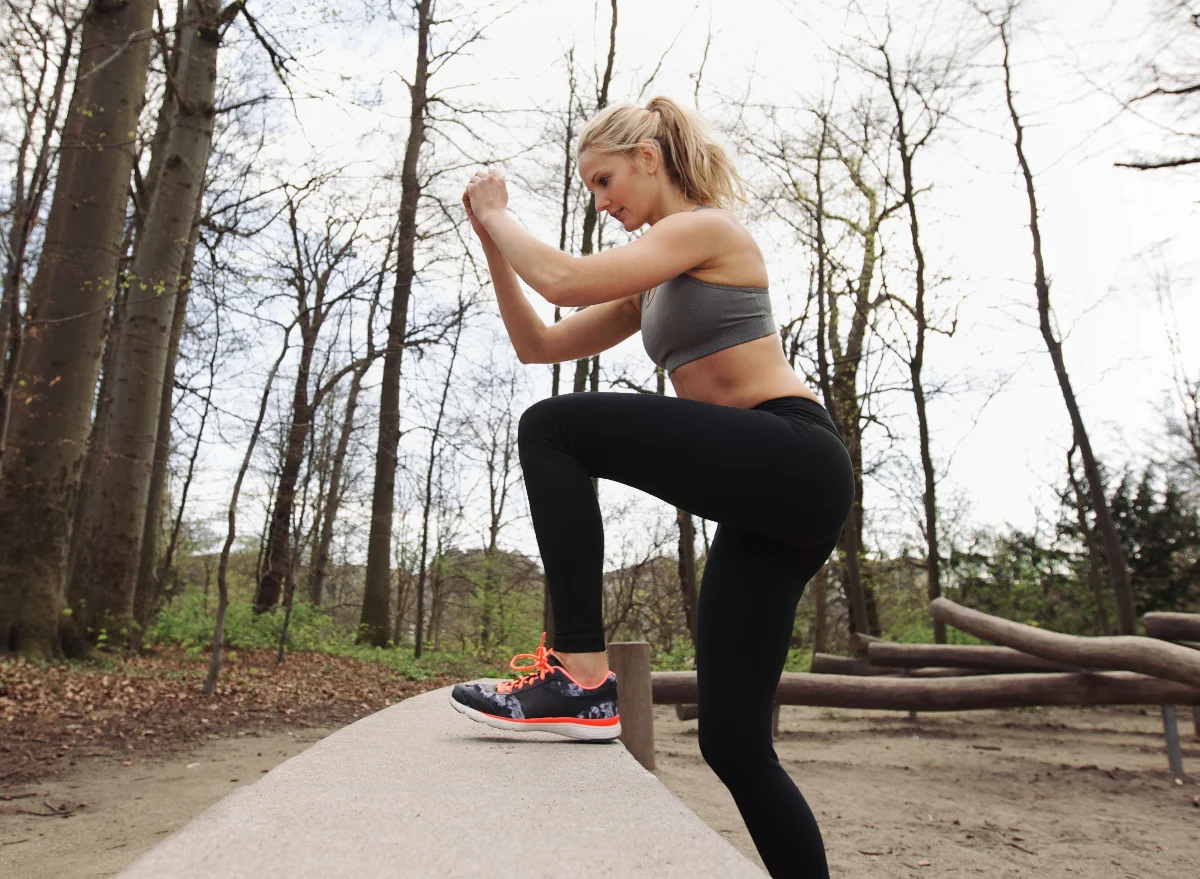
In the landscape of modern fitness, where high-intensity interval training (HIIT) and complex weightlifting regimes often dominate the conversation, the most effective tool for long-term health is often hiding in plain sight. It requires no gym membership, no expensive machinery, and no advanced technical skill. It is the humble step-up—a movement as functional as it is fundamental.
According to exercise science experts, the step-up is more than just a lower-body strengthener; it is a vital diagnostic tool that offers a window into your cardiorespiratory health, mobility, and functional longevity. As we age, the ability to navigate our environment—climbing stairs, stepping over curbs, or traversing uneven terrain—becomes the true litmus test for independence. Integrating the step-up into your routine is not merely about aesthetics; it is about preserving the autonomy of your future self.
The Science of Unilateral Movement
At its core, the step-up is a "unilateral" exercise. Unlike a squat, which uses both legs simultaneously, a step-up forces one limb to perform the bulk of the work, shifting the center of gravity and requiring significant core stabilization.
"The step-up is a foundational movement that targets the quadriceps, glutes, hamstrings, and calves—some of the largest and most powerful muscle groups in the human body," says Chris Anderson, an Exercise Physiologist and Learning Facilitator at Torrens University Australia. "When you perform a step-up, you are not just working the legs; you are demanding coordination from your core and improving proprioception—the body’s innate ability to understand its position in space."
Proprioception is a critical component of fall prevention in older adults. By mastering the step-up, you train your nervous system to stabilize the body during the transition from a stable surface to an elevated one, a skill that translates directly to the real-world demands of daily life.
A Historical Benchmark for Heart Health
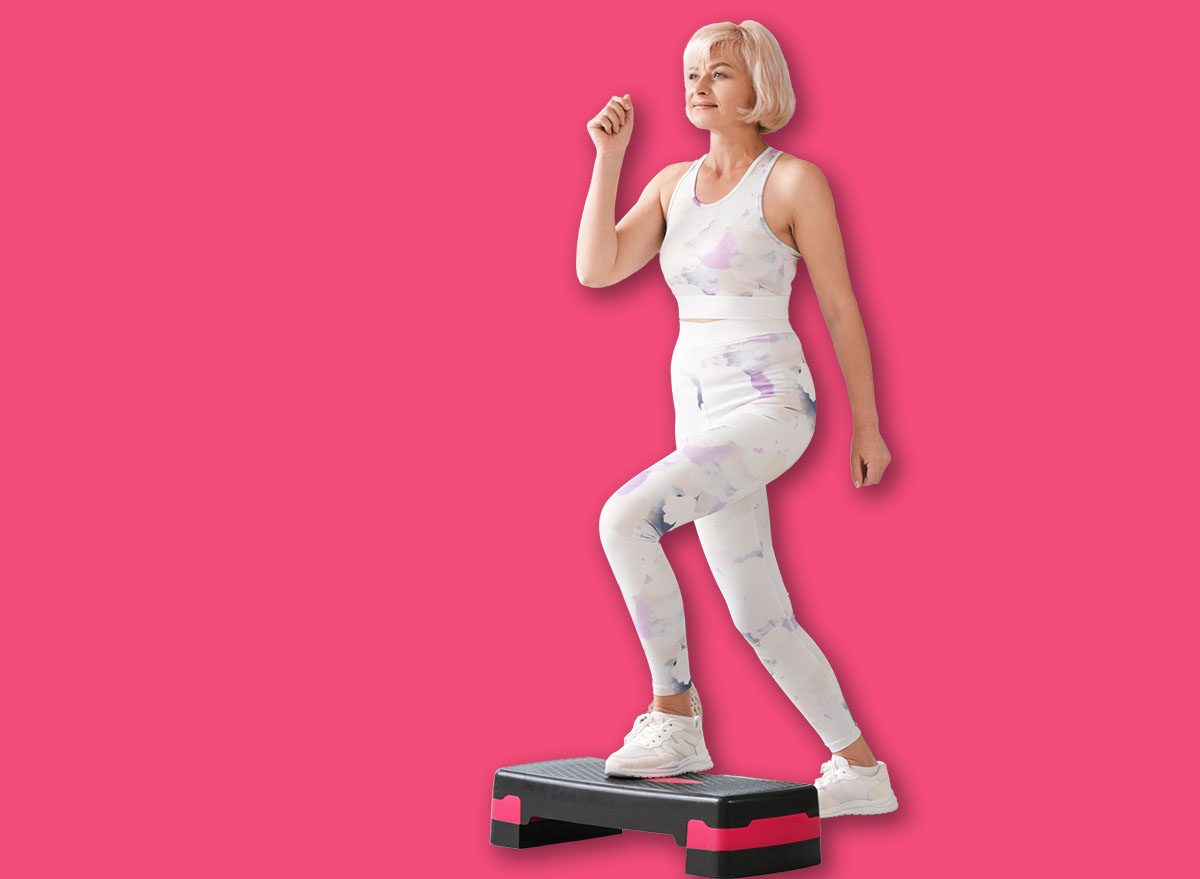
While today’s fitness enthusiasts often view the step-up as a way to sculpt the legs, its roots are firmly planted in clinical diagnostics. Historically, the step-up test was one of the first reliable, non-invasive methods used by medical professionals to evaluate cardiovascular fitness.
"There are many variations of step-up tests used globally, and they are directly correlated to overall physical health," explains Anderson. "Crucially, these tests are not about mindless repetition. They are about monitoring the heart’s response to an endurance challenge. Because the movement engages large muscle groups, it requires a robust output from the heart and lungs to supply oxygenated blood. If your heart rate spikes too quickly or fails to recover, it serves as an early indicator of potential health risks."
The Physiology of the Assessment
When you perform a sustained step-up routine, you are effectively conducting a submaximal aerobic stress test. The intensity of the exercise forces the cardiorespiratory system to adapt. For clinicians, the recovery period—the time it takes for your heart rate to return to a resting state after the exertion—is often more telling than the actual number of steps completed. This data can reveal a great deal about a patient’s aerobic capacity, which is widely considered one of the most accurate predictors of mortality and long-term health outcomes.
Chronology of Functional Decline: Why Timing Matters
Aging is an inevitable biological process, but the rate of functional decline is not. The "use it or lose it" mantra is scientifically supported when it comes to muscle fiber density and bone mineral density.
- The 30s and 40s: This is the window for "prehabilitation." By establishing a baseline of strength through movements like the step-up, you build a "muscle reserve" that buffers against the natural loss of muscle mass (sarcopenia) that accelerates in later decades.
- The 50s and 60s: Focus shifts toward maintaining power and balance. The step-up becomes a critical exercise for preserving the hip and knee extension power necessary to stand up from a chair or climb stairs without fatigue.
- The 70s and Beyond: The focus moves toward functional safety. Maintaining the ability to step up and down safely allows for continued independence, reducing the reliance on assistive devices and minimizing the risk of debilitating falls.
Establishing Your "Elite" Benchmark
While there is no single, globally mandated "gold standard" for the number of step-ups one should be able to perform, experts suggest that aiming for a consistent, sustainable pace is more important than raw speed.
"If you can complete 50 to 60 continuous step-ups without needing to stop, your lower-body power and cardiovascular endurance are considered quite high," says Anderson. "However, the goal isn’t to set a personal record every time you step. The goal is to reach a level of fitness where you can complete these movements with perfect form and a controlled heart rate."
The 3-Minute Protocol
To conduct your own fitness assessment, Anderson suggests the following standardized approach:
- The Setup: Use a sturdy platform exactly 30cm (12 inches) high.
- The Tempo: Maintain a cadence of 24 steps per minute. A metronome set to 96 beats per minute can help, where each "beat" corresponds to a phase of the movement (up-up-down-down).
- The Duration: Perform this for three minutes continuously.
- The Recovery: Immediately upon finishing, sit in a chair and measure your pulse for one full minute. This reading provides a clear snapshot of your current cardiorespiratory efficiency.
Expert Guidance: Form Tips and Common Pitfalls
"The biggest mistake people make is prioritizing quantity over quality," warns Anderson. "When you rush the movement, you engage momentum, which bypasses the very muscles you are trying to strengthen."
Essential Form Guidelines
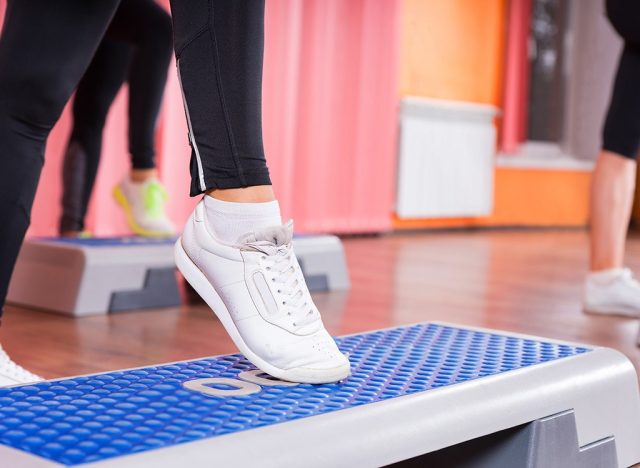
- Full Foot Contact: Ensure the entire foot is on the platform. Pushing off the toes not only reduces the efficacy of the exercise but also puts undue stress on the ankle and the small muscles of the foot.
- Controlled Descent: The lowering phase is just as important as the upward phase. Avoid "dropping" your body weight; instead, use your muscles to control your descent, which builds eccentric strength.
- Alignment: Keep your knee in line with your toes. A common failure point is "knee collapse," where the knee caves inward toward the midline. This is a sign of gluteal weakness and can lead to long-term joint pain.
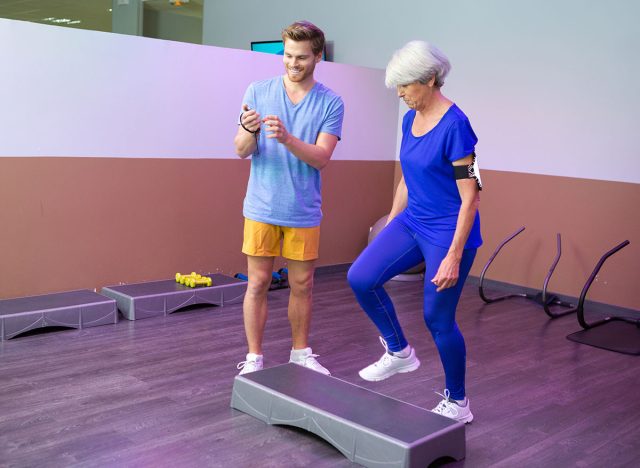
- The Rail Rule: Avoid relying on a handrail for support. While safety is paramount, using a rail takes the weight off your legs, defeating the purpose of the exercise. If you find you cannot do the move without a rail, lower the height of the step until your strength improves.
Implications for Daily Living
Why does this matter in the grand scheme of your life? Modern living has largely engineered movement out of our day. Elevators, escalators, and sedentary desk jobs mean our legs are rarely challenged in the way they were designed to be.
The step-up mimics the most essential movements of human survival. When you strengthen the muscles involved in a step-up, you are effectively "future-proofing" your body. You are ensuring that when you reach your 70s, 80s, and beyond, you will still be able to navigate a flight of stairs to see a friend, step over a curb to cross the street, or simply move through your home with confidence and ease.
Integrating Step-Ups Into Your Life
For those looking to advance their training, you do not necessarily need a taller step. Once you have mastered the standard height and cadence, the next phase of progress is adding external load. Carrying a backpack with water bottles or holding a weight to your chest turns a standard endurance exercise into a powerful strength-building session.
Ultimately, the beauty of the step-up lies in its simplicity. It is an honest, transparent measure of your physical capability. Whether you are an athlete looking to improve your explosive power or a senior aiming to maintain your independence, the step-up is the ultimate, accessible exercise. Start today, keep your form strict, and step your way to a stronger, more resilient future.
