

The digital landscape has fundamentally reshaped the retail experience, accelerating product discovery and demand cycles to unprecedented speeds. At the forefront of this transformation is TikTok, a platform boasting over 1.04 billion active monthly users, which has emerged as a potent launchpad for products across diverse industries. Brands are no longer just advertising; they are actively harnessing TikTok’s capacity to ignite viral moments, translating fleeting online attention into tangible, high-octane consumer demand. This seismic shift necessitates a radical reevaluation of traditional retail timelines, forcing businesses to pivot from a six-to-24-month product development cycle to one that can respond in mere days.
The ephemeral nature of viral trends, often lasting a mere five to ten days before public interest migrates, underscores the urgency. With a significant 42% of U.S. Gen Z consumers discovering new products on TikTok, the imperative for speed, particularly in the realm of visual merchandising, has never been more critical. This article delves into the challenges and triumphs of brands navigating this accelerated retail environment, examining three real-world case studies that illustrate the vital need for agility and strategic preparation in meeting viral demand head-on within physical store environments.
The Accelerated Pace of Modern Product Discovery
H3: The Social Media Catalyst: TikTok’s Dominance
The rise of social media platforms, with TikTok leading the charge, has irrevocably altered the cadence of retail. Gone are the days of leisurely product launches and predictable consumer engagement. TikTok’s algorithm, driven by short-form, engaging video content, has proven exceptionally adept at catapulting products from obscurity to widespread desirability. Its immersive nature and rapid content turnover create an environment where trends can explode and fade with astonishing speed. For brands, this presents both an immense opportunity and a formidable challenge: how to capitalize on fleeting viral moments before they dissipate.
The sheer volume of users on TikTok translates directly into unparalleled reach. A product featured in a viral video can instantly garner the attention of millions, bypassing traditional marketing channels and directly engaging consumers. This democratized access to product visibility means that even nascent brands or overlooked products can achieve sudden, explosive popularity. However, this rapid ascent demands an equally rapid response from retailers. The traditional product lifecycle, which once allowed ample time for planning, production, and distribution, is now being compressed into a fraction of its former duration.
H3: The Shrinking Shelf Life of Virality
The average lifespan of a viral trend on platforms like TikTok is a stark indicator of the new reality. Typically, these trends burn brightly for a mere five to ten days before the collective attention of users shifts to the next captivating phenomenon. This necessitates a nimble and responsive operational strategy for brands. The window of opportunity to convert viral interest into sales is exceptionally narrow, requiring a robust infrastructure capable of rapid adaptation and execution.
This compressed timeframe extends beyond online engagement and directly impacts physical retail operations. When a product goes viral, demand in brick-and-mortar stores can surge unexpectedly, overwhelming unprepared retailers. The need for speed is not merely about online marketing; it’s about the seamless translation of digital buzz into a tangible, in-store experience.
H3: The Gen Z Factor: Early Adopters and Trendsetters
The demographic profile of TikTok users, particularly Gen Z, plays a crucial role in this accelerated cycle. As a generation that has grown up immersed in digital culture, Gen Z is highly attuned to online trends and possesses a significant influence on consumer behavior. The statistic that 42% of U.S. Gen Z consumers discover new products on TikTok highlights their role as early adopters and powerful trendsetters. This demographic is not only receptive to viral marketing but actively participates in it, sharing and amplifying content, thereby accelerating the discovery process even further.
For brands, understanding and engaging with this demographic is paramount. Their purchasing decisions are heavily influenced by social proof, peer recommendations, and the perceived cultural relevance of a product. TikTok provides a direct conduit to this influential consumer group, but it also demands that brands meet them where they are, with products and experiences that resonate with their digital-native sensibilities.
Case Study 1: Audemars Piguet x Swatch – Navigating the Luxury-Streetwear Collision
The collaboration between luxury watchmaker Audemars Piguet (AP) and the more accessible Swatch, dubbed "Royal Pop," presented a unique and complex visual merchandising challenge. Unveiled in May 2026, the partnership immediately ignited fervent demand, with consumers lining up outside Swatch boutiques globally, leading to overnight queues and sell-outs within hours. The resale market responded with astonishing speed, with prices escalating to six times the retail value on the same day of launch. In some instances, stores in France were forced to close their doors for safety reasons, a scenario reminiscent of previous high-demand product releases.
H3: The Product: More Than Just a Watch
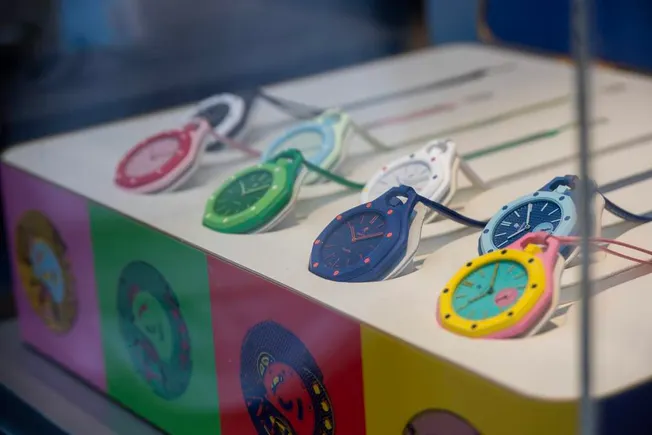
The Royal Pop collection offered a bioceramic pocket watch priced at $400. However, the allure extended far beyond the material cost. Consumers were not merely purchasing a timepiece; they were buying into a narrative of exclusivity, cultural relevance, and access to a luxury brand’s prestige that had previously been out of reach for many. Audemars Piguet, a brand historically known for its stringent control over its image and distribution, made a calculated strategic move by limiting the Royal Pop collaboration exclusively to Swatch stores. This decision was crucial for several reasons:
- Risk Mitigation: By not offering the product on AP’s own website or in its boutiques, Audemars Piguet effectively eliminated inventory risk, distribution risk, and the potential for brand dilution. The integrity of the core Royal Oak line remained untouched, while the collaboration served as a powerful brand-building exercise.
- New Fan Generation: The Royal Pop collection was designed to cultivate an entirely new generation of Audemars Piguet enthusiasts. By associating with Swatch, AP tapped into a broader demographic, introducing them to the brand’s heritage and aesthetic in an accessible format.
H3: The Visual Merchandising Conundrum: Bridging Two Worlds
The core challenge lay in harmonizing the vastly different visual identities and display philosophies of Audemars Piguet and Swatch. AP’s world is characterized by precision, control, and a hushed, sophisticated ambiance. Swatch, on the other hand, thrives on color, playfulness, and high-volume retail. Bridging this gap across hundreds of Swatch locations worldwide, while maintaining brand consistency and safety, required an extraordinary level of precision in visual merchandising (VM) guidelines.
Audemars Piguet had to provide extremely detailed and unambiguous VM directives. Swatch store teams, in turn, were tasked with receiving, understanding, and executing these guidelines flawlessly, leaving no room for interpretation. The absence of AP representatives on the ground meant that the success of the brand experience rested entirely on the clarity of the instructions and the proficiency of the Swatch staff.
H3: The Need for Agile VM Execution
In a scenario where immediate adjustments are necessary – perhaps a display is not performing as intended, one colorway is selling out significantly faster than others, or a fixture requires adaptation – the communication loop between headquarters and the field must be exceptionally swift, clear, and frictionless. This requires robust technological infrastructure and streamlined processes to ensure that any necessary modifications can be implemented across the network without delay.
H3: Takeaway: The Physical Store as the Ultimate Brand Ambassador
The Audemars Piguet x Swatch collaboration underscores a critical takeaway: when the physical store is the sole point of sale, and direct brand representation is absent, the visual merchandising execution carries the entire weight of the brand experience. In this context, precise guidelines, meticulously crafted planograms, and a fluid, responsive communication chain between teams are not mere operational enhancements; they are the essential levers of control a brand possesses to safeguard its identity and ensure a consistent customer journey. The ability to deploy and adapt visual merchandising rapidly and accurately is paramount to success in such high-stakes, viral product launches.
Case Study 2: Rhode Beauty’s Pop-Up Playbook – Crafting Tangible Experiences from Digital Buzz
Hailey Bieber’s beauty brand, Rhode, masterfully leveraged a dual strategy of social media engagement, predominantly on TikTok, and physical pop-up activations to cultivate brand awareness, influence, and, consequently, demand. Initially launched as an online-only direct-to-consumer (D2C) brand, Rhode recognized a critical gap: the absence of a tangible experience for consumers to interact with their products.
H3: Bridging the Digital-Offline Divide
To address this deficit, Rhode strategically implemented pop-up environments designed to offer consumers a hands-on product trial. These immersive spaces went beyond simple product displays, incorporating engaging elements such as branded ice cream trucks, interactive photobooths, and exclusive "sneak-peeks" of future product releases. These activations served a dual purpose: they provided consumers with a memorable, sensory experience and simultaneously generated "cultural moments" for Rhode’s audience, significantly bolstering the brand’s perceived value and desirability.
H3: The Growth of Demand and the Pop-Up Phenomenon
As Rhode expanded its physical presence through these pop-up initiatives, consumer demand began to escalate noticeably. Queues formed outside these temporary retail spaces, with customers willing to wait for hours to experience the latest product offerings. For a brand that commenced its journey with a modest catalog of just ten stock-keeping units (SKUs), this level of demand and widespread popularity served as compelling evidence of social media’s potent influence on consumer discovery and brand building.

The success of Rhode’s pop-up strategy lies in its ability to translate the ephemeral nature of online buzz into concrete, real-world engagement. By creating curated, experiential spaces, Rhode transformed digital interest into a physical phenomenon, allowing consumers to connect with the brand on a deeper, more personal level.
H3: Takeaway: Temporary Formats as a Low-Risk Strategy
Rhode Beauty’s approach highlights the efficacy of temporary store formats as a low-risk, high-impact strategy for converting social media virality into tangible, real-world engagement. These pop-ups offer brands the flexibility to experiment with physical retail without the significant overhead and commitment of permanent stores. However, the critical takeaway is that successfully translating a social media identity, often built on the rapid-fire consumption of short-form video, into a compelling physical browsing experience requires deliberate and trend-responsive visual merchandising from the outset. The design and execution of these temporary spaces must be as dynamic and engaging as the digital content that drives consumers to them, ensuring a seamless and satisfying brand journey.
Case Study 3: Nestlé Carnation at Walmart – Everyday Products in the Viral Spotlight
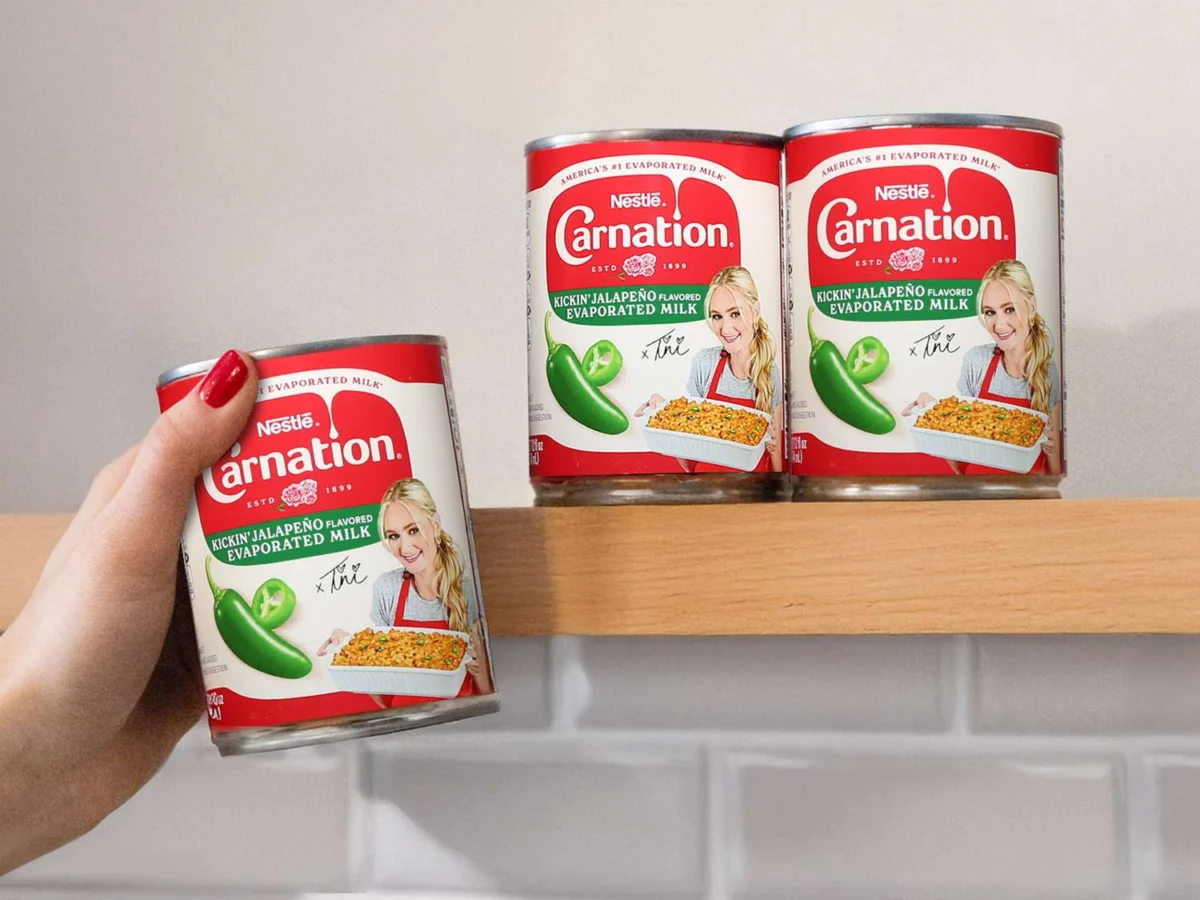
The seemingly ordinary world of grocery retail was dramatically impacted when chef influencer Tineke Younger shared a viral mac and cheese recipe on TikTok. The recipe’s standout ingredient? Nestlé’s Carnation evaporated milk. This single viral moment catapulted a staple grocery item into unexpected stardom, leading to a limited-edition product collaboration and a scramble for shelf placement at Walmart for an item that had previously been an unforeseen breakout candidate.
H3: The Unexpected Virality of a Grocery Staple
The incident involving Nestlé Carnation evaporated milk serves as a powerful reminder that virality is not confined to fashion, technology, or niche luxury goods. Even everyday, commonly found products can capture the public’s imagination and trigger immense demand overnight. Tineke Younger’s recipe, shared through engaging TikTok content, demonstrated how a well-placed endorsement and a compelling use case could transform a mundane ingredient into a sought-after item.
The speed at which this demand materialized caught many retailers and manufacturers by surprise. The "unforecasted" nature of this breakout demand meant that existing inventory and shelf-space allocations were likely not prepared for such a surge. This highlights a systemic challenge in the retail supply chain: the difficulty in predicting and reacting to emergent viral trends for non-traditional product categories.
H3: The Retail Response: Agility in the Aisle
For a retailer like Walmart, a product going viral necessitates an immediate and decisive response. The ability to quickly adapt shelf space, implement targeted promotions, and ensure product availability becomes paramount. This requires pre-existing infrastructure that can support rapid deployment of merchandising strategies.
The specific needs in such a scenario include:
- Endcap Strategy: The strategic placement of a product on prominent endcaps can significantly boost visibility and drive impulse purchases, especially when demand is heightened by viral attention.
- Influencer-Themed Signage: Leveraging the source of the virality through signage that references the influencer or the viral recipe can reinforce the product’s trending status and attract consumers who are aware of the online buzz.
- Clear Product Placement: Ensuring the product is easily identifiable and accessible is crucial. This involves accurate planogram execution and clear in-store navigation.
H3: Takeaway: Planogram Infrastructure is Key
The Nestlé Carnation example underscores a critical operational insight: even for everyday grocery products, the capacity for rapid response to viral trends is directly dependent on the underlying planogram infrastructure. A well-defined and readily adaptable planogram system is essential for quickly deploying merchandising strategies such as endcap placements and influencer-themed signage. Without this foundational readiness, brands and retailers will struggle to capitalize on unexpected surges in demand, leaving potential sales on the table and failing to fully leverage the power of viral marketing in physical retail spaces.
How Can Your Brand Stay Ready? Building a Foundation for Speed
The recurring theme across these diverse case studies is that the brands best positioned to capitalize on viral demand were not necessarily those who reacted the fastest in the moment. Instead, they were the organizations whose merchandising infrastructure was already inherently built for speed and agility. This foundational readiness is characterized by several key components:

H3: The Pillars of Agile Merchandising
- Accurate Planograms: The bedrock of effective visual merchandising is a precise and up-to-date planogram system. Accurate planograms ensure that products are consistently placed according to brand guidelines across all store locations, providing a clear roadmap for execution.
- Clear Space Directives: Beyond just product placement, clear directives on how shelf space should be utilized and allocated are crucial. This includes guidelines for product facings, product adjacencies, and promotional space.
- Validated Layouts: Before reaching the store floor, layouts and merchandising strategies should undergo a validation process. This can involve 2D and 3D modeling, simulated store environments, or pilot testing to identify potential issues and optimize execution before widespread deployment.
H3: Leveraging Technology for Upstream Precision
The logic behind how retail leaders successfully navigate the accelerated pace of product discovery is rooted in building upstream precision. This is where tools like IWD (Intelligent Visual Distribution) become indispensable. These platforms are not designed for reactive scrambling after a trend hits, but rather for proactively establishing the robust infrastructure that enables fast, consistent, and accurate deployment when the moment of opportunity arrives.
The impact of such technology is profound. As Francesca Elston, Visual Merchandising Manager at Dermalogica, attests, "Time spent doing planograms has dropped dramatically, from 80% of my time to 25%." This significant reduction in manual effort allows VM teams to focus on strategic initiatives rather than laborious execution.
H3: The Benefits of Data-Driven Merchandising
The adoption of data-driven planograms, coupled with the ability to validate 2D and 3D layouts, streamlines the entire merchandising process. This leads to seamless deployment across vast store networks. When a product experiences an unexpected surge in popularity, the execution of the necessary merchandising changes becomes a far less variable and more manageable aspect of the overall response. This allows brands to focus on other critical elements, such as supply chain management and customer service, without being hindered by the complexities of in-store presentation.
H3: The Inevitable Arrival of the Moment
In the current retail environment, particularly within the TikTok era, the "moment" of viral demand arrives with an unnerving predictability, and always faster than anticipated. Brands that are not proactively prepared to meet this demand with agility and precision will inevitably find themselves at a significant disadvantage. The investment in robust visual merchandising infrastructure is not an optional expenditure; it is a strategic imperative for survival and success in the fast-paced, trend-driven world of modern retail.
H3: About IWD
IWD provides cutting-edge visual merchandising software used by leading retail brands worldwide. Their solutions empower brands to efficiently build, validate, and deploy planograms across extensive store networks, ensuring consistency, accuracy, and speed. To learn more about how IWD can help your brand achieve merchandising excellence and prepare for the unpredictable nature of viral trends, visit iwd.io.
