

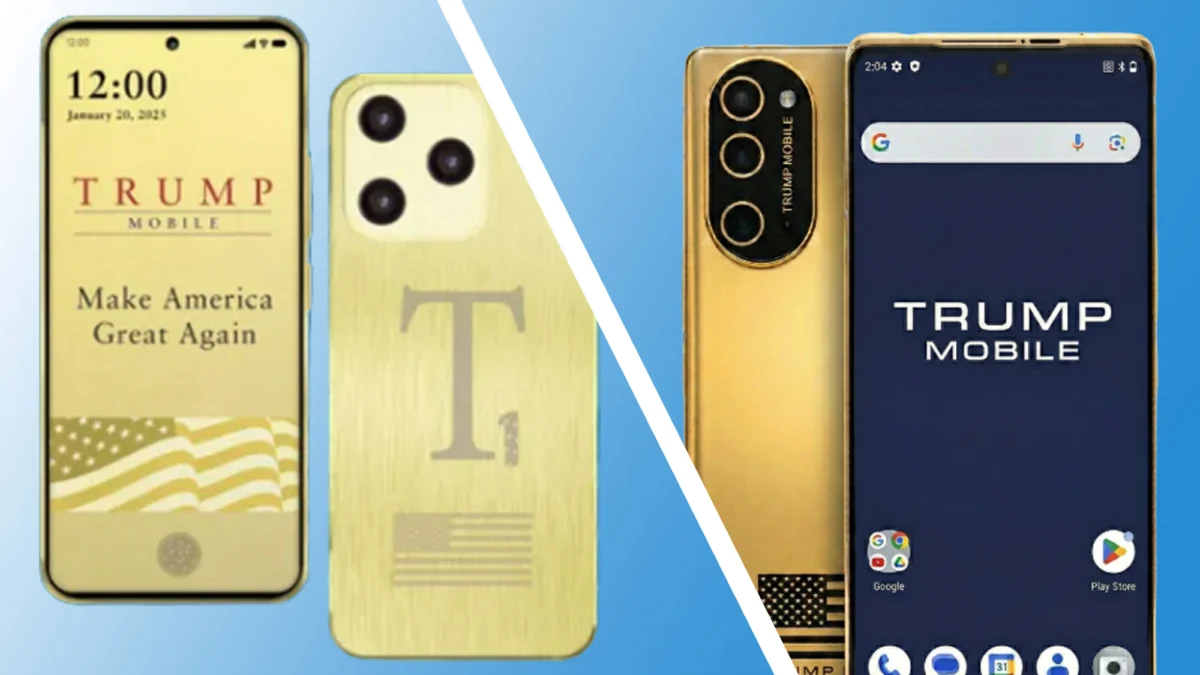
After nearly a year of speculation, skepticism, and shifting promises, the Trump Mobile T1 Gold smartphone—a device that has become a lightning rod for debate in the intersection of politics and consumer technology—is reportedly making its way into the hands of customers. The long-gestating project, which promised a patriotic mobile experience, is finally shifting from the realm of digital renders and preorder deposits to physical reality.
For those who laid down a $100 deposit nearly 12 months ago, the news that the device has begun shipping comes as a long-awaited relief. However, the road to this release has been paved with confusion, legal fine print, and a series of pivots that have left industry analysts and consumers alike questioning the nature of this unique handset.
Chronology of a Controversial Launch
The narrative of the Trump Mobile T1 is one of constant evolution and expectation management. When the project was first announced, it was pitched to consumers as a revolutionary, American-made handset. The marketing materials leaned heavily into themes of domestic manufacturing and national pride, suggesting a device that would disrupt the market dominance of established players like Apple and Samsung.
However, the realities of global supply chains and the complexities of mobile hardware engineering soon forced a shift in strategy. The company quietly walked back its "Made in America" claims, pivoting to the more modest—and legally defensible—branding of "American Proud Design." This admission signaled to industry observers that the T1 was not the ground-up domestic manufacturing feat originally teased, but rather a white-labeled device customized for a specific niche audience.
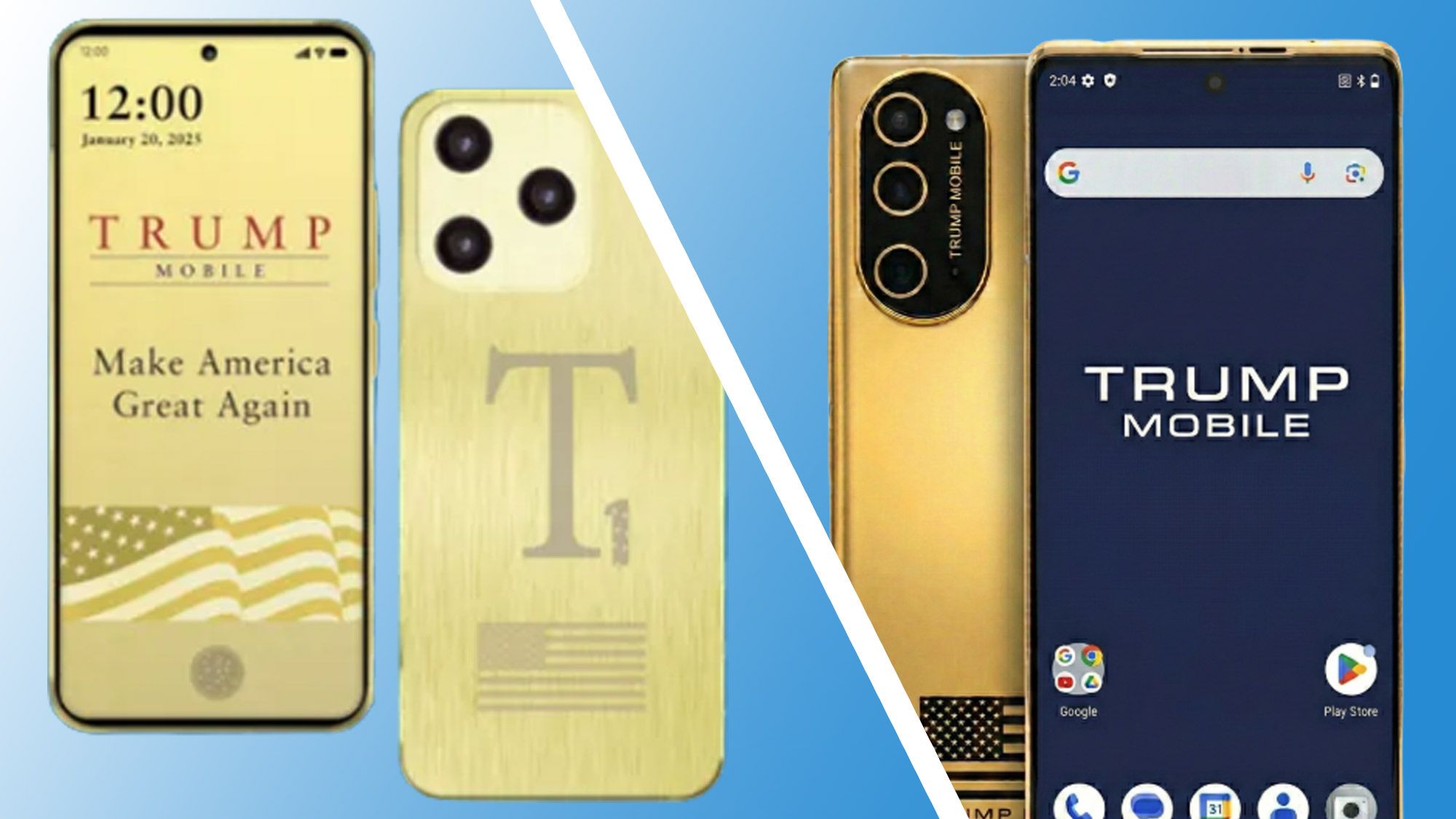
By April of this year, the aesthetic of the phone underwent a radical transformation. The initial design, which drew frequent comparisons to the sleek, minimalist aesthetics of modern iPhones, was scrapped in favor of a "T1 Gold" iteration. This new look—heavy on gold-toned hardware, ornate accents, and a distinct lack of modern industrial design trends—seemed to lean into a nostalgic, perhaps polarizing, aesthetic that would have been more at home in the mobile market of 2012 than in the current era of bezel-less displays and computational photography.
The most recent chapter in this chronology involved a period of intense uncertainty. As reported by the International Business Times UK and other tech outlets, updated Terms of Service (ToS) documents suggested that the company was insulating itself against a potential failure to deliver. The language explicitly stated that a deposit did not guarantee the production or delivery of a device, nor did it constitute a formal contract for sale. For many, this was the final indicator that the T1 might remain a digital phantom. Yet, in a sudden reversal, a recent social media update from the company has declared that the phones are, in fact, shipping.
The Hardware: A Look Under the Hood
For a device that carries such significant branding, the technical specifications of the Trump Mobile T1 have remained curiously opaque. Based on the limited data available, the T1 is an Android 15-based handset powered by a last-generation Qualcomm Snapdragon 7 series chipset.
While the use of Android 15 provides a modern software foundation, the reliance on older-generation silicon raises questions about the device’s long-term performance and efficiency. In an era where flagship smartphones are utilizing 3nm and 4nm architecture for improved power management and AI-driven performance, the T1’s hardware profile is decidedly mid-range.
However, the phone does retain some features that have been largely abandoned by the industry at large. It features a 3.5mm headphone jack, a inclusion that may appeal to audiophiles or those who remain resistant to the industry-wide transition to wireless audio. The device also includes a charging brick and a clear protective case—a refreshing, if rare, inclusion in a market where even premium handsets have largely stripped away these "essential" accessories in the name of sustainability.
The physical build includes a prominent camera housing, a USB-C charging port, and a design that prioritizes the "Gold" theme throughout. Whether the device offers the "performance and reliability" promised in promotional materials remains to be seen once the units undergo rigorous independent testing.
The Business of Identity: Why Consumers Bought In
The question of why consumers would invest $499 into a phone with such a volatile development cycle is best answered by looking at the "intangibles." The T1 is not being marketed merely as a telecommunications tool; it is being sold as a brand-aligned lifestyle product.
For many of the early adopters, the purchase is an expression of support for the Trump name and the values they associate with it. The mobile plan associated with the service, dubbed "47," serves as a direct nod to the political aspirations of the 47th President of the United States. In this light, the technical specs become secondary to the symbolic value of the device.
The company’s marketing narrative suggests that the T1 is designed for "real American value." By focusing on this emotional connection, Trump Mobile has managed to secure thousands of preorders despite a lack of traditional technical benchmarks or carrier-grade validation. It is a masterclass in identity-based marketing, where the product serves as a badge of affiliation rather than a piece of high-performance consumer electronics.
Legal and Ethical Implications
The legal maneuvering identified in the company’s Terms of Service serves as a cautionary tale in the age of crowdfunding and direct-to-consumer tech sales. By explicitly stating that the company does not guarantee a product, the developers attempted to create a firewall between themselves and the financial risks of hardware production.
While this language is often standard in high-risk ventures, its prominence in the T1 launch fueled significant public distrust. Had the company failed to ship, it would have faced not only the ire of its supporters but potential regulatory scrutiny regarding consumer protection laws. The shift from "we might not deliver" to "phones are shipping" has effectively avoided a public relations disaster, but the episode highlights the necessity of transparency in the burgeoning "political-tech" sector.
Looking Ahead: The Path Forward
As of this week, the T1 is entering the real world. The next few days will be critical as the first wave of units hits the doorsteps of those who placed their trust—and their capital—in the project.
The success of the T1 will be measured by more than just its arrival. The questions that remain are manifold:
- Software Stability: How well will the customized Android experience hold up under daily use?
- Network Reliability: As an MVNO (Mobile Virtual Network Operator), how robust will the coverage be for users?
- Longevity: Will there be timely security updates, or will the T1 be a "one-and-done" hardware release?
We invite our readers who have pre-ordered the device to share their experiences. The unboxing process, the initial software setup, and the feeling of the device in hand will provide the first true glimpse into whether the T1 is a functional piece of hardware or merely a collector’s item for the brand-loyal.
The tech industry is accustomed to delays, but the Trump Mobile T1 represents a unique intersection of commerce, politics, and the volatile world of smartphone startups. As the first units emerge from their packaging, the tech community will be watching closely to see if the reality of the T1 matches the magnitude of the promise. Whether it stands as a viable alternative in a crowded market or as a curiosity of the 2024 tech landscape, its arrival is, at the very least, a definitive end to one of the year’s most unusual industry sagas.
