

When we discuss lower-body fitness, the conversation is frequently dominated by the "powerhouse" muscles: the quadriceps, the hamstrings, and the gluteus maximus. However, beneath the surface of these primary movers lies a sophisticated network of stabilizing muscles—the outer thighs and hip abductors—that dictate the quality of our daily movement. Often overlooked in standard gym programming, these muscles are the silent architects of our balance, gait, and injury prevention.
To understand how to better engage these muscles, we spoke with Domenic Angelino, MS, MPH, CSCS, CPT, Chief Exercise Scientist at FitCraft. Angelino emphasizes that strengthening the outer thighs is not merely an aesthetic endeavor; it is a fundamental requirement for maintaining functional independence, especially as we age.
The Anatomy of Stability: Why Outer Thigh Strength Matters
The outer thigh region is home to several critical muscles, most notably the gluteus medius, the gluteus minimus, and the tensor fasciae latae (TFL). These muscles serve as the body’s primary hip abductors—the structures responsible for moving the leg away from the midline of the body.
1. Pelvic Alignment and Posture
Your outer thighs act as the "stabilizers of the pelvis." When you stand on one leg, as you do during the walking cycle, these muscles must fire intensely to keep your pelvis level. If they are weak, the pelvis tends to tilt, placing undue stress on the lower back and knees.
2. Knee Health and Injury Prevention
The vastus lateralis, located on the outer side of the front thigh, plays a significant role in tracking the patella (kneecap). Imbalances in the outer thigh can lead to poor knee tracking, which is a leading contributor to chronic knee pain and ligament strain. By reinforcing the outer thigh, you create a supportive "casing" for the knee joint.
3. Functional Mobility
From climbing a flight of stairs to navigating uneven terrain on a hike, our daily lives require lateral stability. The outer thighs allow for the side-to-side transitions that keep us upright and secure. Strengthening these areas significantly lowers the risk of falls and common overuse injuries.
Expert Insights: The Science of Targeted Training
Domenic Angelino notes that the challenge in training the outer thigh lies in its specific mechanical role. "Many people fall into the trap of doing only forward-moving exercises like traditional squats or lunges," Angelino explains. "While these are excellent for the front and back of the leg, they largely neglect the lateral plane of motion. To see real results, you must incorporate exercises that demand stabilization and abduction."
The Chronology of an Effective Routine
For those looking to integrate these movements into their current regimen, Angelino suggests a balanced approach. Whether you are a fitness novice or a seasoned athlete, the following four standing exercises should serve as the cornerstone of your lateral strength training.
The Four Pillars of Outer Thigh Development
1. Standing Hip Abductions
The hip abduction is perhaps the most direct way to isolate the gluteus medius.
- The Technique: Maintain a rigid, upright torso. Lift one leg laterally away from your body while keeping your toes pointed forward.
- The Science: By keeping the upper body still, you force the hip abductors to contract against gravity. "This exercise is versatile," says Angelino. "You can perform it using only your body weight for form correction, or add cables and resistance bands for progressive overload. If you are a beginner, standing next to a wall provides a crucial safety net for balance."
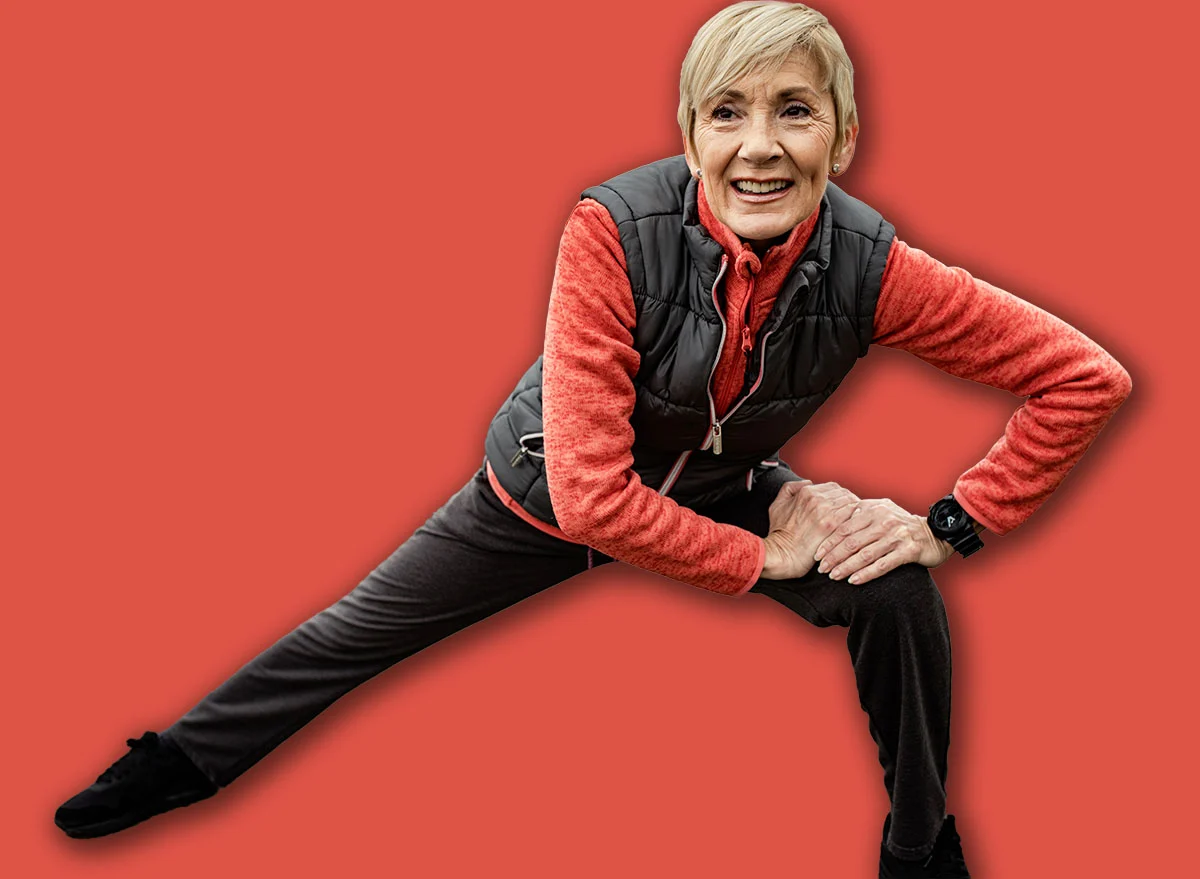
2. Lateral Lunges
Unlike the forward lunge, which focuses on the sagittal plane, the lateral lunge forces the body to stabilize in the frontal plane.
- The Technique: Step out wide to the side, keeping the trailing leg straight while bending the leading knee. Ensure your weight is shifted into the heel of the bent leg.
- The Science: This movement activates the vastus lateralis and the gluteus medius simultaneously. Because it allows for a deeper range of motion, it places a higher demand on the outer thigh muscles to control the descent and generate the force required to return to a standing position.
3. Side Step-Ups
This exercise is a powerhouse for functional coordination and IT band health.
- The Technique: Using a sturdy box or platform, step up laterally rather than facing forward. Ensure your foot is planted firmly on the center of the box.
- The Science: The iliotibial (IT) band is a thick band of fibrous tissue that runs down the outside of the thigh. While it cannot be "strengthened" like a muscle, its role as a stabilizer is enhanced through lateral movement. "Side step-ups increase the activation of the muscles surrounding the IT band," Angelino explains. "This is one of the most effective ways to build the stabilization required for long-distance walking or running."
4. Sumo Squats
The sumo squat is the ultimate "heavy lifter" in this category. By widening the stance beyond shoulder-width, you shift the mechanical advantage away from the quads and onto the adductors and outer hip stabilizers.
- The Technique: Take a wide stance with your toes pointed slightly outward. Lower yourself into a squat, keeping your chest tall and driving your knees outward over your toes.
- The Science: "Because this stance allows you to move heavier weight compared to an isolation exercise, it provides a stronger stimulus for growth," says Angelino. "The wide base forces the outer hips to work harder to maintain balance, leading to faster strength gains."
Supporting Data: Why "Standing" Exercises Win
A common question among fitness enthusiasts is whether floor-based exercises (like the clam-shell) are superior to standing ones. While floor exercises are excellent for activation, Angelino argues that standing exercises offer a higher "functional carryover."
In a standing position, your body must engage its core, stabilize the ankle, and manage balance simultaneously. This "kinetic chain" engagement ensures that the strength you build in the gym translates directly to your ability to walk, run, and carry groceries. Furthermore, standing exercises allow for the use of external loads (dumbbells, kettlebells, or barbells), which is a prerequisite for long-term hypertrophy and bone density maintenance.
Official Recommendations and Implications for Health
The implications of weak outer thighs extend far beyond the gym. According to recent musculoskeletal health guidelines, sarcopenia—the age-related loss of muscle mass—often hits the stabilizing muscles of the hips and thighs first.
How to Implement This Into Your Routine:
- Frequency: Perform these movements 2–3 times per week. They are excellent additions to "Leg Day" or as a dedicated "Stability Circuit."
- Volume: Aim for 3 sets of 10–15 repetitions per exercise. If using heavy weights (as in the Sumo Squat), reduce the reps to 6–8.
- Progression: Start with bodyweight to master the form. Once you can complete the movements with perfect control, introduce resistance bands, followed by dumbbells or cable machines.
- Consistency: The outer thigh muscles are postural; they respond well to consistent, moderate-intensity loading over time.
Addressing Potential Risks
If you experience sharp pain during any of these movements—particularly around the knee or the hip joint—it is vital to consult with a physical therapist. Weakness in the outer thighs can sometimes mask underlying issues like bursitis or labral tears. However, for the average individual, these four exercises are considered safe, highly effective, and essential for long-term mobility.
Conclusion: Investing in Your Future Movement
Building a strong foundation is about more than what you see in the mirror. It is about creating a body that can handle the unpredictable nature of daily life. By prioritizing the outer thighs through movements like the sumo squat and lateral lunge, you are doing more than just firming up; you are investing in the integrity of your joints and the longevity of your active lifestyle.
As Domenic Angelino reminds us, "We often focus on what we can see, but true fitness is found in the muscles that hold us up when we aren’t looking." By dedicating just a few minutes of your workout to these lateral movements, you ensure that you remain capable, agile, and resilient for years to come.
Disclaimer: This article is for educational purposes and does not constitute medical advice. Always consult with a healthcare professional before starting any new exercise program.
