

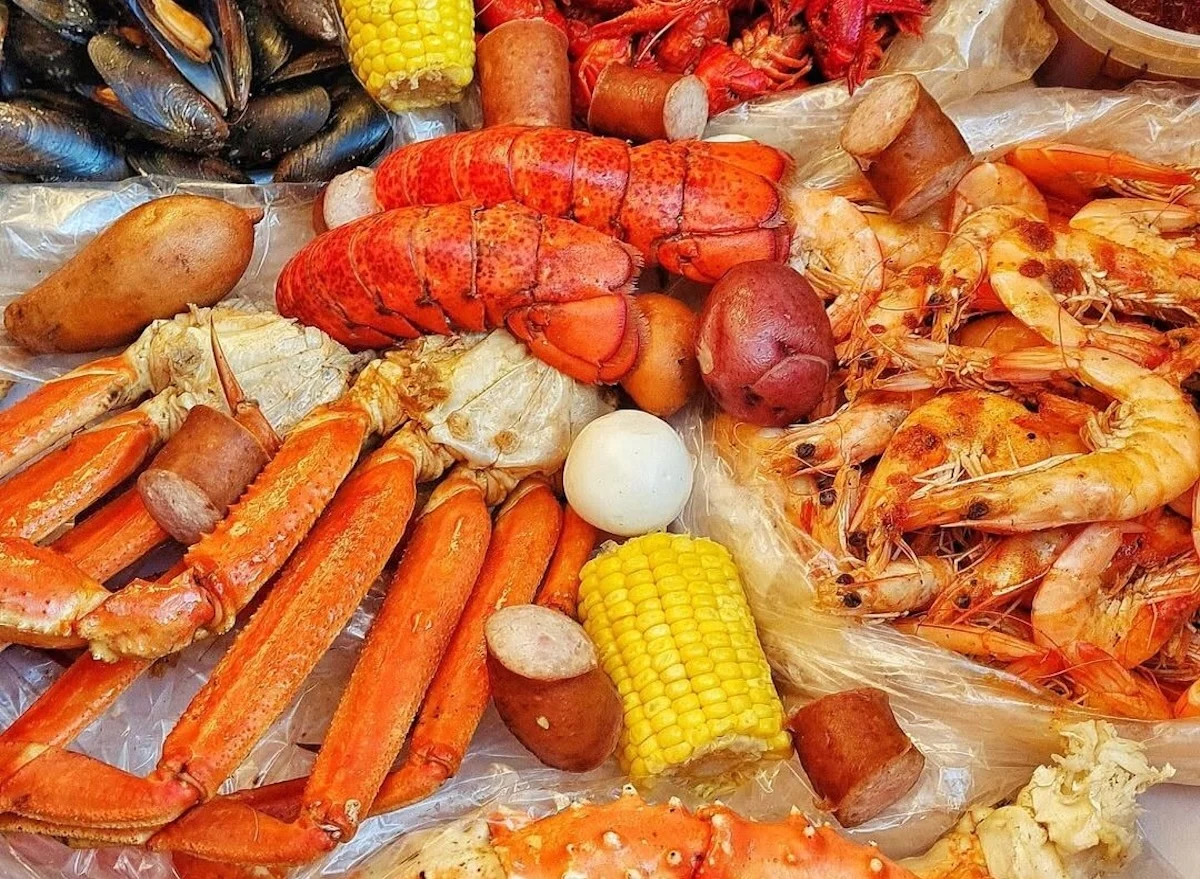
There is something undeniably communal and primal about a seafood boil. It is a meal that demands you set aside your phone, don a plastic bib, and get your hands dirty. What began as a regional staple in the coastal marshes of Louisiana and the historic fishing towns of the Carolinas has transcended its humble, backyard origins to become a powerhouse of the casual dining sector.
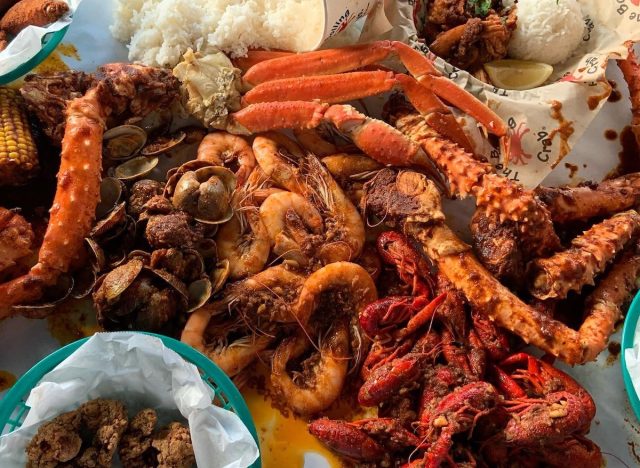
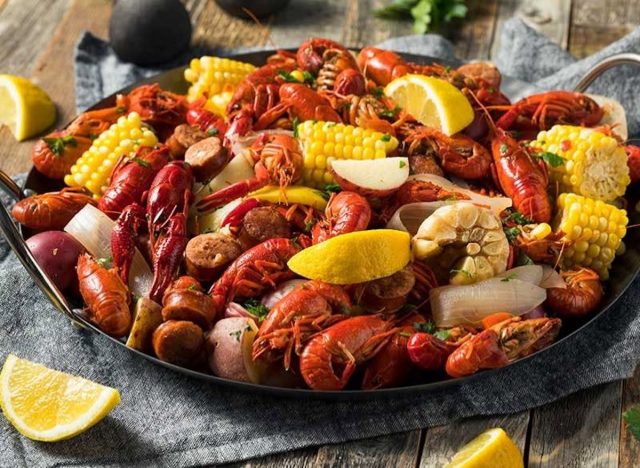
Today, the seafood boil—a generous, aromatic amalgamation of shrimp, crab, lobster, crawfish, sausage, corn, and potatoes bathed in bold, butter-heavy seasonings—is a signature experience across national and regional restaurant chains. To help navigate the crowded landscape of "bag-and-boil" concepts, Eat This, Not That! consulted with Therese Buchanan, a professional home chef, food blogger, and recipe developer behind Tessie’s Table. Buchanan breaks down the top chains that are currently setting the gold standard for this messy, flavorful, and quintessentially American feast.
The Anatomy of a Modern Seafood Boil
Before diving into specific chains, it is essential to understand what makes a high-quality boil. A successful boil is not merely about dumping shellfish into a pot; it is about the "marriage" of ingredients. The starch of the potatoes, the sweetness of the corn, the savory snap of the andouille sausage, and the delicate texture of the crustaceans must all harmonize within a flavor-forward liquid.
Modern chains have modernized this by introducing customizable spice levels and proprietary sauce blends—ranging from classic Cajun and Garlic Butter to adventurous Lemon Pepper and "everything" house blends. This evolution has transformed the boil from a seasonal outdoor event into a year-round, brick-and-mortar dining experience.
1. Red Lobster: The Established Classic
Red Lobster may be the household name of the group, but their approach to the boil is surprisingly nuanced. Rather than leaning entirely into the "bag-in-a-basket" trend, they have refined the boil into a composed, high-quality dish.
Expert Insight:
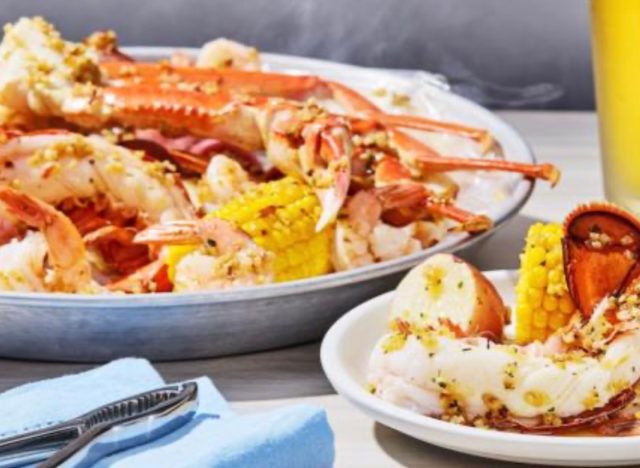
According to Buchanan, the "Mariner’s Boil" is the standout choice for those seeking consistency. "Red Lobster’s Mariner’s Boil combines lobster tail, shrimp, snow crab legs, corn, and potatoes in a seasoned garlic butter sauce," she explains. "What separates them from the pack is the technique; the seafood is cooked separately before being brought together. This ensures that the delicate lobster meat doesn’t become overcooked while waiting for the heartier crab to finish, allowing each ingredient to maintain its signature texture."
2. Angry Crab Shack: The Customization King
For diners who view a seafood boil as a blank canvas, Angry Crab Shack has emerged as a leader in the customization space. While they offer pre-curated options like the "Boil for Two," their true strength lies in the diner’s ability to act as their own chef.
Expert Insight:
"Angry Crab Shack lets you build your own seafood boil from the ground up," says Buchanan. "You choose your seafood, your specific seasoning blend, and your precise spice level. The generous portions and the sheer variety of options make it an ideal spot for groups where everyone has different heat tolerances or shellfish preferences." By prioritizing personalization, they have captured a loyal demographic that values control over their dining experience.
3. The Boiling Crab: The Pioneer of the "Bag" Trend
Few chains have had as much influence on the modern "Cajun-style" boil as The Boiling Crab. They are widely credited with popularizing the casual, roll-up-your-sleeves experience that has become the industry standard in urban centers across the United States.
Expert Insight:
"The Boiling Crab has built its reputation around authentic Cajun-style boils served in plastic bags coated with bold, buttery seasonings," Buchanan notes. The experience here is tactile; the bag locks in the heat and steam, allowing the shellfish to continue marinating in the sauce until the very last bite. "Mixing shrimp, crab, crawfish, sausage, corn, and potatoes in that bag lets every ingredient soak up the flavorful sauce, creating a depth of flavor that is hard to replicate at home."
4. Crab Du Jour: A Focus on Variety
Crab Du Jour has carved out a niche by offering an expansive menu that goes beyond the standard crawfish and shrimp offerings. For those who want to explore different types of mollusks and crustaceans in a single sitting, this chain provides a wide-reaching menu.
Expert Insight:
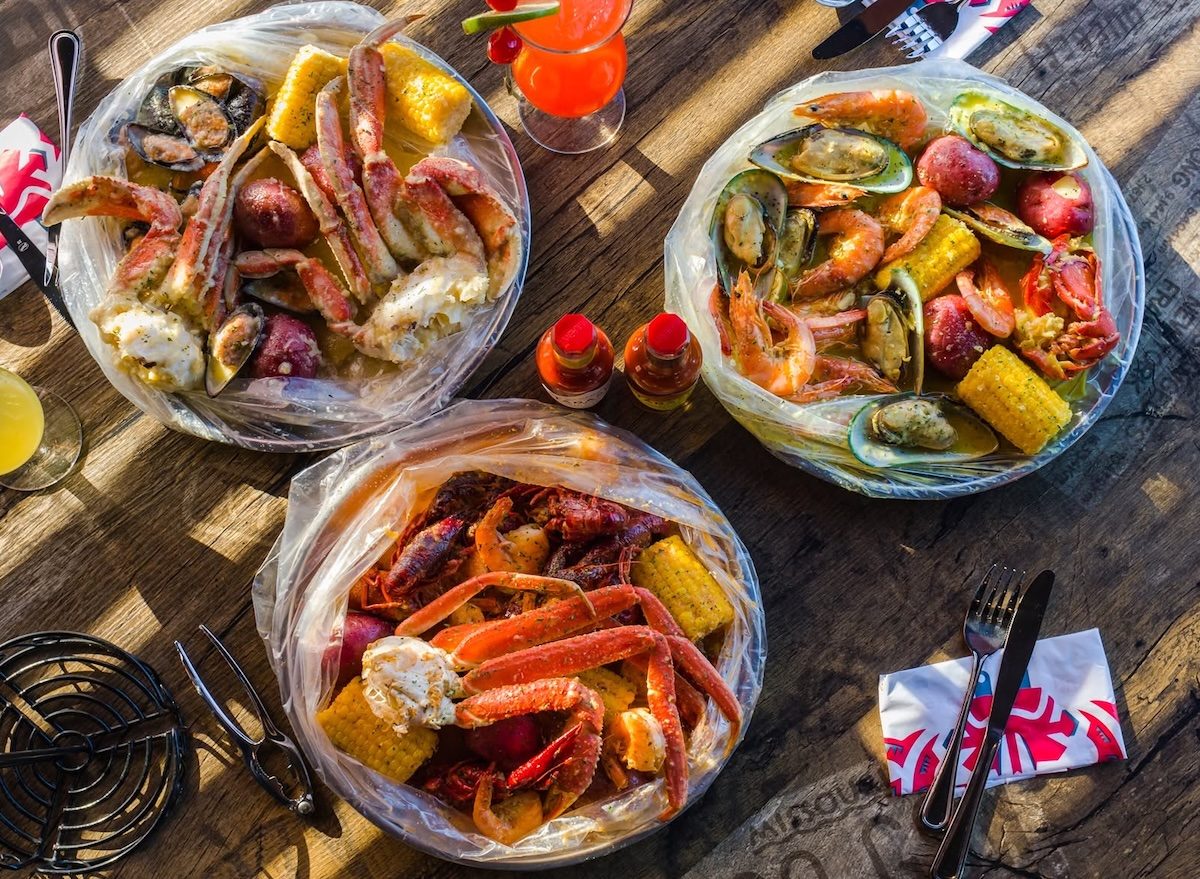
"Crab Du Jour offers seafood boils packed with crab, shrimp, lobster, mussels, clams, and crawfish in a choice of signature sauces," explains Buchanan. Their approach is focused on volume and variety. Buchanan points out that their cooking process is particularly well-calibrated: "The seafood is cooked until tender, and the signature sauces are thick enough to coat every ingredient without masking the natural, sweet flavor of the shellfish."
5. Cap’t Loui: The New England-Cajun Fusion
Cap’t Loui represents the evolution of the trend, blending the traditional New England seafood boil heritage with the aggressive, bold spices of the Cajun school. This chain has expanded rapidly by focusing on a communal, high-energy environment.
Expert Insight:
"Cap’t Loui’s seafood boils are highly customizable, with plenty of seafood choices and several house seasoning blends," says Buchanan. She highlights the importance of the "side-kick" ingredients, noting, "The combination of shellfish, corn, potatoes, and sausage makes for a satisfying meal, and the sauces are rich enough to keep you reaching for another piece of bread to mop up the plate."
Chronology of the Seafood Boil Trend
The trajectory of the seafood boil in the American restaurant industry is a fascinating case study in culinary migration.
- 1900s–1980s: The boil remained a regional tradition, primarily associated with Lowcountry boils in South Carolina and crawfish boils in Louisiana. It was almost exclusively a home-cooked, outdoor event.
- 2000s: The "Cajun-style" boil began to permeate the West Coast, particularly in Vietnamese-American communities in California. This introduced the concept of the "boil in a bag" and the heavy use of garlic-butter sauces.
- 2010s: The concept moved from local, independent eateries to national chain expansion. Chains like The Boiling Crab began to prove the model’s scalability.
- 2020s–Present: The segment has exploded into the mainstream. Large chains like Red Lobster have integrated boil-style dishes into their permanent menus to remain competitive, while fast-casual concepts like Crab Du Jour continue to open locations in suburban markets.
Supporting Data: Why the Trend Persists
Why are these restaurants thriving? The data suggests several factors:
- The Experience Economy: Modern diners, particularly Gen Z and Millennials, prioritize "experiential" dining. The messiness and lack of utensils turn a meal into an activity.
- Affordability of Communal Dining: Sharing a large bag of seafood is often more cost-effective for groups than ordering individual entrées.
- High-Protein, Low-Carb Appeal: While the potatoes and corn add carbohydrates, the base of the meal—crustaceans—is high in lean protein, making it attractive to health-conscious diners who opt for lighter seasoning blends.
Official Responses and Culinary Philosophy
When speaking with representatives from these chains, a common theme emerges: Respect for the ingredient.
Even at high-volume chains, the "boil master" (the kitchen staff responsible for the pots) is trained to monitor the timing down to the second. Overcooked crab becomes rubbery; undercooked crawfish is a safety risk. By standardizing the cook times and utilizing high-quality, often frozen-at-sea shellfish, these chains have managed to provide a consistent experience that rivals the traditional backyard boil.
Furthermore, the "sauce profiles" have become the secret weapons of these companies. Whether it is the proprietary "Loui’s Special" or a "Whole Shabang" style sauce, these blends are often guarded like trade secrets, creating brand loyalty that keeps customers returning for specific flavor profiles they cannot find elsewhere.
Implications for the Future of Seafood Dining
The rise of the seafood boil has significant implications for the future of the restaurant industry. First, it has normalized the consumption of shellfish in casual, "fast-casual" settings, lowering the barrier to entry for consumers who previously associated crab or lobster with fine dining.
Second, it has changed kitchen design. Restaurants now require specialized boiling stations and high-capacity ventilation to handle the aromatic, spice-heavy steam produced by hundreds of pounds of daily boils.
Finally, the trend signals a shift toward "interactive" eating. As diners continue to move away from the traditional "plate-and-fork" service, we can expect more restaurant concepts to center their menus around foods that encourage interaction, sharing, and a break from the rigid decorum of traditional dining.
Whether you are a purist who prefers a simple lemon-butter dip or a spice-seeker looking for the hottest "extra-spicy" Cajun sauce available, the current landscape of seafood boil chains offers something for everyone. From the polished service at Red Lobster to the hands-on, high-intensity experience at The Boiling Crab, the American seafood boil has officially secured its place as a cornerstone of our national culinary identity.
