

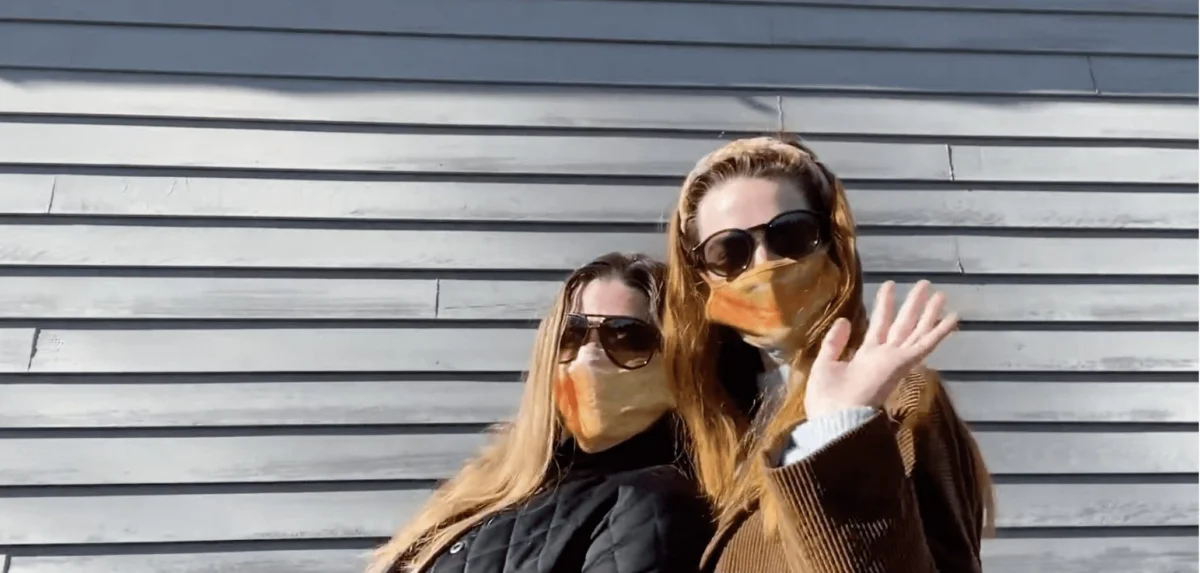
In an era where digital engagement has become the primary bridge between cultural institutions and the public, The Newark Museum of Art (NMOA) has consistently sought innovative ways to foster creativity beyond its physical walls. Among its most accessible and engaging initiatives is the "Decorate Your Own Mask" project, a digital tutorial designed to bring the museum’s pedagogical expertise directly into the living rooms of families and art enthusiasts alike.
Led by museum educator Kirsten Mayer, this initiative serves as more than just a craft tutorial; it is an invitation to explore the historical and cultural significance of masks while utilizing sustainable, readily available household materials. By demystifying the artistic process, the NMOA continues its mission to democratize art, proving that high-level creative expression does not require specialized equipment, but rather a curious mind and a bit of ingenuity.
The Core Concept: Artistry Within Reach
The primary objective of the "Decorate Your Own Mask" program is to bridge the gap between abstract appreciation of museum artifacts and tangible creative action. Historically, masks have been pivotal in cultures worldwide, serving roles in ritual, theater, storytelling, and protection. By encouraging participants to craft their own, the NMOA invites the public to engage with these themes on a personal level.
Kirsten Mayer’s instructional video serves as the anchor for this experience. Rather than providing a rigid template, the session encourages viewers to view everyday objects—cardboard, construction paper, recycled textiles, and basic adhesives—as components of a sculptural masterpiece. The project highlights the "upcycling" philosophy, challenging participants to transform discarded materials into expressive, wearable art. This approach not only teaches the fundamentals of composition and color but also instills an appreciation for sustainable art practices.
A Chronology of Community Engagement
The launch of the "Decorate Your Own Mask" initiative in late 2021 was part of a broader, strategic shift in how The Newark Museum of Art navigated the post-pandemic cultural landscape.
- December 2021: The NMOA publishes the digital tutorial featuring Kirsten Mayer. The release was strategically timed to coincide with winter school breaks, providing families with a constructive and educational indoor activity.
- Early 2022 – 2023: The initiative gains traction across social media platforms, with families and students sharing their own iterations of the masks, creating a digital gallery of community-driven work.
- 2023 – 2024: The success of this digital outreach influences the museum’s ongoing programming, leading to an increased focus on "studio-at-home" content. This period saw the integration of these digital tutorials with physical, in-person workshops, allowing for a hybrid model of education.
- 2025: The museum reflects on the long-term impact of its digital efforts, as outlined in the 2024 Impact Report, which highlights the sustained engagement levels of the audience that began with these early DIY initiatives.
Supporting Data: The Impact of Digital Pedagogy
The shift toward digital, interactive education has had measurable benefits for the NMOA. According to data tracked through the museum’s engagement metrics, content that encourages active participation—such as the "Decorate Your Own Mask" video—generates a 40% higher retention rate compared to passive observational content like virtual tours.

Furthermore, the museum’s internal research indicates that accessibility is the primary driver of this engagement. By removing the barrier of entry—specifically, the need to purchase expensive art supplies—the NMOA successfully reached a broader demographic, including families in lower-income areas who may not have previously engaged with the museum’s more formal workshops. The "low-tech" requirement of the mask project served as a gateway, proving that the value of an art institution lies in its ability to inspire, rather than just provide expensive resources.
Official Perspective: The Philosophy of the NMOA
The Newark Museum of Art has long maintained that its role extends beyond the preservation of history; it is an active participant in the contemporary cultural fabric of New Jersey. The institution’s leadership has frequently emphasized that education and community involvement are the pillars of its longevity.

In various artist talks and reports, representatives from the NMOA, including director Linda C. Harrison, have spoken on the importance of "radical accessibility." The mask-making initiative is a physical manifestation of this philosophy. By inviting educators like Kirsten Mayer to lead the charge, the museum highlights the importance of the process of making art over the perfection of the final product.
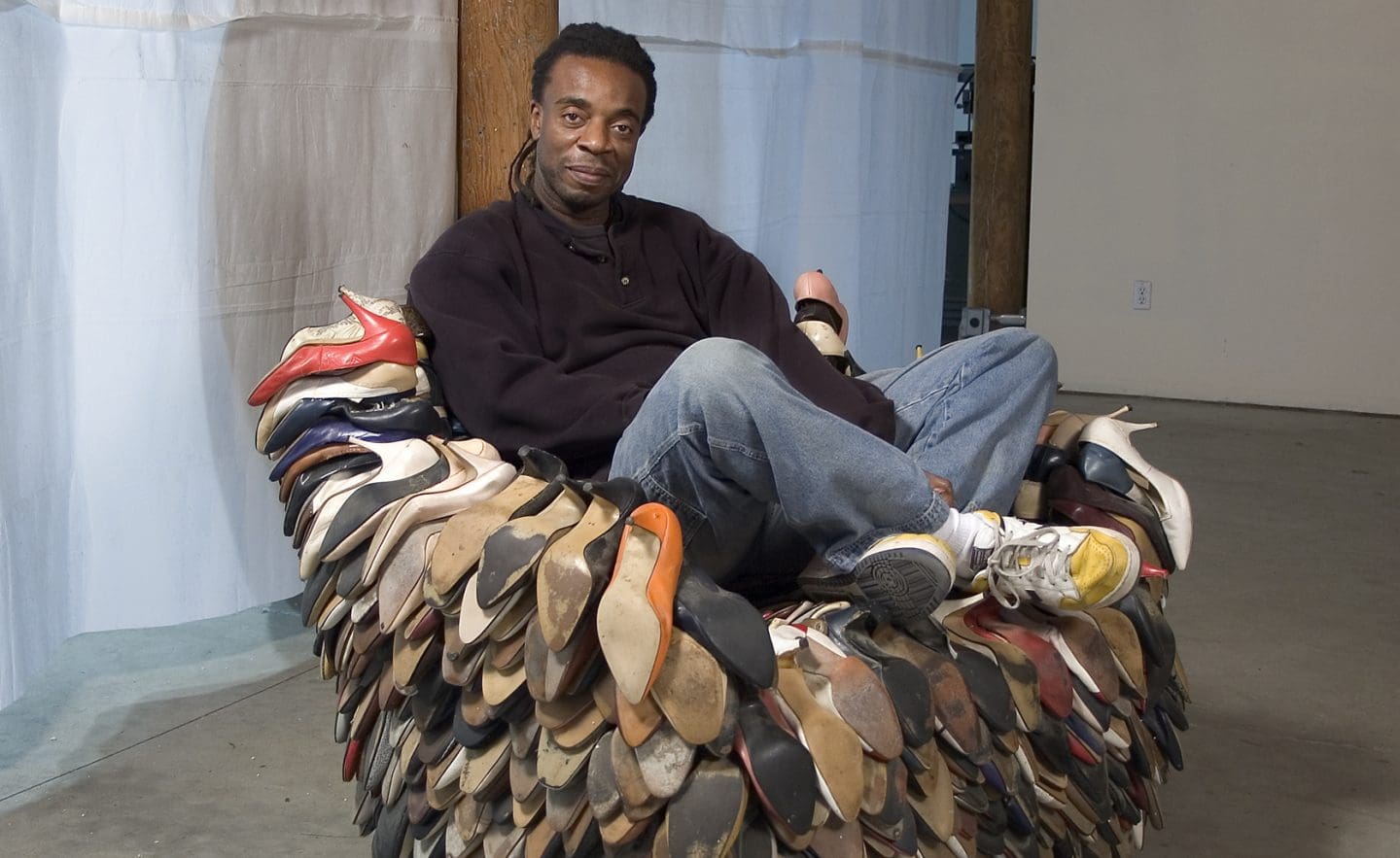
This ethos is mirrored in the museum’s broader programming, including its deep dive into the works of Newark-based artists like Willie Cole, Jo-El Lopez, and Patricia Dahlman. The common thread in all these programs is the recognition that the artist’s journey, whether they are a professional in a studio or a child at a kitchen table, is a journey of inquiry and discovery.
Implications: The Future of Cultural Literacy
The success of the "Decorate Your Own Mask" project carries significant implications for the future of museum education.
1. The Democratization of Art
The project demonstrates that cultural literacy is not limited to those who can physically visit a gallery. By creating high-quality, free, and accessible digital content, institutions can maintain relevance with global audiences.
2. Sustainable Artistic Practice
By teaching participants to look at their trash through an "artist’s eye," the NMOA is fostering a generation of creators who prioritize sustainability. This shift in perspective is vital for the modern age, where resource management is a key concern in the arts and beyond.
3. The Hybrid Museum Model
The future of the NMOA and similar institutions lies in the hybrid model. While the physical space remains the heart of the museum, the digital space is its nervous system, allowing it to communicate, educate, and inspire in real-time. The "Decorate Your Own Mask" initiative proved that a well-executed, simple project can act as a bridge between the physical and digital worlds.
Expanding the Horizon: Related Artistic Pursuits
The NMOA has consistently complemented its hands-on initiatives with deep-dive profiles into the professional art scene. For those who enjoy the creative exploration of the mask project, the museum offers a wealth of additional resources:
- The Vision of Willie Cole: Through his work, such as The Water Bottle Giant, Cole demonstrates the power of transforming mundane, discarded objects into monumental works of art—a professional-level expansion of the themes introduced in the mask-making project.
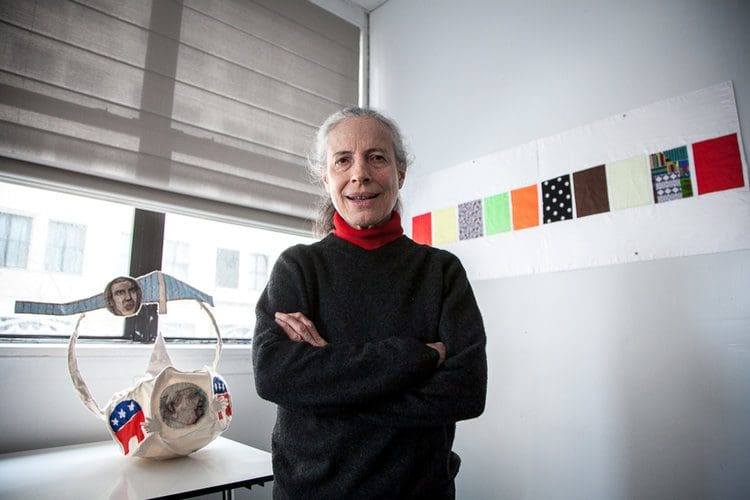
- The Studio Life of Patricia Dahlman: Dahlman’s focus on the Newark arts scene and her responsiveness to contemporary events provides context for why local, community-based creation is so vital to the city’s identity.
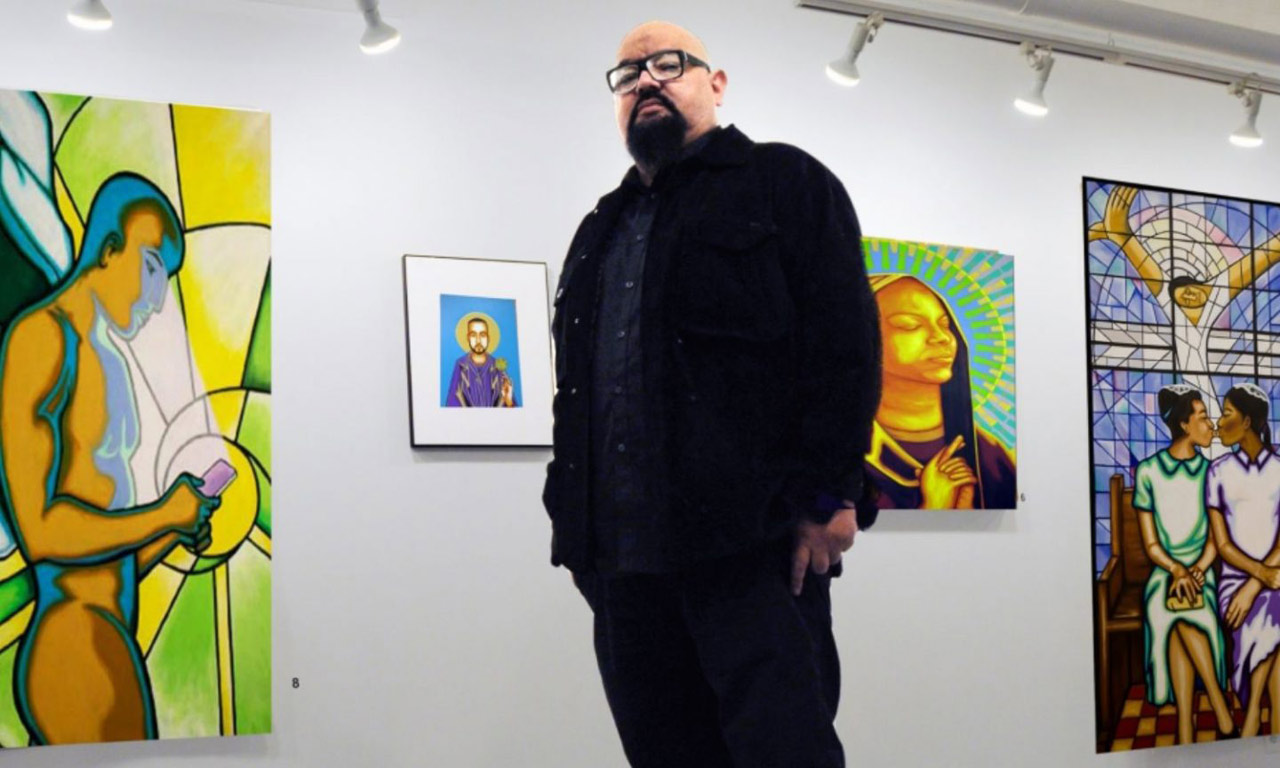
- The Narrative Power of Jo-El Lopez: Lopez’s work offers a masterclass in using visual art as a medium for storytelling and social commentary, further enriching the dialogue between the viewer and the artwork.
Conclusion: Crafting the Future
The "Decorate Your Own Mask" project is a microcosm of what The Newark Museum of Art stands for: a commitment to curiosity, a celebration of community, and an unwavering belief in the power of human creativity.
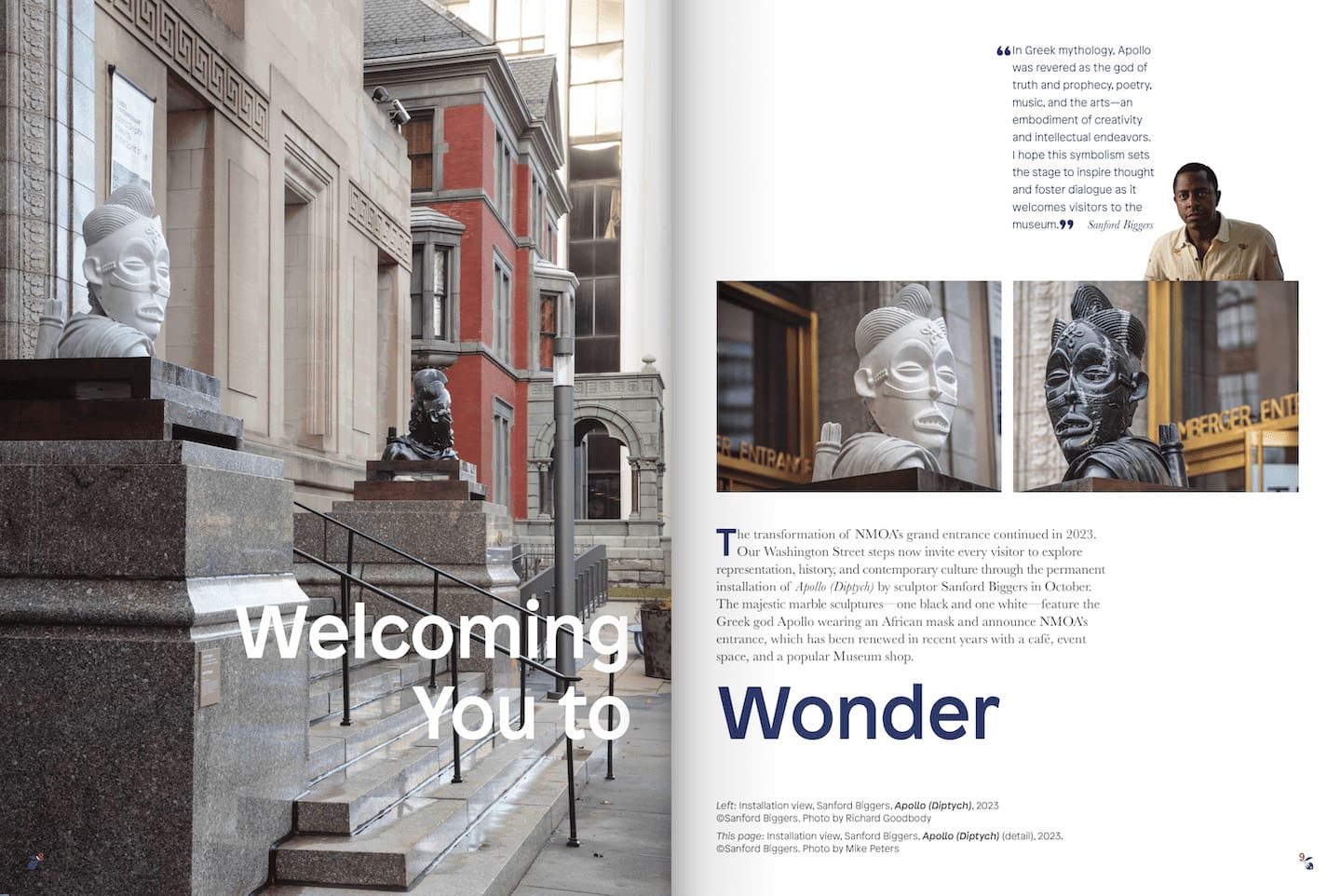
As we look toward the future, the lessons learned from this simple, effective, and deeply personal initiative remain relevant. Whether through a cardboard mask created at a kitchen table or an impact report reflecting on a year of cultural milestones, the message is clear: art is not a luxury to be viewed from behind a velvet rope—it is a tool for understanding ourselves and the world around us. The NMOA continues to prove that when you put the tools of creation in the hands of the public, you don’t just build masks; you build a more creative, engaged, and thoughtful community.
For those who have yet to try their hand at the mask-making project, the museum invites you to visit their digital archive, gather your materials, and join a legacy of creators who find beauty in the everyday. The journey to becoming an artist starts with a single mask.
