

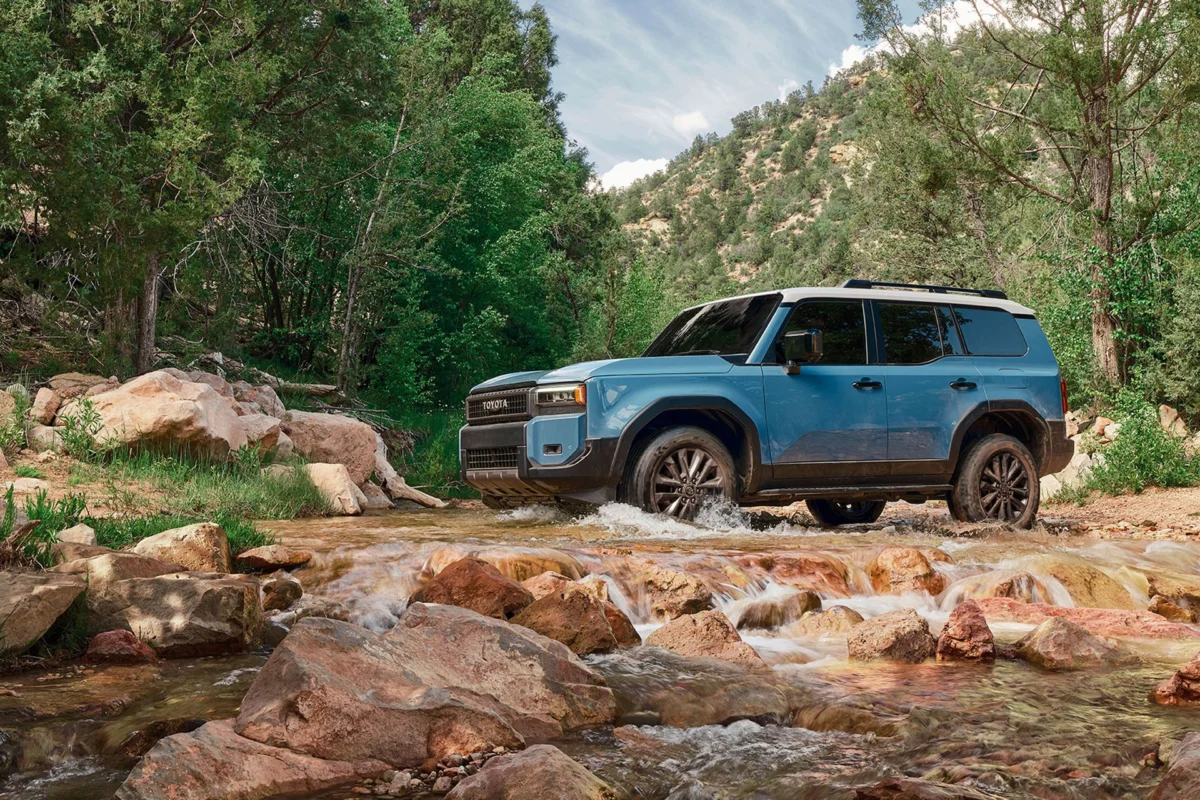
Toyota has initiated a significant safety recall affecting thousands of its latest-generation Land Cruiser SUVs. The campaign, which targets vehicles produced between late 2023 and late 2026, centers on a mechanical defect involving the fuel delivery system. While the number of actual failures reported remains low, the potential for engine stalling and fire risks has prompted the manufacturer to take immediate corrective action across North America.
The Scope of the Recall: Understanding the Affected Units
The safety campaign is extensive, covering both the Canadian and United States markets. In Canada, Toyota has confirmed that 6,721 units of the Land Cruiser Hybrid are included in the recall. The numbers are significantly higher in the United States, where 105,794 vehicles are subject to the same corrective measures.
The affected vehicles are specific to the 2024 through 2027 model years. According to manufacturing data provided by the automaker, the vehicles in question were assembled between November 29, 2023, and October 1, 2026. This wide production window suggests a systematic issue in the assembly process of the fuel system components during the early years of the current Land Cruiser’s lifecycle.
The Mechanical Failure: A Closer Look at the Fuel Line Issue
At the heart of the recall is a technical discrepancy involving the connection between the fuel tank and the engine’s fuel supply line. Specifically, the issue concerns a plastic (resin) fuel tube located at the top of the fuel tank.
According to reports issued by Transport Canada, the retaining clip—a small but critical component designed to secure the resin fuel tube to the main metal fuel line—is prone to opening. When this clip fails to maintain its integrity, the resin tube can disconnect from the metal line. In some instances, the clip itself may even separate from the vehicle entirely.
While Toyota estimates that the defect is present in only 1% of the total recalled population, the potential consequences of such a failure are severe. A disconnected fuel line leads to two primary hazards:
- Engine Stalling: As the fuel supply to the engine is interrupted, the vehicle may lose power unexpectedly. If this occurs while the vehicle is in motion, particularly at highway speeds, it could significantly increase the risk of a collision.
- Fire Risk: Perhaps the most alarming aspect of the defect is the possibility of fuel leakage. Should the escaping fuel come into contact with an ignition source, such as hot exhaust components or electrical arcs, the potential for a vehicle fire is substantial.
Chronology of the Issue and Discovery
The identification of this defect follows a period of field data collection. Toyota began noticing concerning patterns in vehicle performance reports originating from the U.S. market. Over the course of the investigation, the automaker documented 23 field reports and 64 warranty claims specifically linked to this fuel tube connection issue.
The data provided by these claims allowed Toyota’s engineers to pinpoint the failure to the specific design of the retaining clip. By identifying the root cause, the company was able to work with regulators, including Transport Canada, to issue a formal recall notice. The official designation for this safety campaign in Canada is recall 2026-497, while Toyota’s internal tracking code for the repair action is identified as SRC RN5.
The Repair Process: How Toyota Plans to Fix the Defect
For owners of the affected Land Cruiser models, the resolution process is straightforward and is being offered free of charge at authorized Toyota dealerships.
Upon bringing their vehicle to a dealership, technicians will perform an inspection of the fuel tank assembly. The repair involves installing a secondary, more robust clamp to ensure the connection between the resin tube and the metal line remains secure under all operating conditions. If the technician discovers that the resin tube has already been damaged or that the original retaining mechanism is compromised, they will replace the fuel tube entirely to restore factory specifications.
Toyota emphasizes that the repair is a proactive measure to prevent future failures, and owners are encouraged to contact their local dealership as soon as they receive notification to schedule an appointment.

Implications for Owners and the Land Cruiser Brand
The Land Cruiser nameplate carries a long-standing reputation for ruggedness, reliability, and "go-anywhere" capability. For a vehicle marketed as a pinnacle of durability, a recall involving a critical component like the fuel system can be damaging to consumer confidence.
However, industry analysts note that modern automotive manufacturing, which relies on complex supply chains and high-speed assembly processes, often results in such recalls. The key for a brand like Toyota is how efficiently and transparently they handle the remediation. By moving quickly to identify the issue and providing a clear, accessible path to repair, Toyota aims to maintain the high level of trust that the Land Cruiser name has built over decades of global service.
Financial and Operational Impacts
For Toyota, the financial impact of recalling over 112,000 vehicles across North America is not insignificant. Beyond the cost of parts and labor, the company must also manage the logistics of informing thousands of owners, managing inventory for the replacement parts, and coordinating with dealership service departments.
However, these costs are considered a necessary investment in safety. By proactively addressing the 1% of vehicles that may be affected, Toyota effectively mitigates the risk of catastrophic failures that could lead to even more severe legal and reputational consequences.
Staying Informed: What Owners Should Do
If you own a 2024–2027 Toyota Land Cruiser, the first step is to verify your vehicle’s status. Owners can visit the Toyota recall website or the Transport Canada motor vehicle safety recall database. By entering their Vehicle Identification Number (VIN), owners can determine if their specific vehicle is included in the campaign.
Toyota is expected to reach out to affected owners via mail, providing detailed instructions on how to proceed. In the meantime, owners who notice the smell of raw fuel, observe leaks under their vehicle, or experience intermittent engine stalls should contact their dealership immediately, regardless of whether they have received a formal recall notice.
The Importance of Vehicle Maintenance and Recalls
This incident serves as a pertinent reminder of the importance of the recall system in the automotive industry. Even in high-end, technologically advanced SUVs, mechanical components can fail. Whether due to a design oversight, a manufacturing error, or a material flaw, these issues can often go unnoticed by the average driver until a critical failure occurs.
By remaining vigilant and responsive to manufacturer notifications, owners play a vital role in their own safety. Regular maintenance schedules—often coinciding with these types of repairs—also provide an opportunity for technicians to spot wear and tear that could lead to future issues.
As the automotive landscape shifts toward hybrid and electric powertrains, the complexity of vehicle systems will only continue to increase. The Land Cruiser Hybrid, which blends traditional off-road hardware with sophisticated electrical systems, represents this transition. While this specific recall is purely mechanical in nature, it highlights the necessity of rigorous quality control in the modern era of automotive engineering.
For more information on this recall and other automotive safety news, owners are encouraged to visit the official Toyota Canada website or consult their local dealership’s service department. Keeping your vehicle’s contact information up to date with the manufacturer is the best way to ensure you receive timely notifications regarding your vehicle’s safety and performance.
