

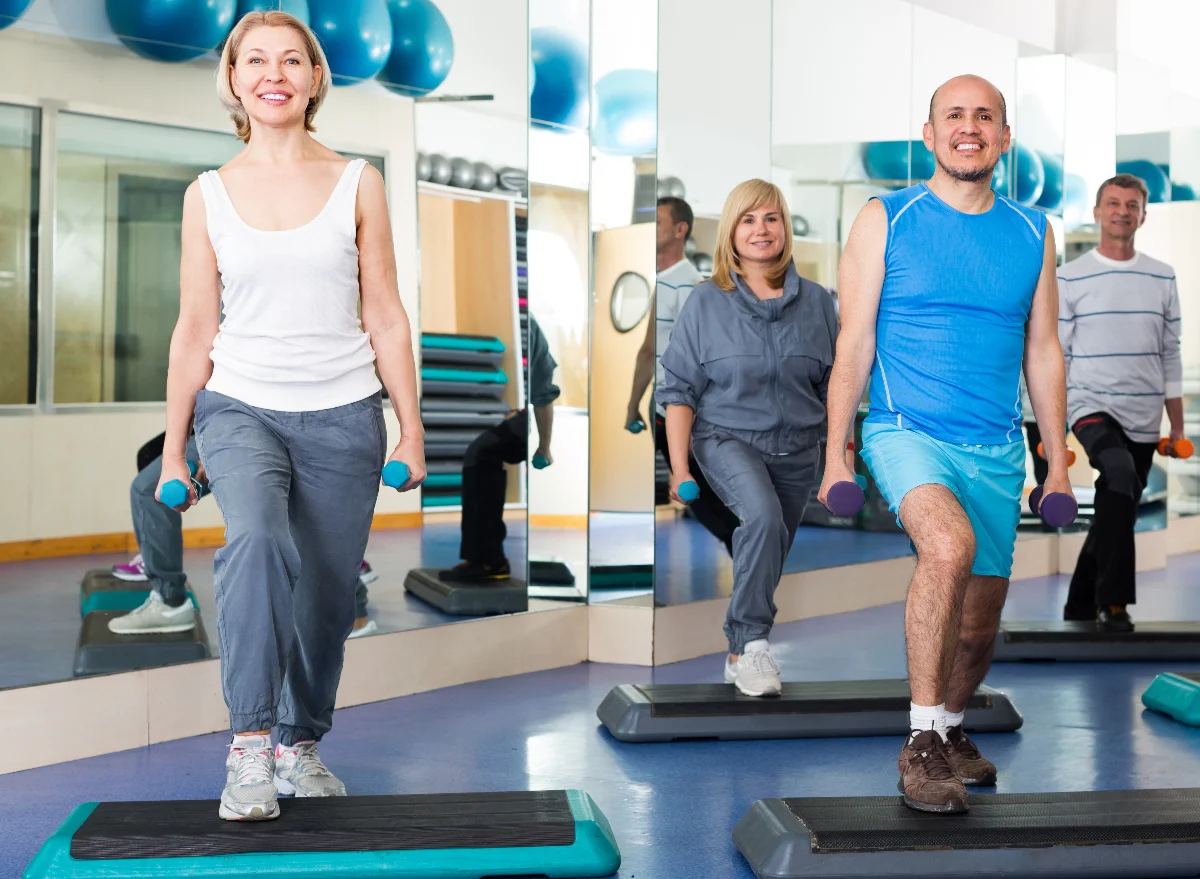
As we navigate the decades beyond 60, the internal mechanics that keep us upright—ankles, hips, core, shoulders, and even our visual processing—begin to undergo subtle, cumulative changes. The sensation of feeling "unsteady" is not an inevitable decline, but rather a signal that your body’s neuromuscular coordination requires a new, proactive strategy. To maintain independence and confidence in movement, shifting the focus from passive strength training to active, full-body stabilization is essential.
The Physiology of Balance: Why "Steady" Is a Dynamic Process
Balance is frequently misunderstood as a static state, much like a statue standing perfectly still. In reality, human balance is a highly dynamic process involving a continuous loop of sensory input and motor output. After the age of 60, muscle mass—particularly in the lower body—naturally begins to decline, a process known as sarcopenia. When coupled with a decrease in proprioception (your body’s ability to sense its position in space), the "reliability" of your gait can diminish.
While resistance bands are excellent for isolated muscle growth, they often provide a stable anchor that fails to replicate the chaotic, unpredictable demands of real-world movement. True balance requires practicing under the load of your own body weight, forcing your brain to coordinate complex transitions between standing, shifting, and bracing.
Chronology of Decline and the Case for Intervention
The progression of balance loss is rarely an overnight event; it is a gradual erosion of motor control.
- The Foundation (Age 50-60): During this decade, many individuals reduce the variety of their physical activity, often sticking to low-impact, linear exercises like walking on a treadmill or cycling. While these are beneficial for cardiovascular health, they fail to train lateral stability or multi-planar movement.
- The Shift (Age 60-70): Without specific training to challenge the vestibular system and ankle stabilizers, the body begins to lose its "reflexive" response to uneven surfaces or sudden changes in direction.
- The Critical Window (70+): At this stage, the risk of falls becomes a major public health concern. Research indicates that targeted, functional training during this window can significantly reduce fall frequency and improve "recovery capacity"—the ability to regain one’s footing after a misstep.
Supporting Data: Why Full-Body Bracing Matters
Recent studies published in journals such as the PMC highlight that balance is not merely a leg-strength issue; it is a systemic challenge. When you move, your core must act as the "bridge" between your upper and lower body. If the core is weak, the kinetic chain breaks, leading to increased hip oscillation and a higher likelihood of stumbling.
Clinical observations of individuals over 60 show that those who incorporate multi-joint exercises—such as lunges, step-ups, and planks—see a marked improvement in their "functional reach" and gait speed. The data suggests that training multiple muscle groups simultaneously simulates the complexity of daily life, where you are often required to carry a bag (shifting weight), step over an obstacle (single-leg support), and turn simultaneously (core rotation).
The Five Essential Movements for Stability
To regain mastery over your movement, the following five exercises are designed to challenge your stability from the ground up.
1. Walking Lunges: Dynamic Equilibrium
Walking lunges are perhaps the most effective exercise for functional stability. Unlike a stationary lunge, a walking lunge forces your front leg to control the impact of landing while your core keeps your torso upright. This builds "dynamic balance"—the exact type of stability needed to climb stairs or recover from a trip.
- Muscles Targeted: Quadriceps, glutes, hamstrings, and the deep core.
- The Goal: Maintain a tall, neutral spine throughout the entire stride.
2. Single-Leg Balance: The Foundation of Independence
Standing on one leg is the ultimate test of your foot and ankle stabilizers. By removing the support of a second limb, you force your body to make micro-adjustments in the hips and ankles. This is the cornerstone of preventing falls while stepping off curbs or turning corners.
- Muscles Targeted: Tibialis (shin), gastrocnemius (calf), and hip abductors.
- The Goal: Build the endurance to stand unsupported for 30 seconds.
3. Plank with Shoulder Taps: Anti-Rotation Control
A standard plank is a static hold, but adding a shoulder tap introduces an element of instability. As you lift one hand to touch the opposite shoulder, your body instinctively wants to rotate. Your core must fight this rotation to keep your hips level. This "anti-rotation" strength is vital for catching yourself if you lose your balance.
- Muscles Targeted: Rectus abdominis, obliques, and shoulder stabilizers.
- The Goal: Perform 8–12 taps per side without allowing your hips to "rock."
4. Alternating Step-Ups: Controlled Verticality
Step-ups train the legs to produce force through a full range of motion while managing your body weight. By alternating legs, you force the body to reset its center of gravity with every repetition. This builds the specific strength required for navigating uneven terrain or high stairs.
- Muscles Targeted: Glutes, hamstrings, and calves.
- The Goal: Drive through the entire foot, avoiding the temptation to "push off" with the trailing leg.
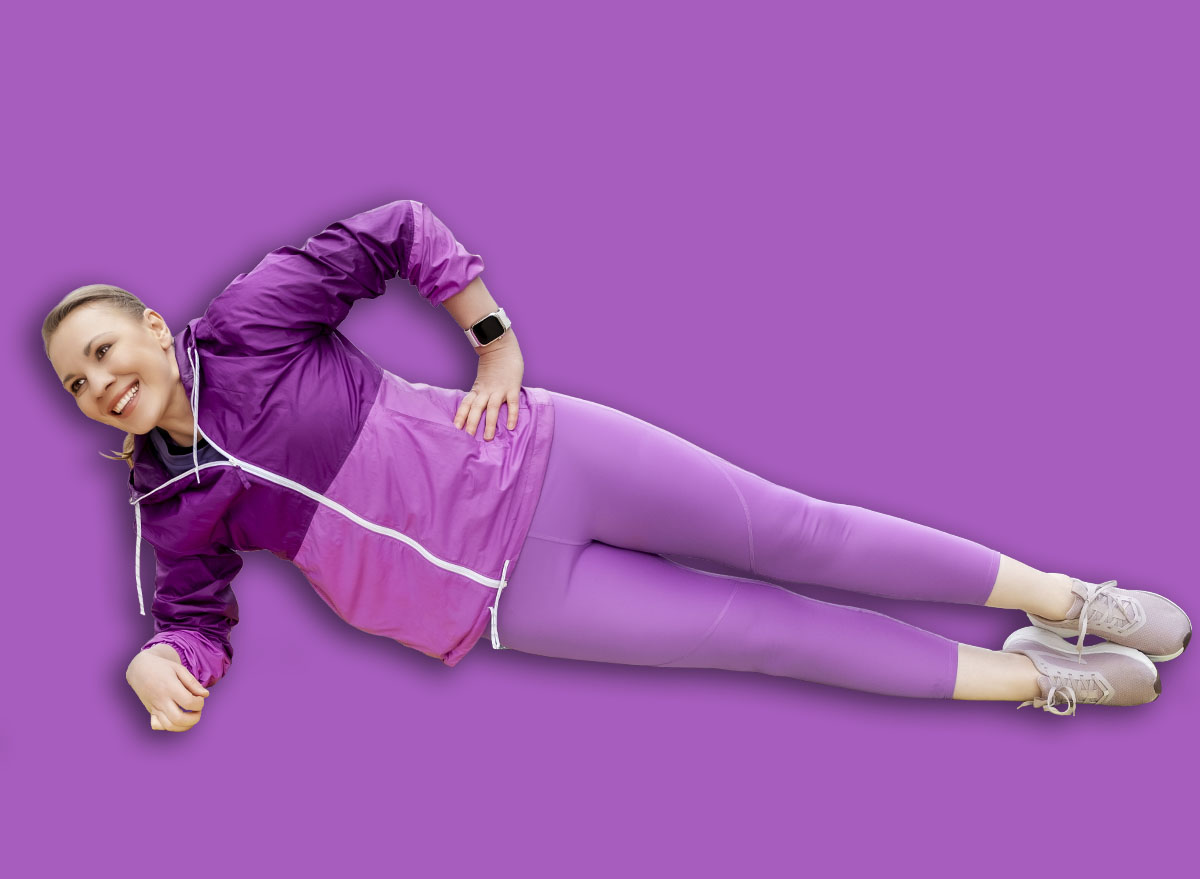
5. Side Plank Holds: Lateral Stability
Most fitness routines focus on forward-and-back motion. However, many falls occur when we shift our weight laterally (side to side). Side planks target the obliques and outer hips, which are the primary stabilizers against lateral tipping.
- Muscles Targeted: Obliques, gluteus medius, and shoulders.
- The Goal: Keep the hips lifted and the chest open to prevent the torso from collapsing toward the floor.
Official Expert Perspectives on Fall Prevention
Geriatric physical therapists and exercise physiologists generally agree on a unified approach to fall prevention: Variability is key.
"The human body is an adaptation machine," notes one leading physical therapist. "If you only do one type of exercise, your body stops learning. To keep your balance sharp, you must introduce small, manageable challenges to your routine."
Experts emphasize that the goal is not to become an athlete, but to become a capable mover. This means ensuring that your training program includes:
- Lower-body strengthening: To provide the raw power needed for stabilization.
- Single-leg control: To improve proprioceptive feedback.
- Core bracing: To ensure the torso remains stable during limb movement.
Implications for Long-Term Health
The implications of adopting these movements are profound. Beyond the obvious benefit of avoiding injuries, consistent training in these five areas leads to:
- Increased Mobility: With better balance, the fear of movement decreases, leading to a more active and engaged lifestyle.
- Cognitive Confidence: There is a strong link between physical stability and mental well-being. Knowing you can navigate your environment safely reduces anxiety.
- Preserved Independence: The ability to move through your home, carry groceries, and travel with ease is the primary driver of quality of life in later years.
Conclusion: Consistency Over Intensity
You do not need a gym full of equipment to build a better foundation. These five movements can be performed at home with minimal space. The secret is not the intensity of the effort, but the consistency of the practice.
Start by mastering the form. If a movement feels too difficult, use the suggested variations—such as assisted lunges or bent-knee side planks—to build your strength gradually. Over time, as your muscles adapt and your nervous system becomes more efficient at detecting shifts in weight, you will find that the world feels a little less "tippy" and a lot more stable. By committing to these exercises, you are not just working out; you are investing in the most important asset you possess: your ability to move through the world with grace and confidence.
