

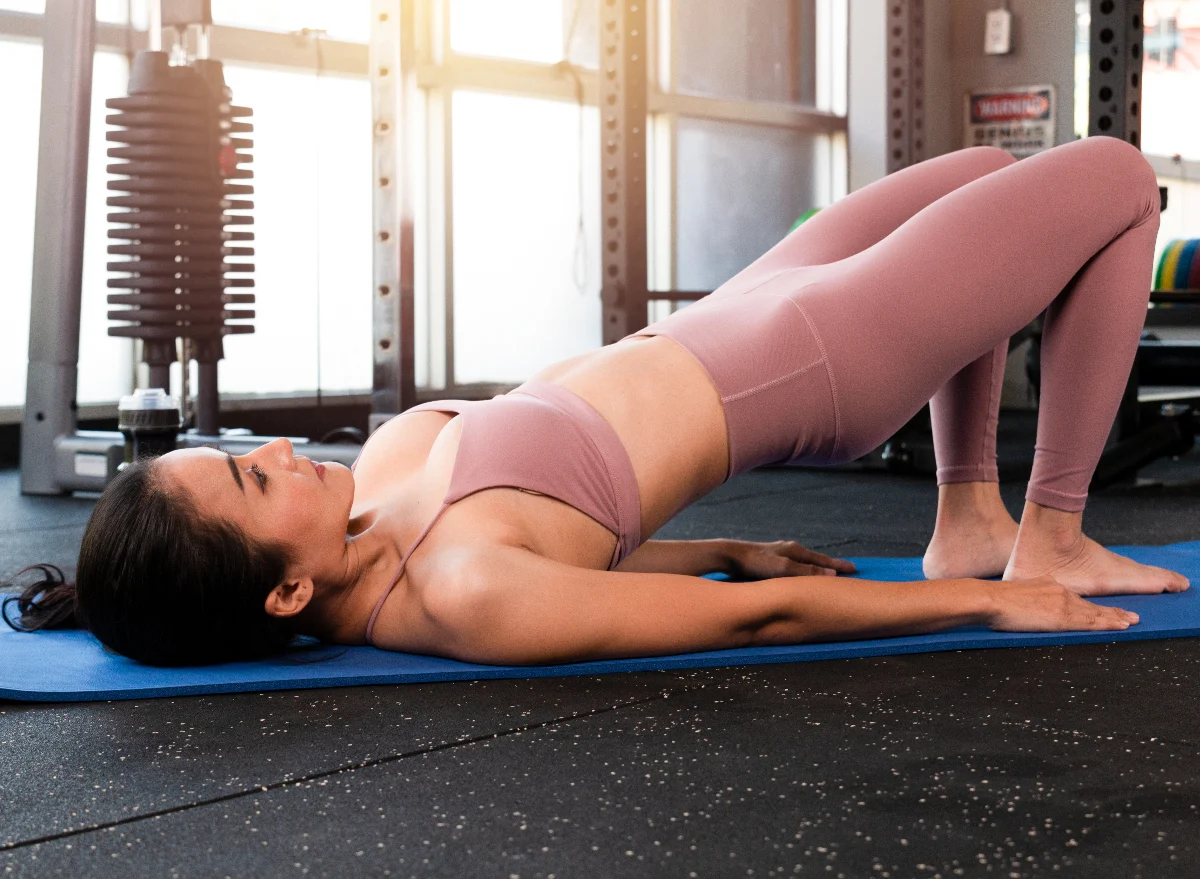
In the world of physical therapy and strength conditioning, few movements are as deceptively simple—yet profoundly revealing—as the glute bridge. To the untrained eye, it is merely a static floor exercise. To a Certified Strength and Conditioning Specialist (CSCS), it is a diagnostic tool that provides an immediate, unfiltered report on the integrity of your posterior chain, pelvic stability, and core-hip connection.
As we navigate our sixth decade and beyond, the bridge becomes more than just a workout move; it serves as a critical barometer for functional independence. Jarrod Nobbe, MA, CSCS, notes that the ability to hold a bridge with proper intent is a direct reflection of how well your body handles the demands of daily life. Whether you are navigating a staircase, standing in a checkout line, or lifting a grandchild, the strength of your glutes and the stability of your pelvis are the silent engines behind every successful movement.
The Foundation of Movement: Why Glute Strength Matters After 60
The "posterior chain"—the collective group of muscles including the glutes, hamstrings, and lower back—is often neglected in modern, sedentary lifestyles. However, after the age of 60, this group becomes the most important factor in preventing age-related decline in mobility.
The glutes are not merely for aesthetics; they are the primary stabilizers of the pelvis. When the glutes are firing correctly, they take the mechanical load off the lower back and knees. When they are weak or inactive, the body compensates by shifting stress to the lumbar spine or the knee joints, often leading to chronic pain and reduced movement confidence.
"The glutes play a bigger role in core strength than most people realize," explains Nobbe. "They provide the base of support for the trunk. If that base is unstable, the rest of the body—from your lower back to your knees—has to work overtime to compensate. A strong, active glute bridge is your body’s way of ensuring that force is distributed properly, rather than dumped into sensitive joints."
The Science of Isometric Endurance
While traditional weightlifting focuses on dynamic movement, the "bridge hold" is an isometric exercise—a movement where the muscle generates force without changing length. This is particularly relevant for aging adults.
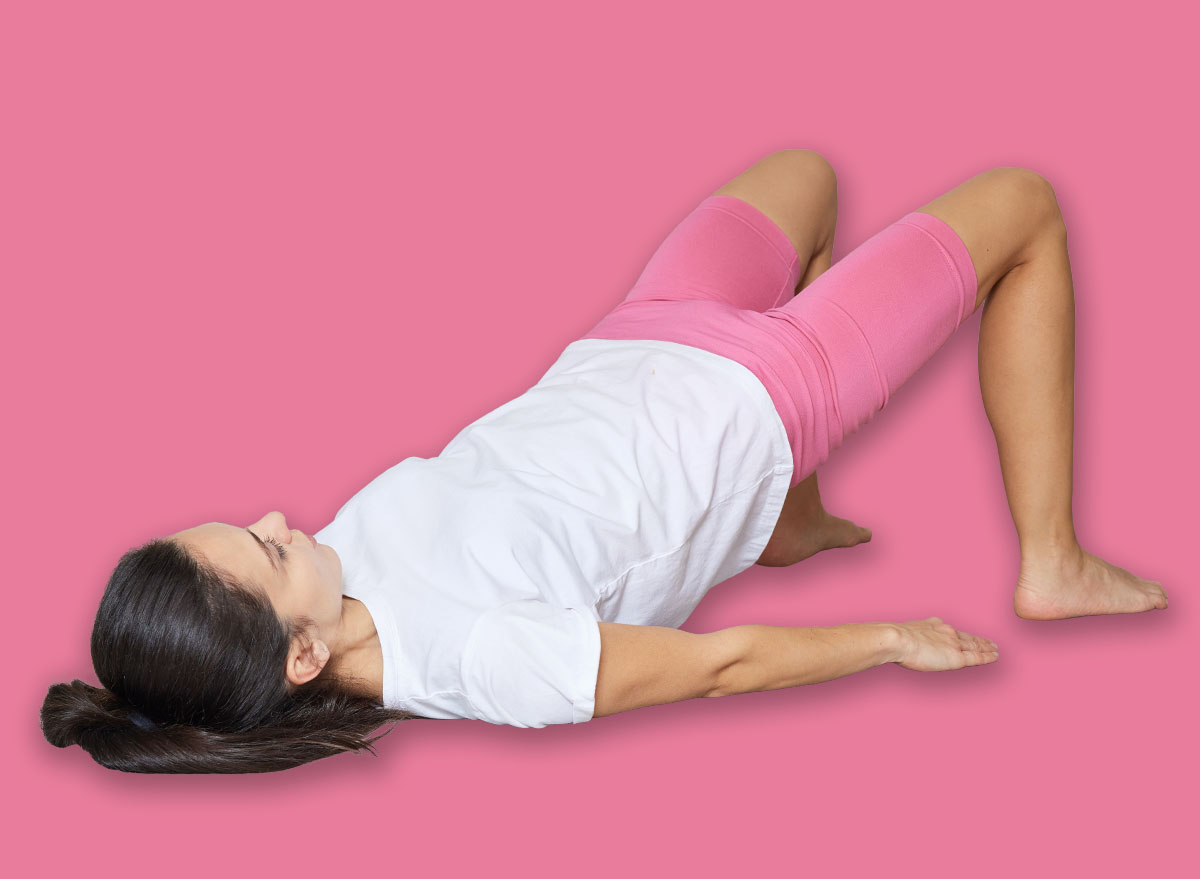
Daily life is rarely a test of one-rep max strength; it is a test of muscular endurance. Walking through a store or standing in the kitchen requires the postural muscles to maintain tension for minutes at a time. The bridge hold acts as a snapshot of this endurance. It challenges your glutes to stay engaged, your pelvis to remain level, and your core to keep your torso organized while you breathe.
According to research published in journals regarding musculoskeletal health, maintaining this "controlled tension" is a key marker of physical resilience. By practicing the bridge, you are essentially training your nervous system to keep your core "switched on" during the mundane activities that constitute your day.
How to Perform a Perfect Bridge Hold: A Step-by-Step Guide
To derive the benefits of this test, form is non-negotiable. If you are struggling to maintain the position, your body will instinctively "cheat" by arching the lower back—an action that defeats the purpose of the exercise.
The Execution
- Setup: Lie flat on your back with your arms resting comfortably at your sides. Bend your knees and place your feet flat on the floor, roughly hip-width apart. Your heels should be close enough to your glutes that you can almost touch them with your fingertips.
- Engagement: Before you lift, exhale to pull your ribcage down toward your pelvis. This "sets" your core.
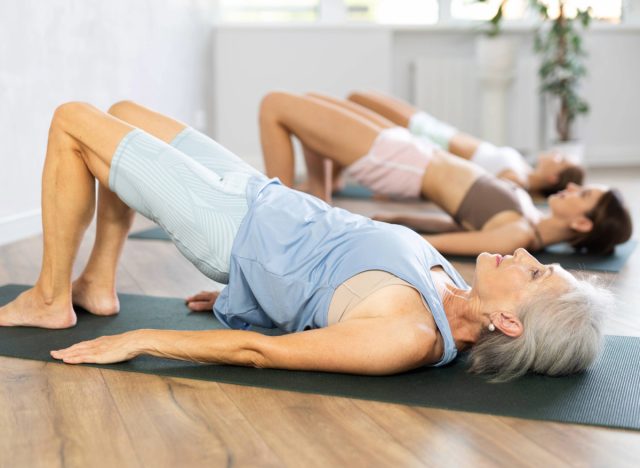
- The Lift: Squeeze your glutes tightly and drive through your heels to lift your hips toward the ceiling. Your body should form a straight, diagonal line from your shoulders to your knees.
- The Hold: Maintain a neutral spine. Do not allow your lower back to overarch. Keep your chin tucked slightly to keep your neck relaxed.
- Breathing: Continue to breathe steadily. Do not hold your breath, as this increases blood pressure and creates unnecessary tension in the neck and shoulders.
The Golden Rule: If you feel the burn moving from your glutes into your lower back, your glutes have disengaged. Lower yourself to the floor, reset, and try again.
Understanding Your Bridge Hold Time: What the Numbers Say
How long should you be able to hold a bridge? While individual health history matters, standardized fitness benchmarks for adults over 60 offer a clear hierarchy of functional health.
0–30 Seconds: The Foundation Phase
If you can hold the position for up to 30 seconds, you have a baseline of strength, but there is significant room for improvement in your posterior chain endurance. At this stage, focus on frequency over intensity. Incorporate glute bridges into your warm-up every morning.
30–60 Seconds: The Functional Tier
Holding a bridge for one minute with perfect form indicates that your glutes are capable of supporting you through moderate daily activity without excessive reliance on your lower back. This is the "target zone" for most healthy adults.
60–90 Seconds: The Resilient Tier
If you reach the 90-second mark while maintaining perfect, level hips and controlled breathing, your glute endurance is significantly higher than average. You have a robust foundation that protects your joints and spine during more vigorous activities.
90+ Seconds: The Elite Tier
Consistently holding a clean bridge for over 90 seconds is a marker of "top-tier" core and glute strength. At this level, your body is well-equipped to handle the stressors of aging, providing a high degree of protection against common mobility issues.
Addressing the Implications: Why This Matters for Longevity
The implications of these findings are clear: longevity is not just about the length of life, but the quality of movement within that life. A weakened posterior chain is the leading cause of the "shuffle" gait and the loss of balance often associated with aging. By training the bridge, you are directly combatting these tendencies.
The Role of Progressive Loading
To improve your bridge hold, you must move beyond the basic version. Once you can hold a standard bridge for 90 seconds, it is time to progress:
- The Marching Bridge: While in the bridge position, alternate lifting one foot off the ground without letting your hips drop or tilt. This adds a layer of dynamic stability.
- Single-Leg Bridge: Extend one leg straight out while holding the bridge with the other. This forces the glute of the working leg to take on the entire load.
- Banded Bridges: Place a resistance band around your knees to force your glutes to work harder at abduction (pushing the knees outward), which further stabilizes the pelvis.
Expert Perspectives and Official Guidelines
Many physical therapy organizations and senior health initiatives now emphasize "functional strength" as the primary goal of any exercise program. The bridge is consistently ranked as a top-tier movement because it requires zero equipment, carries minimal risk of injury, and mimics the natural mechanics of the human gait.
As Jarrod Nobbe emphasizes, "The goal isn’t to be a powerlifter; the goal is to be a person who can move through their day with confidence, without pain, and with the ability to do what they want to do. The bridge is the simplest, most effective way to ensure your foundation is solid."
Conclusion: Starting Your Journey
If you find that your bridge hold time is lower than you would like, do not be discouraged. The beauty of the posterior chain is that it is highly responsive to consistent, low-intensity training. Start by performing three sets of bridges every other day. Focus entirely on the "squeeze" in your glutes and the "levelness" of your pelvis.
Over time, you will find that not only does your bridge hold time increase, but your back feels less stiff, your walking becomes more fluid, and your confidence in your physical capabilities grows. In the journey of aging, the bridge is perhaps the most reliable bridge to a more active, capable, and independent life.
Disclaimer: This article is for informational purposes and does not constitute medical advice. Always consult with a physician or physical therapist before beginning any new exercise program, especially if you have a history of back, hip, or knee pain.
