

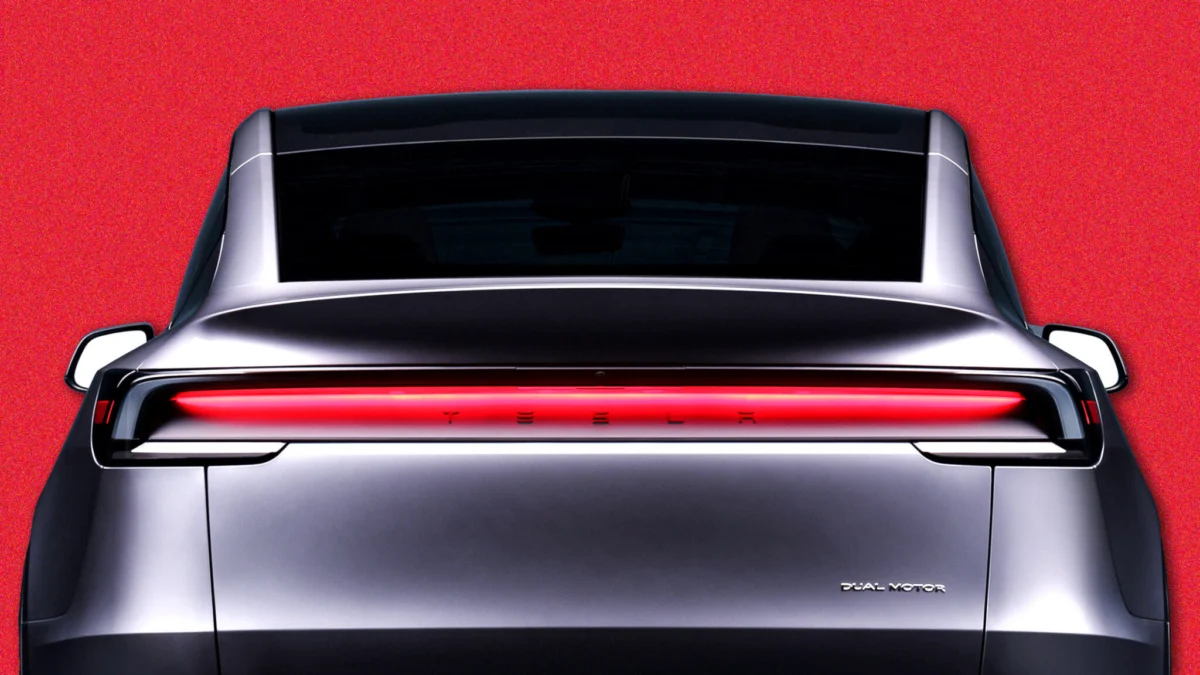
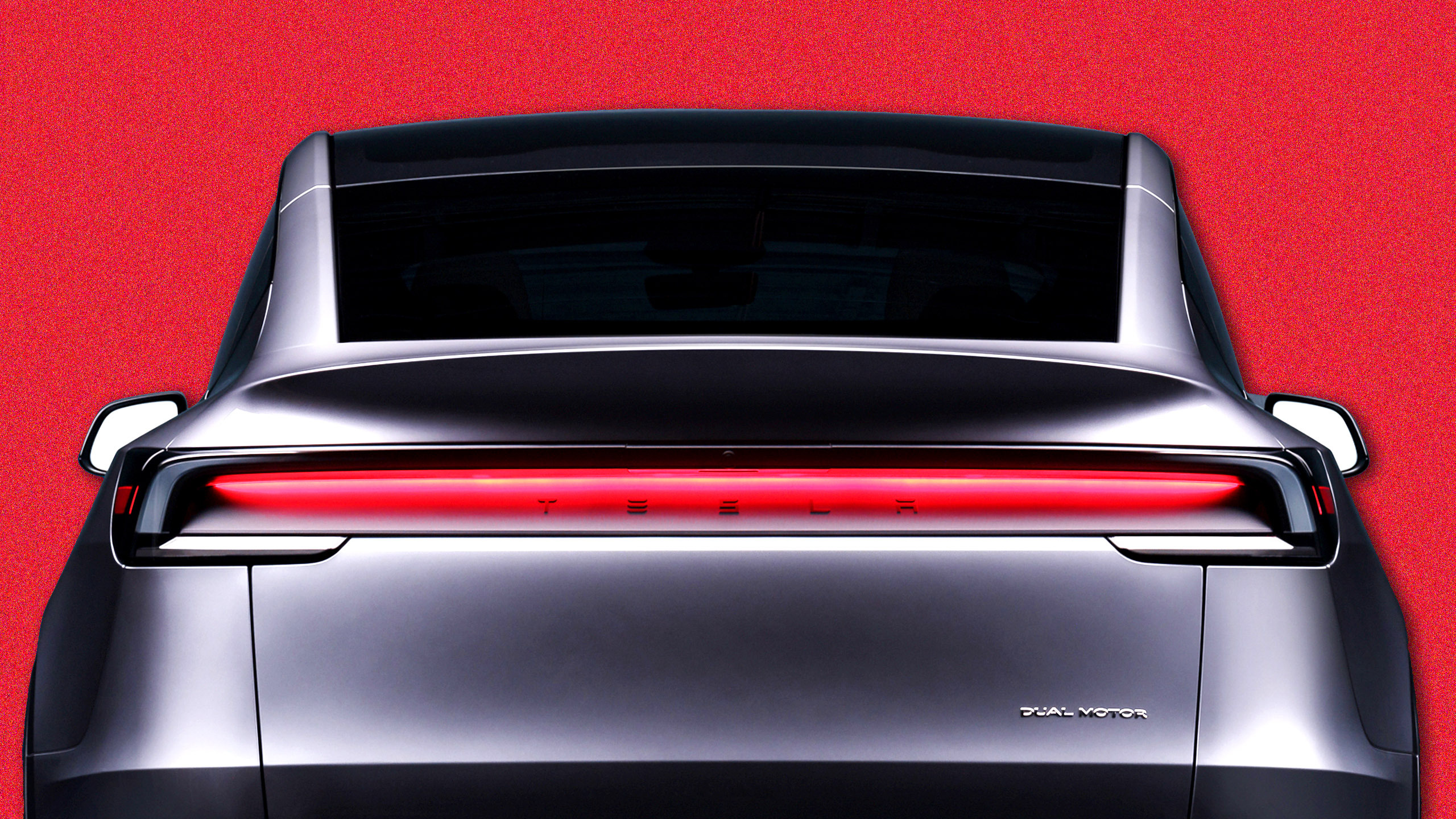
For the past two years, Tesla’s Model Y has maintained a position of dominance in the American automotive landscape that borders on the extraordinary. With over 357,000 units sold in the United States last year alone—outpacing its nearest non-Tesla rival, the Chevrolet Equinox EV, by a factor of five—the Model Y is not merely a product; it is the benchmark for the entire electric vehicle (EV) segment. However, the equilibrium that has defined the Model Y’s market presence recently shifted. In a move that caught many industry analysts off guard, Tesla has implemented its first price increase for the crossover in two years, opting to leave the entry-level trims untouched while raising the cost of its mid-range and performance variants.
The Price Adjustments: A Strategic Tweak
Tesla’s pricing strategy has always been fluid, often fluctuating based on supply chain efficiencies, production capacity, and market demand. This latest adjustment, however, signals a recalibration of the product ladder.
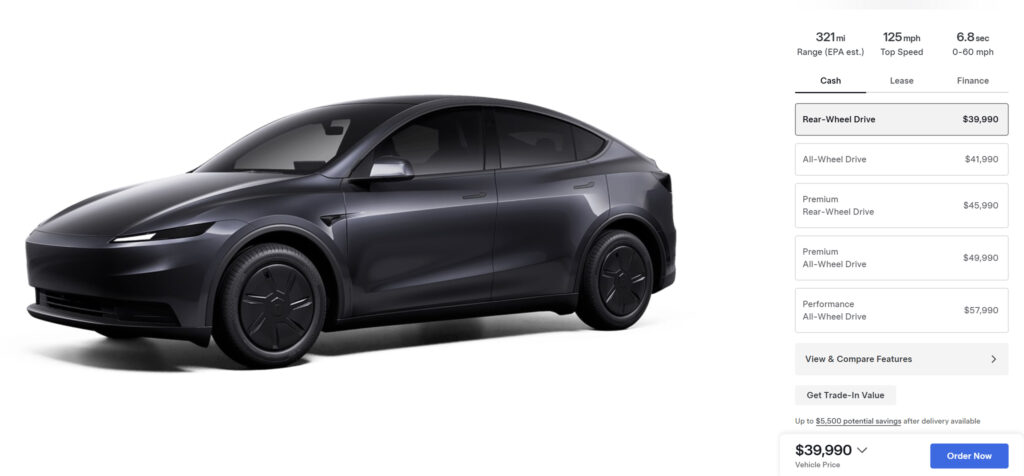
The entry-level tiers, which serve as the volume drivers for the brand, remain steadfast. The Model Y RWD and the AWD trims continue to start at $39,990 and $41,990, respectively. By holding these prices steady, Tesla ensures that it remains competitive for first-time EV buyers and those sensitive to the "entry-level" price point.
The increases are concentrated in the mid-to-high tiers:
- Premium RWD: Now priced at $45,990, marking a $1,000 (2.2%) increase.
- Premium AWD: Also increased by $1,000, bringing the new MSRP to $48,990.
- Model Y Performance: Received a modest bump, moving from $57,490 to $57,990.
It is critical to note that these prices are base MSRPs and do not include destination fees or state-specific taxes. While the hikes are relatively incremental—especially when viewed against the backdrop of a 3.8% annual inflation rate—they represent a psychological and financial pivot for a company that has spent the last 24 months largely focused on aggressive price cutting to stimulate demand.
A Chronology of Tesla’s Pricing Strategy
To understand the significance of this move, one must look at the timeline of the Model Y’s market lifecycle. Since its mass-market introduction, the Model Y has undergone a series of dramatic price fluctuations.
The Era of Rapid Scaling (2022-2023)
During this period, Tesla prioritized rapid market penetration. Following the supply chain bottlenecks of the pandemic, Tesla moved to aggressively slash prices. These cuts were designed to undercut legacy automakers who were struggling to reach parity with Tesla’s manufacturing efficiency. The strategy was highly effective, turning the Model Y into the best-selling vehicle globally—not just among EVs, but across all powertrain types.
The Period of Stability (2024-2025)
For the past two years, the pricing structure for the Model Y was remarkably static. This period was characterized by "price anchoring," where Tesla utilized the stability of the Model Y’s cost to build consumer confidence. During this phase, the company focused on hardware improvements, software integration, and safety benchmarks, such as the recent milestone of the Model Y becoming the first vehicle to pass updated, rigorous NHTSA safety tests.

The Present Shift (May 2026)
The May 2026 price hike arrives at a moment of transition. With the EV market becoming increasingly saturated with options from legacy manufacturers and emerging tech-centric startups, Tesla’s decision to raise prices suggests a move toward margin preservation rather than pure volume growth.
Supporting Data and Market Context
The success of the Model Y is supported by staggering sales figures. The fact that the Model Y moved 357,000 units in 2025 highlights a persistent demand that remains largely insulated from general automotive market slumps. When compared to the Chevrolet Equinox EV’s performance—the closest competitor in the non-Tesla space—the gulf between the two is massive.
However, the "premium" nature of the Model Y is being tested. With the average transaction price for a new vehicle in the U.S. hovering near $48,000, the Model Y’s new pricing for its mid-range trims places it firmly in the middle of the luxury/mainstream divide.
The lack of a formal "model-year refresh" or a radical technological overhaul to accompany these price hikes is characteristic of Tesla’s "continuous improvement" philosophy. Unlike legacy automakers who bundle price increases with cosmetic changes, Tesla adjusts pricing in real-time, often without external fanfare or formal press releases. This creates an environment where consumers must constantly monitor the Tesla Configurator to stay informed on the actual cost of entry.
The Silence from Headquarters: Official Responses
In keeping with its current corporate communication policy—which has largely abandoned a traditional PR department—Tesla has offered no formal explanation for the price increases.
Analysts suggest three potential drivers behind this decision:
- Component Cost Inflation: While the price hikes are below the rate of inflation, they may reflect the rising costs of raw materials, particularly for battery-grade lithium and nickel, which have seen market volatility in recent months.
- Margin Protection: With investors pushing for higher profitability in an era of slowing global EV growth, increasing the price on higher-margin models (like the Performance trim) is a standard lever to pull.
- Inventory Management: By increasing the price of the more popular Premium variants, Tesla may be attempting to balance the product mix on its delivery lots, subtly steering consumers toward the entry-level trims where production efficiency is highest.
The Imminent Future: The Model Y "L" and Market Implications
Perhaps the most significant takeaway from this pricing news is what it implies about the future of the product lineup. Industry observers have long anticipated the arrival of the "Model Y L"—a six- or seven-seat variant currently available in markets like China, the UK, and Australia.
Recent sightings of a six-seat prototype testing on U.S. public roads suggest that a local launch is imminent. If the Model Y L enters the American market, it will likely occupy a price bracket starting just above $50,000. By adjusting the pricing of the existing lineup now, Tesla may be clearing "price space" to ensure the new, larger variant fits logically into the hierarchy of their offerings.
What This Means for Consumers
For the average consumer, the message is clear: the era of the "unbeatable bargain" for high-trim Model Ys has temporarily ended. Buyers who were waiting for a price drop may be disappointed, and those on the fence may find the $1,000 increase sufficient incentive to explore the growing list of competitors, such as the Hyundai Ioniq 5, the Kia EV6, or the expanding Ford Mustang Mach-E lineup.
However, Tesla’s brand equity remains the company’s strongest defense. The combination of the Supercharger network, the maturity of the software ecosystem, and the recent safety accolades ensures that the Model Y will likely remain the king of the segment for the foreseeable future, even at a slightly higher price point.
Conclusion
The recent adjustments to the Model Y pricing structure represent a subtle yet significant shift in Tesla’s market strategy. By shielding the entry-level models from price hikes while simultaneously increasing the cost of the more desirable mid-range trims, Tesla is betting that its brand dominance and the superior value proposition of its software will outweigh a $1,000 increase.
As the industry looks toward the potential launch of the three-row Model Y L, these price movements appear to be the opening moves in a broader strategy to reposition the Model Y for the latter half of the decade. Whether this move helps or hinders the company’s growth remains to be seen, but one thing is certain: in the world of Tesla, the only constant is change.
