

The Victorian apartment is a hallmark of San Francisco architecture, characterized by its intricate moldings, tall ceilings, and historical charm. Yet, for one couple living in the iconic Alamo Square neighborhood, the heart of their home—the kitchen—was anything but charming. Trapped in a state of sterile, outdated design, the space felt less like a culinary sanctuary and more like a sterile hospital wing.
To breathe life back into their home, the owners turned to Allie Allen and Sasha White of the design firm Shiny Shed Collective. Their mission was ambitious: bridge the gap between a classic San Francisco Victorian aesthetic and the cozy, functional warmth of an English countryside kitchen. The result is a stunning case study in how thoughtful spatial planning, strategic storage, and a reverence for natural materials can completely redefine a home’s atmosphere.
The Problem: A Sterile Footprint
Before the renovation, the kitchen suffered from a common ailment of older urban apartments: it was cramped, inefficient, and aesthetically disjointed. The combination of stark white subway tiles and harsh lime green accents left the room feeling cold and uninviting.
“It was certainly not a place you would want to make your morning coffee, or unwind and cook a delicious dinner after a day of work,” says Allie Allen.
Beyond the aesthetic malaise, the kitchen was plagued by poor ergonomics. The original cabinetry consisted of short upper cabinets that left wasted space toward the ceiling and awkward corner cabinets that were virtually inaccessible. For a couple with a dog, who viewed the kitchen as a central hub for daily life, the existing layout was a barrier to enjoyment rather than a facilitator of it.
The Vision: English Countryside Meets the City
The clients approached the renovation with a specific brief: they wanted a space that felt deeply personal, warm, and highly functional. Their design inspiration was a fusion of two distinct worlds: the refined, historical architectural bones of their San Francisco Victorian and the timeless, inviting character of an English country kitchen.
“Given the footprint of the room, they also knew that maximizing storage for kitchen supplies was going to be important in our design process,” notes Sasha White. The designers were tasked with working within the existing footprint of the room, meaning they had to rely on verticality and clever storage solutions rather than knocking down walls or expanding the physical boundary of the kitchen.
A Chronology of the Transformation
The renovation process was one of meticulous curation and precise execution, spanning several months of design, sourcing, and on-site construction.

Phase 1: Planning and Spatial Optimization
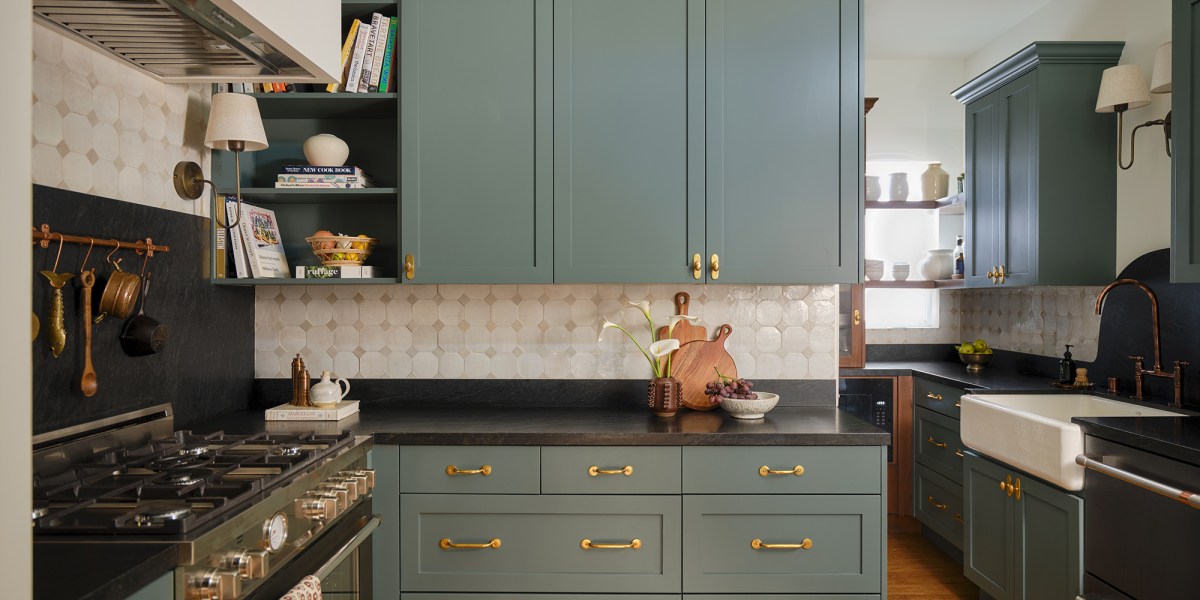
The first hurdle was the lack of usable storage. Allen and White decided to overhaul the cabinetry completely. By extending the upper cabinets all the way to the ceiling, they gained significant storage capacity for items that were previously relegated to overflow areas. The base cabinets were replaced with deep, pull-out drawers, which offer far better accessibility than standard shelving for pots, pans, and heavy appliances.
Phase 2: The Coffee and Tea Nook
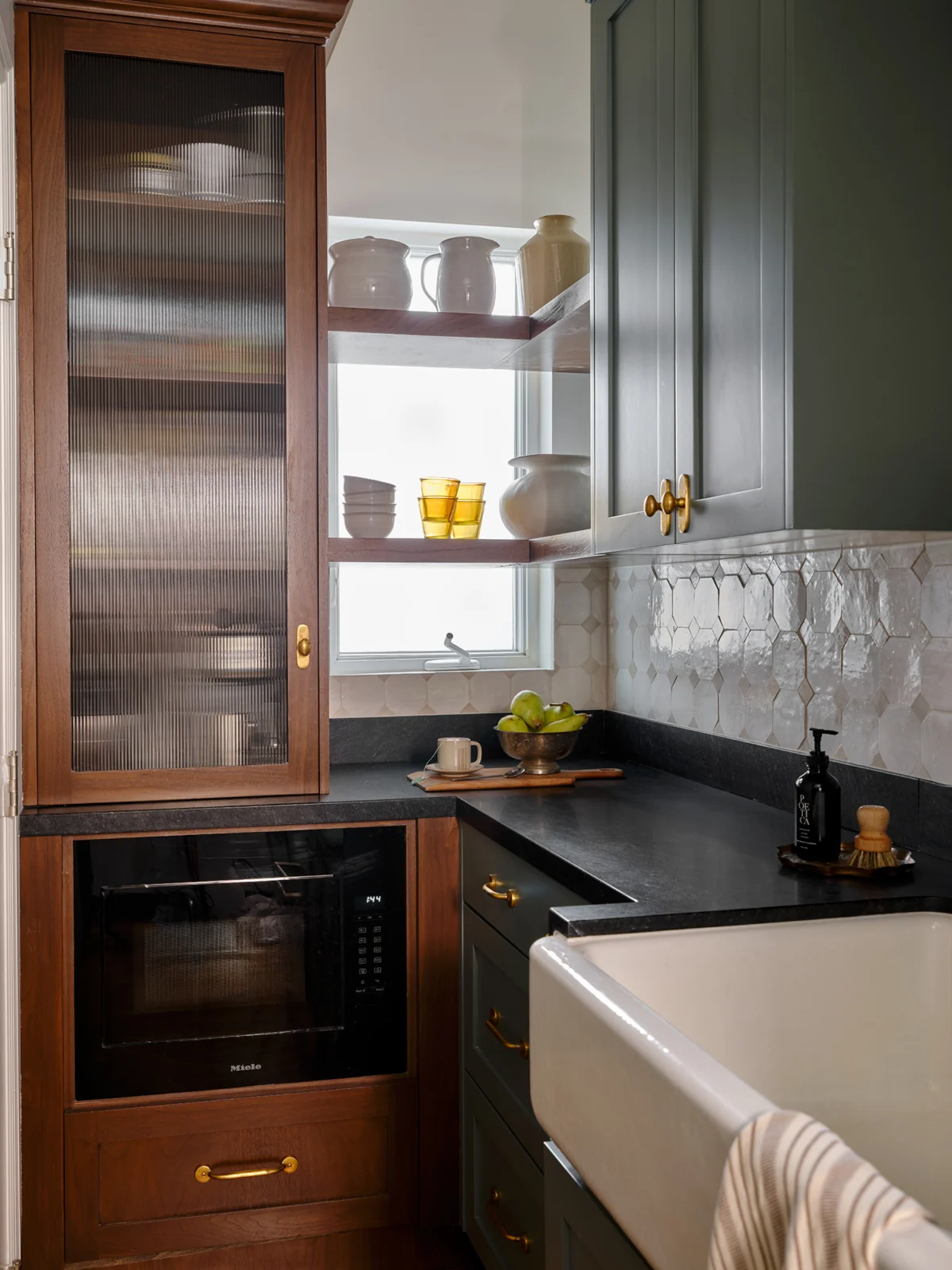
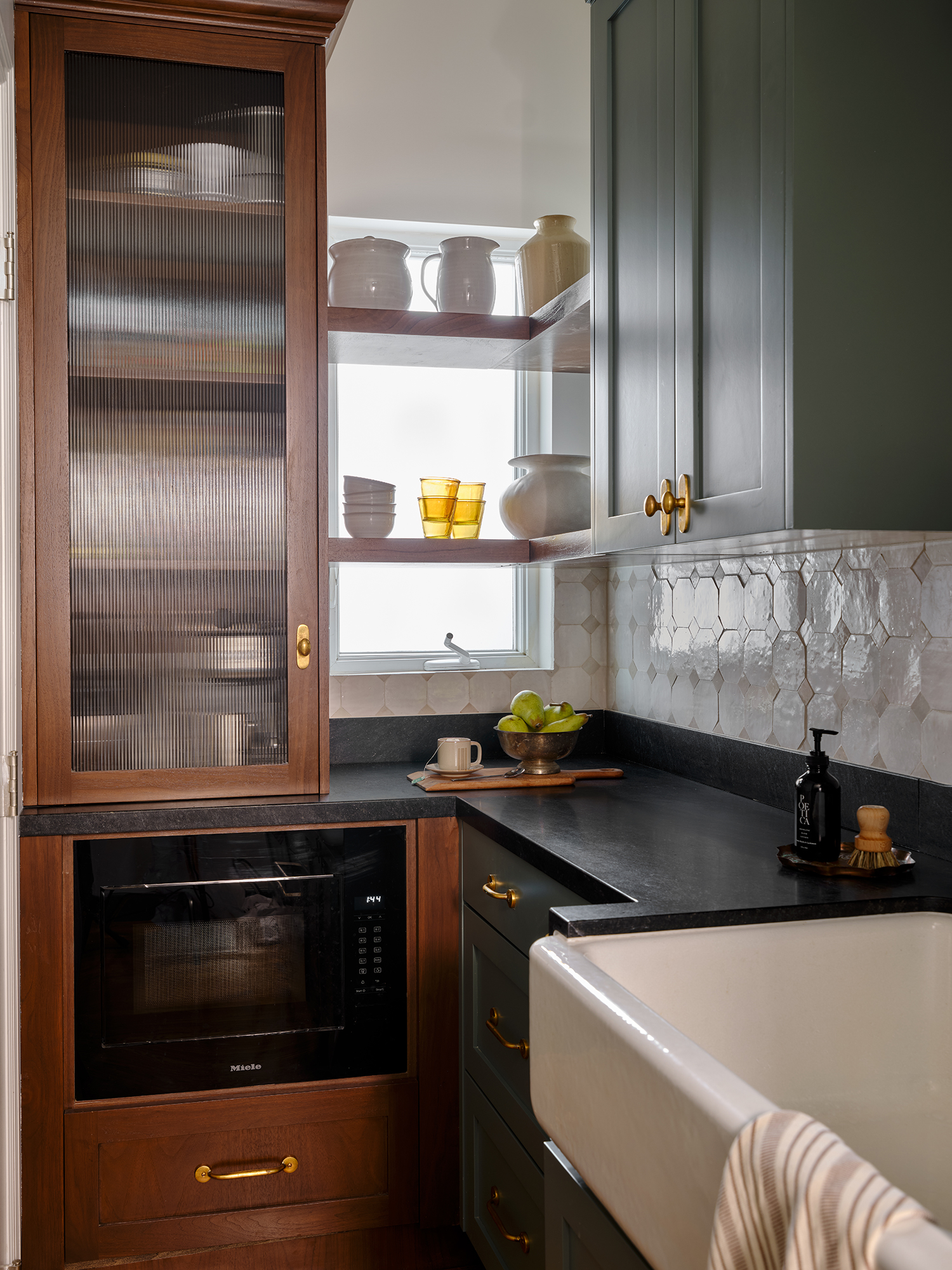
A standout feature of the new design is the dedicated coffee/tea corner situated at the back of the kitchen. Recognizing that the couple wanted a space to start their mornings, the designers built a "hidden appliance corner." This area houses the microwave and a dedicated pantry, ensuring that countertop clutter is kept to a minimum.
Phase 3: Aesthetic Refinement and Materiality
With the structural layout addressed, the focus shifted to the visual language of the kitchen. A primary directive from the clients was the inclusion of green cabinetry. The team selected a rich, earthy hue that grounds the room and provides a sophisticated contrast to the home’s historical details.
The search for the perfect countertop was an exercise in compromise and creativity. The client had long admired the look and feel of soapstone, a staple in her childhood home. However, the budget did not allow for authentic soapstone. Through the Ceramic Tile Center, the designers sourced a specific granite that mimicked the matte, charcoal beauty of soapstone, achieving the desired look while remaining fiscally responsible.
Phase 4: Overcoming Architectural Challenges
Construction is rarely without its hiccups. During the installation of the sink backsplash, the stone fabricator cut an arched feature significantly taller than specified. It looked out of scale and threatened to disrupt the carefully considered balance of the kitchen. The team had to pause, replace the piece, and re-cut the stone to ensure the proportions remained harmonious with the rest of the room.
Supporting Data and Design Choices
The success of this project lies in the designers’ commitment to "working every square inch." Key elements of their strategy included:
- Floating Shelves: By installing shelves above the window, the designers maximized storage without sacrificing natural light. This maintains the airy feel of the room while providing a display area for decorative items or frequently used kitchen essentials.
- Natural Materials: In alignment with the home’s Victorian roots, the team prioritized natural, tactile materials. From the stone countertops to the wood cabinetry and hardware, every selection was intended to age gracefully and honor the heritage of the building.
- The "Hidden" Efficiency: The inclusion of a microwave and appliance pantry behind custom cabinet doors allows the kitchen to transition from a workspace to a clean, serene environment in seconds.
Official Responses and Client Satisfaction
For Allie Allen and Sasha White, the ultimate metric of success is the client’s reaction. According to Sasha, the homeowners are "thrilled" with the final result.
“They are thrilled with how the kitchen looks and how the vision came together,” Sasha explains. “It’s one of the best parts of our work to see happy clients enjoying their home at the end of it.”

The partnership with Broad Oaks Construction was instrumental in bringing these complex, custom details to life. The builder’s expertise allowed the designers to push the boundaries of what could be achieved within the constrained footprint of a San Francisco apartment.
Implications for Future Renovations
This project serves as a compelling argument for the power of "smart renovation." In an era where many homeowners feel compelled to knock down walls to create open-concept spaces, this kitchen renovation proves that you can achieve a dramatic, life-changing improvement by working with the existing architecture rather than against it.
Key Takeaways for Homeowners:
- Verticality is Key: In small urban kitchens, every inch of wall space up to the ceiling should be considered for storage.
- Strategic Concealment: If you want a kitchen to feel like a living space rather than a laboratory, hide your appliances. A dedicated "appliance garage" or pantry corner can reduce visual noise significantly.
- Honor the Home’s History: By using materials that feel period-appropriate—like soapstone-style granite and rich, moody cabinet colors—the space feels like it belongs in the house, rather than a jarring modern imposition.
- Lighting and Airiness: Using floating shelves over windows instead of heavy upper cabinets allows for better light penetration, making small rooms feel larger.
The transformation of this Victorian kitchen is a reminder that a home’s character is not a limitation to be overcome, but a foundation to be celebrated. By layering functional efficiency with a warm, personal color palette and high-quality natural materials, Shiny Shed Collective turned a sterile, uninviting room into a sanctuary that perfectly balances the past and the present. It stands as a testament to the fact that you don’t need a massive footprint to have a massive impact on your quality of life.
