


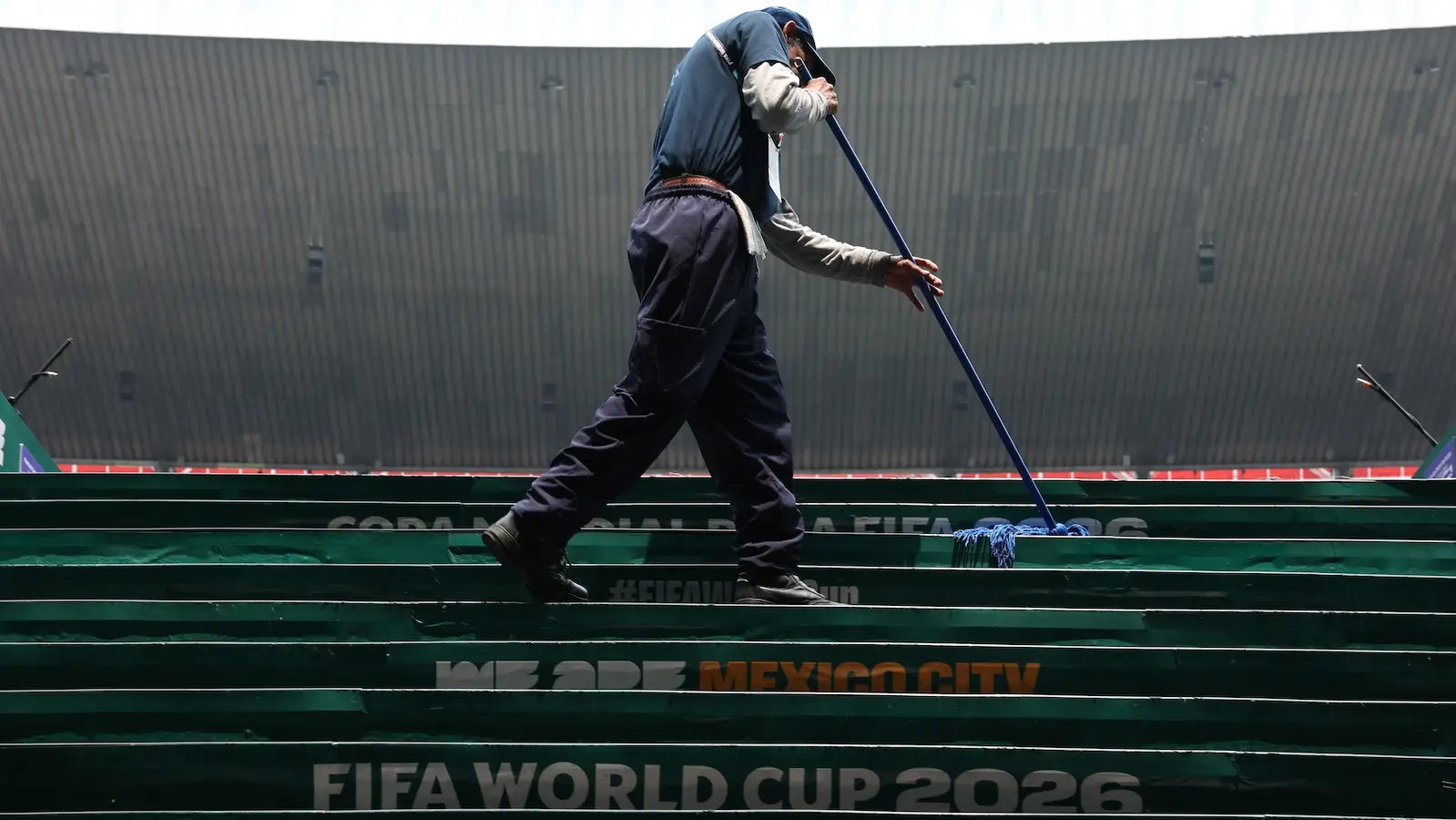
As the world turns its eyes to the pitch, cheering for the peak athleticism of global soccer stars, a quieter, more perilous struggle is unfolding on the sidelines. While FIFA has implemented sophisticated protocols to ensure the safety of athletes—including mandatory hydration breaks and climate-controlled stadium environments—the vast workforce powering the tournament remains exposed to the intensifying realities of a warming planet.
From concession stands in Atlanta to parking lots in Dallas, the people who keep the World Cup running are facing a heat crisis that threatens their health, safety, and dignity.
The Tale of Two Worlds: Players vs. Personnel
The discrepancy in treatment between athletes and support staff is stark. FIFA’s “tiered heat mitigation model” is designed to protect players, who are in peak physical condition and closely monitored by medical teams. When the thermometer climbs, games are paused. Yet, for the ushers, cleaners, security guards, and food service workers, the whistle never blows for a hydration break.
Lucia Gambino, a representative from the workers’ rights group Sur Legal Collaborative, has been on the front lines in Atlanta, providing essential supplies like water, electrolytes, and cooling towels to stadium staff. Her observations paint a troubling picture.
"We are seeing people visibly affected by the heat—faces flushed deep red, reports of limited access to shade, and an alarming scarcity of water," Gambino noted. "There is a profound irony in FIFA recognizing that elite athletes require shade and breaks to perform, while simultaneously failing to extend those same basic human protections to the workers who make the tournament possible."
A Chronology of the Heat Dome Crisis
The 2026 World Cup has coincided with a period of unprecedented atmospheric pressure, as a massive "heat dome" settled over eastern North America last week. The impact was immediate and widespread.
- Early June: Scientific warnings, including a study published in Applied Physiology, Nutrition, and Metabolism, cautioned that the influx of workers—many of whom were traveling from different climates and were unacclimatized—would be at extreme risk.
- The Heat Dome Descent: Mid-June saw temperatures and heat index values soar across key host cities, including Miami, Houston, Kansas City, Philadelphia, New York, and Toronto.
- The Atlanta Incident: On Tuesday, during the high-stakes knockout match between Argentina and Egypt, Atlanta temperatures reached 93 degrees Fahrenheit. Despite the game being held in an enclosed stadium, the ambient heat surrounding the facility took a severe toll.
- Looking Ahead: As the tournament moves toward its conclusion, Atlanta is set to host a final semifinal match on July 15th. While forecasts suggest temperatures in the high 80s, the lingering humidity and the intensity of the event continue to pose risks for staff who have been working long, grueling shifts for weeks.
The Science of Risk: Why Workers are Vulnerable
The danger posed to stadium staff is not merely a matter of comfort; it is a significant public health concern. Dr. Andrew Grundstein, a professor of geography and atmospheric sciences at the University of Georgia, emphasizes that the risks are multifaceted.
"Climate change is pushing heat waves into uncharted territory," Dr. Grundstein explained. "Unlike the athletes, who are conditioned and monitored, the average worker may have underlying health conditions—such as cardiovascular issues or diabetes—that make them hypersensitive to thermal stress. When you combine this with the lack of acclimation for transient staff, you create a recipe for heat exhaustion or, in extreme cases, heat stroke."
Furthermore, the logistical structure of the World Cup creates a "responsibility gap." The workforce is a patchwork of direct stadium employees, private contractors, and third-party event staffing agencies. Because each entity follows its own internal policies and adheres to varying local or state labor regulations, there is no single, uniform standard for heat protection.
"It is a complex web of liability and management," says Maggie Morrissey of the Korey Stringer Institute, which specializes in heat safety. "Without a unified mandate, protection becomes a lottery based on which company you work for or which state the stadium happens to be in."
Official Responses and the "Tiered" Defense
In response to growing public and academic scrutiny, FIFA has defended its safety record, asserting that its “tiered heat mitigation model” is sufficient.
"When forecasts predict elevated temperatures, our venues scale up cooling capacity," a FIFA spokesperson stated. "This includes the strategic deployment of shaded areas, increased water distribution, and the implementation of adapted work-rest cycles for staff and volunteers. We have established clear triage and escalation pathways for any suspected heat illness, managed by a dedicated heat illness mitigation task force."
Similarly, AMB Sports and Entertainment, which owns the stadium in Atlanta, downplayed the impact of the heat on their facility. An email from their spokesperson argued that because their stadium is enclosed, workers were largely shielded from the worst of the external weather.
However, accounts from the ground directly contradict this narrative. Gambino reports that workers leaving the facility after the Argentina-Egypt match were "drenched in sweat" and expressed palpable frustration. The physical strain is not just about direct sunlight; it is about the long hours, the lack of air-conditioned break rooms, and the high-pressure environment of a major sporting event.
The Path Forward: Implications and Calls to Action
The current situation has sparked a broader debate about the ethics of hosting "mega-events" in an era of climate change. Experts argue that if the World Cup is to continue as a global spectacle, the protection of the labor force must be as central to the planning process as the construction of stadiums or the scheduling of matches.
1. Standardization of Protections
Maggie Morrissey suggests that FIFA could leverage its immense power to mandate specific worker protections in its host-city agreements. By making heat safety a contractual requirement, FIFA could ensure that no matter the local laws, a universal standard of care—including mandatory cooling breaks and water access—is provided to every employee.
2. Formalized Collaboration
Organizations like Sur Legal Collaborative are calling for formal partnerships between event organizers and labor advocates. By integrating groups that understand the needs of workers into the event planning stage, organizers could proactively identify risks before they result in injuries.
3. Regulatory Reform
On a policy level, the situation highlights the need for stronger federal heat regulations in the United States and abroad. With heat waves becoming more frequent and intense, current labor laws in many regions are lagging behind the environmental reality.
Conclusion: A Moral Imperative
The World Cup is a celebration of human potential, but it is also an industrial undertaking of massive proportions. As the tournament moves toward its final matches, the discourse is shifting from the scoreboards to the safety of those behind the scenes.
"We wouldn’t have the World Cup if we didn’t have workers," Morrissey said, summarizing the sentiment shared by many advocates. "It is time for FIFA and its partners to recognize that their duty of care extends far beyond the players on the field. Protecting the workforce is not just a matter of compliance—it is a moral imperative."
As the world watches the final goals being scored, the legacy of this World Cup may well be defined by how the organization treated its most vulnerable contributors. For the staff working in the heat, the true test of this tournament’s success will be whether they are able to go home as safely as the fans in the stands and the athletes on the pitch.
