

The tech landscape of 2024 has been defined by a singular, overwhelming narrative: adapt or face obsolescence. For Sydney-based design giant Canva, the arrival of generative AI was not merely a feature update—it was an existential shift that forced a total reevaluation of the company’s identity.
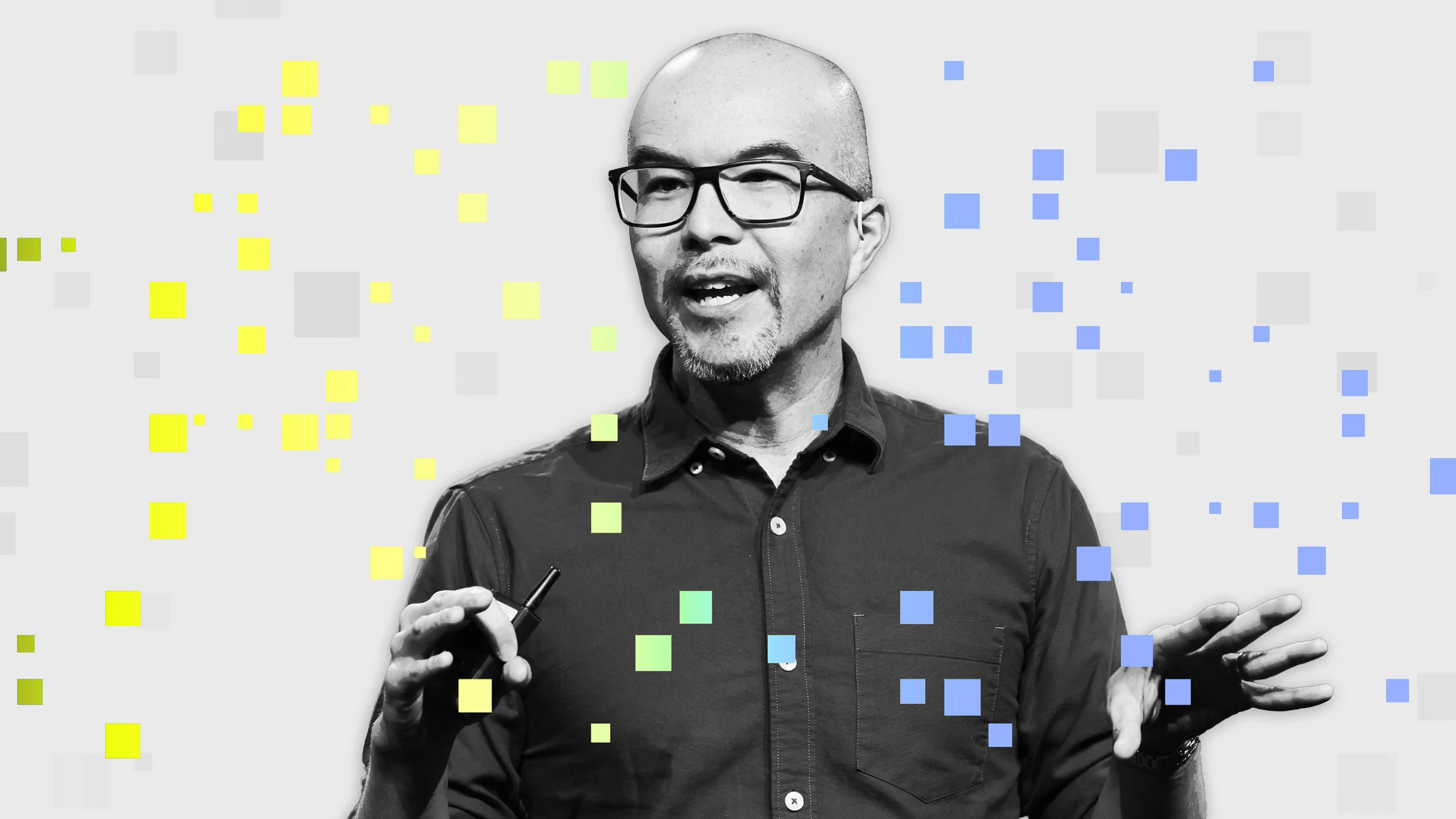
In a candid, wide-ranging discussion at the Cannes Lions festival, Cameron Adams, co-founder and Chief Product Officer of Canva, sat down with former Fast Company editor-in-chief Bob Safian for the Rapid Response podcast. The conversation provided a rare window into how a multi-billion-dollar unicorn successfully pivoted its entire corporate philosophy without losing the creative soul that made it a household name.
The Main Facts: Defining the "Interesting Year"
For Canva, the past six months have been characterized by a paradoxical state of operations: a marathon run at a sprinter’s pace. While many in the Silicon Valley ecosystem feared the so-called "SaaSpocalypse"—the theory that AI would render traditional software-as-a-service (SaaS) business models redundant—Adams remained unperturbed.
The central thesis of the company’s evolution is a profound philosophical flip. Canva has transitioned from being a "design company that utilizes AI" to an "AI company that specializes in design." This is not just a marketing pivot; it is a fundamental restructuring of how the company allocates capital, research and development, and human resources. By embedding machine learning (ML) engineers into every facet of the product lifecycle, Canva has moved away from the "Titanic" model of slow, monolithic software releases toward a decentralized "speedboat" strategy.
Chronology: A Timeline of Transformation
To understand how a company of 6,000 employees manages such a radical shift, one must look at the timeline of the last 18 months.
The Foundation Phase (Pre-2023)
Long before the public explosion of Large Language Models (LLMs), Canva had been quietly building its machine learning bench. The company’s early interest in AI was focused on productivity—removing backgrounds, resizing images, and automating mundane tasks. This provided the necessary technical foundation for the more complex generative features to come.
The Integration Phase (Early 2023)
As the generative AI boom hit, Canva did not just purchase API access to external models. They began a massive hiring initiative to bring top-tier AI researchers in-house. This was a critical juncture: rather than becoming a "wrapper" for existing AI tools, Canva committed to developing its own proprietary, unique blends of AI, protecting its intellectual property and ensuring the technology served the specific needs of designers, not just general users.
The "Speedboat" Cadence (Late 2023–Present)
The most significant change in the company’s internal operations has been the adoption of a weekly release cadence. Moving away from massive, quarterly software updates, Canva adopted a decentralized product management structure. By breaking the company down into smaller, agile "speedboats," they have been able to ship new features to users on a weekly basis, creating a feedback loop that is significantly tighter than their competitors.
Supporting Data: The "1% Rule"
When asked about the current state of the AI industry, Adams offered a perspective that serves as both a comfort and a call to action. He suggests that we are currently only 1% of the way through the AI revolution.
This statistic is central to Canva’s strategic optimism. It suggests that the current wave of generative tools—text-to-image, text-to-video, and automated layouts—is merely the "Table Stakes" phase. For Canva, the 99% that remains is the integration of AI into complex workflows that currently exist outside of the digital canvas.
Supporting this strategy is the company’s investment in deep technical research. By diversifying their model usage—not relying solely on a single LLM provider—Canva has built a "best-of-breed" stack. This ensures that if one provider’s model suffers from hallucinations or performance degradation, the Canva platform remains stable and reliable for its enterprise and consumer users alike.
Official Responses: The Philosophy of the Pivot
Adams addressed the skepticism surrounding the "SaaSpocalypse" with remarkable candor. When asked if he feared that AI would strip away the value of Canva’s platform, he noted that the company has always been "running a marathon."
"We’ve always had an incredibly long-term vision," Adams stated. "This year feels like we’re sprinting that marathon just a little bit."
Addressing the Cultural Shift
The most difficult part of the transition, according to Adams, was the internal shift in culture. Shifting 6,000 people from a "design-first" mindset to an "AI-first" mindset required more than just leadership memos; it required a total redesign of the engineering organization. By flattening the hierarchy and empowering individual product teams to take risks, the company effectively re-started its internal startup culture.
"It is a bunch of speedboats now," Adams remarked. "We aren’t thinking about the Titanic. We are focused on shipping as much customer value as we possibly can on a week-by-week cadence."
Implications: The Future of the Creative Economy
The shift at Canva has profound implications for the wider tech and design industries. If one of the world’s most successful design platforms can successfully pivot into an AI-native company, it sets a precedent that will likely force other incumbents to follow suit.
1. The Death of the "Wrapper" Company
Canva’s insistence on building unique, proprietary IP rather than just "repackaging an LLM" signals a maturing of the AI market. Investors and users are beginning to distinguish between companies that add real value through specialized AI and those that are simply reselling third-party access.
2. The Rise of "Continuous Shipping"
The "speedboat" strategy is becoming the gold standard for software companies in the age of AI. The ability to deploy features rapidly allows companies to collect real-world usage data faster than competitors, creating a virtuous cycle of improvement that is difficult for slower, legacy organizations to replicate.
3. The Democratization of Professional-Grade Tools
By automating the "drudge work" of design through AI, Canva is effectively raising the floor of what the average user can produce. The implication is that the design industry is moving away from a world of "technical gatekeepers" and toward a world of "creative directors." The AI doesn’t replace the designer; it replaces the technical limitations that once hindered the designer.
4. Enterprise Resilience
For enterprise clients, Canva’s pivot represents a move toward stability. By controlling their own AI models, Canva can offer better data privacy, security, and consistent output quality—features that are often missing in generic, open-source AI tools.
Conclusion: Looking Toward the Remaining 99%
As the interview concluded, the sentiment was clear: the most exciting place to be in the technology sector is exactly where Canva finds itself—at the beginning of a massive paradigm shift.
The "interesting year" that Adams described has not been a year of chaos, but a year of crystallization. By discarding the fear of the SaaSpocalypse and embracing the speed of AI-driven development, Canva has positioned itself to remain a dominant force in the creative economy for the next decade.
The challenge ahead for the company is clear: maintaining that "speedboat" velocity as they continue to grow. However, if the last six months are any indication, the company’s ability to pivot—and its commitment to deep, proprietary innovation—suggests that they are well-equipped to navigate the unpredictable waters of the AI era.
The marathon continues, but for Canva, the pace has never been more exhilarating. As Adams noted, we are only 1% of the way there. For those paying attention, the next 99% promises to be a transformative era for how we create, share, and consume digital content.
