

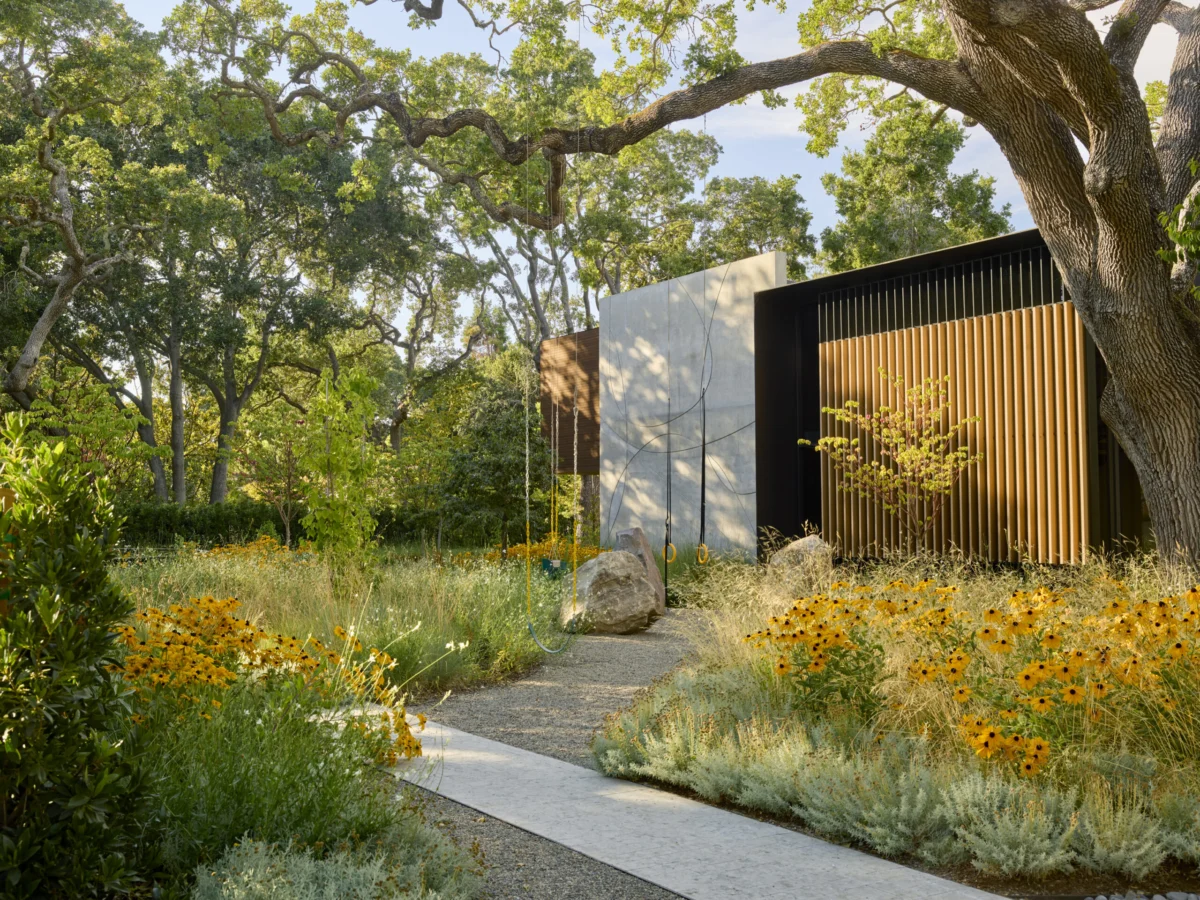
There is an undeniable magic to the summer months—the sensory experience of morning coffee sipped beneath a rustling canopy, the rhythmic hum of bees in a sun-drenched garden, and the way dinner parties seem to stretch effortlessly into the twilight. Yet, as global temperature averages reach new highs, the traditional backyard often transforms from a sanctuary into a sweltering expanse that homeowners actively avoid.
When the thermometer climbs into triple digits, the instinct is often to reach for high-tech solutions: motorized umbrellas, industrial-grade misting systems, or massive, energy-intensive shade structures. However, the most effective remedy for a scorching backyard is not found in a catalog of gadgets, but in the nuanced science of landscape architecture. By designing with nature rather than attempting to conquer it, homeowners can cultivate environments that are naturally, consistently, and beautifully cooler.
To understand how to master the art of climate-smart outdoor living, we spoke with the visionaries at Surfacedesign, an award-winning landscape architecture firm celebrated for their ability to blur the lines between man-made structures and the natural world. Their methodology suggests that a comfortable garden is the result of rigorous analysis—studying wind patterns, solar orientation, and local ecology long before a single shovel hits the dirt.
The Philosophy: Thinking Like an Interior Designer, Outdoors
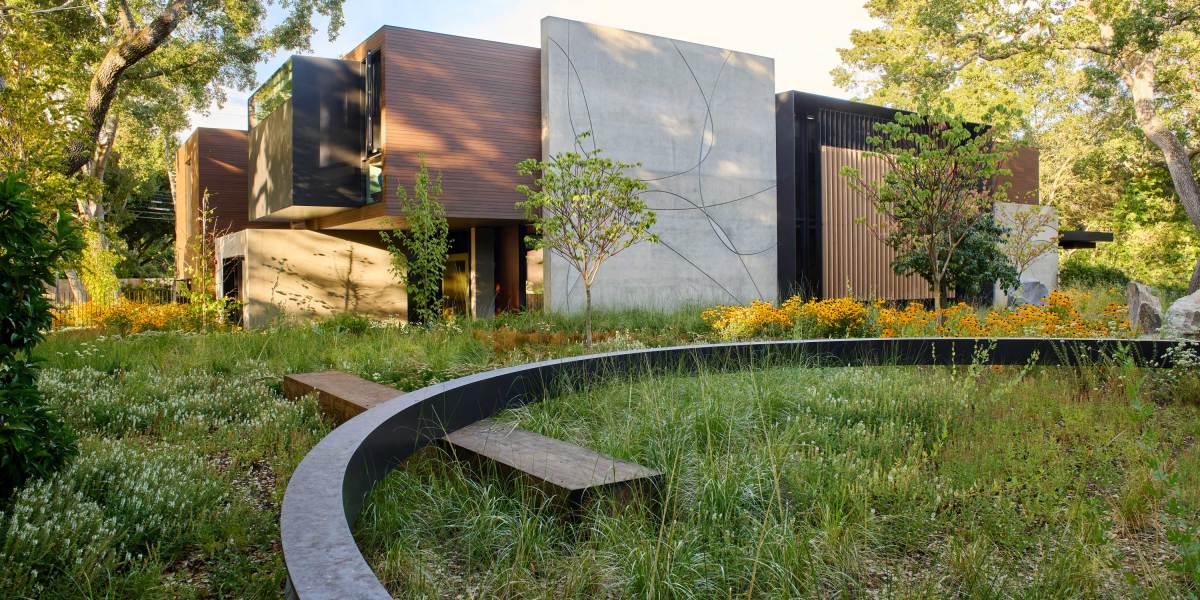
The most common mistake homeowners make is treating the backyard as an afterthought to the interior. Landscape architecture is not merely about planting shrubs; it is about creating "outdoor rooms" that possess the same functionality and flow as a kitchen or living room.
Defining the Intent
"Before we even start thinking about plants and materials, we want to get a sense of how the garden will be used," the team at Surfacedesign explains. "Will this be a space for quiet, solitary reflection at sunrise, or a high-energy hub for evening gatherings?"
This distinction is crucial. A space designed for morning coffee requires a different orientation—and different shade requirements—than an area designated for a sunset dinner party. By defining the program of the space first, you create a framework for design decisions that prioritize comfort throughout the day.
Mastering Solar Orientation
Not all shade is created equal. Understanding the solar trajectory of your property is the foundation of a cool garden. A south-facing patio requires a different cooling strategy than a western-facing corner that receives the harsh, late-day "heat sink" rays.
Surfacedesign emphasizes the importance of distinguishing between the types of shade you intend to create. The dappled, soft light filtered through a high-branching tree canopy provides a different thermal experience than the dense, absolute shade created by a wall of evergreen vines or a solid roof. By mapping how the sun moves across your specific lot, you can strategically place seating and plant materials to optimize the "quality" of your shade.
Chronology of a Climate-Smart Garden
The transformation of a hot, barren yard into a resilient oasis does not happen overnight. It follows a deliberate, chronological sequence of interventions.
- Site Analysis (The Observation Phase): Spend a full summer cycle observing your space. Note where the wind hits, where the heat lingers, and where the ground remains dry.
- Structural Foundation: Install the "bones" of your shade. This includes the strategic planting of trees that will provide the long-term canopy, and the installation of pergolas or trellises that will eventually host climbing plants.
- Layered Planting: Once the canopy is established, move to the understory. This is where you introduce shrubs and mid-level plants that protect the soil.
- Softscape Integration: Finally, fill in the "green mulch"—groundcovers and perennials that cool the soil surface.
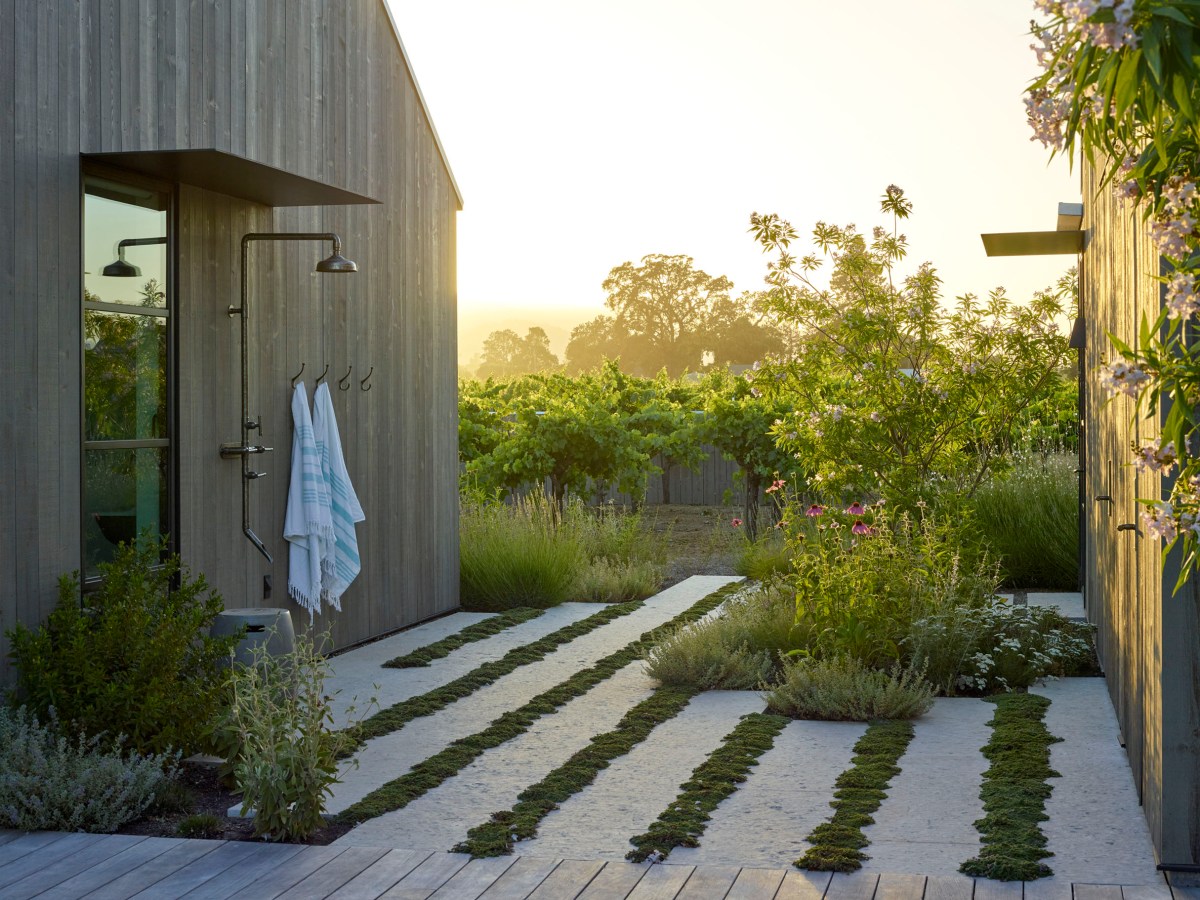
- Hardscape Modification: Replace or break up heat-absorbing materials like concrete or dark stone with permeable, lighter-colored, or living surfaces.
Supporting Data: The Science of Living Shade
The cooling power of vegetation is rooted in two primary mechanisms: transpiration and solar interception. Plants act as biological air conditioners. As they release moisture through their leaves, they absorb heat from the surrounding air, creating a localized drop in temperature.
The "Green Mulch" Strategy
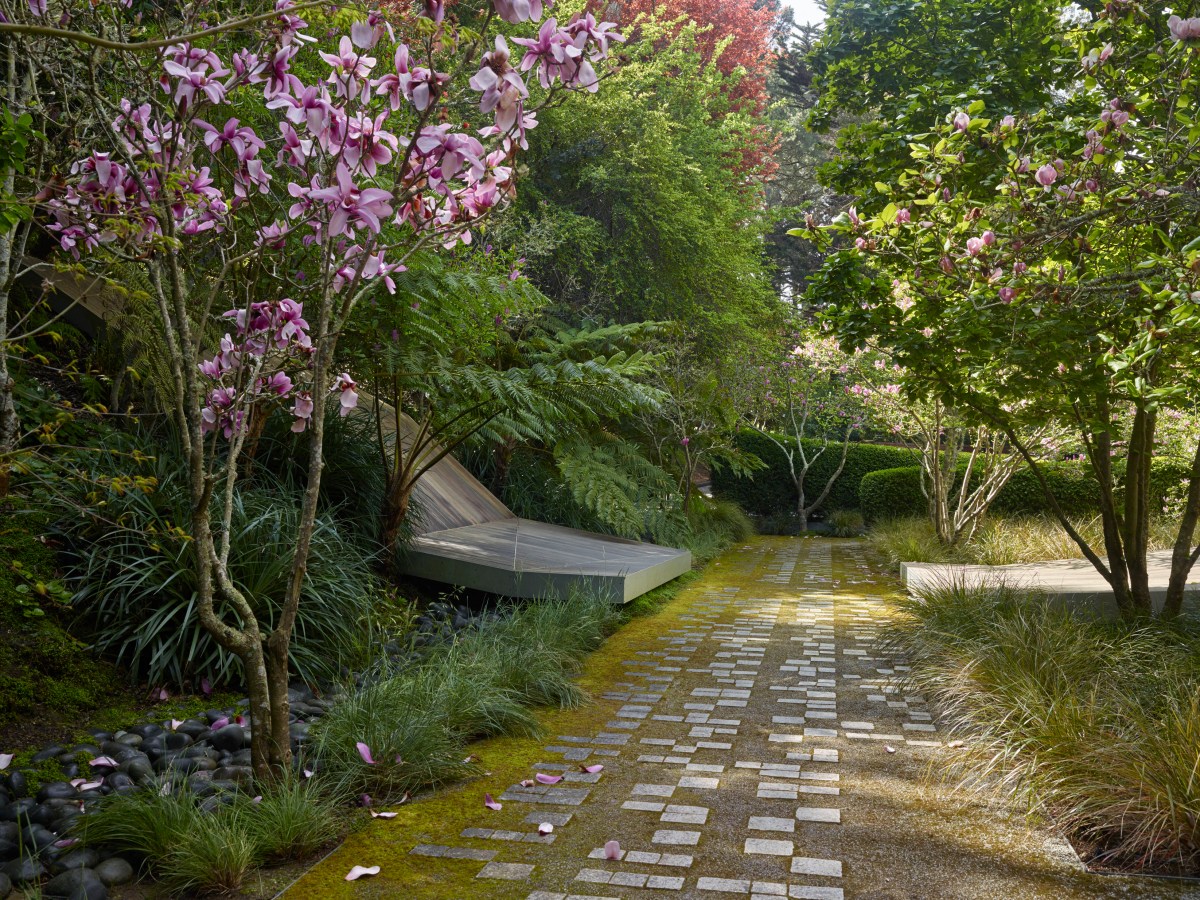
A common oversight in residential landscaping is the prevalence of exposed, dry soil or vast expanses of hardscape. Exposed soil absorbs heat and loses moisture rapidly. Surfacedesign advocates for "green mulching"—covering the earth with dense perennials, ornamental grasses, or creeping groundcovers.
This creates a self-sustaining cycle: the plants protect the soil from the sun, the soil retains moisture, and the plants thrive while cooling the air. A yard covered in lush, low-growing vegetation will always be significantly cooler than a yard covered in mulch, wood chips, or bare dirt.
Hardscape Heat Management
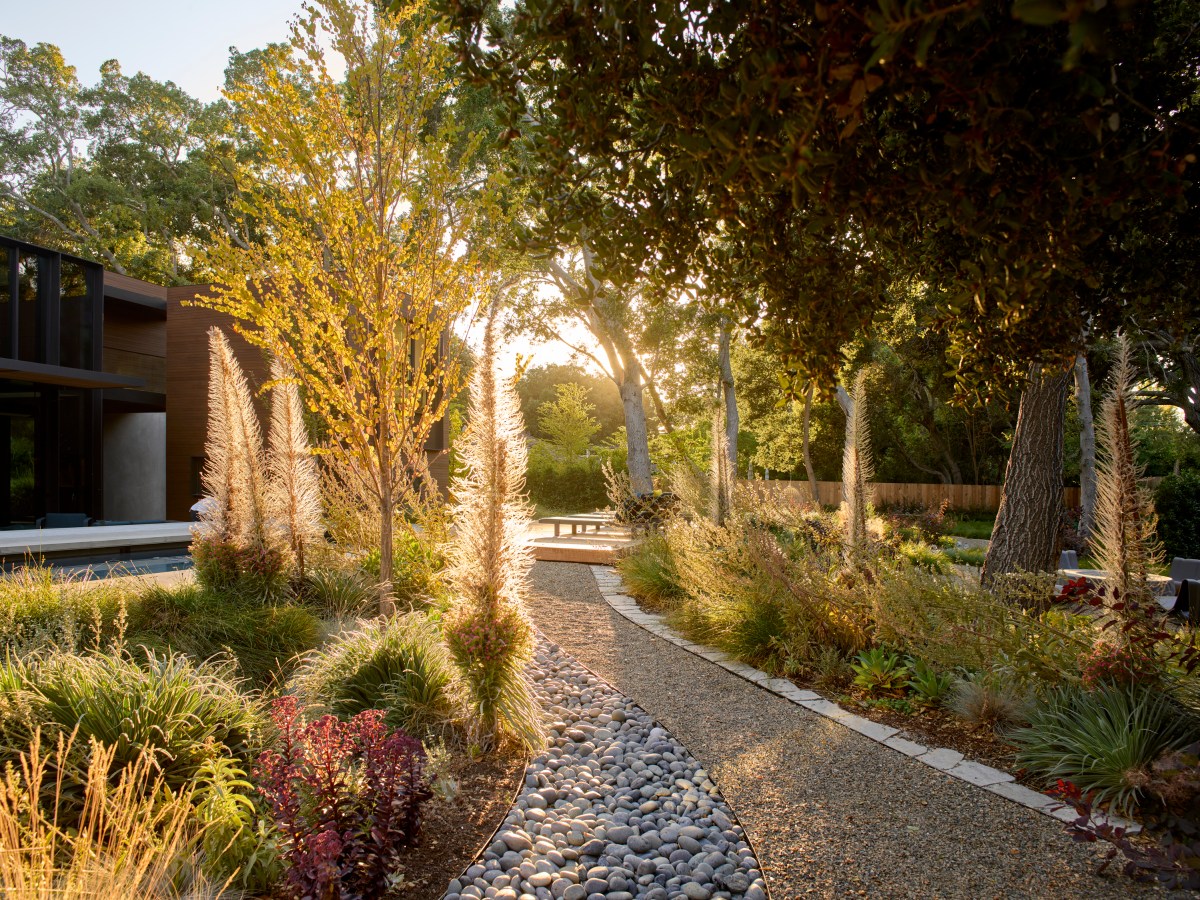
Dark, non-porous surfaces like asphalt or dark slate are thermal batteries; they absorb solar energy all day and release it as heat long after the sun goes down. To mitigate this, consider "breaking up" your patio. Incorporating pockets of vegetation, using light-colored stone, or utilizing permeable pavers allows the earth to breathe, preventing the heat island effect within your own backyard.
Official Perspective: The Role of Airflow and Water
Shade is only half of the thermal equation. The other half is airflow. Many homeowners inadvertently turn their backyards into "heat traps" by installing solid perimeter walls or dense, non-porous hedges that block natural breezes.
"A big piece of this is really understanding your site’s relationship to the broader landscape," the Surfacedesign team notes. "Just noticing how the wind moves across your property offers opportunities to work with existing conditions."
Filtering vs. Blocking
Rather than creating barriers, think of your planting as a filter. A well-placed, porous hedge can funnel a breeze toward a seating area, while a strategically placed tree can act as a natural chimney, drawing cool air into the house when windows are open.
The Micro-Climate of Water
Water features, even modest ones, serve a dual purpose. Beyond their aesthetic appeal, they facilitate evaporative cooling. A small reflecting pool or a recirculating water wall can lower the ambient temperature in the immediate vicinity, creating a refreshing micro-climate that makes a space feel much cooler than the official weather report suggests.
Implications: Building for Tomorrow
The imperative for climate-resilient landscaping has never been more urgent. With increasing drought, extreme heatwaves, and the growing risk of wildfire, the backyard has evolved from a simple luxury into a critical piece of home infrastructure.
Resilience as Refuge
The design team at Surfacedesign observes that the pandemic fundamentally altered our relationship with our homes. Gardens are no longer just aesthetic assets; they are essential for mental health and physical comfort. "We’re designing immersive landscapes where heat, water, and planting all work together to create environments that support our everyday lives," they explain.
Balancing Beauty and Defense
In regions prone to wildfire, the challenge is to balance the cooling benefits of lush vegetation with the need for defensible space. This involves selecting fire-resistant plant palettes and creating "zones" of maintenance that prioritize safety without sacrificing the lush, cooling canopy that makes an outdoor space livable.
The Economic and Ecological Future
The financial and environmental implications of these design choices are profound. A well-designed, climate-smart garden requires less irrigation, reduces the energy load on your home’s air conditioning system, and provides a habitat for pollinators. It is an investment that pays dividends in both the short-term comfort of the homeowner and the long-term health of the local ecosystem.
Ultimately, the most successful outdoor rooms are those that prioritize passive design. By embracing the rhythms of the sun, the flow of the wind, and the natural cooling power of the earth, you can create a backyard that doesn’t just survive the summer—it invites you to stay, breathe, and flourish in it.
