

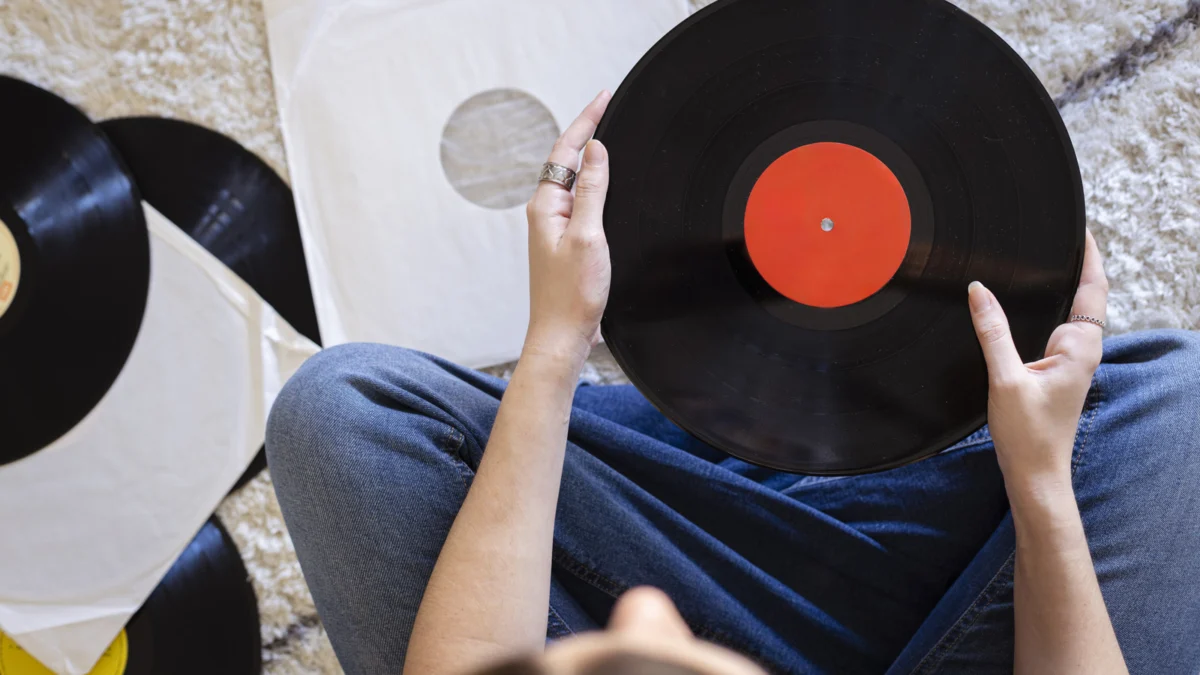
In the digital age, where music is consumed through ephemeral streaming services, the physical presence of vinyl records has seen a remarkable resurgence. However, not every disc makes it to the turntable. A growing subculture of DIY enthusiasts and TikTok influencers—most recently exemplified by creator @hdl.leonie—has turned their attention to an unconventional use for these relics: transforming them into decorative, functional bowls. While these projects offer an undeniably aesthetic "kitsch" appeal, they have ignited a fiery debate that pits creative upcycling against serious environmental and health concerns.
Main Facts: The "Melted Record" Trend
The process, while deceptively simple, has captured the imagination of millions. By heating a vintage vinyl record until it reaches a pliable state—typically between 140 and 212 degrees Fahrenheit—crafters can drape the material over a heat-resistant bowl to achieve a signature "wavy" aesthetic. Once cooled, the record retains the shape of the mold, creating a bowl that serves as a conversation piece, a trinket holder, or a centerpiece for a media room.
The trend has moved beyond basic bowls. Creative makers are now experimenting with:
- Geometric Sculptures: Cutting, heating, and assembling vinyl into angular, modern shapes.
- Lighting Solutions: Utilizing the disc’s circular geometry to create unique lamp shades or light reflectors.
- Mixed Media Art: Combining vinyl with paints, decoupage, and other mediums to create wall-hanging art pieces.
- Functional Decor: Adapting the concept for use as bookends or desk organizers, as demonstrated by design figures like HGTV’s Erin Napier.
Chronology: From Turntable to Trash (or Treasure)
The practice of repurposing vinyl is not new, though its visibility has surged alongside the rise of short-form video platforms.
- Early 2000s: The "DIY" movement began to gain momentum on platforms like Pinterest and early craft blogs, where users shared tutorials on repurposing damaged records that were no longer playable.
- 2020–2023: As the "Vinyl Revival" hit mainstream commercial success, the influx of cheap, scratched, or common records at thrift stores provided an endless supply of raw materials for crafters.
- Early 2024: TikTok creator @hdl.leonie posted a video showcasing her bowl-making process, which went viral. The comments section, initially filled with aesthetic praise, quickly pivoted toward intense debate regarding the safety and ethics of melting PVC.
- Present Day: The trend has reached a tipping point where the conversation has shifted from "how-to" tutorials to "should-you" cautionary tales, forcing crafters to reconsider their methods.
Supporting Data and Technical Context
To understand why this trend is so contentious, one must look at the composition of the material. Vinyl records are primarily composed of polyvinyl chloride (PVC).
The Chemistry of PVC
At room temperature, PVC is a stable, rigid polymer. However, it is fundamentally a synthetic plastic laden with additives, including plasticizers (such as phthalates), stabilizers, and pigments.
- Thermal Softening: Vinyl begins to transition from a rigid solid to a flexible state at roughly 77°F to 140°F.
- The VOC Threshold: The real concern begins when the material reaches 140°F to 212°F. In this range, the plastic matrix begins to break down, releasing Volatile Organic Compounds (VOCs).
- Melting Point: Once temperatures exceed 212°F, the material enters a molten state, where it releases a more concentrated stream of gases, which can include hydrogen chloride and other hazardous byproducts of degraded plastic.
Economic Value
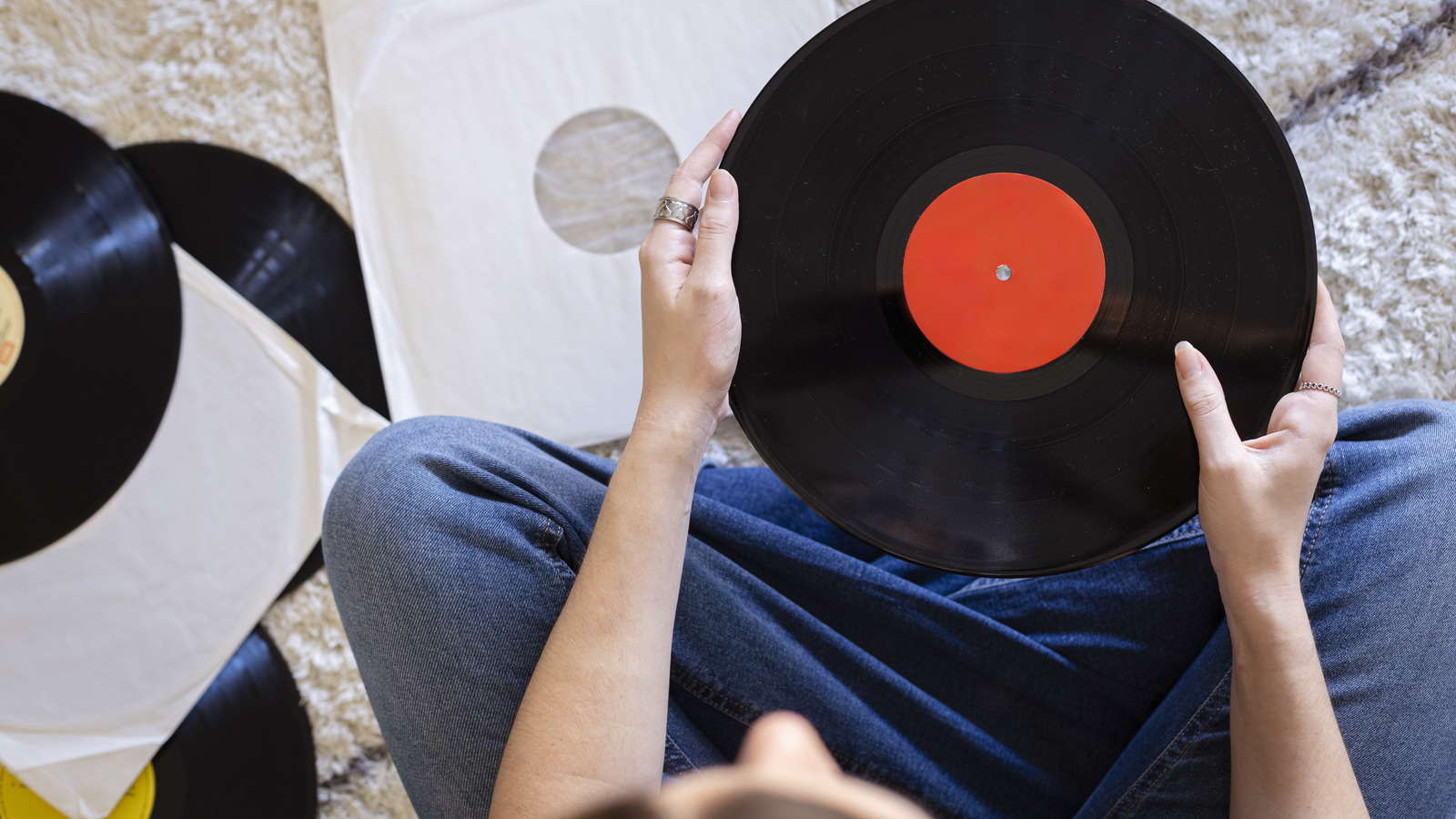
A crucial part of the "responsible upcycling" discourse is ensuring that the record being sacrificed isn’t a rare or valuable piece of musical history. Resources such as the We Buy Records database allow enthusiasts to cross-reference serial numbers and matrix runouts to ensure they aren’t destroying a collector’s item worth significant capital.
Official Responses and Expert Perspectives
While there is no "official" regulatory body governing the crafting of vinyl bowls, health and safety experts have long warned against the improper heating of plastics in domestic settings.
Environmental health advocates emphasize that standard residential ovens are not designed to process plastics. When PVC is heated in an oven used for food, there is a significant risk of cross-contamination. VOCs and chemical particulates can adhere to the interior surfaces of the oven, potentially leaching into food during future meal preparation.
"The fundamental issue is the intent of the material," says one industrial hygienist. "Vinyl records were manufactured to be played, not heated. The additives used in their production were never intended to be subjected to thermal degradation in a kitchen environment."
Implications: The Future of Vinyl Upcycling
The discourse surrounding the "vinyl bowl" trend serves as a microcosm for the broader DIY movement in the digital age. It highlights the tension between the desire for low-cost, high-impact home decor and the necessity of environmental and personal health literacy.
Environmental Considerations
Critics of the trend argue that while upcycling is noble, it should not be prioritized over the proper recycling of materials. However, PVC is notoriously difficult to recycle through municipal streams. This leaves the DIYer in a bind: Is it better to send a non-playable record to a landfill, or to keep it in circulation as a decorative object?
Safety Protocols for the Modern Crafter
For those who remain committed to the art form, the professional consensus is clear: safety must take precedence over convenience.
- Never Use Kitchen Ovens: If you must heat vinyl, use a dedicated, well-ventilated space or a heat gun with proper personal protective equipment (PPE).
- Ventilation is Non-Negotiable: Heating plastic indoors without an industrial-grade ventilation system is a recipe for respiratory irritation.
- Consider Alternatives: Many designers are now pivoting toward safer, more sustainable materials that achieve the same "look" without the toxic byproduct. Papier-mâché, air-dry clay, and decoupaged cardboard can mimic the shape and texture of a record bowl while eliminating the health risks entirely.
- The "Record Look" Alternative: For those who love the aesthetic but fear the chemicals, painting a ceramic bowl to look like a vintage disc provides the same visual impact without the environmental or physical cost.
Conclusion
The allure of the thrifted vinyl bowl is unlikely to disappear, as it feeds into a deep-seated human desire to transform the old into the new. Yet, as the public becomes more informed about the chemical realities of PVC, the trend is likely to evolve. The future of this craft lies not in the literal melting of plastic, but in finding creative, safer ways to honor the musical history embedded in the grooves of our favorite albums. Whether through paint, collage, or simply displaying the discs as they were meant to be heard, the goal remains the same: celebrating the medium without compromising our health or the environment.
