

The San Bernardino Mountains have long served as a high-altitude sanctuary for Angelenos. For decades, the winding roads leading up to Big Bear, Arrowhead, and the surrounding ridge towns have acted as a pressure-release valve for those looking to swap the smog and sprawl of Los Angeles for crisp pine air and snow-dusted peaks. However, the region’s identity is currently undergoing a profound transformation. Following a series of punishing winter storms in 2022 that tested the resilience of these mountain communities, the area has emerged not just repaired, but revitalized.
Today, a new wave of hospitality entrepreneurs, artisans, and visionaries are moving into the region, shifting the focus from mass-market tourism to a more curated, boutique experience. For travelers seeking a mountain retreat, this marks a renaissance—a time when locally owned, thoughtfully designed offerings are redefining what it means to escape to the San Bernardino Mountains.
A Chronology of Resilience: From Storms to Stewardship
To understand the current state of the San Bernardino Mountains, one must look back at the winter of 2022. The region faced a historic, punishing storm season, which saw record-breaking snowfall that brought life in the mountains to a standstill for weeks.
- Early 2022: The San Bernardino Mountains endure a relentless barrage of winter storms, resulting in blocked mountain passes and significant infrastructure challenges.
- Spring/Summer 2023: As the snow melted, the local economy faced the daunting task of recovery. Rather than retreating, a collective of small business owners and hoteliers began investing in the long-term viability of their communities.
- Late 2023–2024: The "Mountain Renaissance" gains momentum as high-concept boutique hotels, artisanal grocers, and curated retail spaces open their doors, signaling a shift toward sustainable, high-end hospitality.
- July 2026: The region solidifies its status as a premier destination for slow travel, with infrastructure improvements and a booming local economy that caters to the modern, discerning traveler.
This period of adversity forced the local business community to evaluate the sustainability of the "tourist trap" model. The result has been a shift toward longevity, quality, and a deep, intrinsic connection to the mountain landscape.
The New Guard of Hospitality
The current transformation of Big Bear and its neighbors is anchored by hoteliers who prioritize design and narrative over mere capacity.
The Restoration of Heritage: Hotel Marina Riviera
Originally constructed in 1968, the Hotel Marina Riviera stands as a testament to the potential of adaptive reuse. The property, a Viking-inspired lodge situated on the scenic edge of Big Bear Lake, has been meticulously restored by the Casetta Group. Drawing on their experience with iconic projects like Casa Cody in Palm Springs, the team has successfully integrated the warmth of a classic ski lodge with modern design sensibilities.
The hotel’s restoration serves as a bridge between the town’s storied past and its future, offering guests a refined space that feels both nostalgic and contemporary. With a restaurant and bar slated to open on-site, the Marina Riviera is poised to become the beating heart of the local social scene.
Personalized Luxury: Noble + Proper
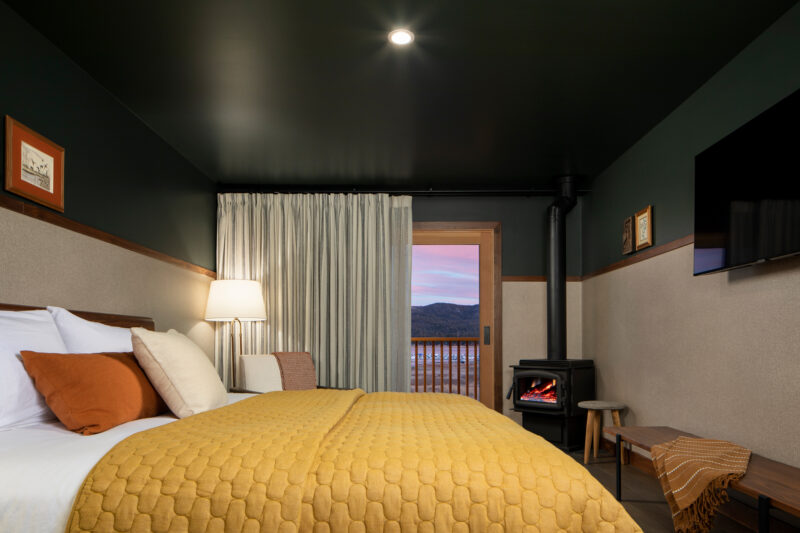
If the Marina Riviera is about restoration, Noble + Proper is about intimacy. Founded by Sara and Sven Simon, this property consists of seven unique cabins, each thoughtfully named after the couple’s own grandparents. The project is an exercise in intentionality; every cabin is stocked with premium amenities like Parachute bedding and wood-burning stoves that evoke the quintessential "cozy cabin" fantasy. By providing guests with communal amenities like bicycles, BBQs, and hammocks, Noble + Proper encourages a slower, more deliberate way of experiencing the mountains.
Supporting Data: The Economic Shift
The economic implications of this shift are significant. Data from regional tourism boards suggests that while traditional weekend visitor numbers remain stable, the spend-per-visitor has increased as travelers seek out high-quality goods and services.
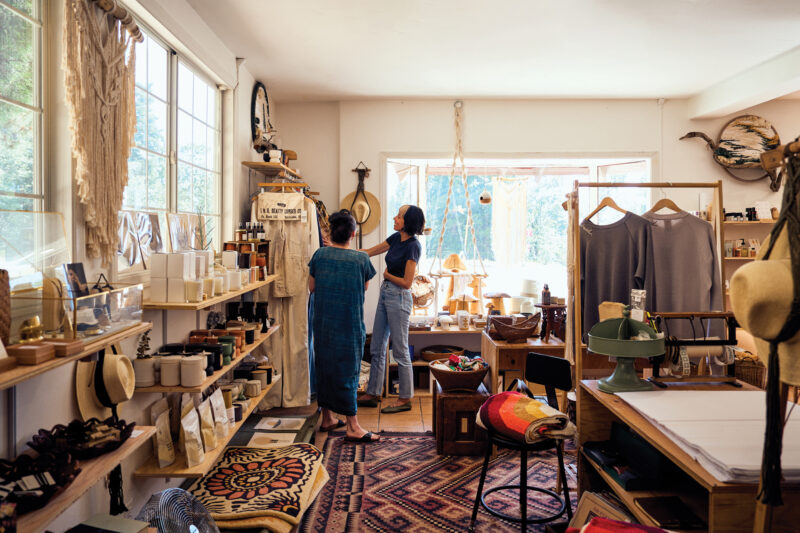
- Retail Evolution: Small-batch retail is replacing generic souvenir shops. Stores like Evergreen Curated Goods in Skyforest are setting a new standard. Owned by vintage experts Neisha and Gary Wallace, the shop provides a platform for their own line, Foundation Vintage—hand-dyed, natural indigo garments—alongside sustainable apothecary items. This supports a local ecosystem of artisans rather than a supply chain of mass-produced knick-knacks.
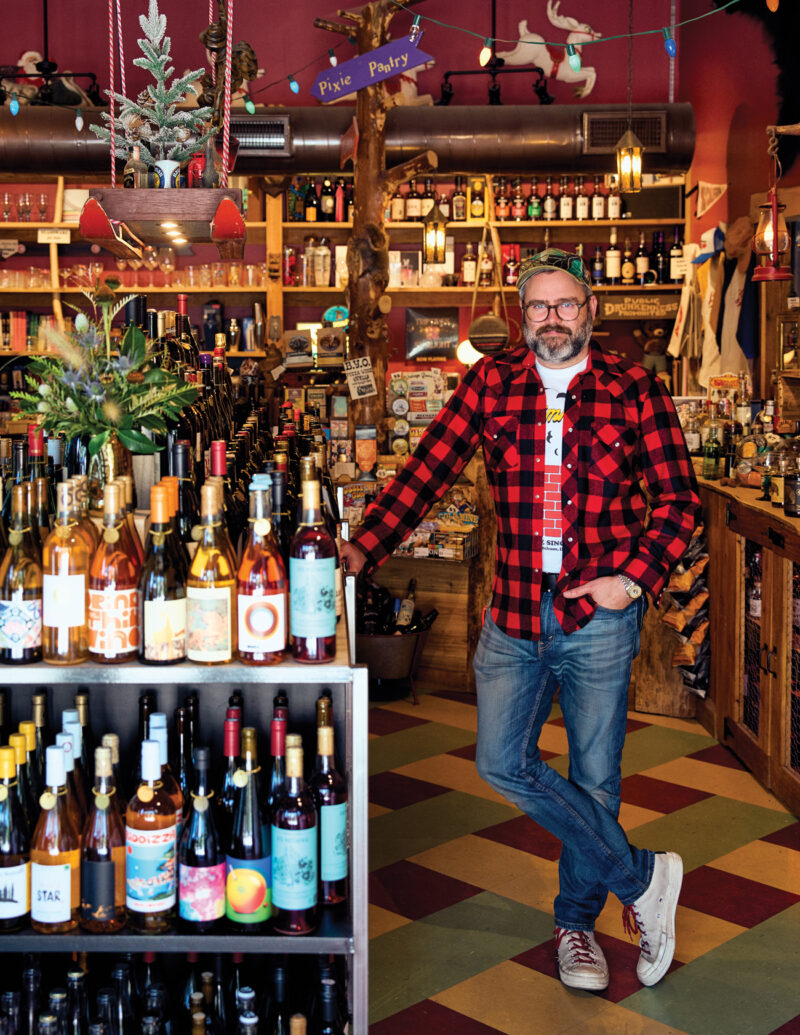
- Provisioning Excellence: The standard of local dining and grocery has also risen. Bear Cupboards, a market founded by L.A. restaurateur Dustin Lancaster (of Capri Club and Bar Covell fame) and his wife, Maya Brenner, offers high-end sundries, curated wines, and fresh produce. By bringing big-city culinary standards to the mountains, businesses like this allow visitors to enjoy the "cabin life" without sacrificing the quality of ingredients they have come to expect at home.
Official Responses and Community Impact
Local government and tourism councils have responded positively to this shift. In statements regarding the regional recovery, local officials have emphasized that the diversification of the mountain economy is essential to its survival. By fostering a culture of "locally owned" businesses, the towns of the San Bernardino Mountains are building a more resilient tax base that is less susceptible to the volatility of seasonal snow patterns.
"The goal is to move away from the ‘ski-in, ski-out’ reliance," one local commerce representative noted. "By building a year-round destination that appeals to designers, foodies, and those looking for a quiet, high-end retreat, we create a more sustainable model for our mountain towns."
Implications: The Future of the Mountain Escape
What does this mean for the future of travel to the San Bernardino Mountains? The implications are twofold:
- For the Traveler: The region is no longer just a destination for skiing or lake-based water sports. It has become a legitimate design and culinary destination. Visitors can now spend a weekend browsing independent boutiques, enjoying wine from local shops, and staying in properties that offer genuine character and high-end comfort.
- For the Environment: The focus on "curated" and "sustainable" goods often aligns with a lower environmental impact. As the community continues to move away from low-cost, disposable tourism, there is an inherent move toward preserving the natural beauty of the mountains that draw people there in the first place.
As the San Bernardino Mountains continue to evolve, the narrative is clearly one of rebirth. The "punishing storms" of the past served as a catalyst, forcing the region to stop, reflect, and rebuild. Today, Big Bear and its neighboring towns offer a more sophisticated, grounded, and deeply personal experience than ever before. Whether you are hunting for vintage indigo textiles in Skyforest or enjoying a glass of wine by a wood-burning stove at Noble + Proper, it is evident that the mountain air is clearer, and the welcome is warmer, than it has been in years.
Now, more than ever, the mountains are calling—and they have something new to say.
