

The 2026 edition of San Diego Comic-Con (SDCC) has officially cemented itself as a pivotal moment for genre entertainment, serving as a launchpad for highly anticipated sequels, long-gestating spin-offs, and bold new visions for established intellectual properties. From the rain-slicked, neon-drenched streets of a post-human Los Angeles to the forging fires of Mount Doom and the cosmic jurisdiction of the Green Lantern Corps, the convention floor was buzzing with a singular energy: the pursuit of legacy-defining storytelling.
As major studios like Amazon MGM and Warner Bros. Discovery continue to double down on prestige-level streaming series, the gap between "television" and "cinema" has effectively vanished. This year’s presentations were not merely trailers and sizzle reels; they were declarations of intent, outlining expansive universes that demand both critical attention and viewer loyalty.
The Replicant Uprising: Blade Runner 2099
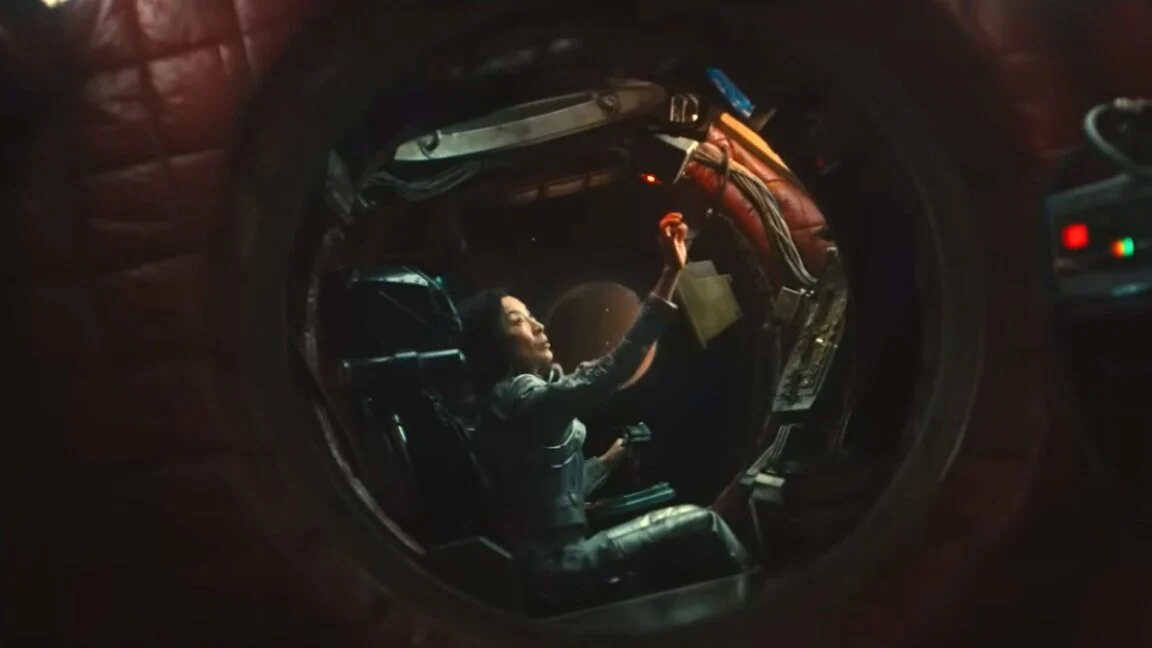
Nearly five years after the initial announcement of a Blade Runner television expansion, Prime Video finally pulled back the curtain on Blade Runner 2099. Set half a century after the events of Denis Villeneuve’s Blade Runner 2049, the ten-episode series promises to grapple with the existential consequences of a world where the distinction between creator and creation has irrevocably dissolved.
Chronology and Setting
The series picks up in a Los Angeles that has been fundamentally "reborn"—not by human design, but by the advancements of the Replicant population. Showrunner Silka Luisa (Shining Girls) has emphasized that the series remains anchored in the "noir principles" that defined Ridley Scott’s original 1982 masterpiece. The narrative is positioned as a mystery that bridges the gap between the past and a grim, uncertain future.
The central premise shifts the traditional power dynamic: in this version of the future, humanity has lost its status as the dominant species. Humans are now effectively "the hunted," living as second-class citizens in a society built by their own artificial offspring.
Character Dynamics and Casting
The star power behind the project is significant. Michelle Yeoh takes on the role of Olwen, a Replicant nearing the end of her lifespan, while Hunter Schafer portrays Cora, a fugitive who adopts the mantle of a Blade Runner in a final, desperate act of survival. Their forced partnership serves as the engine for the show’s central mystery—a truth that, if unearthed, could lead to the total collapse of their fragile, synthetic city.
The supporting cast, while roles remain largely shrouded in secrecy, includes Hugo Hamlet as the iconic Buster Friendly, alongside Dmitri Abold, Lewis Gribben, Katelyn Rose Downey, and veteran character actor Tom Burke. The series is scheduled for a November 25, 2026, premiere on Prime Video.
The Return of the Dark Lord: The Rings of Power Season 3
If Blade Runner 2099 is a meditation on the end of humanity, The Rings of Power is a sprawling epic about the fragility of civilization in the face of inevitable darkness. Amazon’s monumental investment in the Tolkien estate is reaching a crescendo as the series moves into its third season.
The Forging of the One Ring
The SDCC teaser confirmed what fans have been breathlessly anticipating: the forging of the One Ring. After years of narrative build-up, Season 3 will document Sauron’s (Charlie Vickers) transition from a manipulative shapeshifter to the singular, terrifying entity that will eventually dominate Middle-earth.
The synopsis for the upcoming season paints a bleak picture: five years have passed since the fall of Eregion. Sauron’s forces have swept across the world, leaving only isolated bastions of resistance—the Dwarven halls of Khazad-dûm and the Elven realms of Lindon and Rivendell—protected by the Three Rings.
Casting and Expansion
The cast for Season 3 is arguably the most ambitious in the show’s history. Notable additions include:
- Jamie Campbell Bower as Celeborn, Galadriel’s long-lost husband.
- Zubin Varla as Khamûl the Easterling.
- Eddie Marsan as Thrain, brother to King Durin IV.
- Simon Pegg, who will provide the voice for the terrifying Balrog, bringing a visceral sense of dread to the creature’s cinematic presence.
The season is slated for a November 11, 2026, debut, setting the stage for a late-year showdown that will likely define the streaming landscape for the remainder of the year.
Lanterns: A Cosmic Noir Investigation
HBO’s Lanterns has been marketed as a departure from the typical "superhero" spectacle. By framing the Green Lantern Corps through the lens of a gritty, sci-fi police procedural—often compared to a cosmic True Detective—the studio is betting on a more grounded, character-driven approach to the DC Universe.
Dual Timelines and Mystery
The narrative structure of Lanterns is unique, oscillating between two distinct timelines. The first follows a murder mystery in the American heartland set in 2016, while the second brings the story into the present day of 2026. This investigative focus highlights the human element of the Corps: the weary, near-retirement legend Hal Jordan (Kyle Chandler) and the idealistic, ambitious recruit John Stewart (Aaron Pierre).
Expanding the DC Cosmic Lore
The new trailer revealed at SDCC confirms that the show will move beyond Earth’s atmosphere. The inclusion of the shapeshifting Manhunters—an ancient, robotic precursor to the Green Lanterns—suggests that the series will delve deep into the cosmic history of the DC Universe. Furthermore, the appearance of Sinestro (Ulrich Thomsen) hints at the inevitable rise of the Yellow Lanterns and the splintering of the Corps.

The production is also notable for its connection to the wider DC landscape, confirming the inclusion of the inter-dimensional prison and the Checkmate organization, both established in the second season of Peacemaker. Lanterns arrives on HBO Max on August 18, 2026.
The Meta-Comedy Event: Spaceballs: The New One
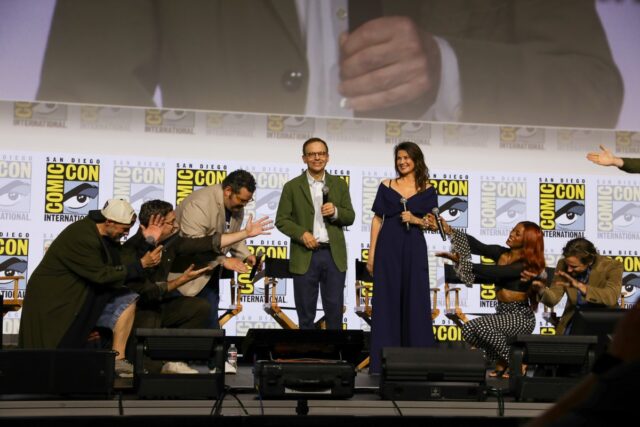
Perhaps the most surprising revelation at SDCC was the panel for Spaceballs: The New One. In a stroke of brilliant marketing, the studio held a panel that satirized the hyper-extravagant presentations usually reserved for Marvel or DC films.
A Legacy Project Born of a Cold Call
The existence of this sequel is almost as funny as the film itself. Josh Gad, who co-wrote the script, famously pitched Mel Brooks on a cold call after watching the original 1987 film with his daughter during the pandemic. The resulting film is an ambitious, self-aware meta-commentary on the current state of "franchise fatigue."
The Plot and Cast
The synopsis explicitly mocks the obsession with reboots: the galaxy is under threat by a villain so lacking in original ideas that they have vowed to bring back the past—every last bit of it.
The cast is a dream for fans of the original. Mel Brooks will reprise his role as Yogurt via motion capture, with Rick Moranis returning as Lord Dark Helmet, Bill Pullman as Lone Starr, and Daphne Zuniga as Queen Vespa. They are joined by a new generation, including Lewis Pullman as Prince Starburst and Keke Palmer as Destiny. Josh Gad will step into the shoes of a "mawg," honoring the spirit of the late John Candy.

Spaceballs: The New One is scheduled for theatrical release on April 23, 2027.
Implications for the Industry
The diversity of these projects—ranging from high-fantasy epic storytelling to meta-comedic satire and noir-infused sci-fi—reflects a maturing streaming market. Studios are moving away from "content for content’s sake" and toward legacy-building.
By leveraging established IP with strong creative visions, these projects seek to do more than just generate clicks; they aim to create cultural touchstones. Whether it is the visual mastery of Blade Runner 2099, the narrative scale of Rings of Power, the procedural depth of Lanterns, or the irreverent nostalgia of Spaceballs, the next two years of television and film are poised to be a battleground of high-concept, high-budget creative ambition. As these stories unfold, the industry will be watching closely to see which of these gambles pays off in the long run.
