

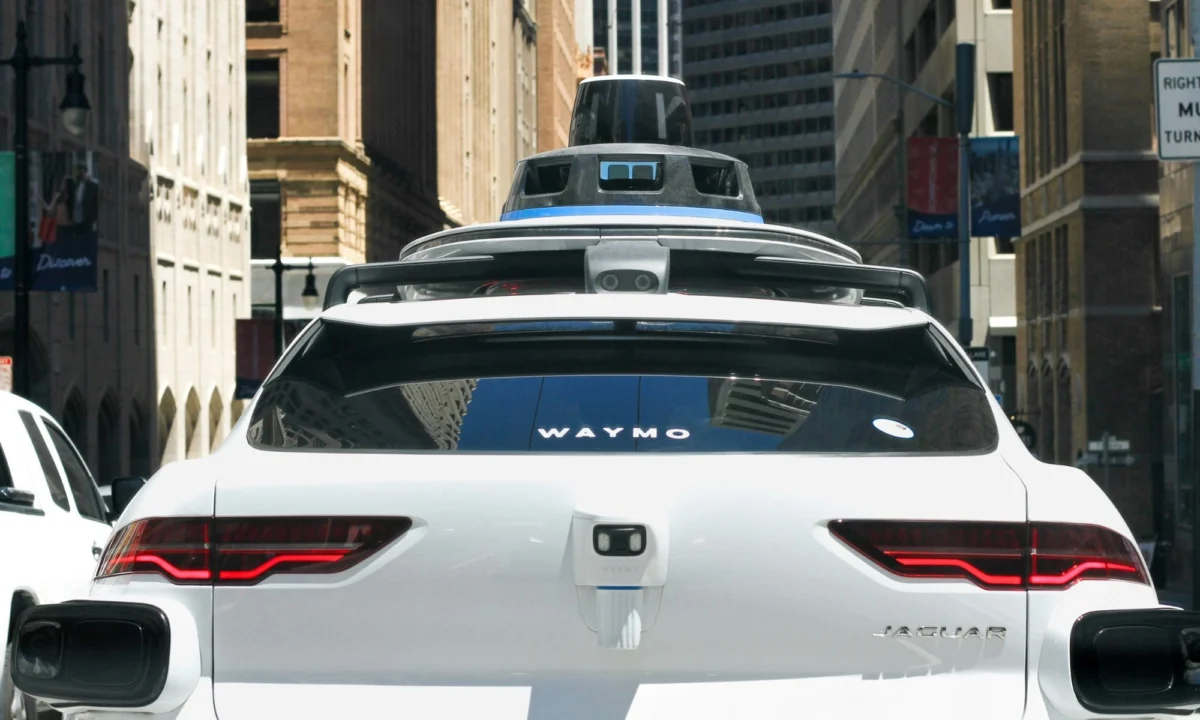
In the bustling streets of Austin, Texas, a new kind of urban friction is emerging. It isn’t the typical gridlock caused by rush-hour commuters or the erratic maneuvers of distracted human drivers. Instead, it is the quiet, systematic presence of Waymo’s autonomous fleet, which has recently found itself at odds with municipal parking enforcement. Since the company’s expansion into the city in 2024, Waymo vehicles have accumulated $9,325 in parking citations—a figure that, while financially negligible for a subsidiary of Alphabet, serves as a significant bellwether for the challenges facing autonomous vehicle (AV) deployment at scale.
The Anatomy of an Autonomous Violation
City records recently obtained by The Wall Street Journal offer a granular look at how these robotaxis interact with urban infrastructure. Across 83 recorded citations, the data reveals a recurring pattern: these are not isolated incidents of a single confused vehicle. Rather, they highlight a systemic issue in how the fleet’s software interprets and executes parking protocols.
The most frequent offender in the data set is the "tow-away zone" violation, which accounts for 64 of the 83 citations. When a human driver parks in a prohibited zone, it is often a matter of convenience or poor judgment. When a Waymo vehicle does it, it is a matter of programming. These repeat offenses suggest that the underlying navigation and decision-making logic governing where these vehicles pull over to pick up or drop off passengers is fundamentally misaligned with local signage and municipal parking ordinances.

Other citations include standard urban parking infractions: expired meters, double parking, and, most notably, the occupation of spaces reserved for individuals with disabilities. One particularly egregious incident resulted in a $519 penalty, highlighting that even as the technology grows more sophisticated, the "last mile" of passenger interaction—where the vehicle comes to a stop—remains a persistent bottleneck.
A Chronology of Conflict
The arrival of Waymo in Austin was met with both excitement and skepticism. As the fleet grew in density throughout 2024 and 2025, the novelty of driverless cars began to clash with the practical realities of a growing city.
- Early 2024: Waymo begins active operations in Austin, introducing a driverless ride-hailing service to the public. Initial months see a "honeymoon phase" characterized by high curiosity and relatively low interaction with local law enforcement.
- Late 2024: As the fleet size increases, parking enforcement officers begin noting a rise in citations issued to vehicles without human occupants. The lack of a driver to engage with creates immediate complications for municipal staff, who are accustomed to addressing parking violations through face-to-face interaction.
- 2025: The frequency of citations stabilizes at a level that catches the attention of city officials. The accumulation of over $9,000 in fines sparks internal reviews by Waymo, as the company attempts to balance its algorithmic "politeness" with the rigid, often nuanced, rules of city curbsides.
- Present Day: The discourse has shifted from individual fines to a broader debate regarding the scalability of autonomous services. The issue is no longer about a few bad parking jobs; it is about how to manage a fleet that behaves as a collective entity rather than a group of independent agents.
The Algorithmic Dilemma: Why the Cars Keep Stopping There
To understand why these vehicles struggle with parking, one must look at the way they process the world. Autonomous vehicles rely on a combination of high-definition maps, sensor fusion (LiDAR, radar, and cameras), and machine learning models to determine safe stopping zones.

The issue arises when "static" data—the digital map that informs the car where it can legally park—fails to account for "dynamic" reality, such as temporary tow-away signs, faded paint, or context-specific parking restrictions that change based on the time of day. While a human driver can instantly parse a hand-painted sign or a temporary construction notice, an AV is often tethered to its pre-loaded map data. If the map says "parking allowed," the vehicle may struggle to override that instruction based on a visual cue that it either ignores or fails to classify correctly.
This represents a classic "system-level" failure. A single human making a parking error is a nuisance; a fleet of hundreds of cars potentially making the same "logical" error due to a shared software update is an operational crisis. If the algorithm is flawed, every car in the fleet is susceptible to the same mistake until a patch is deployed.
The Regulatory Response and Municipal Limitations
Austin’s municipal government finds itself in a unique position. Unlike a human driver, who can be issued a ticket, ordered to appear in court, or have their license points docked, a robotaxi presents a different enforcement challenge. While Austin’s parking enforcement officers can issue civil penalties, the efficacy of these fines is limited.
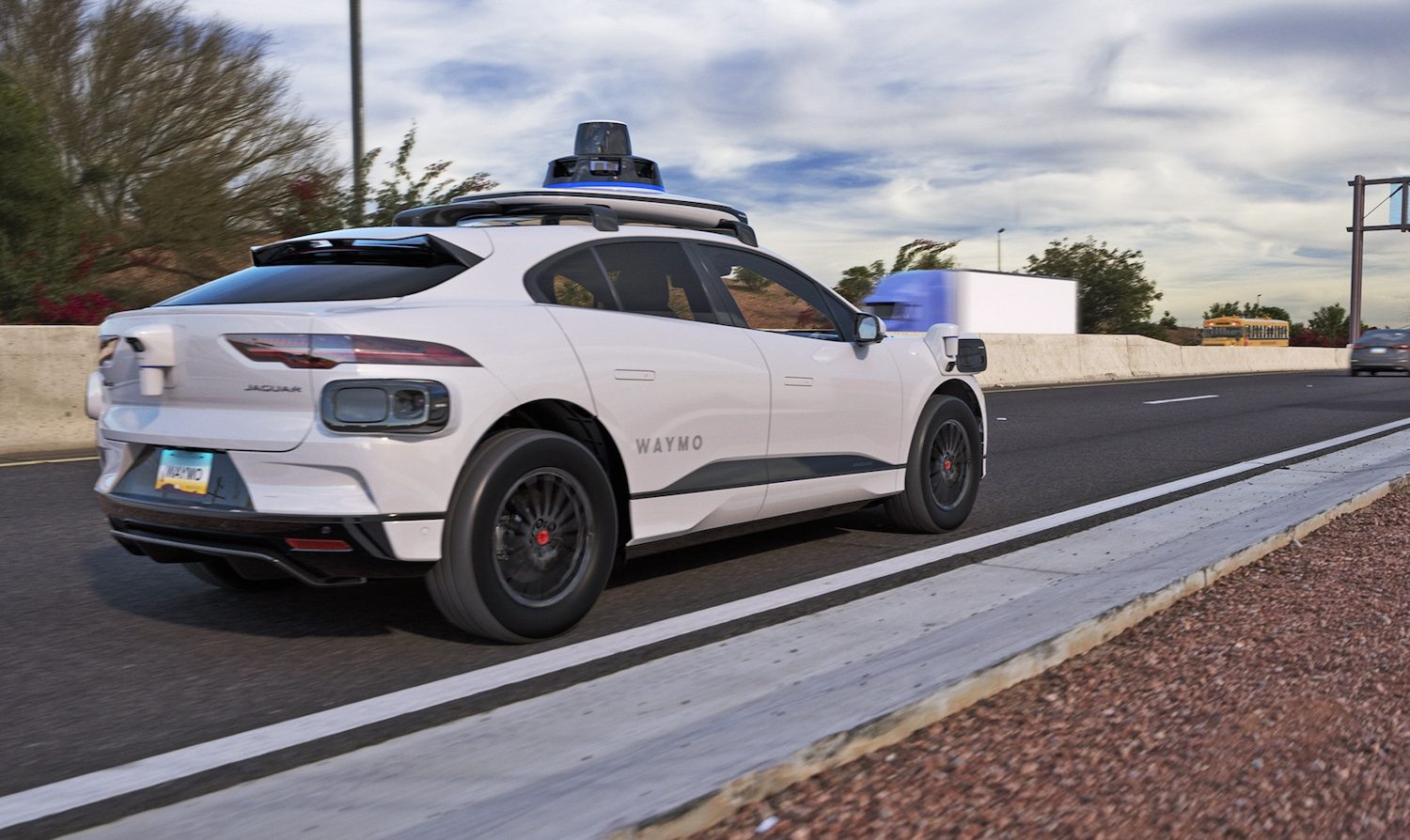
For a company like Waymo, $9,325 is essentially a cost of doing business—an administrative line item rather than a deterrent. Furthermore, the process of contesting these tickets, which Waymo frequently does, creates an additional administrative burden for city courts. When a vehicle is towed or ticketed, there is no "operator" to move it, creating an immediate traffic obstruction that requires manual intervention from Waymo’s remote operations team.
City officials and residents alike have begun to call for more robust oversight. The ability for citizens to report blocked roads or illegal stops is a start, but it relies on reactive, rather than proactive, enforcement. The question remains: how can a city regulate an entity that does not respond to traditional social or legal pressures in the same way a human driver does?
Safety vs. Convenience: The Bigger Picture
It is essential to distinguish between parking incompetence and driving safety. According to an analysis by the Insurance Institute for Highway Safety (IIHS), Waymo vehicles have demonstrated a superior safety record compared to human-driven cars in the same environments. In terms of collision rates, injuries, and near-misses, the autonomous fleet is statistically safer.

However, safety and compliance are not synonymous. A car can be remarkably proficient at avoiding a crash while being equally proficient at causing traffic congestion by blocking a bus lane or parking in a disabled spot. This dichotomy presents a public relations challenge for Waymo. If the public perceives these cars as "bad neighbors"—even if they are "safe neighbors"—the social license to operate may be at risk.
Future Implications: The Path Toward Integration
As Waymo continues to scale its operations across more cities, the lessons learned in Austin will be critical. The company is currently tasked with a massive software engineering challenge: creating a "curb-aware" intelligence that can handle the nuance of local regulations in real time. This involves not only better mapping but also the integration of real-time visual processing that can prioritize signage over static database information.
Furthermore, the relationship between AV companies and municipal governments must evolve. Rather than a purely adversarial "fine-based" system, the future may require data-sharing agreements where cities provide real-time updates on parking restrictions directly to AV fleets, ensuring that the vehicles are aware of changes before they even approach a curb.
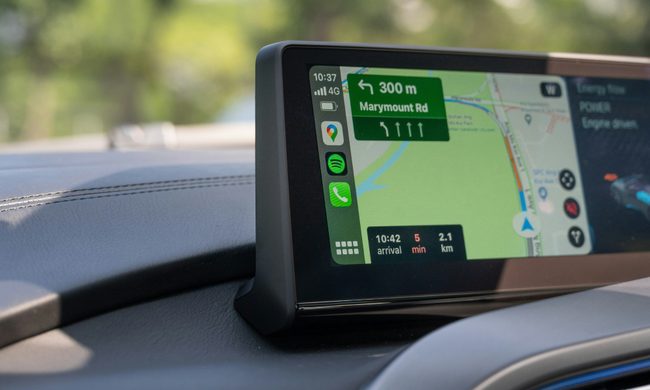
Ultimately, the accumulation of parking fines in Austin is not a sign of failure, but rather a sign of transition. We are moving from a world where parking is an intuitive, human-led activity to one where it is a data-driven protocol. The transition will be messy, marked by thousands of minor infractions and bureaucratic headaches. But if Waymo and other autonomous developers can solve the problem of where to stop, they will have cleared one of the final hurdles in the long, complex journey toward full, fleet-wide autonomy.
For now, the parking tickets continue to mount—a quiet, mechanical reminder that even the most advanced artificial intelligence still has a lot to learn about the complexities of a city street.
