

Following the enthusiastic response to her recent community garden tour, Washington-based gardener Lila has opened her gates once more to provide an intimate, behind-the-scenes look at the thriving ecosystem she has cultivated in Mill Creek. Her garden serves as a masterclass in temperate-climate horticulture, balancing the challenges of shade-heavy environments with the vibrant, life-sustaining requirements of a local pollinator sanctuary.
The Main Facts: A Portrait of Pacific Northwest Horticulture
Lila’s garden, situated in the verdant landscape of Mill Creek, Washington, is a testament to the versatility of shade gardening. Rather than viewing the deep canopy of mature trees as a limitation, Lila has embraced the shifting light, creating a tiered landscape that maximizes visual interest while supporting local biodiversity.
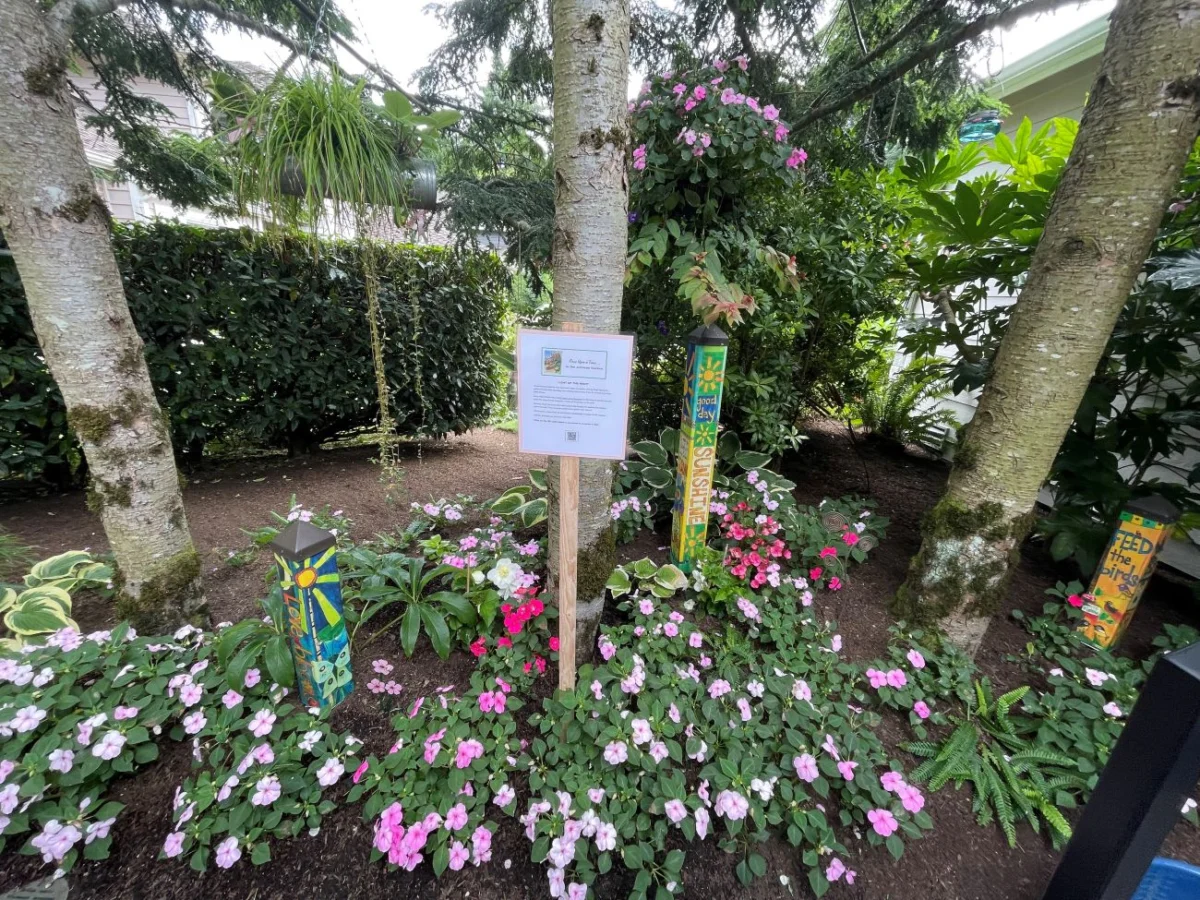
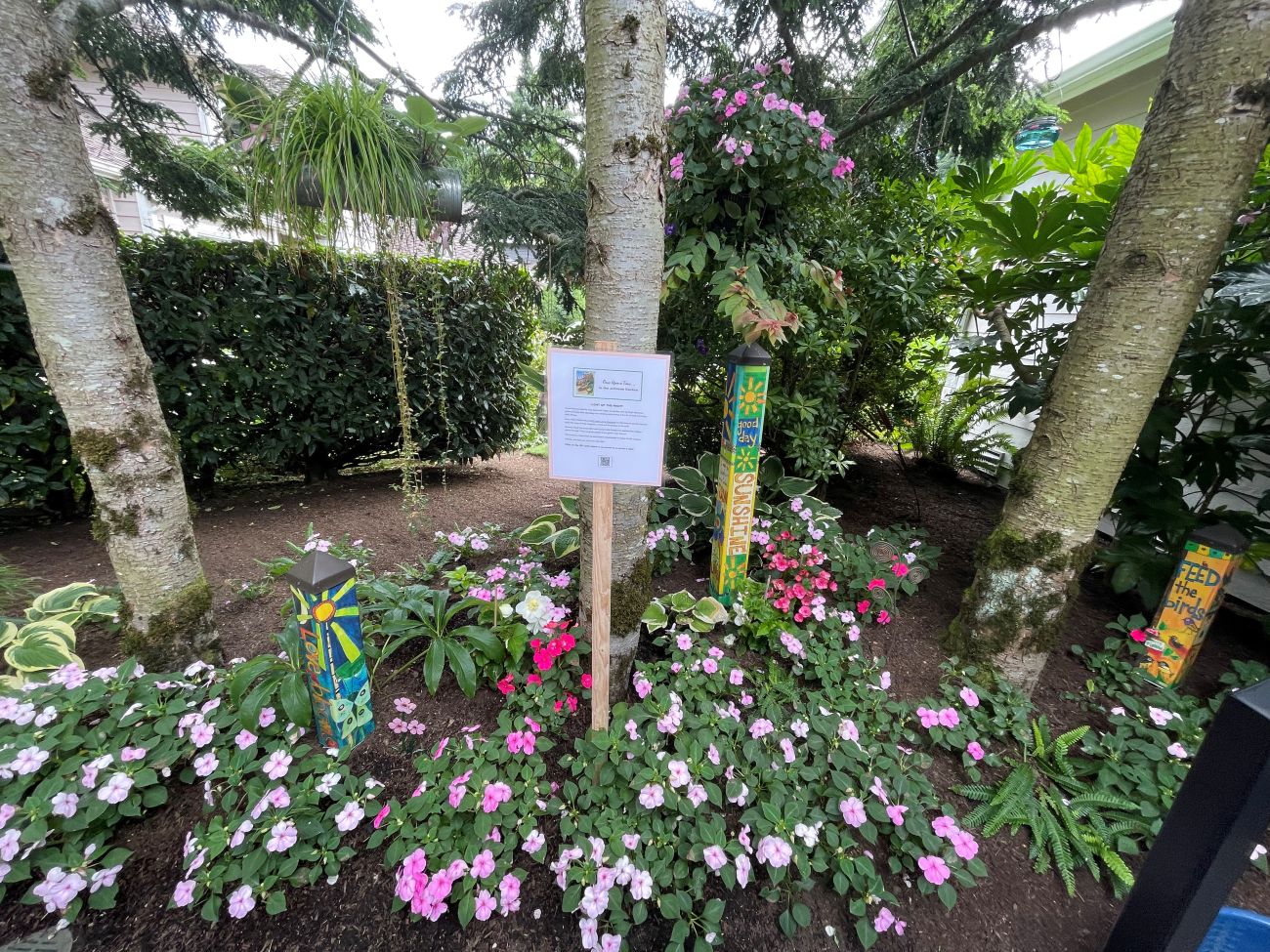
The garden is defined by its strategic layering. By utilizing diverse plant structures—from low-growing groundcovers like Hosta to structural shrubs like Fatsia japonica—she has created a "woodland room" effect. This approach not only provides a serene atmosphere for the homeowner but also establishes microclimates that protect delicate species from the harsher elements of the Pacific Northwest climate. The integration of hardscape elements, such as the patio-adjacent arbor and the informative QR-coded storyboards, signals a garden designed for both personal reflection and public education.
Chronology of a Season: Capturing the Bloom
The documentation provided by Lila captures the garden in the immediate aftermath of her community tour—a time when the perennials are reaching their seasonal crescendo.
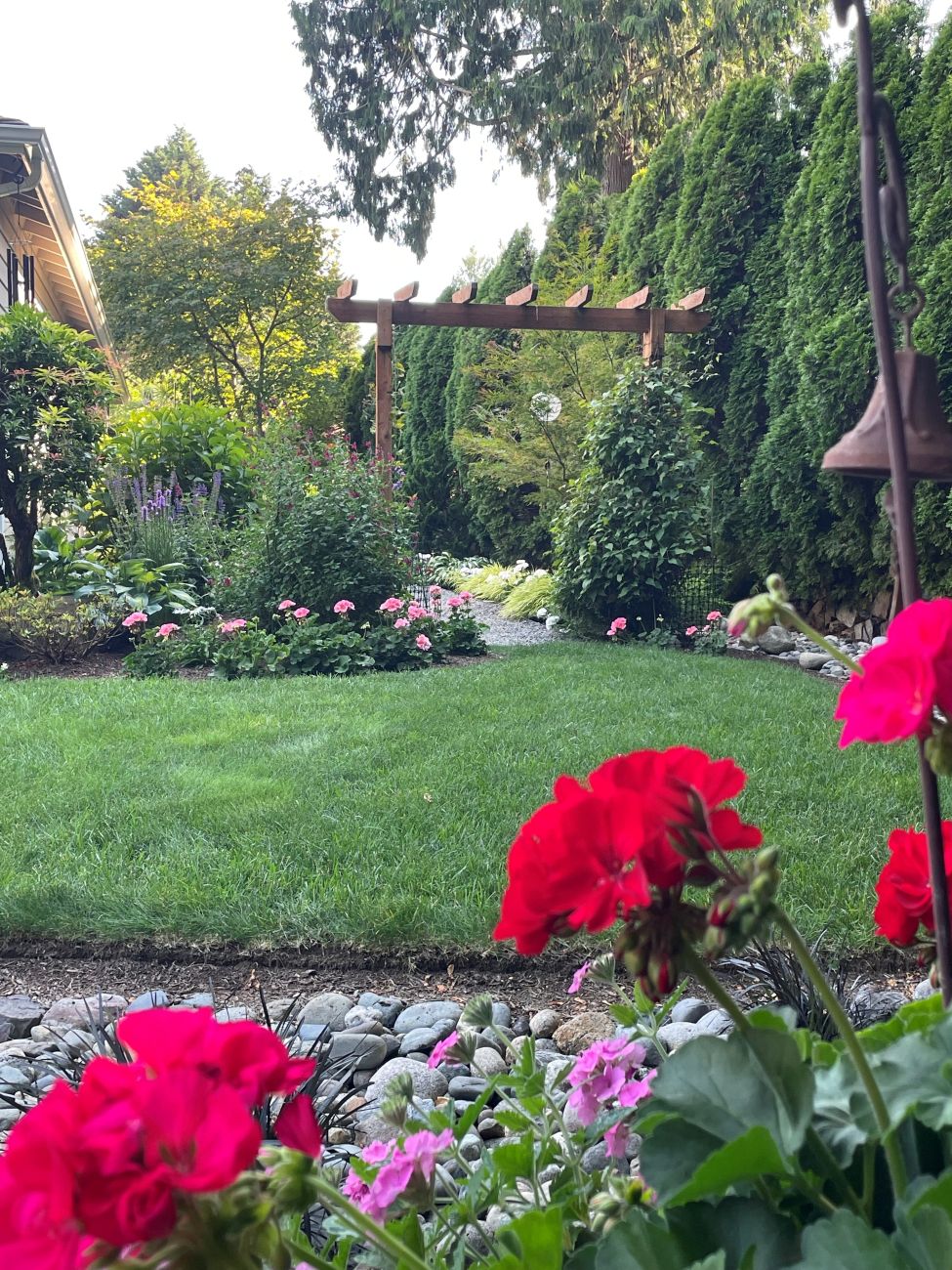
- Early Summer Preparation: Before the tours commenced, the focus remained on structural integrity. The Pelargonium × hortorum (zonal geraniums) were trained to frame the primary garden path, creating a botanical threshold between the residential space and the wilder, woodland-themed butterfly garden.
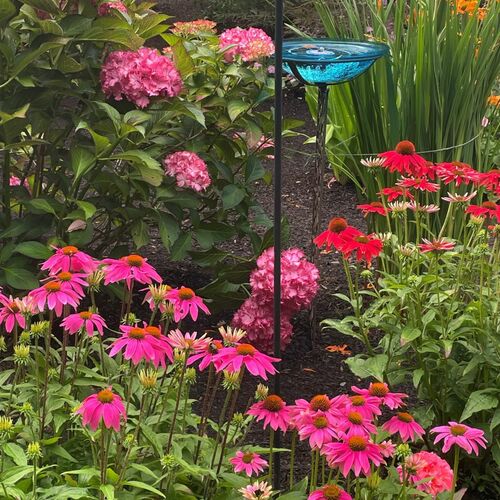
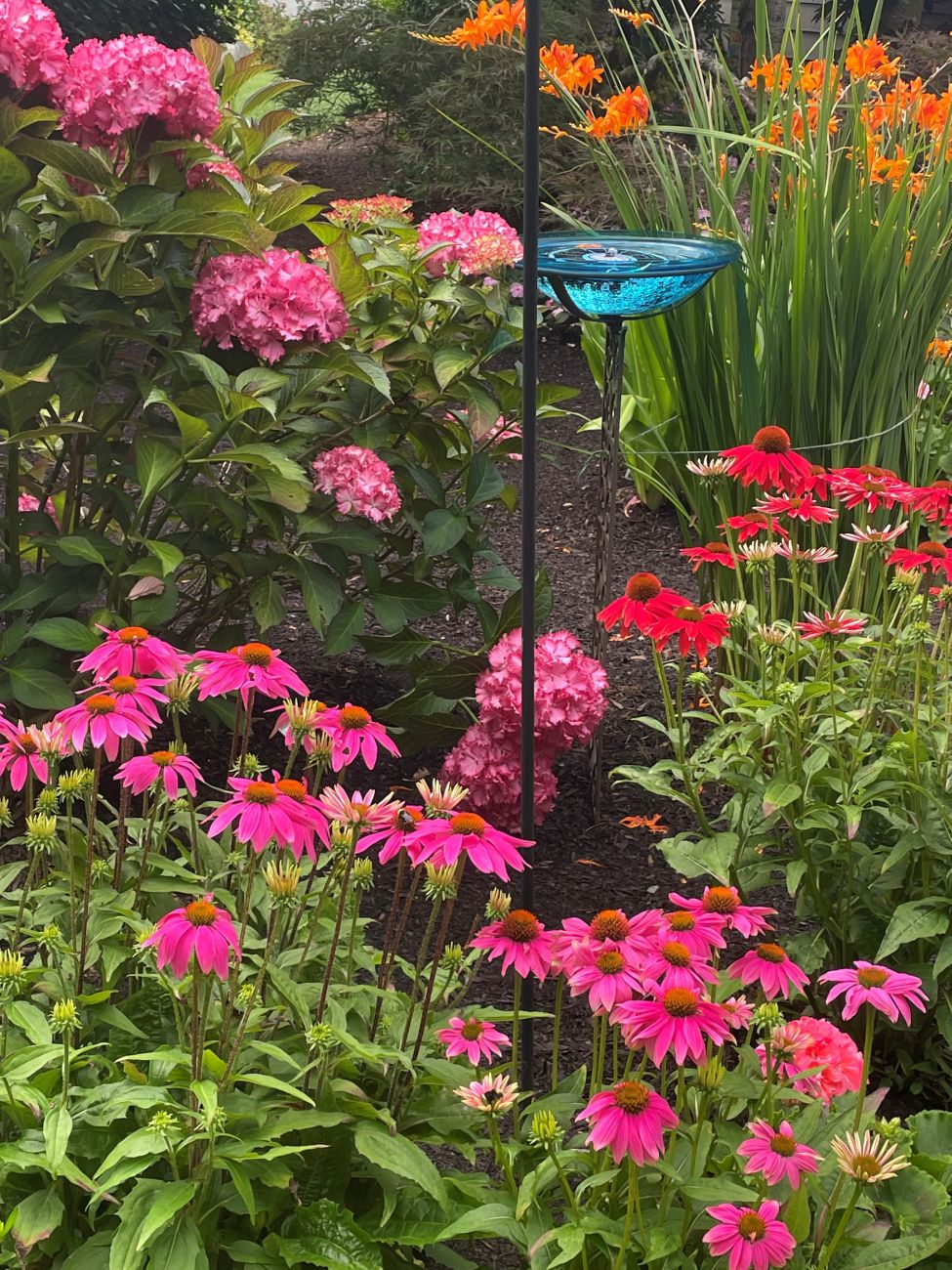
- The Peak Tour Phase: During the mid-summer tour, the garden showcased the height of its color palette. The interplay between the Echinacea purpurea (coneflowers) and the fiery, exotic tones of Crocosmia provided a striking contrast against the backdrop of the Seaside Serenade ‘Hortfire’ bigleaf hydrangeas.
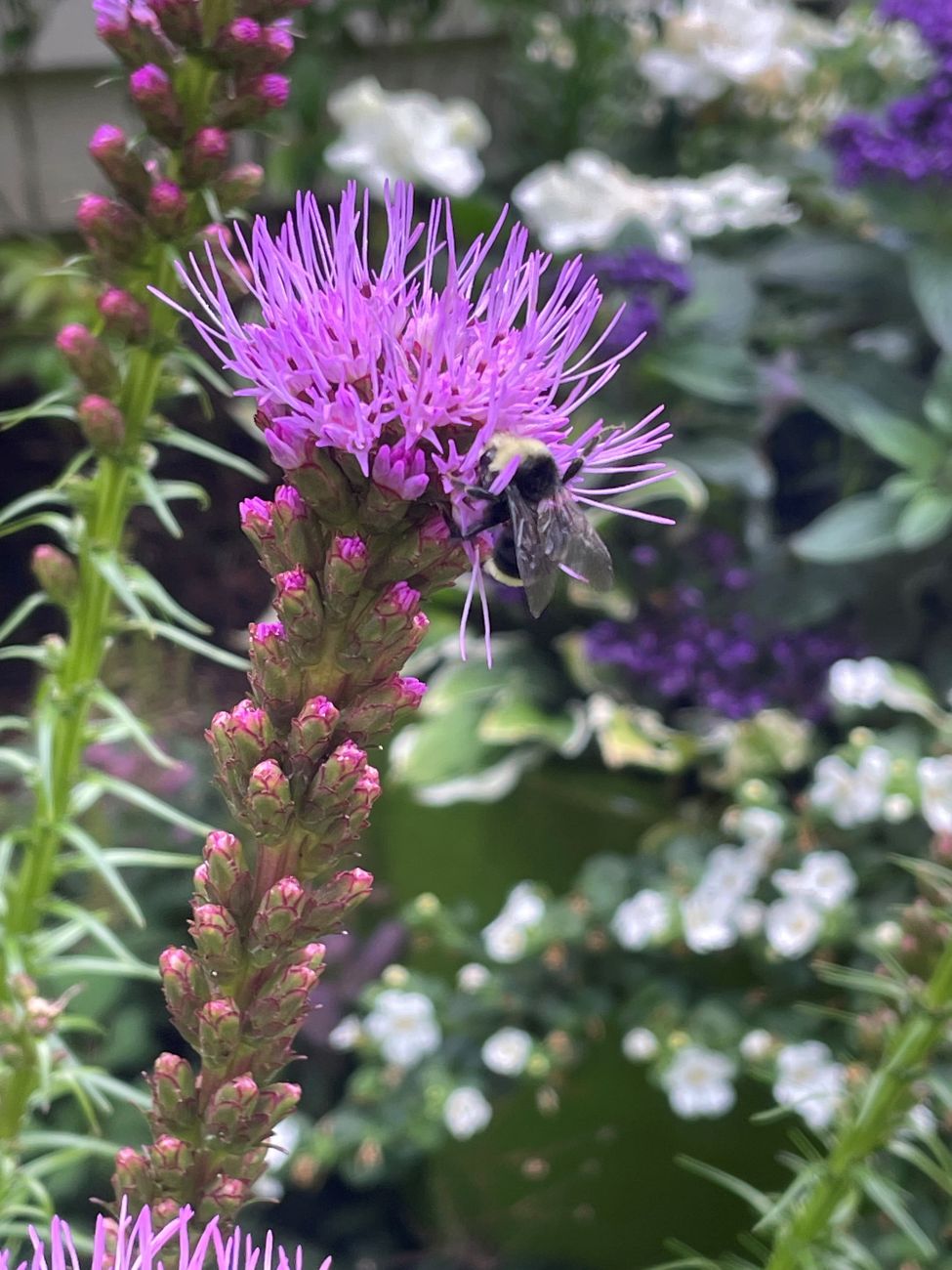
- The Post-Tour Reflection: The days following the event served as a quiet period of observation. It was during this time that the garden’s role as a biological corridor became most apparent, with increased sightings of Liatris spicata (blazing star) acting as a primary refueling station for local bumblebee populations.
Supporting Data: The Botanical Composition
To achieve this level of horticultural success, Lila relies on a carefully curated selection of plants chosen for their hardiness and ecological function. The following inventory outlines the core species that constitute her Mill Creek landscape:
The Shade-Loving Foundation
The areas beneath the mature trees are dominated by shade-tolerant varieties that thrive in moist, cool conditions:
- Hosta (Zones 3–9): Used as a textural anchor for the woodland floor.
- Impatiens walleriana: Providing consistent, reliable color in the darker corners of the patio.
- Struthiopteris spicant (Deer Fern, Zones 5–8): Offering a primitive, architectural aesthetic.
- Fatsia japonica (Japanese Aralia, Zones 7–10): Adding a tropical, bold-leafed contrast to the more delicate ferns.
- Pieris japonica (Japanese Andromeda, Zones 5–8): Serving as a multi-seasonal shrub that provides early-season interest.
The Pollinator-Driven Border
The butterfly garden area is designed with a specific focus on nectar-rich species:
- Echinacea purpurea (Zones 3–8): A staple for attracting bees and butterflies.
- Crocosmia (Zones 5–9): Known for its ability to draw hummingbirds with its tubular, vibrant flowers.
- Liatris spicata (Zones 3–8): An essential vertical element that acts as a beacon for pollinators.
Official Perspectives: The Gardener’s Philosophy
When asked about the driving force behind her garden’s design, Lila emphasizes the importance of community connection. Her use of storyboards with QR codes is not merely decorative; it is a deliberate effort to turn a private backyard into an interactive learning experience. By bridging the gap between digital information and organic growth, she invites visitors to learn about the specific zoning and care requirements of each plant, effectively demystifying the process of successful gardening for her neighbors.
The inclusion of "peace poles" and thoughtfully placed hanging baskets reflects a philosophy that a garden should be a sanctuary for the spirit as much as it is a habitat for insects and birds. Her work suggests that the most successful gardens are those that evolve in partnership with the local climate, rather than in opposition to it.
The Implications: Why Community Gardens Matter
The ripple effect of a project like Lila’s is significant. By opening her gates to the community, she fosters a culture of horticultural literacy.
- Biodiversity Conservation: By planting for pollinators, Lila’s garden functions as a critical link in the local ecological chain. As urbanization continues to fragment natural habitats, private gardens act as essential refuges.
- Climate Adaptation: Her successful use of plants native to specific hardiness zones (such as the Pacific Northwest-friendly Pieris and Fatsia) serves as a template for local homeowners looking to reduce their reliance on water-intensive or high-maintenance exotic plants.
- Community Cohesion: The "Garden Tour" format encourages dialogue. It transforms the solitary act of gardening into a collective celebration of regional beauty, encouraging others to participate in the "Garden Photo of the Day" movement and share their own successes and failures.
Looking Ahead: The Future of Your Garden
As the seasons shift, the conversation continues. The documentation of gardens across the country remains a vital aspect of horticultural preservation. Whether it is a small collection of containers on a balcony or an expansive woodland plot, every garden contributes to the broader narrative of environmental stewardship.
How to Join the Conversation
The community invites all enthusiasts to participate. If you have captured the growth of your own perennials, the success of a newly established butterfly bed, or the unique character of your backyard, the submission process is straightforward. By providing 5–10 photos and a brief narrative regarding your location, years of experience, and personal anecdotes, you can help document the diverse gardening landscape of our nation.
For those looking to elevate their own outdoor spaces, expert resources continue to be available. From the structural elegance of Veradek Corten Steel Planters—which bring a modern, industrial touch to the garden—to the educational depth provided by texts such as The Nature of Oaks by Doug Tallamy, there is an abundance of tools to assist in your next project.
Ultimately, Lila’s garden in Mill Creek stands as a poignant reminder that while we may plant individual seeds, the impact of our gardens grows far beyond the fence line. It is a collective, living project—one that invites us all to look closer, plant with intention, and share the beauty that emerges from the soil.
