

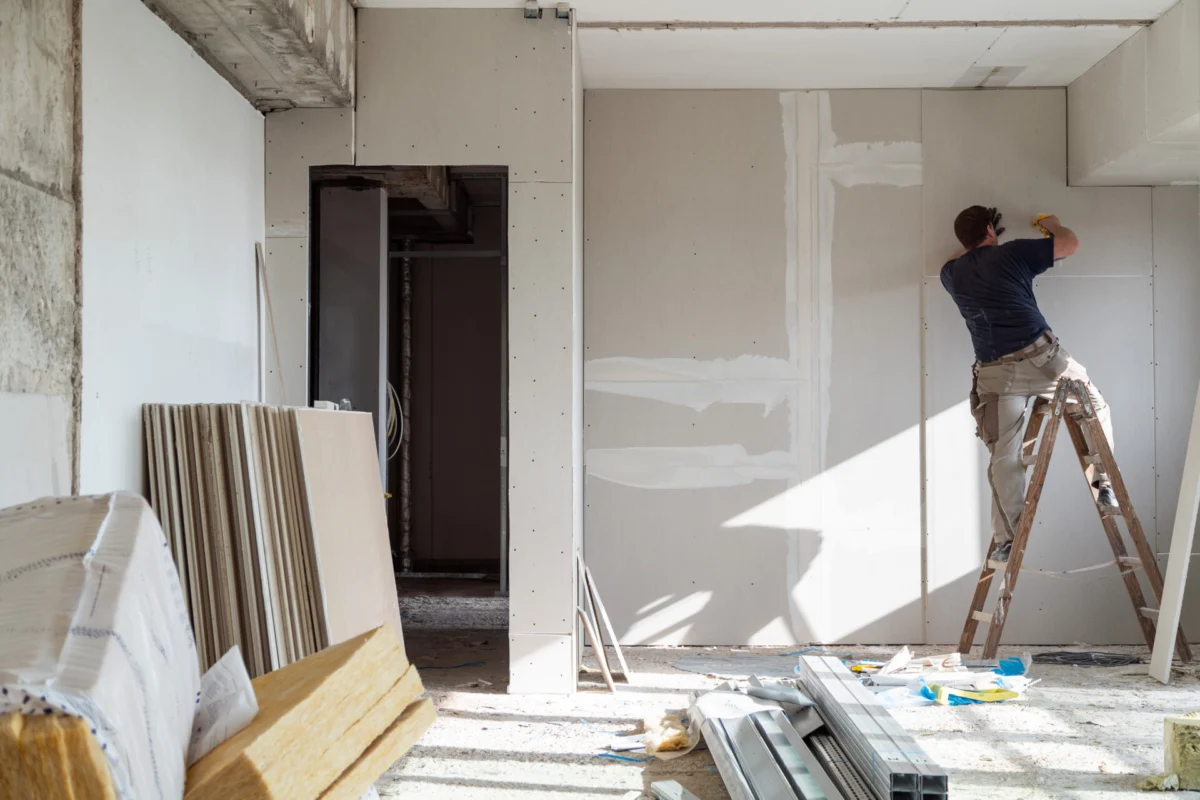
For millions of American homeowners, the dream of a kitchen remodel, a new deck, or an energy-efficient HVAC upgrade is colliding with a sobering economic reality: the cost of building materials is once again on an upward trajectory. As the housing market navigates a complex landscape of supply chain volatility and shifting trade policies, the "do it yourself" or "hire a pro" calculus is becoming increasingly difficult to balance.
For those planning renovations this year, timing has emerged as the most critical variable. With wholesale prices rising and the looming threat of new tariffs further straining supply chains, the window for cost-effective home improvement is narrowing. If you are currently drafting a budget for a renovation, the data suggests that delay is no longer a neutral strategy—it is a financial risk.
The Data Behind the Cost: Analyzing the PPI
To understand the current volatility, the research team at Today’s Homeowner conducted a comprehensive analysis of the Producer Price Index (PPI), a metric maintained by the Bureau of Labor Statistics (BLS). By tracking wholesale costs from 2020 through April 2025, we have identified a clear, upward trend that signals higher retail costs for the average consumer.
While the PPI reflects the wholesale prices paid by manufacturers and suppliers—not necessarily the final sticker price at your local big-box hardware store—it serves as a reliable leading indicator. When wholesale costs rise, those expenses are inevitably passed down the supply chain, landing squarely on the shoulders of homeowners and contractors.
A Chronology of Escalation: From 2020 to 2025
The renovation market has been on a rollercoaster for the better part of half a decade. Following the initial shocks of the pandemic, the construction industry saw historic price spikes that left many homeowners reeling.
- 2021–2022 (The Peak Surge): The industry witnessed an average 17.0% increase in material costs, a period characterized by extreme supply chain bottlenecks and unprecedented demand.
- The Preceding Year: 2020 saw a 16.2% rise as the market began to adjust to a new global economic paradigm.
- Early 2025 (The Current Trend): While the runaway inflation of the early 2020s has slowed, the market is far from stable. Data from the first four months of 2025 indicates a consistent 1.7% increase in renovation materials, suggesting that the "new normal" is one of steady, persistent growth rather than stabilization.
Core Materials: The "Bones" of Your Home are Getting Costlier
Every renovation, regardless of size, relies on foundational materials. Unfortunately, these "core" components—lumber and metal—are seeing significant upward pressure.
The Lumber Market Rebound
After a period of relative decline between 2020 and 2024, lumber prices have begun a sharp reversal. Since April 2024, softwood lumber has seen an 8.6% increase, while hardwood lumber has climbed by 4.8%. For anyone planning structural additions or flooring replacements, these costs are becoming a significant line item in project estimates.
The Metal Conundrum
Perhaps the most vocalized frustration among contractors today involves metal-based products. "Right now, anything with metal in it is a pain," notes Jordan Fleming, owner of That HVAC Guy & Plumbing in Wyndmoor, Pennsylvania. "Aluminum and steel prices are up, and those are the bones of almost every HVAC system."
The statistics support Fleming’s observations. Aluminum mill shapes—essential for modern windows and garage doors—have surged by 17.9%. Meanwhile, copper and brass components, which are non-negotiable for plumbing and electrical wiring, have risen by 7.0%. These price hikes are not isolated to luxury items; they impact the essential infrastructure of the modern home.
Secondary Essentials
Beyond framing and metals, common renovation materials have also seen price appreciation:
- Concrete Products: Up 2.3%
- Roofing Materials (Asphalt, Tar, Cement): Up 1.2%
- Cut Stone (Granite/Marble): Up 1.5%
- Drywall and Insulation: Both rising just under 4%
Specialized Materials and the "Tariff Effect"
While basic materials are rising, specialized components—particularly those used for aesthetic or exterior upgrades—have seen even steeper spikes.
Since April 2024, steel and aluminum fencing materials have jumped by 16.7%. Looking at the long-term trend, these specific materials are 55% more expensive today than they were in 2020. Electrical components have seen the most drastic long-term change: power wires and cables have skyrocketed by 127.5% since 2020, with a 7.0% year-over-year increase.
These trends are heavily influenced by the shifting political and trade landscape. The threat of new tariffs under the current administration has created a climate of uncertainty that manufacturers are already pricing into their wholesale costs. As Todd Stephenson, co-founder of Roof Quotes in Austin, Texas, explains, "Tariffs might seem like a policy issue, but they’re hitting budgets hard and changing how people plan home improvements."
Expert Strategies for Managing Rising Costs
In this high-cost environment, homeowners are forced to become more strategic. Industry professionals offer three key pieces of advice for those looking to survive the current market.
1. The "Lock-In" Strategy
"Even a two-week delay can cost 5% to 8% more," says Danny Niemela, vice president of ArDan Construction in Scottsdale, Arizona. His firm’s strategy is simple: once a material list is finalized, order everything immediately. In an inflationary environment, holding onto cash is often less beneficial than securing materials at today’s prices.
2. Prioritize Material Flexibility
When budgets are tight, homeowners must be willing to compromise on specific materials to keep the project on track. Nathan Mathews, CEO of Roofer.com, reports that his clients are increasingly opting for alternatives. "We had three Austin-area clients this quarter downgrade from architectural shingles to three-tab asphalt just to stay under a $10,000 limit," Mathews says. "When a 30-square roof jumps from $14,500 to $17,200 in four months, people adjust."
3. Seek Alternatives to Metal
Given the volatility of metal prices, homeowners should explore non-metal alternatives where possible. For instance, while steel and aluminum fencing have seen double-digit increases, wood fencing stock has remained stable. Choosing a different medium for a project can often yield the same aesthetic result without the premium price tag.
The Implications: What This Means for Your Home
The overarching takeaway from the 2025 BLS data is that the "wait and see" approach is becoming increasingly expensive. For the average homeowner, a renovation project is a significant investment in both equity and quality of life. However, failing to account for the current 1.7% to 17% growth in material costs can lead to mid-project budget collapses.
Homeowners should take the following steps before breaking ground:
- Consult Early and Often: Speak with your contractor about current supply chain lead times and price fluctuations for the specific materials you intend to use.
- Budget a Contingency: In a period of rising costs, a 10% contingency fund is no longer just a suggestion—it is a necessity.
- Review Quotes Regularly: If you receive a bid that is valid for 30 days, understand that the price may change if you wait until day 31 to sign.
Conclusion: A Proactive Approach
The cost of home improvement is a reflection of the broader global economy, influenced by everything from trade policy to manufacturing costs. While the double-digit, year-over-year spikes of 2021 are behind us, the current environment remains one of sustained pressure. By staying informed on the Producer Price Index, working closely with contractors to lock in pricing, and remaining flexible with material choices, homeowners can still achieve their renovation goals without breaking the bank. The key is to act with intention, plan for contingencies, and recognize that in the current market, time is quite literally money.
Methodology Note
This analysis was conducted by Today’s Homeowner using data sourced from the Bureau of Labor Statistics (BLS) Producer Price Index (PPI). Our researchers examined wholesale price trends for a broad spectrum of residential construction materials, ranging from basic lumber and concrete to specialized wiring, fencing, and plumbing fixtures. The findings reflect the most current available data through April 2025. All analysis is intended to serve as a directional indicator of market trends rather than a reflection of specific retail store pricing, which may vary by region, supply chain localism, and retailer markups.
