

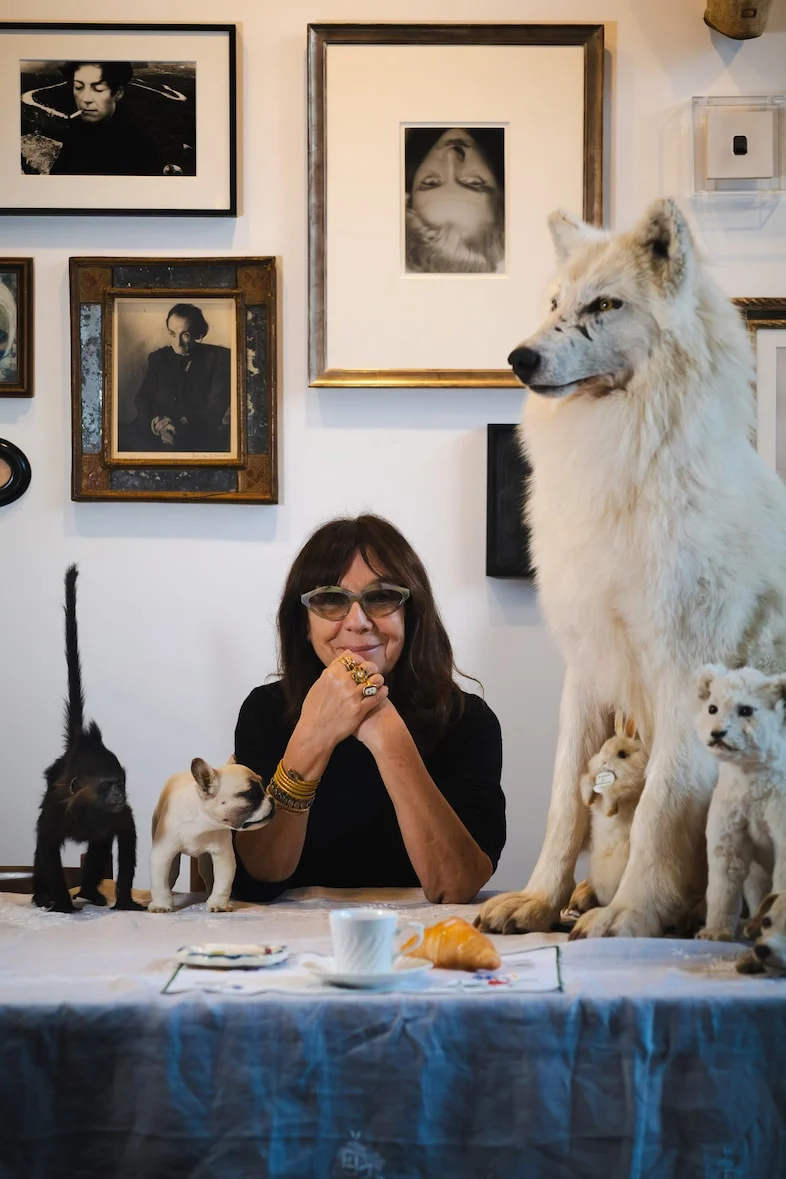
In the landscape of contemporary art, few figures possess the intellectual agility and emotional resonance of Sophie Calle. For over four decades, the French artist has blurred the boundaries between the private and the public, the mundane and the profound, turning the raw material of her own existence into intricate, often haunting, conceptual puzzles. As of October 2026, the seaside town of Margate is hosting Something Missing?, a sprawling exhibition at the Turner Contemporary that marks the artist’s first major institutional show in the United Kingdom in 15 years.
The exhibition is not merely a survey of her career; it is a meditation on the architecture of absence. By examining what is lost, what is hidden, and what is left unsaid, Calle invites viewers to reconsider the narratives we construct around our own lives.
Main Facts: The Architecture of the Invisible
Something Missing? brings together seminal works from Calle’s career, alongside new pieces that underscore her fascination with the void. The exhibition is grounded in the belief that absence is a potent, tangible presence.
Key works featured in the exhibition include:
- Hidden Picasso: A series created during the pandemic, featuring photographs of Pablo Picasso’s masterpieces as they were shrouded in protective coverings. Only the titles of the works remain visible.
- Catalogue Raisonné of the Unfinished: An inventory of the artist’s own unrealized projects, documenting the ideas she abandoned, forgot, or was unable to bring to fruition.
- The Blind (1986): A foundational work where Calle interviewed individuals who had been blind since birth, asking them to define beauty, then pairing their descriptions with portraits and objects.
- Voi La Mer (2011): A poignant filmic exploration of sight and discovery, documenting people in Istanbul seeing the ocean for the first time.
The exhibition serves as a retrospective of how Calle transforms grief into art, utilizing the “Proustian” method of transfiguring suffering into aesthetic inquiry.

Chronology: A Career of Voyeurism and Inquiry
To understand the weight of the Margate exhibition, one must view it through the lens of Calle’s lifelong commitment to documenting the human condition.
- 1979: Suite Vénitienne. Calle’s breakout project, involving the systematic trailing of a stranger across Venice. This established her signature style: the intersection of detective-like methodology and deeply personal obsession.
- 1986: The Blind. An early exploration of sensory perception and the subjectivity of beauty.
- 2007: Take Care of Yourself. A pivotal project where Calle invited 107 women to analyze a break-up letter she received, effectively "outsourcing" the emotional labor of heartbreak.
- 2023–2026: Catalogue Raisonné of the Unfinished. The realization of a long-term project cataloging the ghosts of her creative past.
- October 2026: Opening of Something Missing? at the Turner Contemporary, Margate.
Supporting Data: The Philosophical Underpinnings
Calle’s work relies heavily on the concept of "the surrogate." By asking others to interpret her pain, or by documenting the experiences of the blind, she removes herself from the center of the narrative.
The Psychology of Abandonment
The Catalogue Raisonné of the Unfinished is perhaps the most intellectually revealing aspect of the exhibition. It challenges the art world’s fetishization of the "masterpiece." By labeling projects as "unresolved" or "infernal," Calle gives dignity to the failure of ideas. Data from the exhibition’s accompanying notes reveals that the artist views these unfinished projects as a form of liberation. By documenting them, she stops the cycle of guilt associated with incomplete work and transforms the "missing" into a documented reality.
Sensory Displacement
In Voi La Mer, the data is primarily qualitative and emotional. The reaction of the elderly man seeing the sea—filmed from behind—highlights a specific technical choice Calle often makes. She frequently avoids the "gaze" of the subject, focusing instead on the physicality of their reaction. This serves to preserve the subject’s autonomy while allowing the viewer to project their own empathy onto the scene.
Official Responses and Curatorial Intent
The curatorial team at the Turner Contemporary has framed this exhibition as a vital dialogue between the artist and the viewer. The choice of Margate—a town defined by its own shifting relationship with the sea and memory—is not coincidental.
“Sophie Calle does not just create art; she creates systems of living,” says the lead curator of the exhibition. “By highlighting the things we miss—whether it is a famous painting under a sheet, an unrealized dream, or the sight of the ocean—she forces us to inhabit the space of the ‘missing.’ It is in that space that the most honest parts of ourselves reside.”
The artist herself remains characteristically enigmatic. During the exhibition preview, she declined to provide a set of "instructions" for living, as requested by fans and critics. Instead, she offered only her signature brand of deflection, signing a souvenir postcard with the cryptic message: "No instructions for Emily. Sophie Calle."
Implications: The Final Frontier
Perhaps the most startling revelation of the 2026 exhibition is Calle’s candid admission regarding her next project. Now 72, she has turned her gaze toward her own mortality. Having already chronicled the deaths of her parents and her pet cat, Calle is now viewing her own eventual passing as her final conceptual piece.
The Posthumous Work
The implications of this are profound. In the context of her career, this is the ultimate act of control. By transfiguring her own death into a work of art, she is applying the Proustian logic of the "grief-to-idea" transformation to its final, logical conclusion.
Whether this work will involve a pre-recorded revelation, a posthumous installation, or a set of instructions for her estate remains unknown. However, it signals a shift in contemporary art: the realization that the artist’s own existence is the ultimate medium.
Mastering Experience
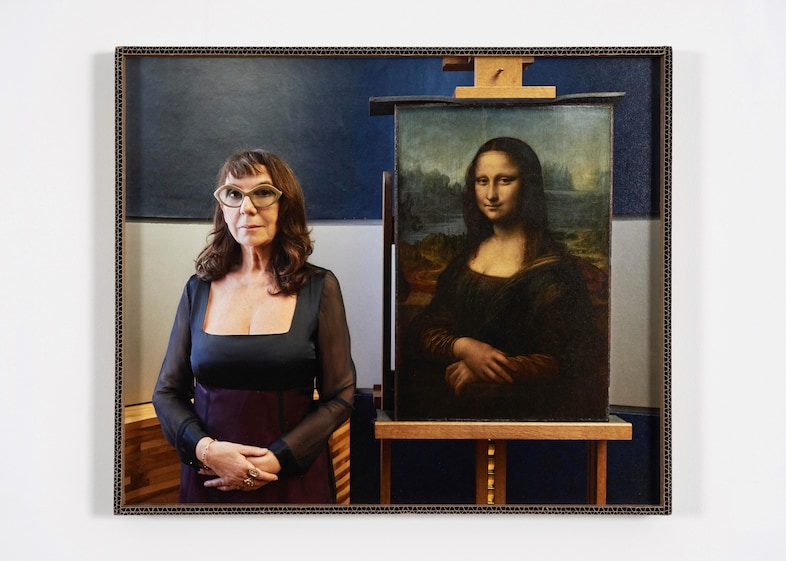
The central implication of Something Missing? is that art is a mechanism for survival. Calle’s insistence that telling and re-telling the story of a break-up or a loss transfigures the pain suggests that art is not a reflection of life, but a tool for managing it. For the viewer, this is a call to action. It suggests that we, too, can master our own experiences—our traumas, our mundane disappointments, and our unrealized dreams—by externalizing them and treating them with the same forensic curiosity that Calle applies to her subjects.
As the exhibition continues until January 2027, it serves as a testament to the idea that what is absent is often what defines us most clearly. By visiting the void, we do not find nothingness; we find the echoes of everything we have ever lost, and in that, we find a strange, comforting resolution.
Sophie Calle: Something Missing? is on show at the Turner Contemporary, Margate, until 24 January 2027.
