

Introduction: A Fragile Icon on the Brink
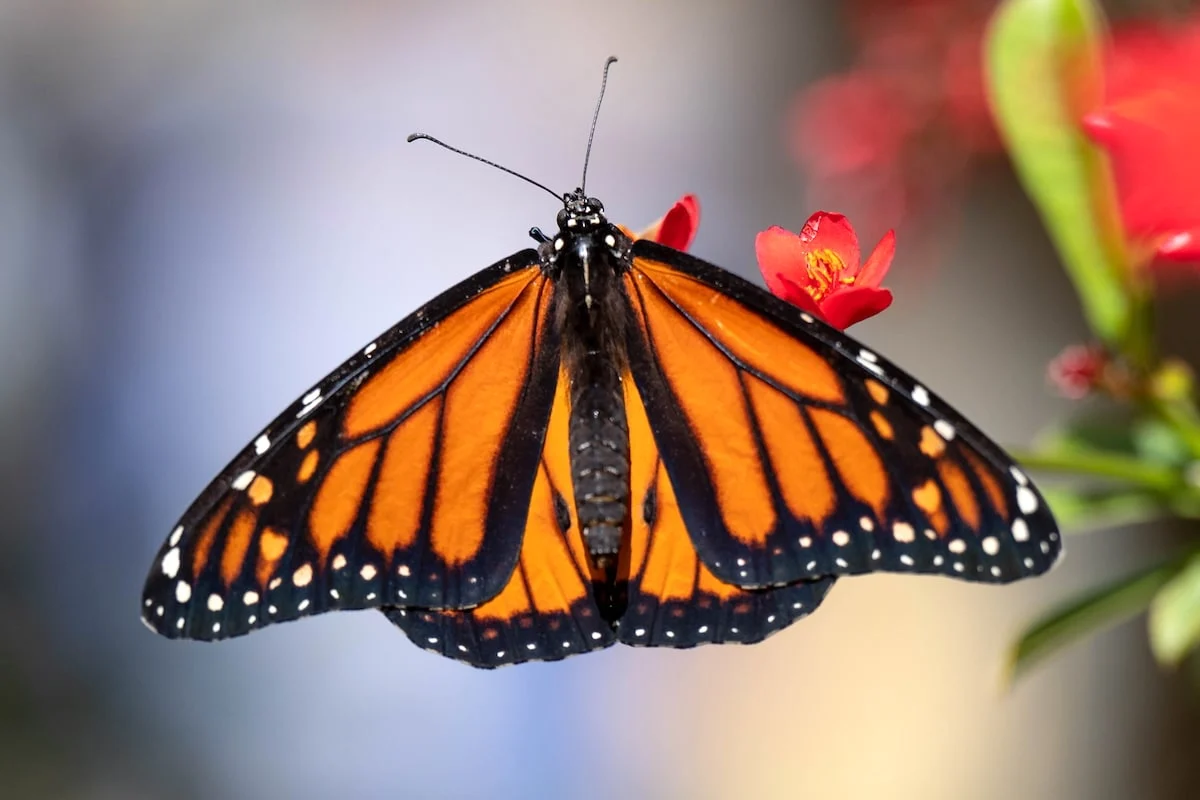
The Western monarch butterfly, an iconic traveler of the North American skies, is facing an existential threat that extends far beyond habitat loss and climate change. A landmark peer-reviewed study, published in the journal Environmental Toxicology and Chemistry, has provided the most definitive evidence to date linking chemical exposure to catastrophic mortality events. The research confirms that a mass die-off of monarchs at California’s Pacific Grove Monarch Sanctuary in January 2024 was caused by a lethal cocktail of pesticides, a discovery that underscores the extreme vulnerability of these pollinators as they navigate a landscape saturated with synthetic chemicals.
As the Western monarch population teeters on the edge of extinction—with estimates suggesting a 99% probability of collapse by 2080—this study serves as a clarion call for policy reform. The findings move the conversation from speculation to scientific certainty: our current agricultural and urban pest management practices are actively driving a species toward its demise.
The 2024 Pacific Grove Incident: A Chronology
The crisis began in January 2024, when observers at the Pacific Grove Monarch Sanctuary—a critical overwintering site—discovered a harrowing scene: hundreds of dead and dying butterflies scattered across the forest floor. The discovery was particularly alarming because these sanctuaries are intended to be "refuges," providing the necessary climate stability for the monarchs to survive the winter months.
- Initial Discovery (January 2024): Researchers and sanctuary staff observed an unusual number of fatalities. The scale of the loss prompted an immediate investigation by the Xerces Society for Invertebrate Conservation.
- Sample Collection and Analysis: To determine the cause, the research team conducted a rigorous analytical process. Using advanced liquid and gas chromatography and mass spectrometry, scientists examined the tissue of the deceased butterflies.
- The Scientific Consensus: The resulting study, led by the Xerces Society, confirmed that the monarchs had been exposed to a complex mixture of chemical agents, effectively confirming the "toxic cocktail" hypothesis that had previously been anecdotal.
- Ongoing Surveillance: Following the 2024 event, monitoring efforts have intensified to ensure that similar chemical-induced mortality events are identified and documented, providing the data necessary for future legal and conservation advocacy.
Supporting Data: A Toxic Cocktail
The laboratory results were stark. The researchers detected an average of seven distinct pesticides per individual butterfly. This exposure profile included a blend of insecticides, herbicides, and fungicides.
The Lethal Trio
The study identified three specific human-made pyrethroid insecticides—bifenthrin, cypermethrin, and permethrin—as primary culprits. These chemicals were found at or near lethal doses in the samples.
- Bifenthrin and Cypermethrin: These were present in every single butterfly tested, marking them as ubiquitous contaminants within that specific environment.
- Permethrin: Found in all but two of the sampled butterflies, further cementing the role of pyrethroids in the mortality event.
The presence of such a high concentration of neurotoxic chemicals suggests that the butterflies were subjected to a concentrated pulse of toxins, likely through a combination of direct spray drift or the ingestion of contaminated vegetation near the sanctuary.
Official Responses and Expert Analysis
Staci Cibotti, the study’s lead author and a pesticide risk prevention specialist at the Xerces Society, emphasized the gravity of the findings. "We found an average of seven different pesticides per butterfly, including multiple insecticides that are highly toxic to insects," she stated. While local reviews by Monterey County officials were unable to definitively pinpoint a single source for the chemicals, the concentrations discovered leave little room for doubt regarding the cause of death.
A Widespread Threat
In a follow-up commentary, Cibotti expanded on the scope of the problem. "Although this incident occurred in California, pesticide exposure is a widespread threat to monarchs across their range," she noted. The challenge is not confined to industrial agriculture; it encompasses:
- Structural Pest Control: Chemicals used to keep buildings free of pests.
- Home Gardening and Landscaping: The cumulative impact of residential pesticide use.
- Mosquito Abatement: A critical area of concern, as wide-area sprays are often applied during the very windows when migrating monarchs are most vulnerable.
Emily May, agricultural conservation lead at the Xerces Society and co-author of the study, highlighted the necessity of systemic change. "Protecting monarchs from pesticides will require both public education and policy change," May asserted. "We are committed to working with communities and decision-makers to ensure that overwintering sites are healthy refuges."

Implications for Conservation and Biodiversity
The implications of this study are profound, particularly when contextualized within the broader decline of the Western monarch. Since the 1980s, the population has plummeted by approximately 95%. By 2025, the total number of overwintering Western monarchs had dwindled to just 9,119 individuals—a record-low figure that reflects a species struggling to maintain its biological threshold for survival.
The "Bottleneck" Vulnerability
The research highlights a critical biological vulnerability: the "bottleneck" effect. During migration and overwintering, monarchs congregate in massive numbers. Because they are densely packed, a single, localized pesticide application—intended for mosquitoes or landscape maintenance—can result in the death of hundreds or even thousands of butterflies in a matter of hours.
This is not a new phenomenon. A similar tragedy occurred in 2020 in North Dakota, where hundreds of monarchs were killed by aerial mosquito spraying. The recurring nature of these events proves that current regulatory protections are insufficient to account for the migratory patterns of sensitive insect species.
Path Forward: Policy Recommendations
The Xerces Society and its partners have outlined a clear roadmap to prevent future catastrophes. Their recommendations focus on four pillars of action:
- Public Education: Bridging the gap between residential chemical use and its ecological consequences. Many homeowners are unaware that their gardening choices contribute to a regional decline in pollinators.
- Pesticide-Free Zones: Establishing rigorous, chemistry-free buffer zones around known overwintering sites and major migratory corridors to shield the butterflies from spray drift.
- Regulatory Reform: Integrating pesticide exposure protections into formal recovery plans for endangered species. Currently, monarch recovery plans often prioritize habitat restoration while ignoring the invisible "chemical landscape" that surrounds that habitat.
- Coordination and Tracking: Enhancing the communication between agricultural agencies, public health departments (specifically those managing mosquito abatement), and environmental scientists to ensure that spraying schedules do not coincide with peak monarch activity.
Conclusion: The Urgency of Action
The story of the Western monarch is one of resilience in the face of insurmountable odds. However, science has now made it clear that we can no longer rely on the species’ natural ability to recover if we continue to saturate their environment with neurotoxins.
The 2024 die-off is not merely an isolated incident; it is a symptom of a systemic failure to value the ecological services provided by pollinators. As we look toward the 2080 projections—which forecast a 99% chance of extinction—the window for intervention is closing. Protecting the monarch requires more than just planting milkweed; it requires a fundamental shift in how we manage the chemical footprint of our society.
For the monarch, the difference between survival and extinction may ultimately rest on our willingness to regulate the tools of modern convenience in favor of preserving the delicate, migratory wonders of the natural world. If we fail to act, we risk losing one of the most remarkable migratory journeys on the planet, leaving behind a quieter, less vibrant world for future generations.
For those interested in supporting these conservation efforts, the Xerces Society continues to lobby for increased pesticide oversight and public awareness programs. Further information regarding the study can be found in the latest issue of Environmental Toxicology and Chemistry.
