

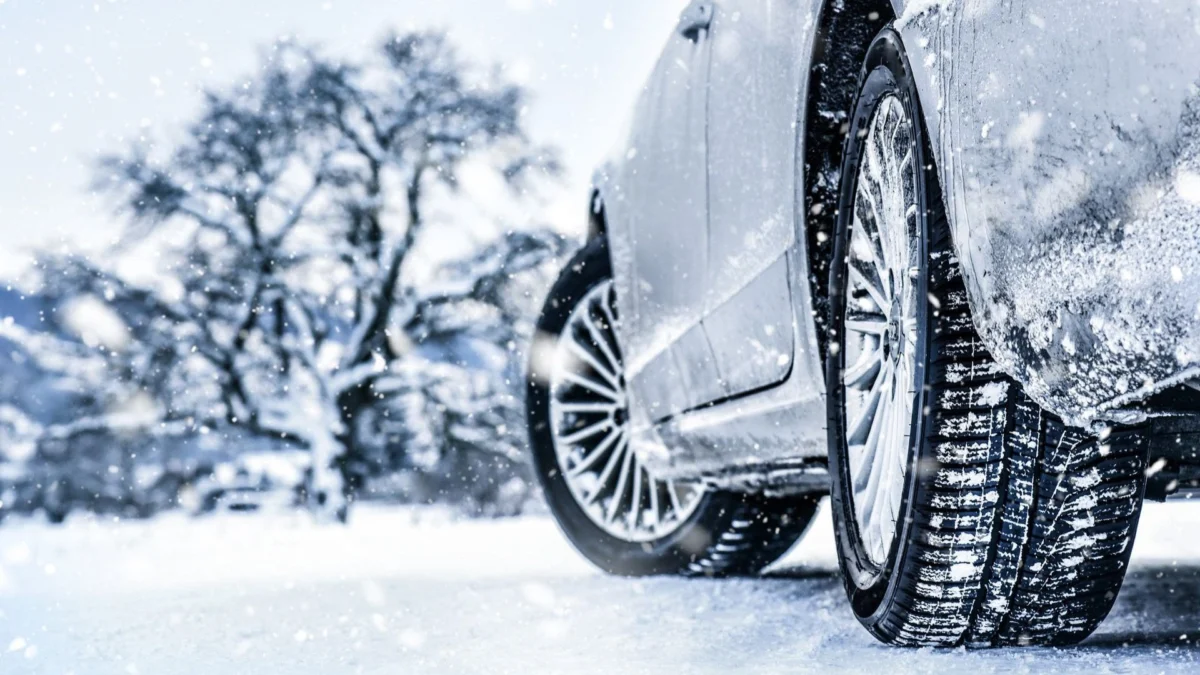
For millions of Canadians, the arrival of autumn brings more than just changing leaves and the promise of pumpkin spice; it brings the inevitable, encroaching reality of winter driving. As the temperature begins to dip, the debate over "all-season" versus "winter" tires returns to the forefront of automotive safety discussions. While the terminology—sipes, studs, 3PMSF, and rubber compounds—can feel like an impenetrable wall of industry jargon, understanding these elements is the difference between a controlled commute and a dangerous encounter with a roadside ditch.
The Fundamentals of Winter Traction
The primary distinction between summer or all-season tires and dedicated winter tires lies in two domains: the molecular and the mechanical.
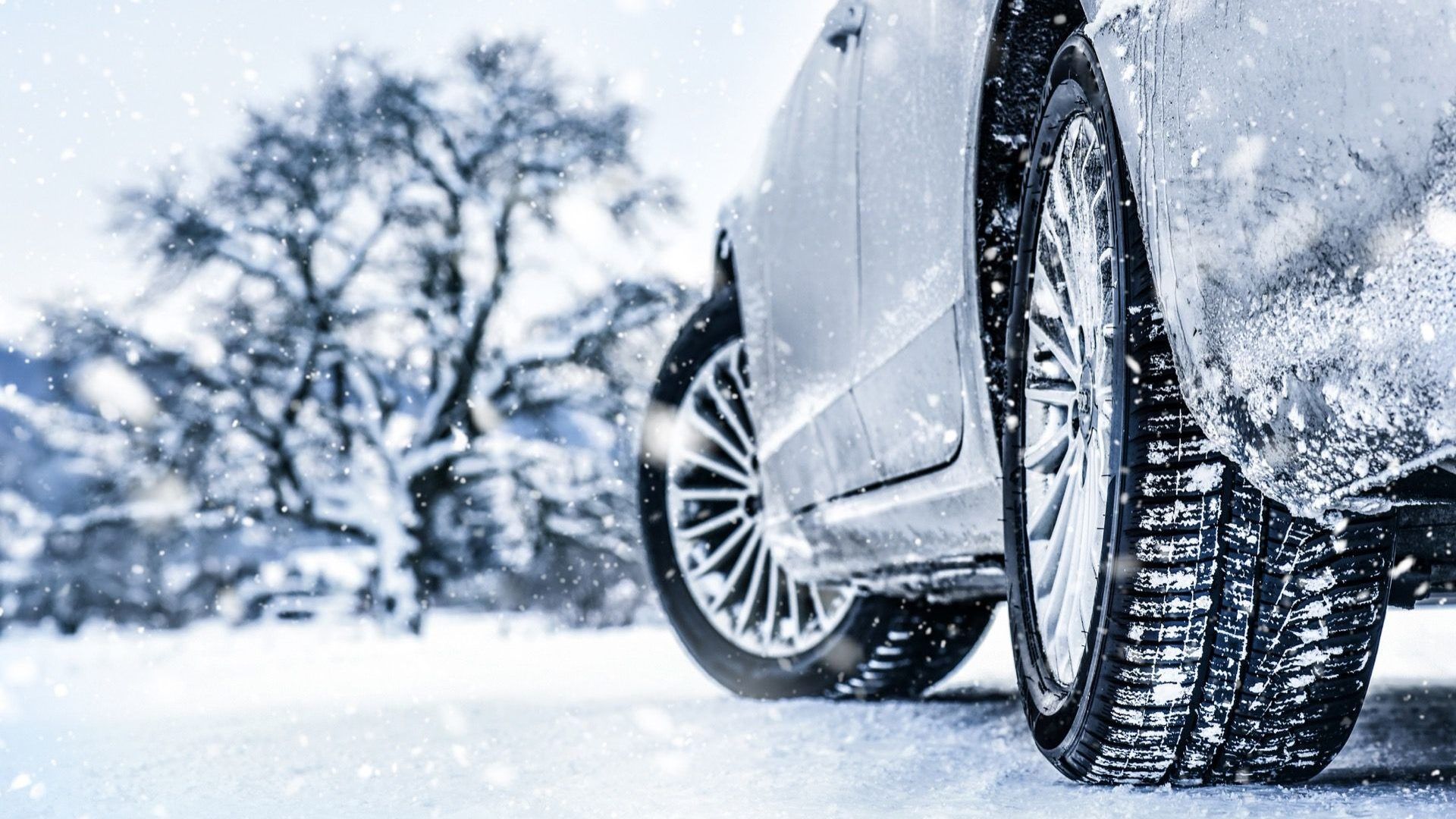
At the molecular level, tire engineers formulate specific rubber compounds designed to remain pliable even when the ambient air temperature plunges well below freezing. A standard all-season tire is designed for a broad range of temperatures, but as the mercury drops toward the seven-degree Celsius mark, the rubber in these tires begins to harden, losing its ability to conform to the micro-texture of the road. A dedicated winter tire, by contrast, retains its "skiff" of flexibility, allowing it to maintain a mechanical bond with the pavement, ice, or packed snow.
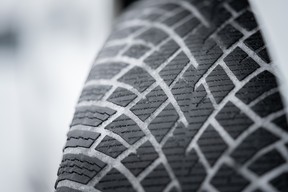
The mechanical aspect refers to the tread pattern and construction. Winter tires feature a deep, aggressive tread design, but the secret weapon is the "sipe"—the microscopic zig-zag slits etched into each tread block. When a tire rotates and presses against the road surface, these sipes open up, creating thousands of additional "biting edges" that grip the surface. This is why a vehicle equipped with proper winter tires can accelerate, steer, and stop on surfaces where an all-season tire would simply spin or slide.

Deciphering the Three-Peak Mountain Snowflake (3PMSF)
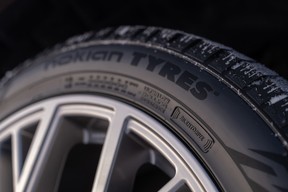
For years, the "snowflake" symbol on a tire sidewall has been the gold standard for consumer identification. But what does it actually mean? The Three-Peak Mountain Snowflake (3PMSF) badge indicates that a tire has passed a standardized testing regimen, proving it possesses a traction index at least 110 per cent higher than a reference tire on medium-packed snow.
However, it is crucial for drivers to understand the limitations of this test. The 3PMSF rating evaluates acceleration traction on snow—it does not necessarily account for ice-braking performance or lateral cornering stability. While the badge is an excellent indicator that a tire is engineered for winter conditions, it should not be viewed as a substitute for the superior, comprehensive performance of a dedicated winter tire in extreme conditions.
The Economics of the Seasonal Changeover
The cost of safety is a frequent point of contention for Canadian drivers. On average, a professional shop will charge between $120 and $160 for a seasonal tire changeover if you already own the tires and they are mounted on rims. If the tires are not mounted, the cost of labor increases significantly, as the technician must remove the old tire, mount the new one, and balance the assembly.
Long-Term Cost Analysis
Many drivers ask whether it is worth purchasing a secondary set of rims. The math often supports the investment.

- Convenience: A dedicated winter wheel set allows for a "bolt-on" swap, which typically costs the same as a standard tire rotation ($30–$40).
- Wear and Tear: Repeatedly mounting and unmounting tires from the same rim can eventually cause fatigue to the tire bead and the rim itself.
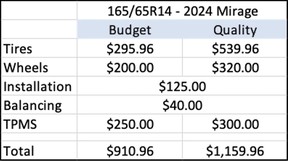
- The Break-Even Point: If you invest in a set of quality, direct-fit winter rims and tire pressure sensors (approximately $800 total), the savings in labor costs over a five-year period—compared to the more expensive unmounted tire swaps—will effectively pay for the hardware.
Note: This strategy is best suited for drivers planning to keep their vehicle for several years. If you trade in your vehicle every two years, the cost of specialized rims may not be fully recouped.
Price Expectations: A Snapshot of the Market
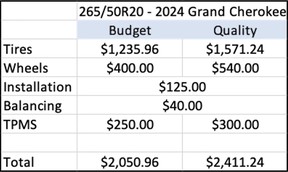
To help navigate the shopping process, it is useful to look at the pricing tiers across different vehicle categories. While prices vary by brand and retailer, the following ranges represent the difference between entry-level rubber and premium, technology-heavy tires like the Nokian Hakkapeliitta R5.
- 14-inch (e.g., Mitsubishi Mirage): Budget tires may start as low as $90 per tire, while premium options can climb to $160.
- 17-inch (e.g., Toyota Camry): Entry-level options often hover around $150, whereas high-performance winter tires can range from $250 to $300 per unit.
- 20-inch (e.g., Jeep Grand Cherokee): Larger SUVs command a premium, with entry-level tires starting near $250 and top-tier models exceeding $400 each.
- 22-inch (e.g., Ford F-150): Specialized truck tires of this size often range from $350 to $500 per tire.
Why "Snow Tires" is an Outdated Term
The industry has largely moved away from the term "snow tires" in favor of "winter tires." This is a critical distinction. A winter tire is not just for snow; it is for cold. Even on dry, clear pavement, a winter tire’s compound provides superior grip compared to an all-season tire once the temperature drops below 7°C.
Think of it as the difference between wearing proper winter boots versus plastic flip-flops. One is designed to handle the thermal and physical demands of the environment; the other is a recipe for a slip-and-fall.

Crucial Maintenance and Best Practices
The installation of winter tires is only the first step. To ensure peak performance, follow these professional guidelines:
- Install in Sets of Four: Never mix winter tires with all-season tires on the same vehicle. Doing so creates a dangerous imbalance in traction, which can lead to unpredictable handling, especially in corners. Your vehicle’s electronic stability control is calibrated for consistent grip; mismatching tires confuses these systems.
- The 100km Rule: After having your winter tires installed, always return to the shop for a retorque of the wheel nuts after approximately 100 kilometers of driving. Vibrations and road heat can cause nuts to loosen slightly; failing to tighten them can lead to a wheel detaching at highway speeds.
- Monitor Wear Indicators: Modern winter tires, particularly those from manufacturers like Nokian, include visual tread-depth indicators. These markings provide a clear, easy-to-read metric of how much life remains in the tire. If the indicators disappear, the tire is no longer safe for severe winter use.
- Schedule Early: The "first snowfall rush" is a reality that causes immense strain on automotive service centers. Most shops are not overstaffed, and when every driver calls on the same day after the first flurry, backlogs are inevitable. Experts recommend booking your appointment in early October to avoid the chaos.
Implications of Neglect
Ignoring the shift to winter tires has tangible implications for both safety and finance. Studies have consistently shown that winter tires significantly reduce stopping distances on ice and snow. Beyond the obvious safety benefits, provincial laws in many parts of Canada (such as Quebec) make winter tires mandatory. Even in provinces where they are not strictly required by law, many insurance companies offer discounts for drivers who utilize winter tires, acknowledging the reduced risk of collision.
Furthermore, driving on all-season tires in deep winter can lead to premature wear or damage to the vehicle’s braking and suspension systems, as the car is forced to "over-compensate" for the lack of grip.
Final Thoughts
Winter tires are more than an accessory; they are a vital piece of safety equipment. Whether you are navigating the slushy streets of an urban center or traversing the frozen, lonely highways of rural Canada, the mechanical advantage provided by advanced tread patterns and cold-weather rubber compounds is undeniable.
By planning your changeover early, investing in a proper setup, and understanding the technology beneath your wheels, you turn a season of "untold misery" into a season of predictable, safe mobility. As the saying goes in the industry: "If you can afford to drive, you can afford the tires that keep you on the road." Stay safe, stay informed, and ensure your vehicle is prepared for the first frost of the season.
