

The American electric vehicle (EV) market is currently navigating a period of profound structural adjustment. Following a tumultuous 2025 defined by a frantic, tax-incentive-driven buying spree, the industry is now emerging from a "reset phase" that has tested the resolve of both manufacturers and consumers. While the meteoric sales records of last year may not be replicated in the immediate future, new data indicates that the market is finally finding its footing, signaling a transition toward a more sustainable, product-led growth model.
A Chronology of Volatility: From Subsidy Surge to Market Normalization
To understand the current state of the EV sector, one must look back at the legislative landscape of 2025. When the federal government announced the sunsetting of long-standing EV tax rebates, the industry witnessed an unprecedented surge in consumer activity. Fearing the loss of thousands of dollars in potential savings, prospective buyers flooded dealerships, resulting in a Q3 2025 that shattered all historical sales records. This artificial acceleration of demand pulled forward consumption that might have otherwise occurred over the subsequent eighteen months.
As the subsidies evaporated, the market experienced a predictable and sharp contraction. Throughout the first half of 2026, automakers grappled with inventory management and cooling consumer sentiment, leading to a significant downturn in volume compared to the prior year. However, the most recent data from Q3 2026 reveals a crucial turning point. According to the latest insights from Cox Automotive, EV sales improved by 6.1% in the third quarter of 2026 compared to the previous quarter. This represents the highest sales volume recorded in over a year, suggesting that the "post-subsidy hangover" is finally beginning to dissipate.
Supporting Data: The Reality of the Numbers
The raw figures provide a clear picture of the scale of this transition. In Q3 2025, buoyed by the rush to capture tax credits, the industry moved over 437,000 electric vehicles. In stark contrast, Q3 2026 saw approximately 263,000 units sold. While the year-over-year comparison paints a picture of decline, the quarter-over-quarter growth of 6.1% is the more significant metric for industry analysts.
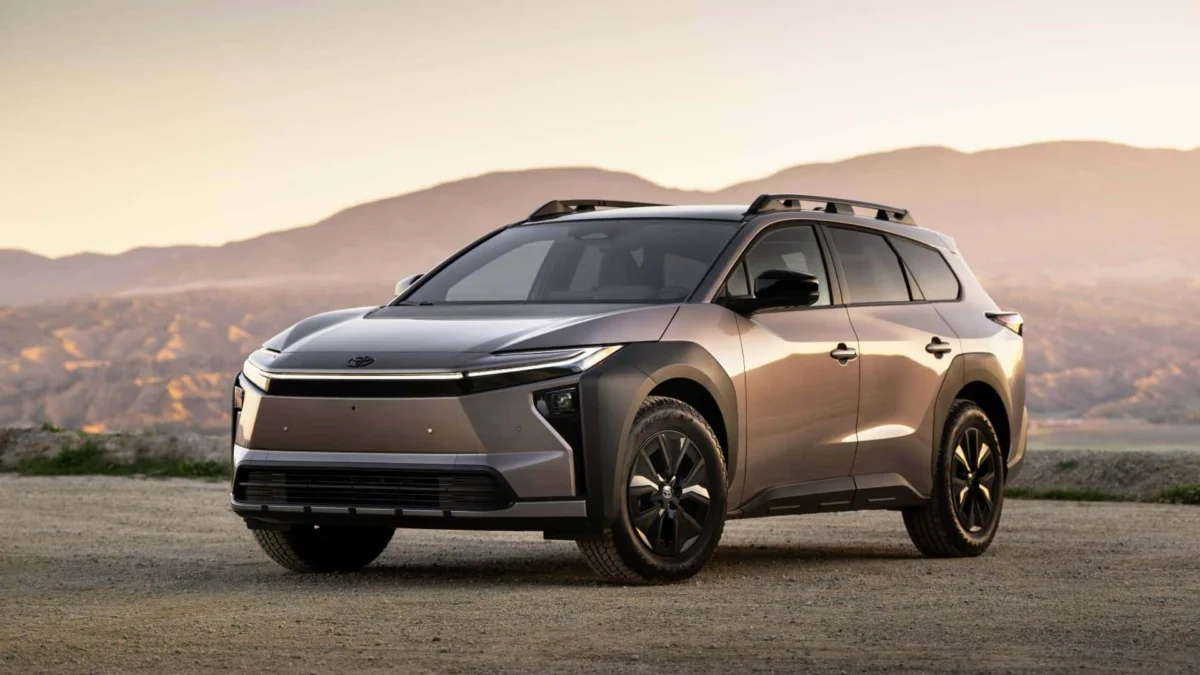
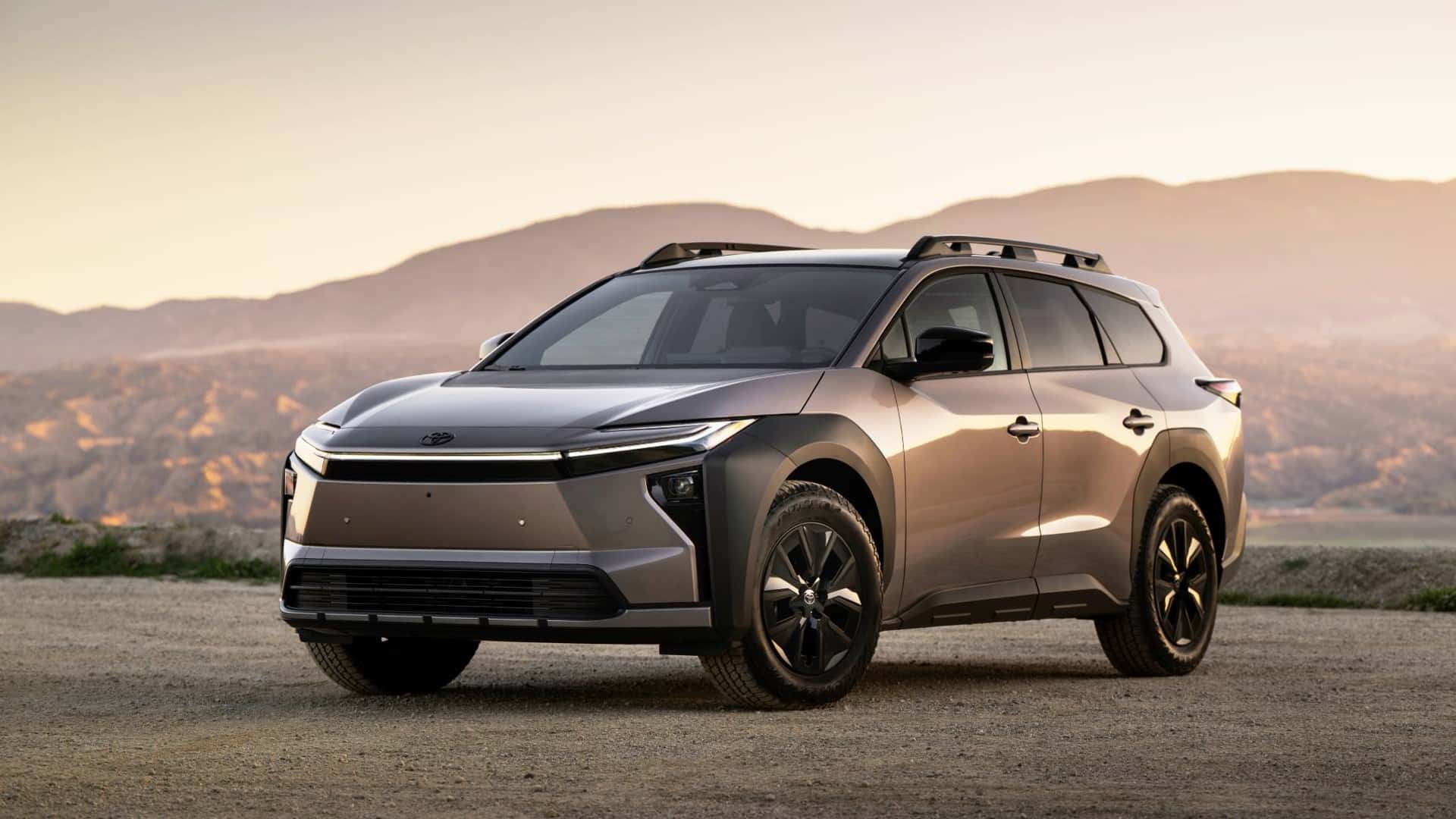
This growth is not uniform, however. The market has bifurcated into brands that are struggling to maintain relevance and those that have successfully pivoted to a new generation of hardware. For instance, Toyota saw its EV sales increase fivefold compared to Q3 2025, while Lexus experienced similarly aggressive growth. Rivian, a brand that has focused heavily on scaling its manufacturing capabilities and introducing new platforms, saw its sales climb by 46% during the same period.
These outliers share a common denominator: the arrival of fresh, highly competitive product lines. As legacy automakers and startups alike roll out vehicles with improved range, superior infotainment interfaces, and more attractive price points, the dependence on government artificiality is slowly being replaced by the fundamental appeal of the technology itself.
The Strategic Shift: Official Perspectives
The industry’s leadership is largely optimistic about this new, organic phase of development. Stephanie Valdez Streaty, Director of Industry Insights at Cox Automotive, has been a key voice in interpreting these trends.
"What we’re seeing now is a market finding its footing again," Valdez Streaty noted in a recent industry release. "The third quarter was the highest EV sales volume in a year, and the incremental improvement we’ve observed through 2026 suggests the reset phase is largely behind us. The next stage of growth will be driven by great products, competitive pricing, and automakers that continue to give consumers compelling reasons to make the switch."
Valdez Streaty also emphasized that external economic factors are beginning to act as a tailwind for the electrification movement. With national gas prices consistently hovering above the $4-per-gallon threshold, the total cost of ownership (TCO) for EVs has become an increasingly persuasive argument for the average American household. As fuel volatility remains a constant, the stability offered by home charging and reduced maintenance requirements is becoming a primary driver of consumer interest, independent of government incentives.
Consumer Behavior: The Wallet-First Philosophy
The central narrative of the 2026 EV market is that consumers shop with their wallets. The 2025 surge proved that demand is highly elastic and responsive to pricing interventions. However, the rebound in 2026 suggests that as electric vehicles achieve price parity with internal combustion engine (ICE) vehicles—or at least narrow the gap significantly—the "holdout" segment of the population is beginning to shrink.
There remain, of course, significant barriers to mass adoption. Public perception is still clouded by misconceptions regarding battery longevity, charging speed, and the geographical limitations of current charging infrastructure. Despite these hurdles, the sheer variety of EVs now entering the market—ranging from affordable urban commuters to rugged off-roaders like the Rivian R2—is expanding the addressable market.
Consumers are no longer just early adopters seeking a novelty; they are pragmatic buyers looking for value. As the charging infrastructure continues to expand under federal and private investment programs, the "range anxiety" that historically hampered sales is being mitigated by the deployment of high-speed charging networks.
Implications for the Future: A Sustainable Trajectory
What are the implications of this market reset for the automotive industry? First, it signals an end to the era of relying on government handouts to inflate quarterly figures. Manufacturers that have invested in vertically integrated supply chains and battery chemistry efficiency are now positioned to benefit from a leaner, more disciplined market environment.
Second, the focus on "great products" means that the competitive landscape will intensify. Brands that fail to innovate—or that cling to aging platforms—will find it increasingly difficult to compete. The success of brands like Toyota and Rivian confirms that the consumer is willing to spend, provided the value proposition is clear and the technology feels like a genuine upgrade rather than a compromise.
Finally, the shift in 2026 points toward a long-term stabilization of the EV market. While we may not see the explosive, inorganic growth of 2025 again, we are entering a period of steady, compound growth. As more models hit the streets and as the secondary (used) market for EVs begins to mature, the barrier to entry will drop even further.
Conclusion: The Path Ahead
The American EV market is currently in the middle of a vital metamorphosis. By shedding the reliance on temporary tax incentives, the industry is learning how to compete on its own merits. The data from Q3 2026 is not merely a sign of recovery; it is a sign of maturity.
As we look toward the remainder of 2026 and into 2027, the success of the sector will likely depend on the continued narrowing of the price gap between electric and combustion vehicles, the expansion of public charging reliability, and the ability of manufacturers to capture the imagination of the average consumer. The "reset" has been painful for some, but for the long-term viability of the transition to sustainable transport, it was a necessary rite of passage. The market has proven that it is not only capable of surviving without the crutch of subsidies but is actually stronger and more focused because of their absence. The road ahead for electric vehicles is no longer about government policy; it is about the intersection of engineering, consumer demand, and the inevitable shift toward a cleaner, more efficient automotive future.
