

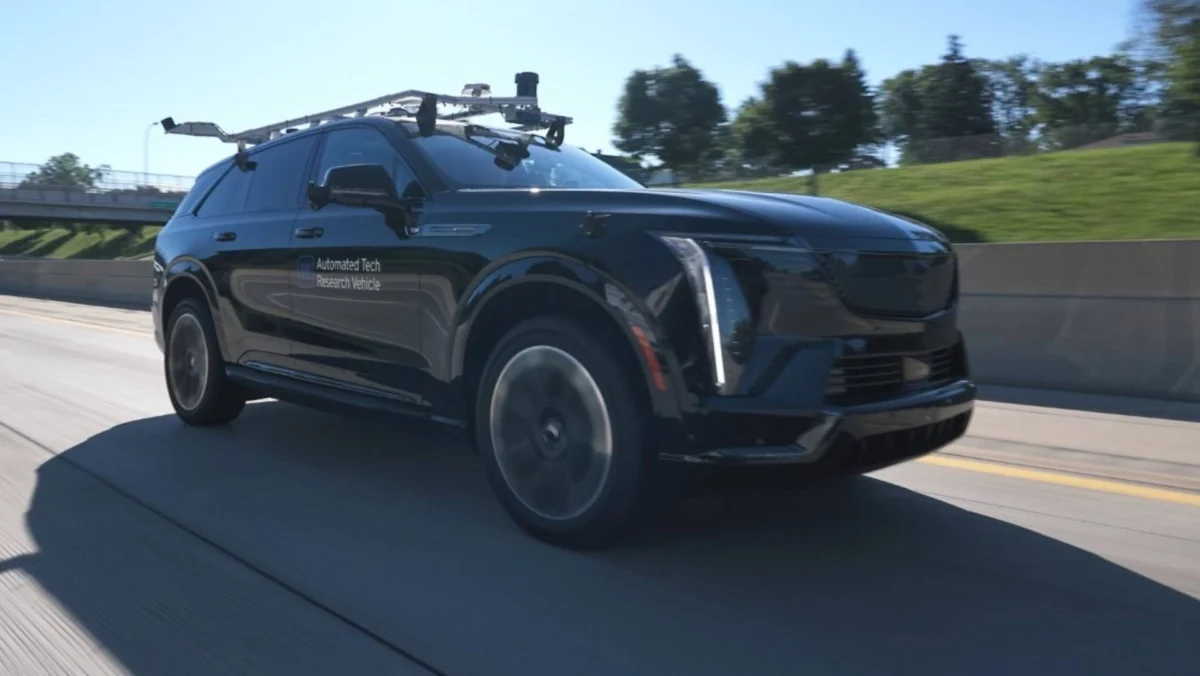
In an era where the automotive industry is undergoing its most significant transformation since the invention of the assembly line, General Motors (GM) is positioning itself not just as a manufacturer of vehicles, but as an architect of a new digital and autonomous ecosystem. The automaker’s latest revelation, the "Concept Horizon," provides a compelling glimpse into how the company intends to integrate next-generation infotainment, advanced autonomous capabilities, and a radically simplified fourth-generation electric vehicle (EV) architecture into the mainstream market.
As GM moves beyond the conceptual phase, the implications for the consumer, the supply chain, and the broader automotive landscape are profound. By prioritizing centralized computing and aggressive hardware simplification, the Detroit giant is aiming to deliver vehicles that are not only more intelligent but significantly more efficient and easier to produce.
The Core Vision: Concept Horizon
At the heart of GM’s forward-looking strategy is the "Concept Horizon." This initiative represents a departure from the cluttered, disparate electronic systems that have historically plagued modern vehicle interiors. Instead, Horizon envisions a seamless, unified user experience where the vehicle interior acts as an extension of the driver’s digital life.
The concept suggests a move toward highly integrated, software-defined cockpits where the physical boundary between the car’s infotainment and its autonomous driving systems blurs. By consolidating control into a centralized computing brain, GM aims to reduce latency, improve OTA (over-the-air) update capabilities, and offer a level of personalization that current generation vehicles struggle to maintain.
A New Era of Propulsion: The Fourth-Gen EV Architecture
While the digital interface grabs headlines, the real mechanical revolution is happening under the sheet metal. The rollout of GM’s fourth-generation EV architecture is designed to address the most significant hurdles currently facing the industry: cost, weight, and complexity.
Simplifying the Power Electronics
During a recent technical presentation, GM representatives highlighted a major shift in propulsion design. The new systems utilize significantly more compact motors and advanced power electronics. The result is a staggering 40-percent reduction in parts count compared to current architectures. This isn’t just a win for the balance sheet; it is a critical step in streamlining manufacturing and improving vehicle reliability.
The Efficiency Dividend
The engineering team’s focus on "scaling back" complexity has yielded impressive performance metrics. According to company data, EVs built on this new platform are expected to be 15 percent lighter and 20 percent more energy-efficient than their predecessors. For the average consumer, this translates to improved range, faster charging times, and a lower total cost of ownership—key metrics in the ongoing battle for EV adoption parity with internal combustion engines.
Chronology: The Road to Implementation
The transition to this new technology is not an overnight event, but rather a carefully orchestrated progression of integration.
- Foundation Phase: Over the past three years, GM has invested billions into its Ultium battery platform and the software-defined vehicle (SDV) initiative. This laid the groundwork for the centralized computing architecture seen in Concept Horizon.
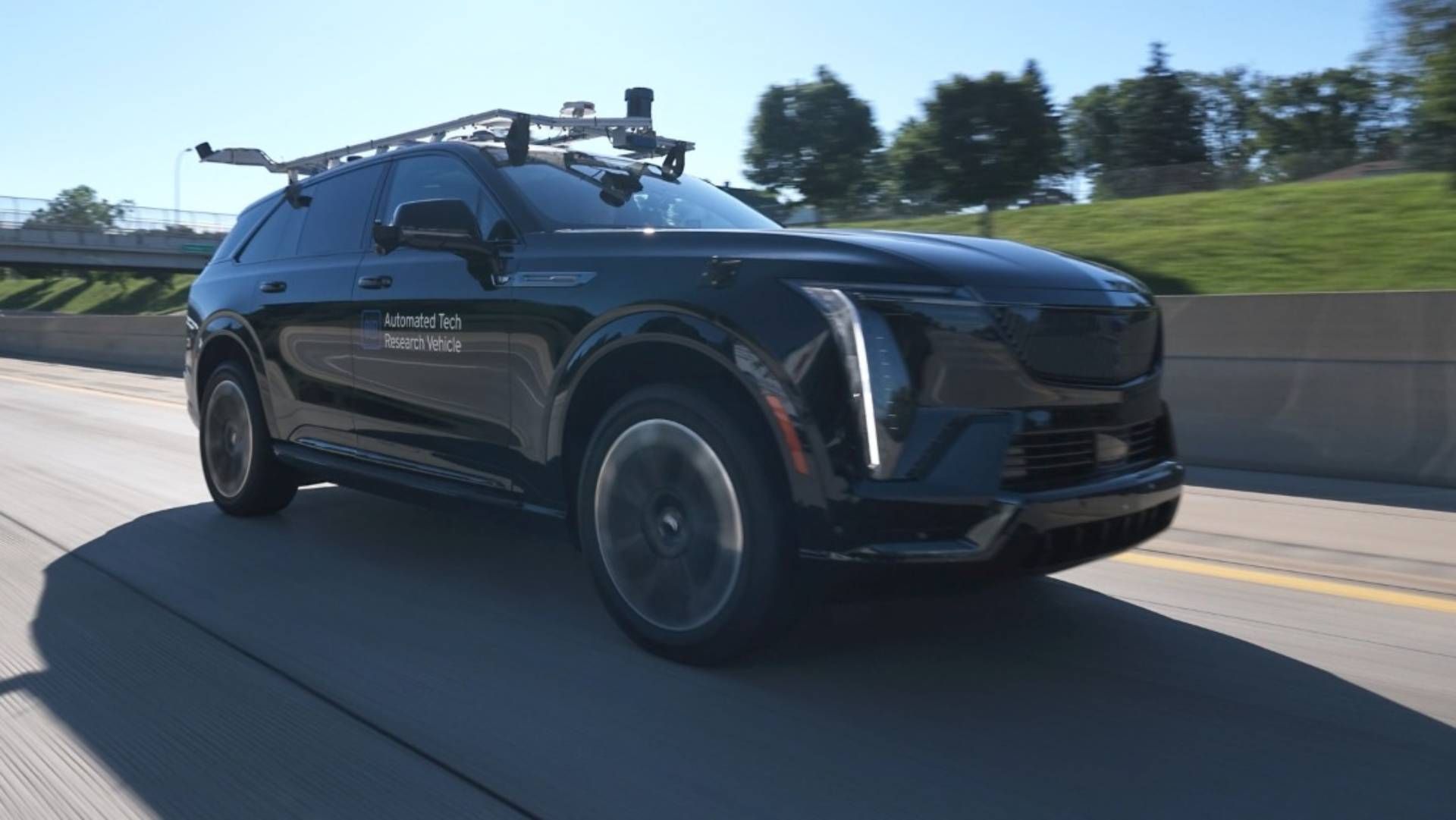
- The 2028 Milestone: The most tangible target in the near term is the 2028 Cadillac Escalade IQ. GM has confirmed this vehicle will serve as the launchpad for their next-gen autonomous systems.
- Mainstream Scaling: Following the high-end launch in the Escalade, the expectation is a rapid "trickle-down" effect. GM’s broader aim is to move this fourth-gen architecture into its mainstream portfolio, likely starting with its high-volume crossovers and mid-sized SUVs within the 2029–2030 window.
Supporting Data: Why Complexity is the Enemy
The automotive industry has spent the last decade stuffing vehicles with sensors, ECUs (Electronic Control Units), and disparate wiring harnesses. GM’s decision to move toward a more centralized computing structure is a direct response to this "feature creep."
Historically, adding a new feature meant adding a new controller. This created a nightmare for engineers trying to manage software compatibility. By moving to a centralized architecture, GM is effectively creating a "plug-and-play" environment for vehicle features. This reduces the weight of the vehicle—due to less copper wiring and fewer heavy plastic housings—and allows for a much more responsive vehicle interface.
Official Responses and Strategic Implications
General Motors has remained relatively tight-lipped regarding the specific roadmap for the mass-market rollout of these technologies. However, the tone from the executive suite is one of controlled urgency.
"Our goal is to remove the friction from the ownership experience," a GM spokesperson noted during the unveiling. "By simplifying the hardware and enhancing the software, we aren’t just making a more efficient car; we are making a platform that can grow with the user."
The Competitive Landscape
The implication for competitors like Tesla, Ford, and Hyundai is clear: the race is no longer just about battery chemistry or range. It is now a race to see which manufacturer can master the "software-defined vehicle." GM’s push for a 40-percent reduction in parts is a direct challenge to the production efficiencies currently held by industry leaders.
The Consumer Impact
For the consumer, the promise is a vehicle that feels "new" for longer. Because the architecture is designed to support more robust OTA updates, a vehicle purchased in 2029 could theoretically receive significant improvements to its range, infotainment UI, and even autonomous capabilities long after it leaves the dealership.

The Future of Autonomy
The integration of the next-gen autonomous system into the Escalade IQ suggests that GM is confident in its sensory and processing suites. By utilizing the 2028 Escalade—a flagship product—as the testbed, the company is signaling that it believes the technology is ready for the premium segment before it becomes a standard feature on more affordable models.
This phased rollout is a classic automotive strategy: debut high-cost, high-complexity tech on the most profitable vehicles, refine the software based on real-world data, and then roll it out to the mass market once the cost-per-unit has plummeted.
Conclusion: A Paradigm Shift
General Motors is betting its future on the idea that the "car of tomorrow" is essentially a high-performance computer on wheels. The Concept Horizon isn’t just about cool displays or fancy lighting; it’s about a fundamental restructuring of how a vehicle is built and how it functions.
By reducing parts count by 40 percent, improving energy efficiency by 20 percent, and leaning into a centralized computing architecture, GM is attempting to solve the three pillars of the EV transition: cost, range, and longevity. While the road to 2028 and beyond is long, and the challenges of autonomous deployment remain significant, the direction is clear. The era of the bloated, over-complicated vehicle is ending, and the era of the streamlined, software-optimized machine is beginning.
As we look toward the next five years, the success of the fourth-gen architecture will likely define General Motors’ position in the global market. The industry is watching, and for now, the vision from the Horizon seems remarkably focused.
For more in-depth analysis of the evolving automotive industry, sign up for our Blind-Spot Monitor newsletter and join the conversation on X, TikTok, and LinkedIn.
About the Author
Nicholas Maronese is the News and Features Editor at Driving.ca. With over a decade of experience in professional writing and a deep-seated passion for both automotive history and the future of mobility, Nicholas explores the intersection of design, culture, and technology. He is a frequent volunteer at the Cobble Beach Concours d’Elegance and a lifelong tinkerer who currently maintains a 1971 Plymouth Valiant Scamp.
